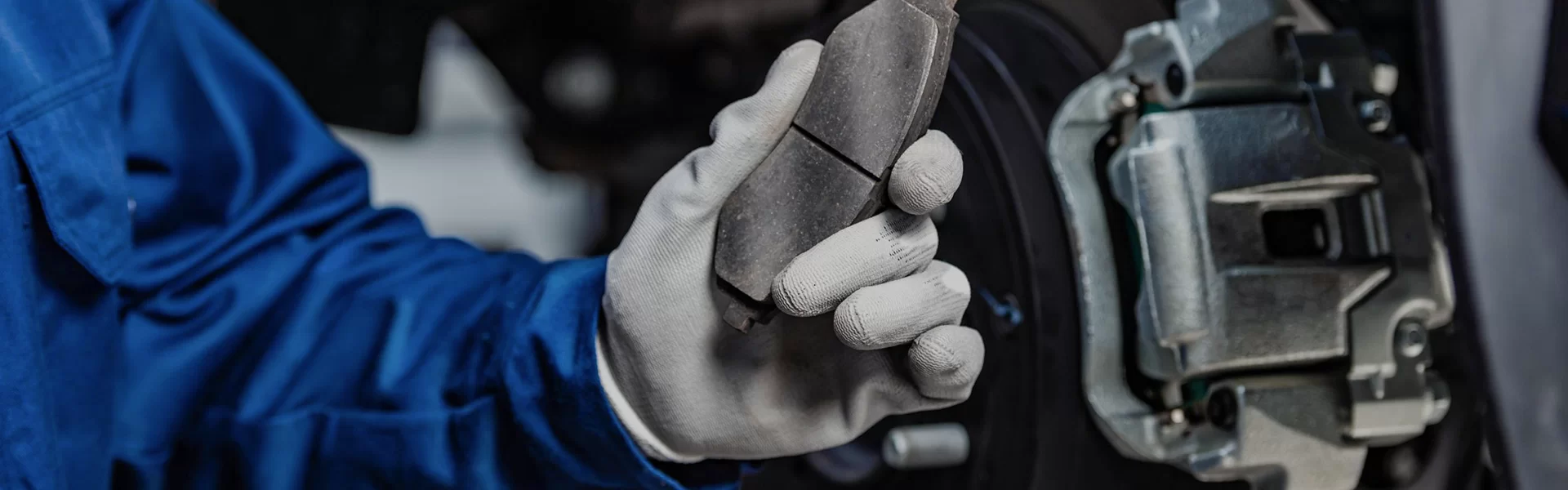
Brake shoes might not be the flashiest topic you stumble upon, but globally, they’re a quiet hero in vehicle safety and industrial machinery. Simply put, brake shoes for vehicles and machines serve the critical purpose of converting kinetic energy into stopping power — or friction, if you want to get technical. This small but mighty component is one of the foundations holding our fast-moving world safely in check.
Why does understanding brake shoes matter globally? Because over a billion vehicles, from bustling city buses to industrial forklifts and even agricultural tractors, rely on these components daily. The brake shoes for various machines ensure efficient braking, preventing accidents, costly downtime, and even catastrophic failures in some industries.
If you’re wondering how a humble brake shoe can influence safety, productivity, and environmental impact — stick around. You might be surprised how intricate and significant the topic really is.
In 2023, vehicle numbers surpassed 1.4 billion worldwide (source: UN Environment Programme), with industrial machinery rolling out at a similar rapid pace. Brake shoes for commercial vehicles, light trucks, and industrial equipment have thus become more than just replacement parts — they’re a critical node in the transportation and manufacturing web that keeps global economies humming.
However, the challenge is twofold. On one side, there’s a growing demand for brake shoes capable of coping with more stringent emission norms (indirectly, through durability and performance of brake systems). On the other, in less developed regions, accessibility and quality standards often don’t keep pace with demand — leading to safety risks and increased costs down the line.
Innovation in brake shoes, particularly in materials and design, aims to address these concerns. But the question remains: what exactly are brake shoes for in the big picture, and how do their core characteristics intersect with real-world needs?
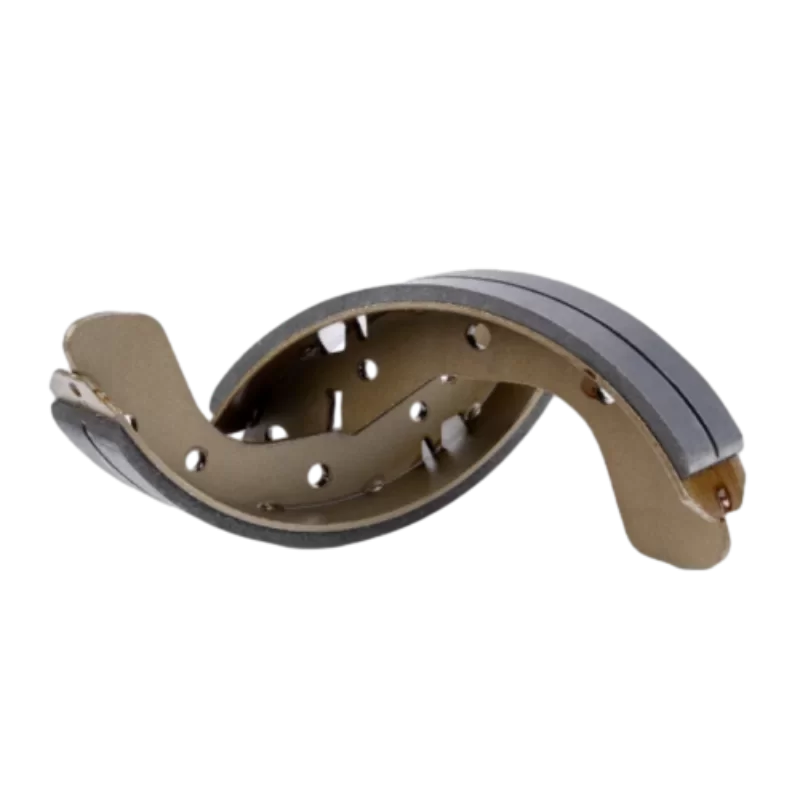
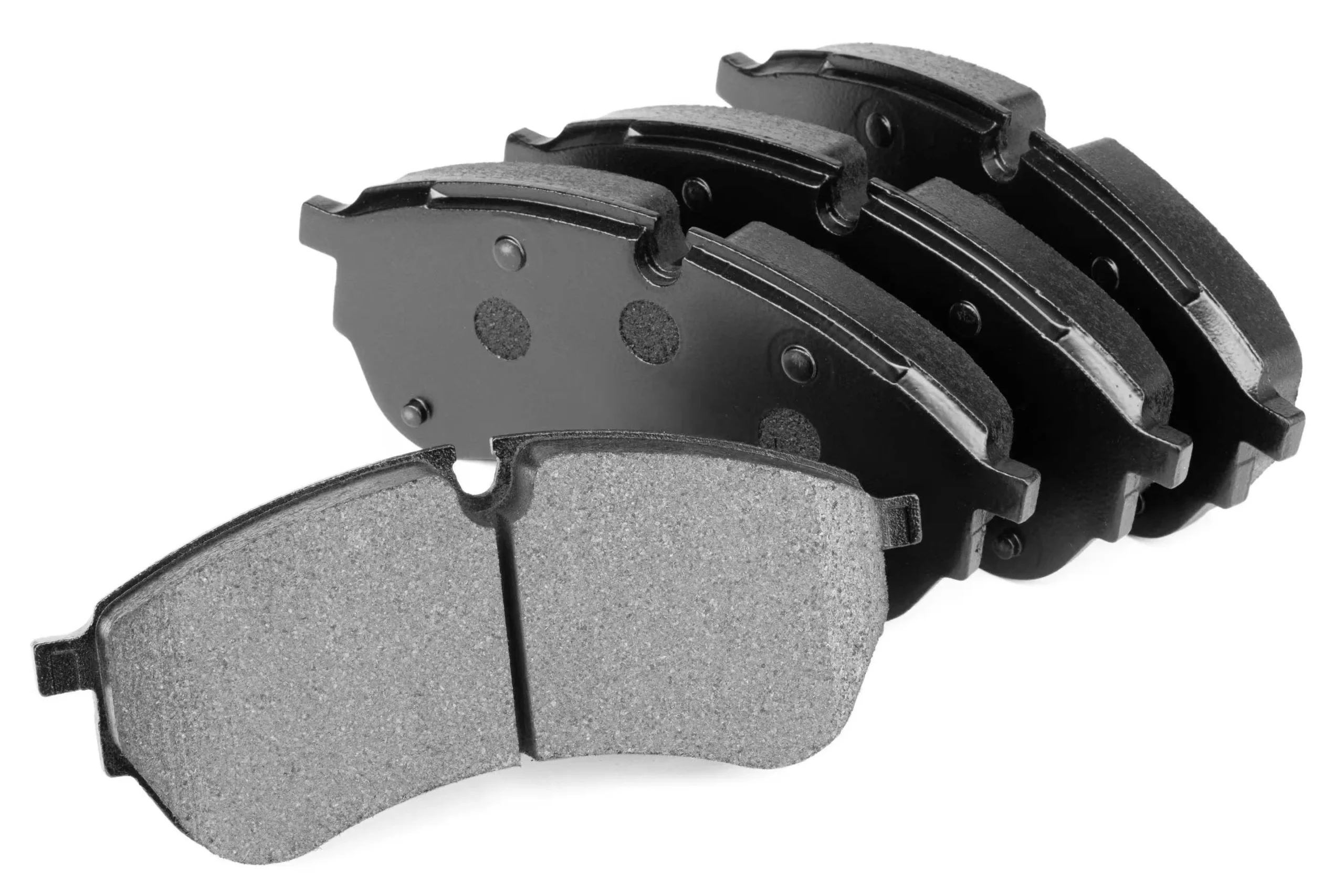
Brake shoes are curved components fitted inside drum brakes, intended to press out against the brake drum to generate friction and slow down or stop wheel rotation. These are distinct from disc brake pads but serve a similar frictional function. While disc brakes dominate passenger cars nowadays, brake shoes remain widely employed in heavy trucks, buses, motorcycles, and industrial machines.
Oddly enough, this ancient design — going back to early 1900s automotive engineering — keeps proving its value. The brake shoe’s simplicity makes it more maintainable and cost-effective, especially where high torque loads need durable friction materials. Furthermore, in humanitarian and industrial aid settings, brake shoes for heavy machinery ensure continuous operations where brake failure is simply not an option.
Brake shoes for vehicles and machinery remain vital, bridging old-school engineering with modern demands for safety and reliability.
Manufacturers focus heavily on materials — often composite mixes combining steel, ceramic, or organic fibers — designed to endure heavy workloads without rapid wear. I’ve seen engineeers remark how durability directly translates into less downtime, less replacement expense, and ultimately, fewer accidents.
Friction generates heat. Too much heat and the shoes glaze over or lose their stopping power. Smart brake shoes for industrial settings often include thermal-resistant materials and vented drum designs to maintain consistent performance.
Brake shoes are designed to be easily replaced without dismantling entire brake systems — a boon for fleet maintenance. The balance between price and life span is something manufacturers agonize over to win market share.
From heavy trucks in Europe to mining trucks in Australia, different models require tailored brake shoes. Suppliers often offer custom thickness, lining materials, or finishes to meet specific regulations or performance targets.
With rising regulations against asbestos and harmful chemicals in brake linings, environmentally friendly brake shoes for are forcing an overhaul in production processes and materials.
Balancing performance, cost, and sustainability is the juggling act that defines modern brake shoes for demanding applications.
Brake shoes for heavy vehicles are everywhere: buses darting through Asian megacities, colossal mining trucks in South America’s Andes, or tractors tilling vast African plains. Even casual travelers unknowingly pass through countless safety checkpoints regulated by brake component standards.
One interesting example: After the 2020 floods in Bangladesh, NGOs sourced brake shoes for urgent repairs on rescue craft and supply trucks rounding the clock, showing how essential these components are even beyond typical transport.
Whether in bustling cities or remote outposts, brake shoes for keep wheels turning — often behind the scenes but never to be overlooked.
There’s the obvious: safety. But beyond that, choosing the right brake shoes for your fleet or machinery translates directly into tangible benefits:
It’s oddly gratifying how such a small component can contribute to trust — between drivers, operators, and the general public. In real terms, it keeps life moving, literally.
| Model | Material Composition | Operating Temp (°C) | Average Lifespan (km) | Weight (g) |
|---|---|---|---|---|
| KBP Alpha-100 | Steel & Ceramic Composite | -40 to 500 | 120,000 | 2,350 |
| EcoPad GT450 | Organic Fibers & Resins | -20 to 300 | 80,000 | 1,720 |
| Duraflex Pro-X | Steel & Carbon Fiber | -50 to 550 | 150,000 | 2,600 |
| Vendor | Key Strengths | Global Reach | Eco-Certifications | Customization Options |
|---|---|---|---|---|
| Brake Solutions Inc. | Advanced composites, R&D | 150+ countries | ISO 14001 | Full design tailoring |
| GlobalBrake Tech | Budget-friendly, rapid production | 70 countries | None | Limited thickness options |
| EcoPads Worldwide | Eco-friendly materials | 50 countries | ISO 14001, REACH Compliant | Organic composite blends |
It feels like the field of brake shoes for is quietly undergoing a bit of a renaissance. Some of the trends that engineers and suppliers are excited about include:
It’s not just about friction anymore — it’s about smart maintenance, eco-sustainability, and future-proofing assets.
Brake shoes for, despite all their advantages, suffer drawbacks like accelerated wear in extreme climates or contamination from road salts and chemicals — especially in harsh winter zones. Supply chains can be disrupted too, leading to mismatches between brake shoes and vehicles.
To fight these challenges, manufacturers integrate robust testing regimes, including:
Plus, close collaboration between OEMs and vendors helps design compatibility and steer localized versions for region-specific needs.
Q1: How often should brake shoes for commercial trucks be replaced?
A1: Typically, brake shoes for trucks need replacement every 80,000 to 120,000 kilometers, depending on usage, road conditions, and brake material. Regular maintenance checks are crucial to ensure safety and performance.
Q2: Are eco-friendly brake shoes for as effective as traditional ones?
A2: Modern eco-friendly brake shoes perform comparably to traditional types, with added benefits in sustainability and reduced toxic emissions. The right choice depends on your vehicle type and operational demands.
Q3: Can brake shoes for be customized to fit unusual industrial machinery?
A3: Yes, many vendors offer fully customizable brake shoes tailored to specific machinery dimensions and stress requirements, enhancing compatibility and lifespan.
Q4: What causes brake shoe glazing, and how can it be prevented?
A4: Glazing happens when brake shoes overheat, causing a smooth, hardened surface that reduces friction. Proper heat dissipation materials and regular use help prevent it, along with avoiding excessive braking.
Thinking about the humble brake shoes for a moment feels like catching sight of one of those everyday essentials we rarely stop to appreciate. Yet, they underpin everything from your daily commute to massive infrastructure projects and humanitarian operations. Durable, adaptable, and increasingly eco-conscious, they deliver both safety and substance.
If your fleet or operations rely on dependable braking, don’t compromise — check out the latest options and innovations at brake shoes for and make sure your wheels keep turning safely and efficiently.