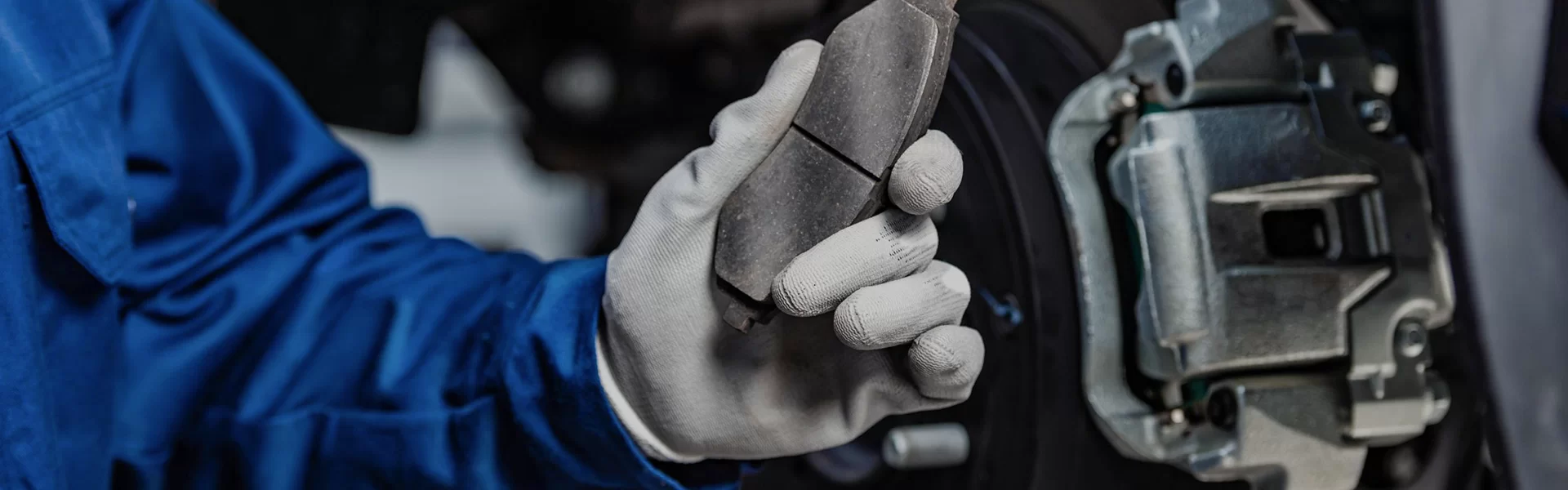
When you think about car maintenance, brake pads probably aren’t the first thing on your mind — yet they’re absolutely crucial for your vehicle’s safety. Cheap rear brake pads have become a hot topic globally because they represent the intersection of cost-effectiveness and safety in automotive care. Understanding what makes affordable brake pads reliable, and when it’s okay to opt for cheaper options, can save you money without compromising performance. Plus, knowing about them matters in developing regions and industries where budget-friendly vehicle maintenance improves accessibility and safety.
Worldwide, there are over 1.4 billion registered vehicles, according to the International Organization of Motor Vehicle Manufacturers (OICA, 2023). With roughly 250 million cars in the U.S. alone, the need for cost-conscious maintenance grows every year. Many vehicle owners seek cheap rear brake pads to cut down repair bills — especially when rear brake replacements typically cost less than front brakes but still play a vital safety role.
The challenge? While inexpensive brake pads can be enticing, not all cheap options deliver consistent quality or durability, raising concerns about safety and environmental impact. Countries with growing automobile markets, such as India and Brazil, face this balancing act daily.
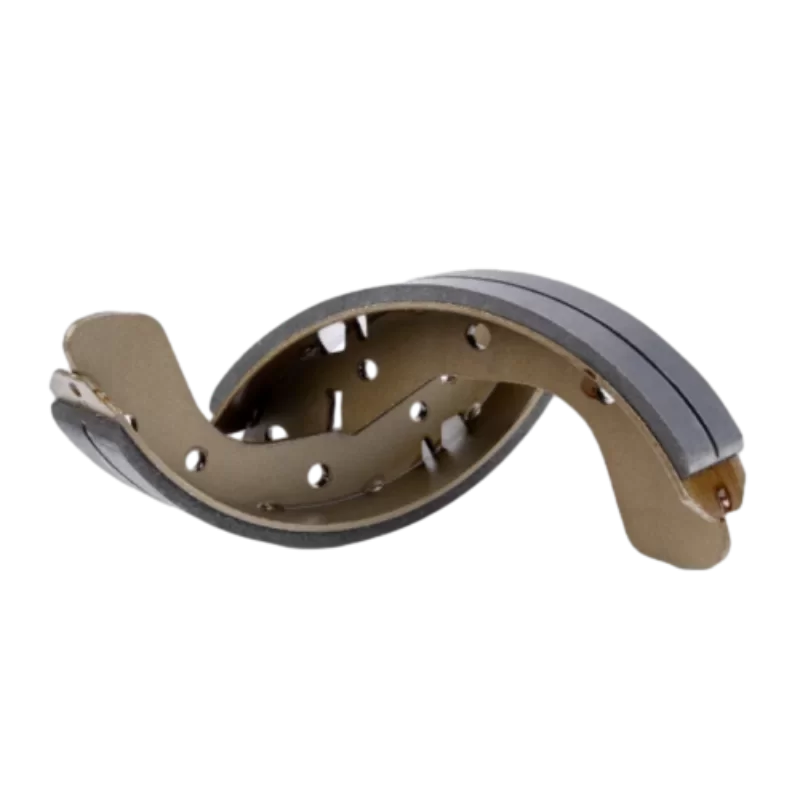
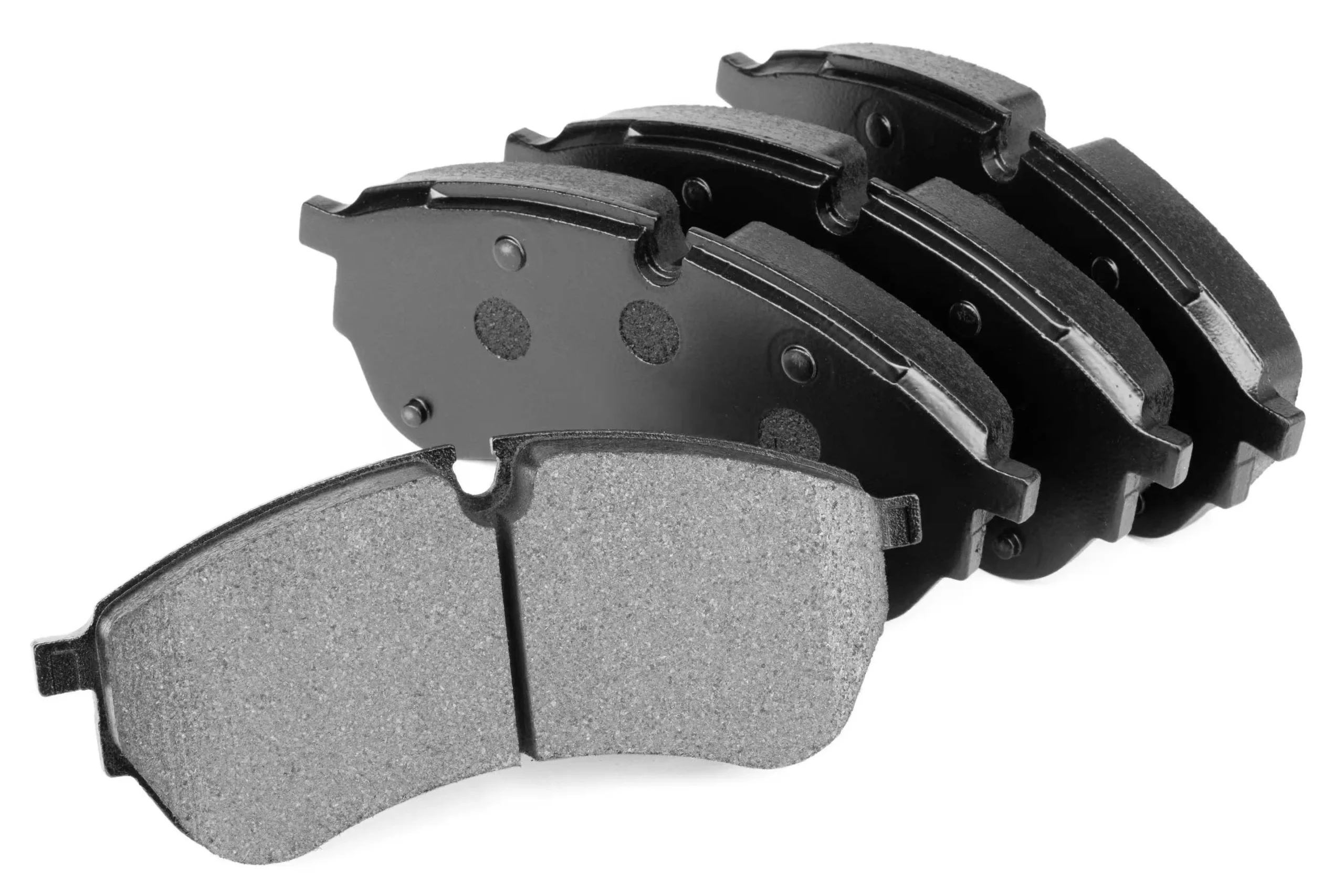
In simple terms, cheap rear brake pads are brake pads designed for the rear wheels of cars or trucks, sold at a lower price point compared to premium brands. They’re made of friction materials that help convert kinetic energy into thermal energy, slowing down your vehicle. “Cheap” typically means reduced costs come from simpler manufacturing, alternative materials, or fewer industrial certifications—but the pads still need to meet safety standards to be roadworthy.
For industries reliant on fleets or where vehicle upkeep costs influence operating budgets, cheap rear brake pads improve availability and affordability without necessarily compromising safety too much.
Most brake pads use either organic, semi-metallic, or ceramic materials. Cheap rear brake pads often lean toward semi-metallic or low-quality organic compounds, which are less expensive but sometimes produce more dust or noise.
Naturally, the lifespan of brake pads affects value. Lower-cost pads may wear faster, meaning they need more frequent replacement—but some budget options hit a sweet spot between cost and durability.
Rear brake pads generally experience less heat than front pads, so cheaper materials with lower heat thresholds are often adequate here.
It’s vital that cheap rear brake pads fit perfectly with the vehicle’s brake system to maintain safety—poor compatibility can reduce braking effectiveness.
Cheaper pads may produce more dust or be noisier. For everyday drivers, this tradeoff might be acceptable; for others, it’s a deal-breaker.
| Spec | Typical Cheap Rear Brake Pad | Premium Rear Brake Pad |
|---|---|---|
| Material | Semi-metallic / Organic | Ceramic / Advanced semi-metallic |
| Lifespan (miles) | 25,000 – 35,000 | 40,000 – 60,000 |
| Noise Level | Moderate to High | Low |
| Dust Emission | Moderate | Low |
| Cost | $25 - $50 / set | $70 - $120 / set |
Cheap rear brake pads are especially vital in emerging automotive markets like Southeast Asia and Latin America, where affordability can make or break vehicle ownership. Fleet operators in delivery and logistics services rely on budget-friendly pads to manage maintenance costs while keeping vehicles roadworthy.
Oddly enough, non-urban operators — think agricultural machinery or remote mining vehicles — frequently choose cheap but reliable brake pads because supplies can’t be sourced rapidly or at premium prices. In post-disaster scenarios, emergency vehicles equipped with cost-effective brake parts can remain operational longer with affordable repairs.
| Brand | Price Range | Warranty | Material Type | Customer Rating |
|---|---|---|---|---|
| BudgetBrake Co. | $30 - $45 | 6 months | Semi-metallic | 3.8/5 |
| EconoPads | $25 - $40 | 3 months | Organic | 3.5/5 |
| SafeStop | $35 - $50 | 1 year | Semi-metallic | 4.1/5 |
Frankly, it feels like these pads balance pragmatism and safety without demanding a premium price tag — perfect for many users.
Brake pad technology is quietly evolving. Expect more use of sustainable materials—such as bio-based composites—to further reduce pollution. Digitally enhanced manufacturing ensures consistent quality even at lower costs. And with electric vehicles becoming common, different braking systems might alter demand for traditional rear brake pads, but for now, cheap rear brake pads remain critical.
The main challenge is quality inconsistency; some cheap brake pads may underperform or wear too fast. But advancements in quality control, like ISO 9001 certification adherence and third-party testing, help overcome these. Educating consumers about performance tradeoffs is key—choosing wisely rather than simply cheapest.
Choosing cheap rear brake pads isn’t merely a cost-saving measure — it’s a pragmatic solution for many drivers and organizations worldwide seeking reliable, affordable, and safe vehicle maintenance. While wary buyers should avoid “too good to be true” deals, quality budget pads do exist and serve millions well every day. Next time you need a brake pad replacement, consider the balanced approach: safety, value, and accessibility.
For trusted products and advice, visit our website: https://www.kybrakepad.com.
Taking time to learn about brake pads pays off in safety and peace of mind.
References:
1. Wikipedia: Brake Pad
2. ISO 9001 Quality Management Standards
3. OICA, International Organization of Motor Vehicle Manufacturers, 2023 Vehicle Statistics