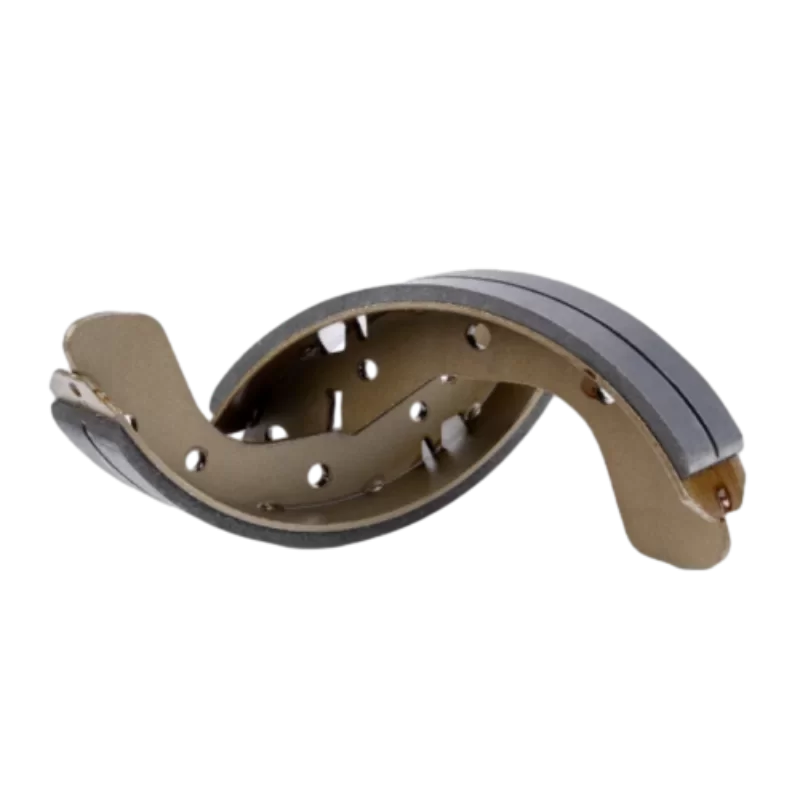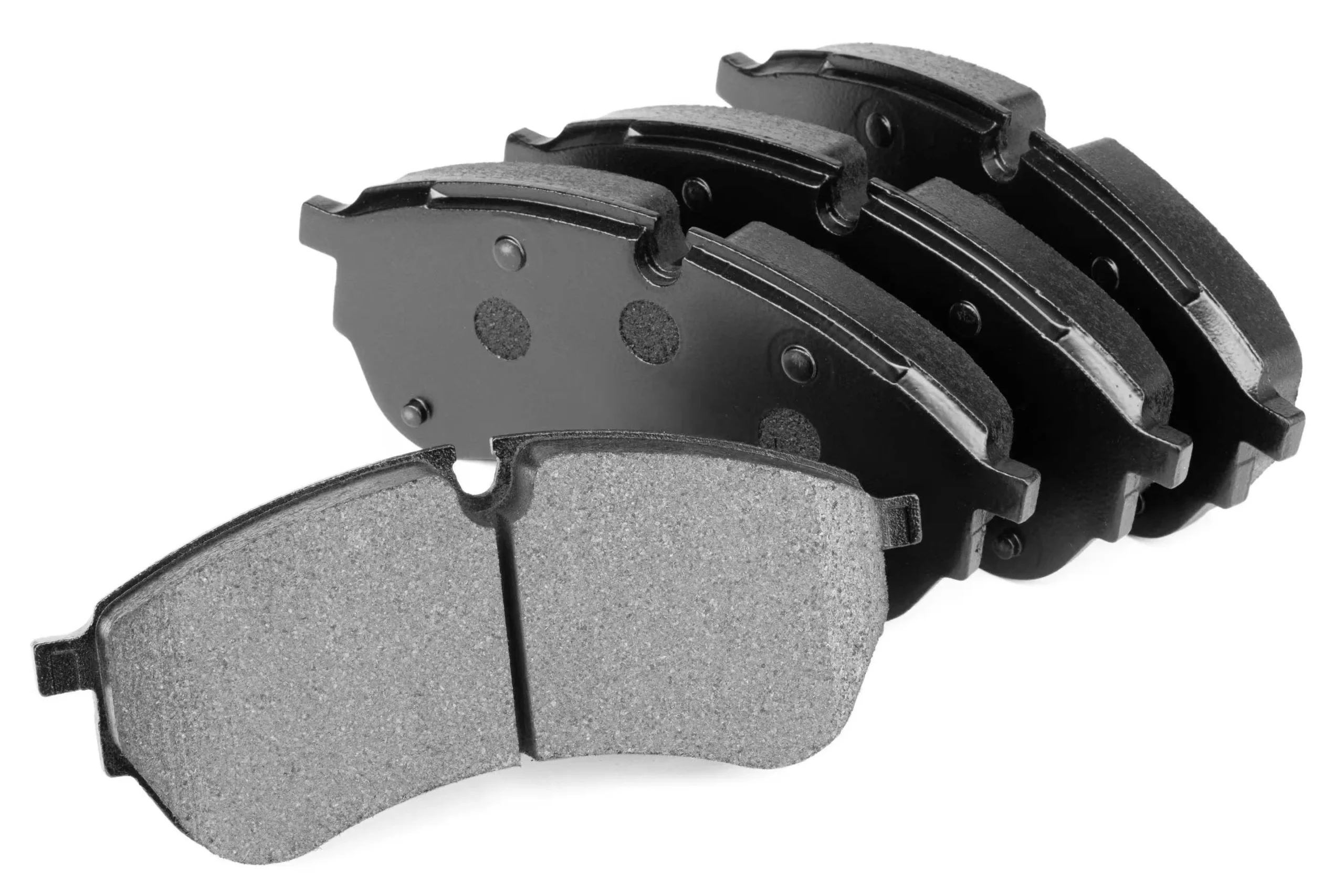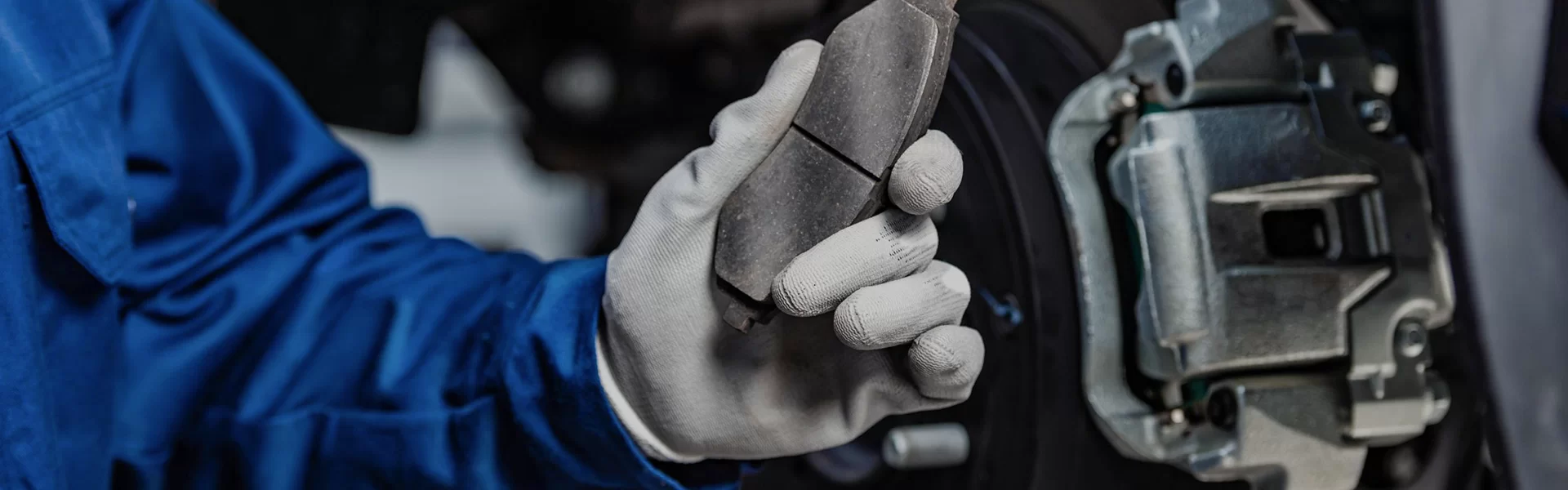
When we talk about metal on metal brake pads, we’re not just diving into automotive tech jargon — we’re venturing into a crucial part of vehicle safety and durability that has ripple effects worldwide. These brake pads, made primarily of metallic components, play a vital role in slowing down vehicles by creating friction between the brake pads and rotors. Given the increasing number of vehicles globally and the relentless need for efficient braking systems, understanding metal on metal brake pads isn’t just for engineers; it’s critical for anyone invested in road safety and transport sustainability.
Why does this matter globally? Well, according to the International Road Federation, over 1.3 million people die annually on roads worldwide, a large percentage due to vehicle malfunction including braking issues. A deep grasp of reliable brake pad technology, such as metal on metal designs, could indirectly save lives and reduce accidents.
Globally, the vehicle population hit roughly 1.4 billion in 2023 and continues to grow, especially in emerging economies. The brake pad industry, valued in billions, is responding to demands for more effective, durable, and cleaner materials. Metallic brake pads are particularly favored for heavy-duty uses, including commercial trucks, motorcycles, and emergency vehicles. But here’s the catch: metal on metal brake pads, while efficient, also bring challenges like noise and wear on rotors, pressing manufacturers to innovate constantly.
ISO standards (ISO 6312-1) outline specific testing for friction materials, cementing the importance of industry-wide benchmarks in safety and performance. The emphasis on sustainability, too, nudges manufacturers toward greener composites, yet metal on metal remains a staple due to its reliability under pressure.
Simply put, metal on metal brake pads are braking components where the friction surface consists predominantly of metal particles—see copper, steel, or iron blends—pressed and bonded onto the brake pad base. When pressed against a spinning rotor, the metal components generate friction that slows the vehicle.
This system contrasts with organic or ceramic pads, which use different materials. Metal on metal pads are renowned for their high durability, heat resistance, and performance in demanding environments, from industrial sites to mountainous roads. They find applications not just in everyday transport but also in humanitarian logistics, where reliable braking can mean the difference between timely aid delivery and disaster.
One of the most praised aspects is their long lifespan. Metal components naturally resist wear better than organic materials, so these pads often outlast their alternatives by significant margins. For vehicles that face continuous heavy loads—think trucks hauling cargo—the durability ensures lower maintenance downtime.
Metallic materials conduct heat quite well, ensuring that the pads resist brake fade, a dangerous reduction in braking power at high temperatures. This makes them suitable for severe braking conditions, such as mountainous regions or heavy industrial zones.
Although sometimes pricier upfront than organic options, their durability translates into fewer pad changes and rotor replacements, helping fleet operators and commercial services lower long-term costs.
Metal on metal brake pads tend to perform best in wet or extreme environments and deliver consistent stopping power. However, the trade-off is often noise and increased rotor wear, so engineers constantly tweak formulations to balance these factors.
This is a complex one. Metals, when ground down with traditional friction, can generate particulate pollutants, so regulatory bodies in Europe and the US are beginning to limit copper content in brake pads. Manufacturers are innovating with low-copper metallic blends to address this.
| Specification | Typical Values |
|---|---|
| Material Composition | Steel, Copper, Iron blends (60-80%) |
| Coefficient of Friction | 0.35 - 0.45 (varies by temp) |
| Operating Temperature | -40°C to 550°C |
| Wear Resistance | High (5-8 times organic pads) |
| Noise Emission | Moderate to High |
| Vendor | Primary Material | Key Strength | Price Range |
|---|---|---|---|
| KyBrake Inc. | Low-copper steel blend | Balanced performance and eco-focus | $$$ |
| AutoFriction Corp. | High copper metallic | Superior heat dissipation | $$ |
| Global Pads Co. | Iron rich composite | Cost-effective for fleets | $ |
Metal on metal brake pads find their home in diverse environments. In Europe and North America, they often serve commercial trucks and fire engines where responsiveness under high stress is mandatory. Oddly enough, in developing regions with rugged terrain and inconsistent road maintenance, these pads are prized for their ruggedness and reliability.
Moreover, humanitarian organizations lean on vehicles fitted with metal on metal brake pads during disaster relief, since in those scenarios, mechanical failure isn’t an option. In mining sites or excavations, where brake pads endure harsh, gritty conditions, their long wear life and temperature toughness are invaluable.
Metal on metal brake pads indirectly contribute to safety and productivity by minimizing vehicle downtime and maintenance — a big deal for logistics and emergency response.
It’s also worth noting that metal pads tend to leave visible signs of wear that mechanics can easily diagnose, which can prevent unexpected failures. This sort of predictability is gold in vehicle maintenance.
Looking ahead, we’re seeing interesting trends: smarter friction materials incorporating nano-additives that further improve heat resistance and reduce wear; integration with electronic braking systems that optimize pad pressure; and, increasingly stringent regulations on brake dust emissions are pushing brands toward eco-friendlier metallic blends.
Automation also plays a role — pads monitored by sensors that warn drivers when replacement is due could become standard. Frankly, the brake pad space may feel niche, but it’s surprisingly dynamic...
Despite their strengths, metallic brake pads can be noisier and sometimes harsher on rotors, leading to more frequent rotor replacement. Also, brake dust generated from metal particles has raised environmental concerns — especially copper.
Manufacturers tackle these by:
Innovators continue balancing durability and safety with environmental and comfort needs — which is no small feat.
Yes, generally metal on metal brake pads produce more squealing due to their harder friction material. However, advances in composite materials have reduced noise significantly over the years. They remain noisier than ceramics but offer superior durability in heavy-duty applications.
Under normal driving conditions, these pads can last anywhere from 40,000 to 70,000 miles, sometimes even longer for commercial or industrial use. Factors such as driving style, road conditions, and maintenance also affect longevity.
While they're suitable for many heavy-duty and performance vehicles, they’re less common on smaller passenger cars that favor ceramic or organic pads for quieter operation and less rotor wear. Always consult vehicle specifications before switching pad types.
Yes, brake dust from metal on metal pads contains fine metal particles, which can be harmful to the environment and health. Regulatory agencies encourage using low-copper formulations and proper brake dust management techniques.
Reliable vendors like KyBrake Inc. offer detailed product info, technical specs, and support for commercial customers. Checking certifications and compliance with ISO standards is also recommended.
In real terms, metal on metal brake pads represent a cornerstone of dependable braking technology that many industries and everyday drivers rely on—even if it’s not always glamorous. Their resilience, heat tolerance, and long lifecycle make them essential, especially in demanding environments where safety cannot be compromised. While challenges like noise and environmental impact persist, ongoing innovation looks promising.
If you’re looking to explore or upgrade your braking systems with durable, reliable metallic brake pads, consider visiting KyBrake Inc. for expertly engineered solutions built on experience and insight.
Takeaway: Sometimes, the best technology is the one quietly working hard behind the scenes, like metal on metal brake pads, safeguarding every journey.