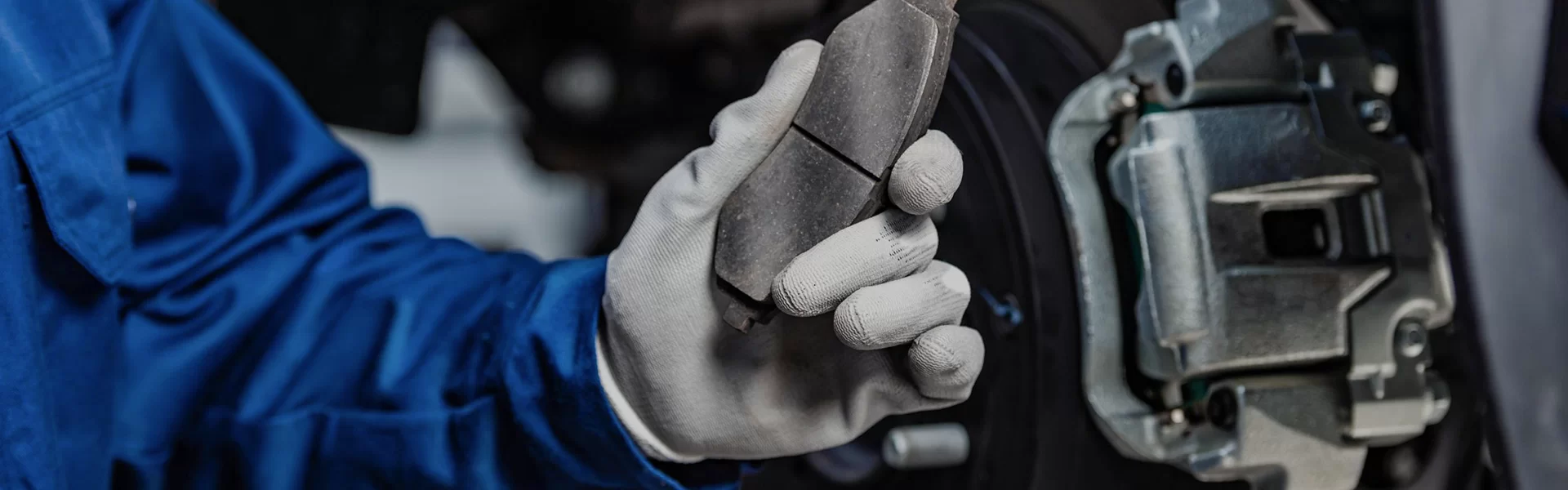
If you've ever wondered what’s behind the solid reliability of your Land Rover Discovery 3, you might not immediately look at the handbrake shoes. Yet, these components quietly do a massive job in vehicle safety and performance. Globally, as vehicles become more advanced and roads more demanding, understanding parts like discovery 3 handbrake shoes becomes crucial. They don't just ensure your parking brake holds—it’s about safety, durability, and often times the simple peace of mind while driving.
On a global scale, the automotive aftermarket is valued at hundreds of billions of dollars, and parts such as handbrake shoes contribute significantly to maintenance demands, safety regulations, and emissions standards globally (source: ISO automotive standards). Knowing these parts inside out helps not only vehicle owners but also workshops, manufacturers, and even those involved in transport logistics.
Mini takeaway: Discovery 3 handbrake shoes might seem niche, but their role in maintaining vehicle safety and performance is anything but.
Vehicles like the Land Rover Discovery 3 are popular worldwide for their off-road prowess and rugged design. Around 2004–2009, this generation marked a shift towards more complex braking systems, introducing integrated handbrake shoe assemblies within the rear disc brakes—a notable evolution from traditional drum handbrakes.
According to the UN Economic Commission for Europe, road safety improvements are a constant challenge, with brake parts playing a frontline role. Problems like uneven wear, corrosion in humid climates, or improper installation can compromise safety — a headache for drivers worldwide.
Discovery 3 handbrake shoes address these by offering reliable friction material and a precise fit tailored specifically to this model’s innovative parking brake system.
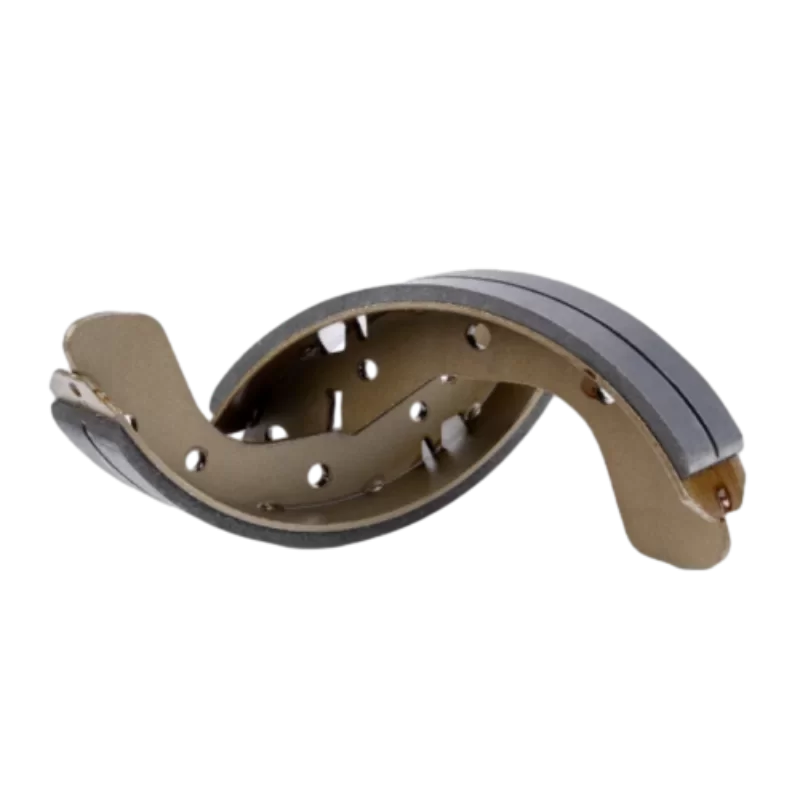
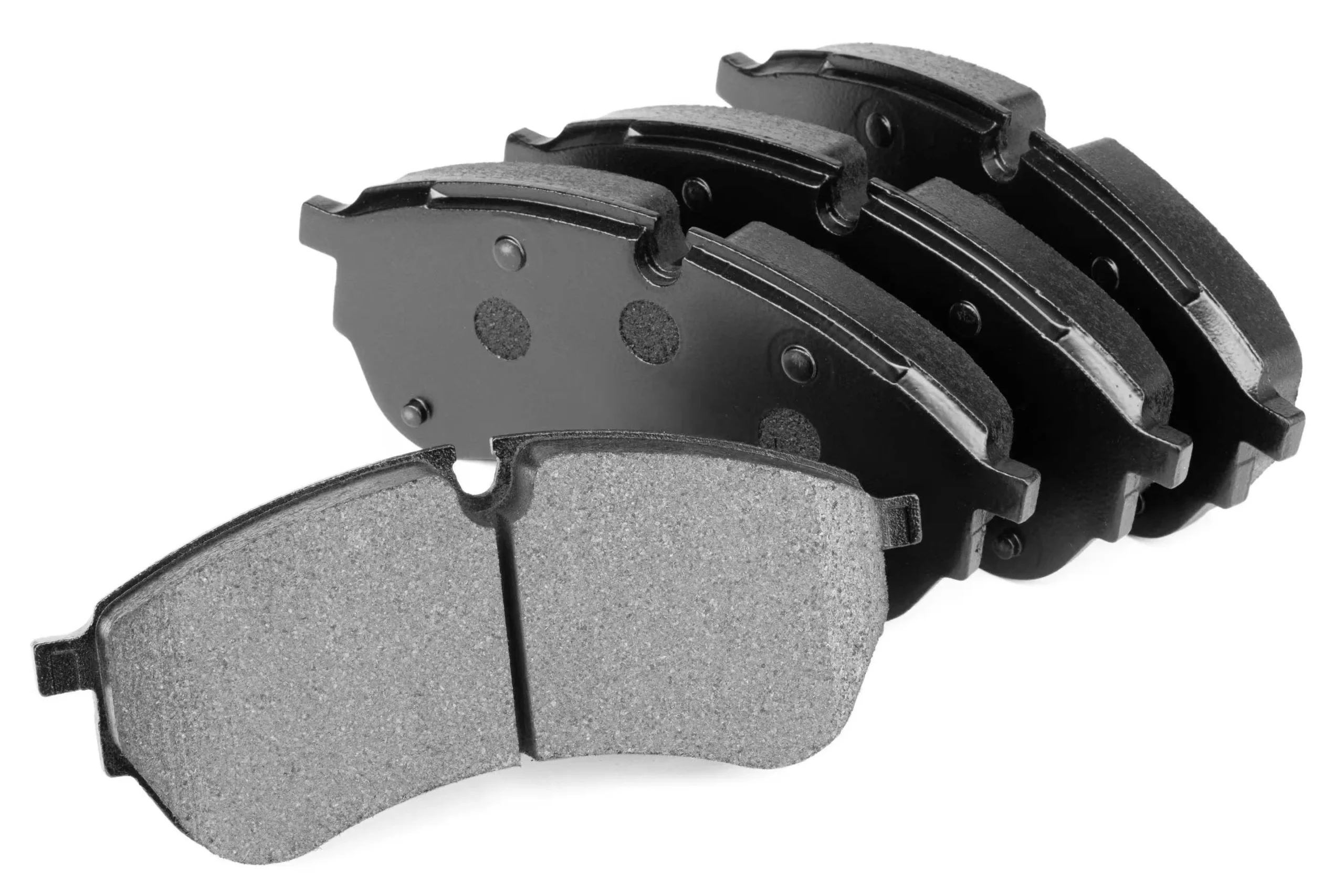
Simply put, handbrake shoes in a Discovery 3 are the internal pads that press against the rear brake discs’ inner drum surface to hold your vehicle stationary when parked. Unlike regular brake pads that clamp the disc from outside to slow a moving vehicle, handbrake shoes act mechanically through a lever system, engaging only when you pull the handbrake lever.
In modern automotive engineering, these shoes are made from composite friction materials designed to last long, resist heat, and prevent noise. The discovery 3 handbrake shoes are specifically crafted to fit the rear disc brake assembly unique to this model, representing the fusion of old drum-technology within disc brakes — a neat, if somewhat complex, solution.
Mini takeaway: Discovery 3 handbrake shoes might look like simple pads, but they’re a precise piece of engineering balancing mechanics and friction technology.
Many engineers note the importance of durability—these shoes need to withstand repeated mechanical stress and environmental wear. Discovery 3 shoes use semi-metallic or organic composites that are corrosion resistant, allowing long-term usage, especially in wet or dusty conditions.
Friction materials have evolved, with manufacturers now employing blends of resin, fibers, and metals to optimize performance. This prevents fade (loss of grip under heat) and reduces brake dust, which is sort of a nuisance for both cleanliness and safety.
The exact fitment to Discovery 3 models ensures the handbrake shoes engage evenly. Poor fitment can cause uneven wear or reduced braking efficiency, which boosts maintenance costs down the line.
While original equipment can be pricier, many aftermarket options aim for an affordable balance without sacrificing quality. It’s not just about price — smart buyers look at longevity and performance first.
These shoes require specific tools and know-how for installation, which matters both for professional mechanics and DIY enthusiasts. Incorrect installations might lead to noisy brakes or ineffective parking brakes.
| Specification | Detail |
|---|---|
| Compatibility | Land Rover Discovery 3 (2004-2009) |
| Material Composition | Semi-metallic composite friction material |
| Thickness | Approx. 12mm new |
| Corrosion Resistance | High, coated steel backing plates |
| Estimated Lifespan | 40,000-60,000 miles under normal use |
These handbrake shoes find use mostly in private and commercial Land Rover Discovery 3 vehicles globally—popular in Europe, North America, Australia, and parts of Asia. Off-road enthusiasts prize this model’s braking system for its robustness on challenging terrains.
Oddly enough, in cold climates of Scandinavia, these shoes often face severe corrosion challenges due to salt use on winter roads. Workshops there recommend frequent checks and replacement with corrosion-resistant models. Meanwhile, in urban areas with stop-start traffic, wear patterns differ, pushing for premium friction material.
In real-world applications: operators running fleet SUV rentals in ski resorts must maintain their handbrake shoes diligently to prevent accidents on slopes. Remote repair shops also stock specialized parts like these to keep older vehicles running safely.
Frankly, there’s a quiet satisfaction in knowing a modest component like a handbrake shoe can significantly contribute to the overall driving experience, supporting trust between vehicle and driver.
Looking ahead, materials science is pushing toward eco-friendly friction materials, reducing heavy metals and employing bio-based resins. Digital diagnostics might soon monitor shoe wear automatically, alerting drivers before failure — a kind of smart maintenance that’s creeping into all automotive subsystems.
Also, with electric vehicles becoming more mainstream, the traditional handbrake shoe might evolve further, integrating with electronic parking brake (EPB) systems, though for Discovery 3 and similar models, the tried-and-true mechanical shoes remain relevant.
One common challenge is uneven wear, often caused by sticky mechanisms or poor fit. Many workshops recommend regular greasing of levers and regular inspections during routine services.
Another issue users face is sourcing authentic parts—counterfeit or low-quality handbrake shoes can compromise safety. Engaging reputable vendors, or official suppliers, reduces risk noticeably.
| Vendor | Quality | Price Range | Warranty | Notes |
|---|---|---|---|---|
| Land Rover OEM | ★★★★★ | High | 2 years | Guaranteed fit and performance |
| KY Brake Pads | ★★★★☆ | Moderate | 1 year | Good corrosion resistance |
| Generic Aftermarket | ★★★☆☆ | Low | 6 months | Variable quality and fit |
On average, these shoes last between 40,000 and 60,000 miles, but regular checks are recommended every 15,000 miles or during brake servicing to catch wear early.
While possible for experienced DIYers with the right tools, installation is somewhat complex and precise; often a professional mechanic is advised to ensure safety and correct setup.
Indicators include reduced handbrake holding power, unusual noises when engaging the brake, or visible wear on inspection. Also, if the handbrake lever travels unusually far, it's time to check the shoes.
Many quality aftermarket brands offer reliable products with good warranties; however, it pays to choose reputable vendors to avoid premature wear or fitment issues.
Exploring KY Brake Pads’ discovery 3 handbrake shoes is a great place to start your parts search.
The humble discovery 3 handbrake shoes embody a unique blend of material science, precise engineering, and practical application that quietly safeguards millions of drivers worldwide. Their long-term value lies not just in stopping power but in trust, reliability, and peace of mind.
If you want your Land Rover Discovery 3 to hold firm on slopes, retain value, and stay safe, considering quality handbrake shoes isn’t optional — it’s essential. For reliable parts and expert advice, visit https://www.kybrakepad.com and explore options designed for your vehicle.
And honestly, it’s those small components that quietly keep our journeys safe and smooth. Sometimes worth a little extra attention.