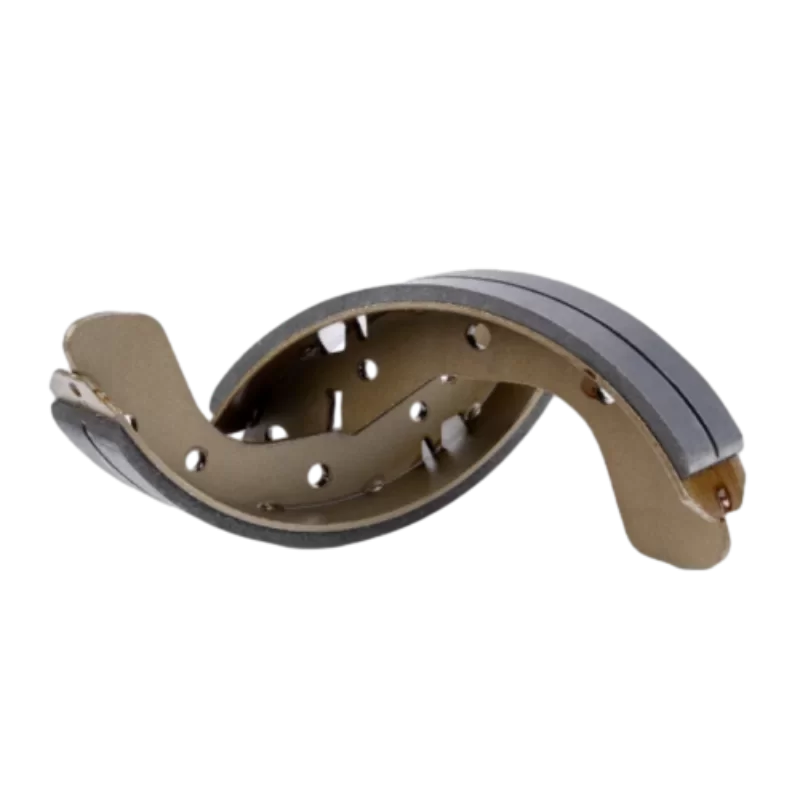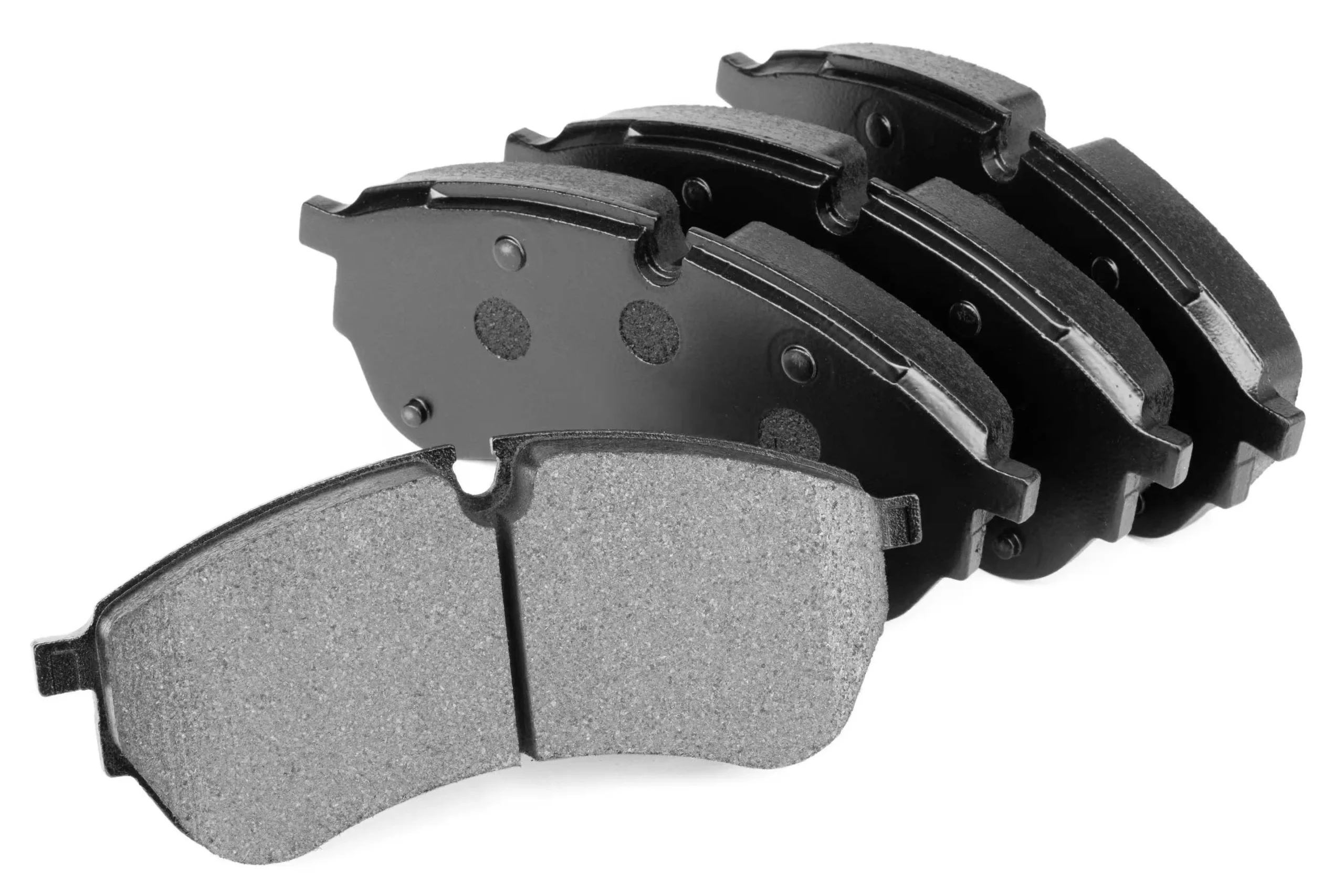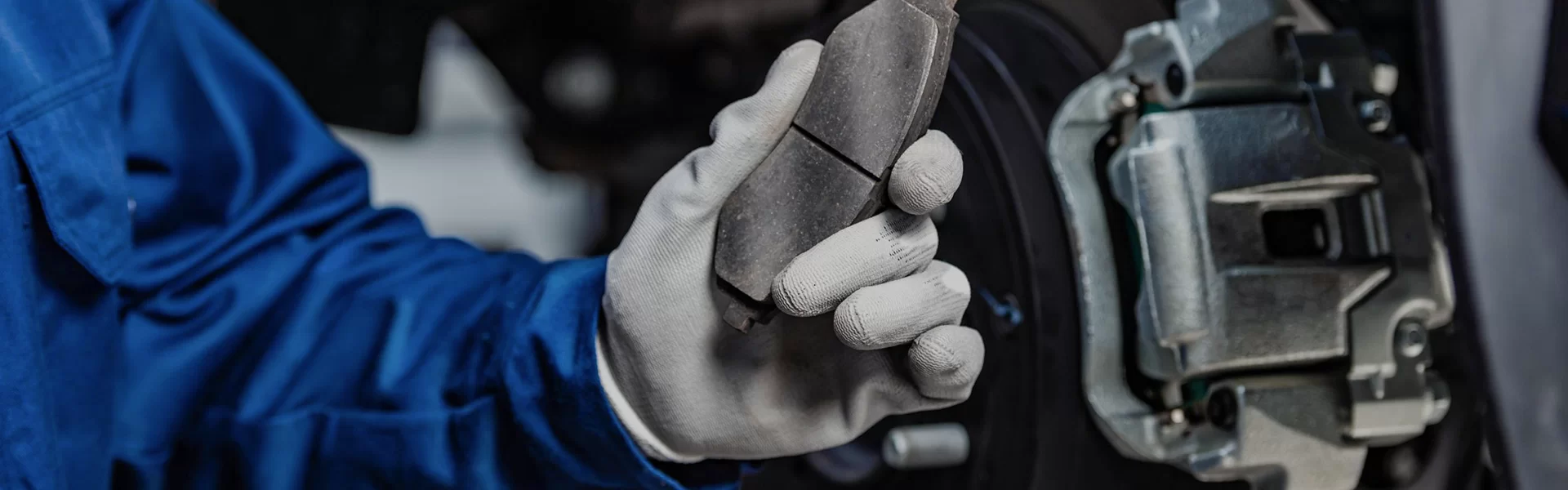
If you've ever seen a car slow down or stop with the kind of precision that feels almost magical, you’ve witnessed the power of friction tech brake shoe technology in action. These squeaky heroes in automotive and industrial braking solutions do more than stop wheels — they ensure safety, performance, and reliability across countless applications worldwide. Understanding how friction tech brake shoes operate and why the latest innovations matter isn’t just for gearheads or engineers. It’s for anyone interested in real-world tech that literally keeps the world moving without grinding to a halt.
Globally, transport and industrial sectors are booming. According to the International Organization for Standardization (ISO), transportation safety standards have improved steadily, largely due to advances in braking technologies. Yet, braking systems remain a major factor in accident prevention worldwide — with road traffic crashes causing over 1.3 million deaths every year (WHO, 2023). So, the friction tech brake shoe, the core interface responsible for converting kinetic energy into heat and safely slowing down machines, plays a critical role in life-saving safety measures.
What’s more, in industries like rail, mining, and heavy machinery, robust friction materials help equipment withstand harsh environments — often in developing nations or disaster-prone areas where maintenance resources are scarce. The challenge? Developing brake shoes that last longer, perform better in wet or muddy conditions, and reduce waste from wear and tear.
Friction tech brake shoes aren’t just components; they’re global safety agents embedded in everyday motion — essential for sustainability, security, and performance in industries large and small.
Simply put, a friction tech brake shoe is a component attached to the brake system that presses against the brake drum or rotor to create friction, reducing speed or bringing an object to a stop. But beyond the simple definition lies a world of high-performance materials, from semi-metallic compounds to ceramics, engineered to optimize how friction converts mechanical energy into heat while minimizing wear.
In modern industry, these elements are absolutely crucial. Whether in heavy-duty trucks, passenger vehicles, or industrial cranes, friction tech brake shoes are designed to meet exacting standards of durability, safety, and environmental responsibility. Even humanitarian efforts — like delivering aid in remote areas — depend on machinery equipped with reliable braking systems to protect operators and cargo alike.
The hallmark of a good friction tech brake shoe is its ability to endure intense friction without degrading quickly. Many manufacturers now use Kevlar-infused or ceramic-based linings, which resist glazing and cracking, allowing longer intervals between replacements.
Friction produces heat, and if not properly managed, this can reduce braking efficiency or even damage components. Advanced brake shoes incorporate materials and design features that dissipate heat rapidly — sometimes through specialized vents or compounds — preventing fade during prolonged braking.
Traditional brake shoes often contained asbestos, a known health hazard. Modern friction tech brake shoes utilize non-toxic composites that meet ISO standards for environmental safety, reducing pollution and worker exposure risks.
Besides performance, engineers continually tackle brake noise and vibration. Smooth braking feels safer and more comfortable, so many shoes incorporate sound-damping layers or optimized surface textures.
Of course, businesses want reliable brake shoes that won’t break the bank. Manufacturers balance premium materials with scalable production to offer competitive prices without sacrificing quality.
The friction tech brake shoe is a delicate dance of materials science, design, and cost, all orchestrated toward safer, lasting performance.
From bustling city metros in Asia to remote mining operations in Africa, friction tech brake shoes are everywhere — quietly doing their job. For instance:
The friction tech brake shoe is a universal component, adaptable across continents and industries, proving essential in diverse operational theaters.
Switching to advanced friction tech brake shoes means more than just improved braking. The benefits are multifaceted:
Emotionally, knowing your brakes won’t fail under pressure is reassuring — in many ways, it's the silent guardian of every journey.
| Specification | Typical Value | Notes |
|---|---|---|
| Material Composition | Semi-metallic with Kevlar fiber | Balancing durability & noise control |
| Coefficient of Friction (dry) | 0.35 - 0.45 | Stable under normal conditions |
| Maximum Operating Temperature | 500°C | Heat resistance prevents brake fade |
| Average Lifespan | 30,000 - 50,000 km | Depends on usage & environment |
| Environmental Compliance | ISO 14001 Certified Materials | Non-asbestos, low pollutant emission |
| Vendor | Material Types | Average Price Range | Key Strength | Availability |
|---|---|---|---|---|
| KyoBrake Technologies | Semi-metallic, Ceramic | $50 - $120/unit | Innovative composites & worldwide support | Global distribution, OEM partnerships |
| BrakeMaster Corp. | Organic, Semi-metallic | $40 - $90/unit | Competitive pricing & rapid prototyping | North America & Europe focused |
| EcoStop Industries | Ceramic, Non-asbestos organic | $60 - $130/unit | Eco-friendly manufacturing and recycling | Asia-Pacific & select global markets |
Looking into the horizon, friction tech brake shoes are evolving alongside advances in material science and smart manufacturing (think AI-driven testing and digital twins). Some trends to watch:
Not all brakes are created equal. Common challenges include:
Experts suggest modular brake shoe designs, adaptable for different environments, plus collaborations with local partners to meet compliance efficiently. Continued innovation in composite materials also remains key.
All things considered, investing in advanced friction tech brake shoes means embracing safer journeys, greater durability, and a smaller environmental footprint. Whether you’re managing a fleet, upgrading machinery, or simply curious about how your brakes stay dependable, understanding this technology unlocks appreciation for what often goes unnoticed — but never ignored when it matters most.
For those looking to dive deeper or explore purchasing options, visit https://www.kybrakepad.com for comprehensive info and product inquiries. Because when it comes to brakes, you can never be too safe or too informed.