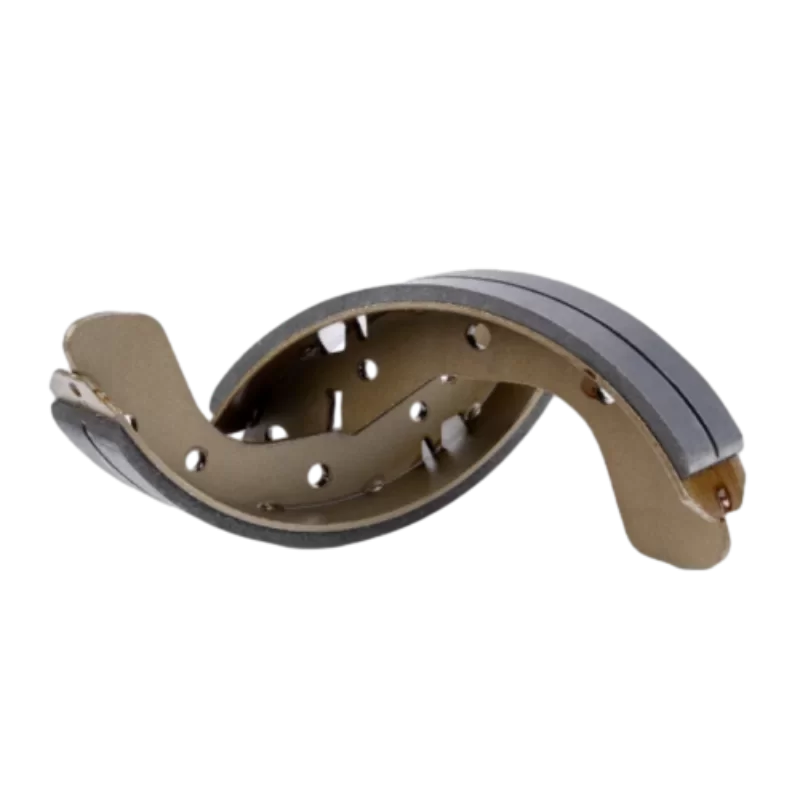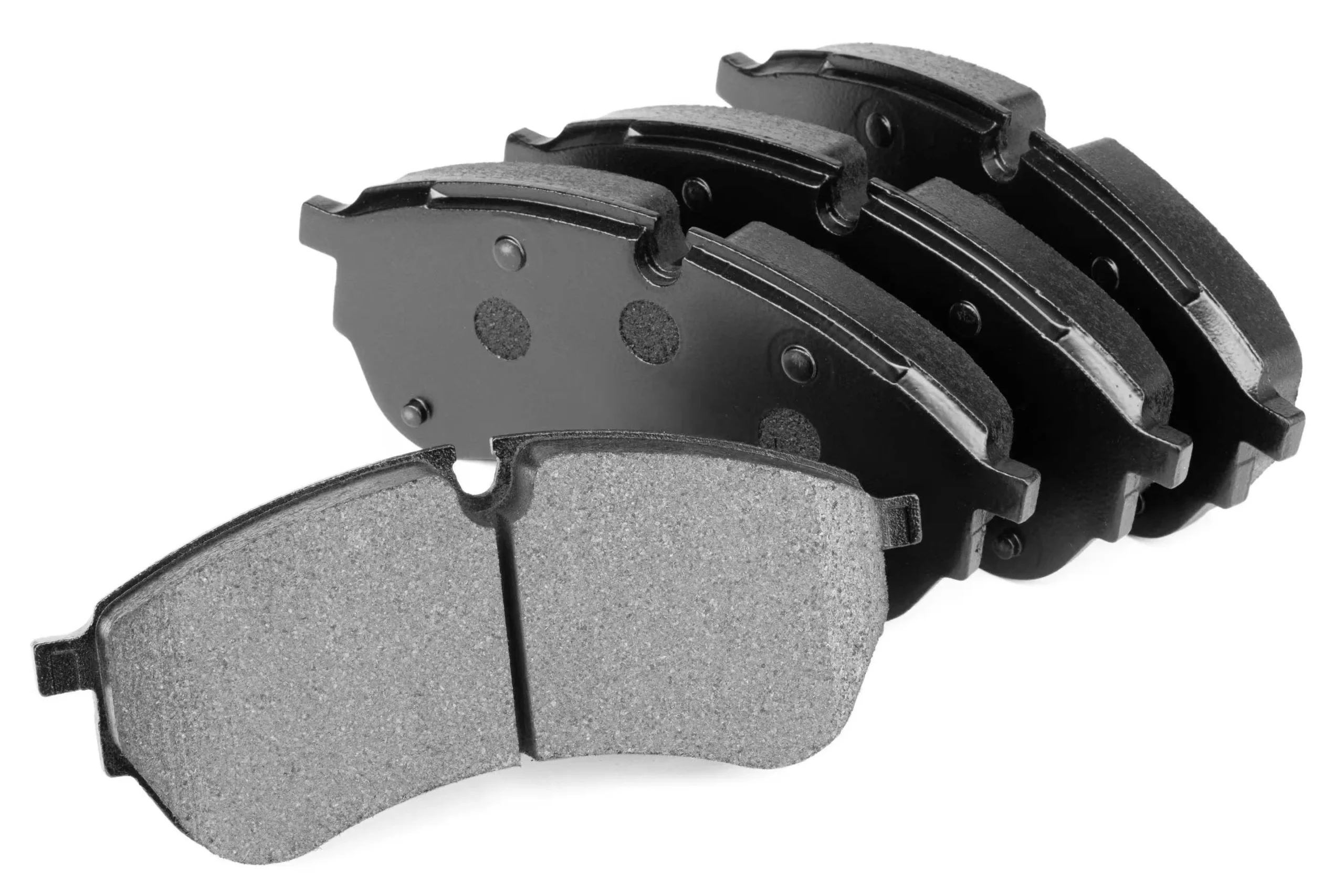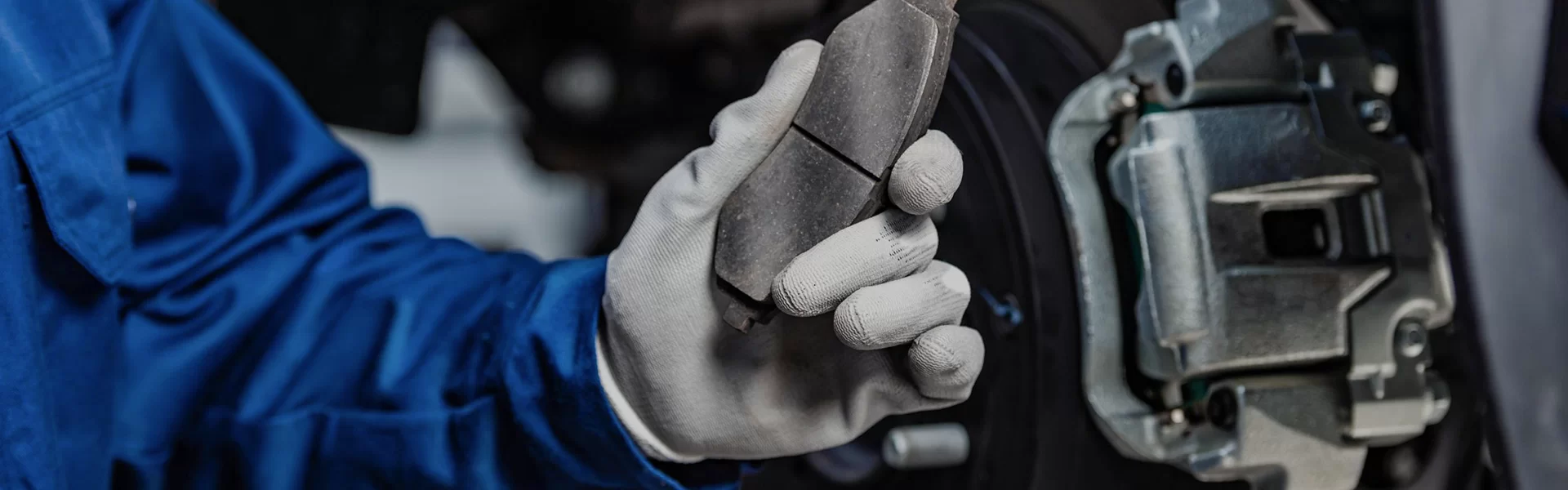
Full metallic brake pads are essentially the heavyweight champions of vehicle braking systems. Crafted mostly from metal alloys, these brake pads offer unbeatable durability and heat resistance compared to organic or ceramic pads. This makes them hugely important for industries and regions where vehicular safety under harsh conditions is critical—think commercial trucks hauling heavy loads, or emergency vehicles navigating treacherous terrain.
Understanding full metallic brake pads means diving into a niche but vital aspect of global transport safety and efficiency. From the snow-covered slopes of Scandinavia to the dusty highways of Africa, vehicles demand brake pads that don’t quickly wear out or fade in performance. Frankly, as the volume of global freight and passenger vehicles grows, the role of reliable brake pads becomes only more urgent.
Mini takeaway: Full metallic brake pads are essential for ensuring safety and vehicle performance worldwide, especially under tough operating conditions.
Globally, the transport sector accounts for roughly 25% of energy-related CO2 emissions (IEA, 2023). As economies grow, especially in emerging markets, heavy-duty transport increases, challenging brake performance. Data from the World Bank suggests that international freight traffic could double by 2050, pushing brakes to their limits.
Yet, a problem persists: standard brake pads (often organic or semi-metallic) tend to wear out quickly or fail in extreme conditions, risking accidents and costly downtime. Full metallic brake pads are a crucial answer, offering longevity and safety in climates ranging from scorching deserts to freezing tundras.
Mini takeaway: The expanding transport sector’s sustainability and safety needs make full metallic brake pads a critical solution on a global scale.
Simply put, full metallic brake pads consist predominantly of metals (steel, copper, iron, sometimes with small amounts of graphite or other additives) pressed and bonded into a pad surface that contacts the brake rotor. Unlike semi-metallic or organic variants, these contain little to no non-metallic materials.
This construction means they excel in heat dissipation and mechanical durability, which is why they’re preferred in industries with tough operational demands—like mining, heavy trucking, and emergency response. They are also favored by enthusiasts who push high-performance vehicles beyond normal limits.
Mini takeaway: Full metallic brake pads stand out by virtue of their metal-only composition, giving unmatched robustness and heat tolerance.
Mini takeaway: Their unique metal makeup makes full metallic brake pads durable, consistent, and ultimately cost-efficient — though not without minor trade-offs.
| Specification | Typical Range | Comments |
|---|---|---|
| Material Composition | ~70-90% Metals (steel, copper, iron) | Varies by manufacturer for optimized friction & wear |
| Operating Temperature | Up to 700°C (1300°F) | Higher heat tolerance than organic pads |
| Average Lifespan | 50,000 - 70,000 miles | Depends on driving conditions and maintenance |
| Dust Emission | Moderate to High | Improved formulations reducing dust now available |
| Noise Level | Medium | Can produce squeal but less so with proper bedding |
Full metallic brake pads find their place in sectors where reliability is non-negotiable. In the mining industry of Australia, trucks carrying massive loads rely on these pads to maintain braking power on steep declines. Similarly, emergency responders in mountainous regions of Europe trust fully metallic pads to perform consistently during frequent stops.
In developing regions, some heavy goods vehicles traverse long, unpaved roads where durability is critical. Here, rather than changing brake pads frequently, operators choose full metallic options to maximize uptime. Even in post-disaster relief operations—where vehicles must navigate debris and unstable roads—these pads offer a safer braking solution.
Interestingly, motorsport teams often use specialized metallic brake pads where heat tolerance and performance outweigh comfort considerations like noise.
Mini takeaway: From industrial giants to emergency fleets, full metallic brake pads support safety and reliability in diverse, demanding environments worldwide.
| Vendor | Metal Composition | Typical Applications | Unique Selling Point |
|---|---|---|---|
| KyBrakePad | 80% steel alloys with copper blend | Heavy-duty trucking, industrial vehicles | Optimized wear resistance & heat dissipation |
| BrakeTech Solutions | Mixed iron-copper matrix | Mining, off-road vehicles | Superior braking at high temps |
| GlobalBrake Inc. | High-grade steel with graphite additives | Emergency services, racing | Noise-reducing tech |
The first thing many fleet managers notice is the savings on replacements. Because of their robust metal core, full metallic brake pads can last significantly longer than conventional pads — sometimes 1.5 to 2 times the lifespan. This reduces maintenance costs and vehicle downtime.
Then there's safety. Vehicles equipped with these pads show more consistent braking even in severe heat or adverse weather—something that can literally save lives. On a social level, that trust fosters confidence in public transport, emergency services, and heavy freight logistics.
From an environmental perspective, full metallic brake pads can be recycled more effectively than organic pads, which often contain harmful binders. Their manufacturing has improved with greener materials, aligning somewhat with industry sustainability policies (ISO 14001 Environmental Management).
Mini takeaway: Full metallic brake pads save money and lives while supporting sustainability, making them a smart, long-term investment.
The brake pad industry is evolving. Researchers pursue even harder, more heat-resistant alloys that reduce dust and noise—oddly enough, sometimes by tweaking graphite or carbon additives within metal matrices. Digital manufacturing allows for closer quality control and customized pad geometry, enhancing performance for specific vehicle models.
Moreover, with the shift toward electric and hybrid vehicles, braking systems use regenerative technology more, but friction brakes like full metallic pads will remain vital for safety redundancy. Expect environmental regulations to push vendors toward even cleaner production processes and recycled content.
One hurdle is that full metallic brake pads can be noisier and produce more dust than organic types, which some drivers dislike. Engineers are addressing this by modifying surface textures and integrating noise-dampening backing plates.
Another challenge: cost. These pads are pricier upfront. Still, many fleet operators see the higher purchase price as an investment—especially when considering reduced labor and replacement frequency.
In real terms, full metallic brake pads represent a practical blend of durability, safety, and cost efficiency crucial to the world’s growing transport demands. They’re an investment into safer roadways and less downtime for industries that rely heavily on reliable braking performance.
If you want to explore high-quality full metallic brake pads tailored to your needs, visit our website: full metallic brake pads.
It’s strange how something as seemingly simple as brake pads carries so much weight—literally and figuratively—in the grand scheme of global transport. But that’s why I suppose we should pay attention to these unsung heroes.
Quick takeaway: In an evolving transport landscape, full metallic brake pads stand strong as a durable and dependable choice.