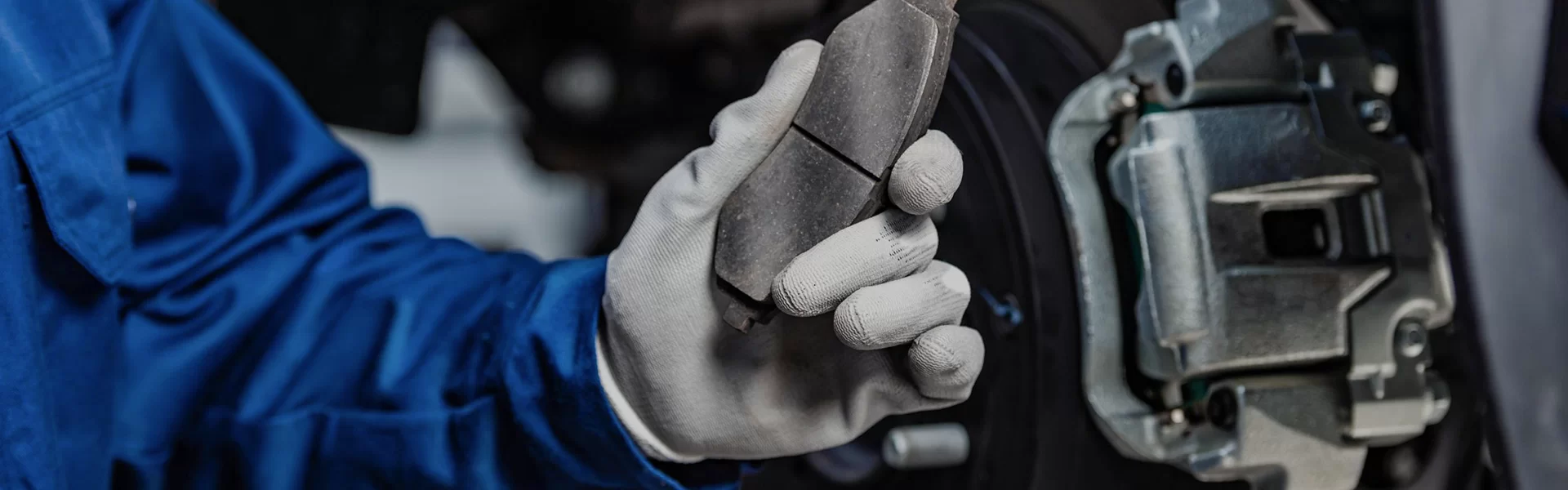
The omni brake pad might not be a household term, but its significance in today's automotive and industrial braking systems is huge. As we aim for safer, more reliable, and eco-friendly transportation worldwide, understanding such components matters deeply—not only to engineers but to anyone invested in vehicle safety and efficiency. At its core, the omni brake pad enhances braking performance across various conditions, making global transport safer and more sustainable.
Globally, road safety is a critical concern. According to the World Health Organization, approximately 1.3 million people die annually from road traffic crashes. Brake system reliability plays a crucial role in reducing these statistics. Enter the omni brake pad—a product designed to improve braking efficiency regardless of terrain, weather, or load. With increasing urbanization and transport demands, parts like these are ever more crucial. Automakers, fleet operators, and public transport systems worldwide rely on trusted brake pads to ensure safety and operational uptime.
Incidentally, the global brake pads market is projected to grow steadily, according to Statista, driven by stricter emission norms and the growth of electric vehicles. The omni brake pad’s adaptability makes it a key player in this evolving scenario.
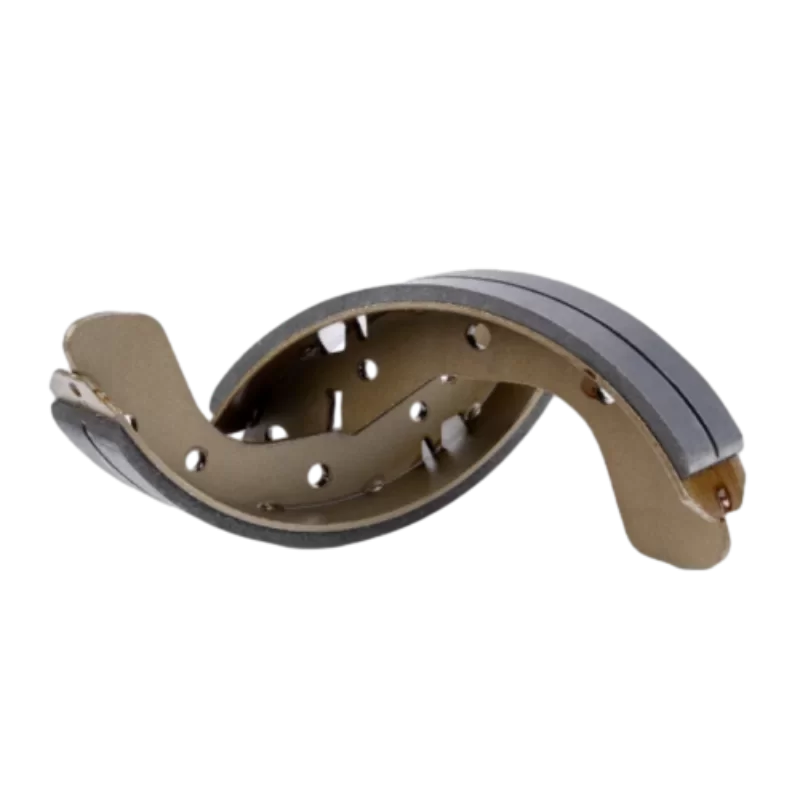
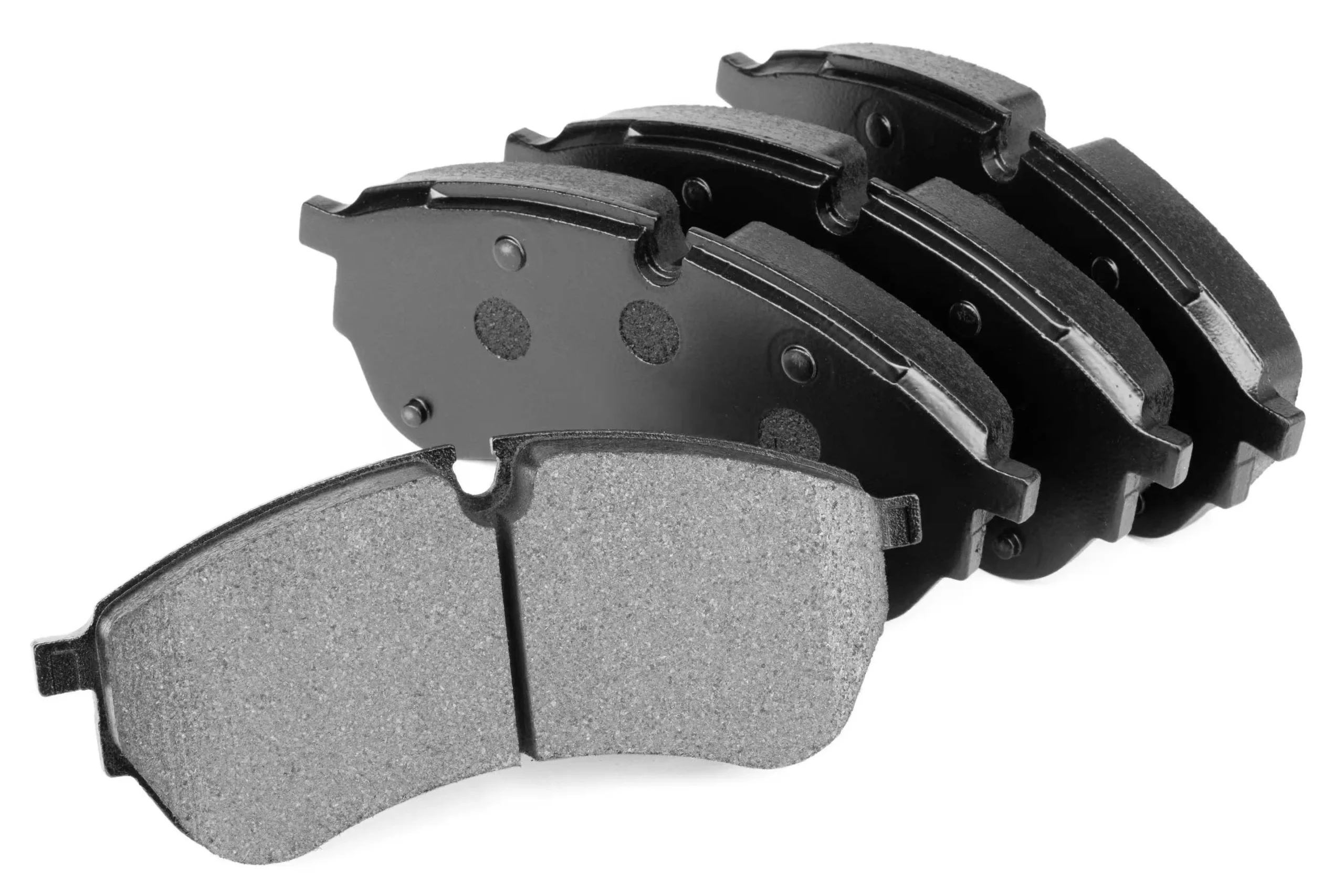
Simply put, an omni brake pad is a versatile friction material pressed against a rotor or drum to slow or stop vehicle movement. The "omni" prefix hints at its all-encompassing compatibility with different vehicles and driving conditions. Unlike traditional brake pads that may specialize in certain environments (like dry or wet), omni brake pads work reliably across a spectrum of uses.
In industrial terms, this means fewer part swaps, reduced inventory complexity, and greater operational resilience—key benefits across transportation, logistics, and even humanitarian missions where vehicle reliability can be life-saving.
Omni brake pads optimize composite materials and binding agents to resist wear and tear. Many engineers point out that longevity isn't just about lasting miles; it's about maintaining braking power consistently over time.
Heat generated during braking can degrade performance. Omni pads often incorporate ceramic or semi-metallic compounds to handle higher temperatures without fading—a must for heavy vehicles or mountainous terrains.
Oddly enough, the upfront cost might be slightly higher, but longer life and reduced rotor wear make omni pads economically sensible. For fleet managers, these savings add up fast.
Manufacturers are moving toward low-metallic or organic materials to reduce toxic dust and environmental impact. The omni brake pad category increasingly reflects this trend, aligning with stricter ISO 14001 environmental standards.
Because braking is as much about comfort as safety, omni brake pads include noise dampers and optimized surface textures. This reduces squeal and vibration, enhancing the driver experience.
| Specification | Typical Range |
|---|---|
| Friction Coefficient (μ) | 0.35 - 0.45 |
| Operating Temperature | -40°C to 600°C |
| Material Composition | Semi-metallic / Ceramic / Organic blends |
| Wear Rate | 0.10 - 0.15 mm per 1,000 km |
| Noise Level | < 60 dB during operation |
Mini Takeaway: The omni brake pad combines durability, heat resistance, and environmental consciousness in a single versatile package—making it a wise choice for diverse applications.
Omni brake pads find their home globally, from the congested streets of Asia’s megacities to the rugged highways of South America. Public transport fleets in Europe favor the reliability and sustainability of these pads, while mining industries in Australia appreciate their thermal tolerance during heavy braking.
For example, in post-disaster relief operations—where vehicles must be ready-to-go regardless of terrain or weather—the omni brake pad ensures reliable deceleration and safety under strenuous conditions. Likewise, remote industrial zones benefit from their long lifecycle, reducing downtime for brake maintenance.
| Vendor | Material Type | Price Range (USD) | Eco-friendliness | Warranty |
|---|---|---|---|---|
| Brakely Advanced | Ceramic | 50 - 70 | High (Low dust) | 2 years |
| SafeStop Omni | Semi-metallic | 40 - 60 | Medium | 1.5 years |
| EcoBrake Solutions | Organic | 35 - 55 | Very High (Biodegradable) | 1 year |
Mini Takeaway: Choosing an omni brake pad vendor involves balancing cost, material technology, and environmental impact—knowing your priorities is key.
Cost savings are obvious but what stands out are the social and environmental benefits. Users report increased confidence in braking safety; fleets experience fewer stops for maintenance. The reduction in harmful dust emissions also aligns well with global sustainability goals like the UN’s Sustainable Development Goal 11 on sustainable cities.
Plus, there’s that peace of mind. Knowing your brakes respond predictably, no matter the conditions, reduces stress for drivers and helps protect communities—something not easy to quantify but deeply felt.
The omni brake pad market is embracing cutting-edge tech: smart sensors that monitor wear in real time, bio-based friction materials, and cleaner manufacturing processes. Digitally connected vehicles soon might report brake pad health before a driver even notices—talk about proactive safety.
As electric and autonomous vehicles become mainstream, brake pads will adapt again, integrating regenerative braking compatibility and specialized compounds suited for reduced wear in these systems.
Of course, no product is perfect yet. Challenges remain around balancing maximum durability with cost and eco-friendliness. Some semi-metallic pads wear rotors faster, while organic pads sometimes lack peak performance under heavy loads.
However, research and development pushes these boundaries daily. Collaboration between material scientists and the automotive industry yields new blends and manufacturing techniques, so consumers get safer, greener products continuously.
To sum up, the omni brake pad stands as a quietly vital component in our ever-moving world. Its blend of durability, safety, and eco-awareness not only bolsters vehicle performance but also supports broader goals of sustainability and human wellbeing. For those looking to upgrade or specify brake parts, the omni brake pad offers a compelling option.
If you’re curious to learn more or source high-quality omni brake pads, I suggest visiting https://www.kybrakepad.com—trusted experts in the field.
Final thought: As vehicles evolve, so too must their braking systems—and the omni brake pad is already ahead of the curve, ready to meet tomorrow’s roads.