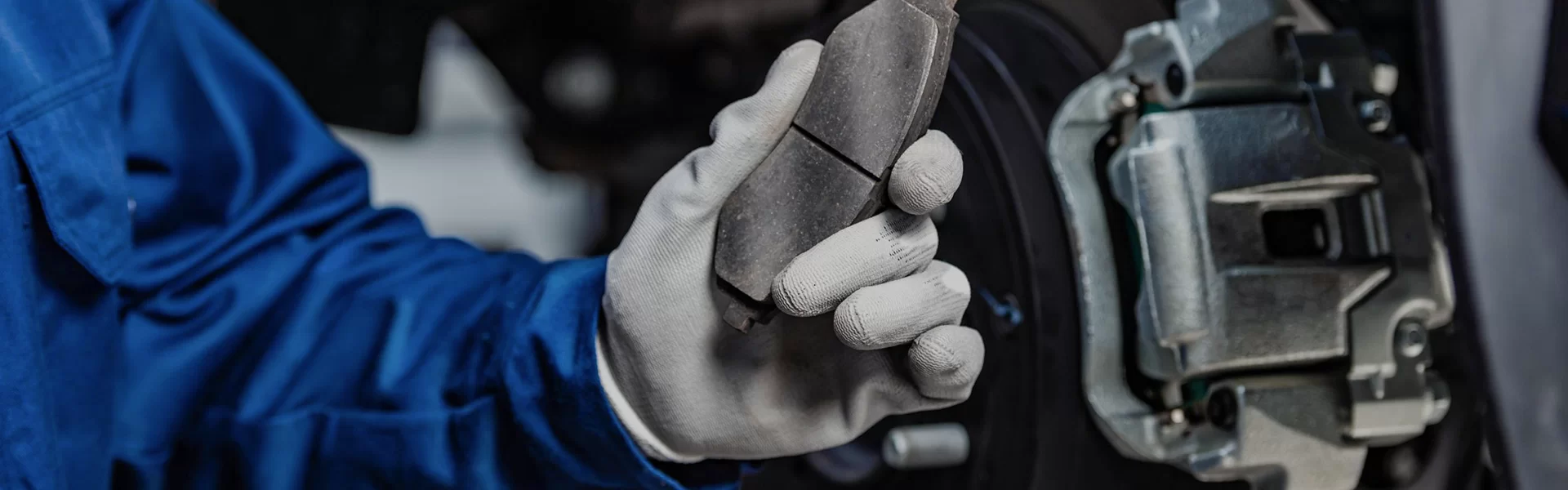
When talking about international prostar brake shoes, it might sound niche or even a bit technical if you're not from the transportation or heavy equipment world. But frankly, these components matter a lot more globally than you might guess. Vehicles worldwide—from long-haul trucks in North America to industrial fleet vehicles in Asia—depend heavily on quality brake shoes for safety and efficiency. Understanding what sets these brake shoes apart helps fleet managers, engineers, and even suppliers make better decisions that impact safety, maintenance costs, and vehicle downtime.
On a global scale, braking systems are crucial. According to the International Organization for Standardization (ISO), transportation safety standards emphasize reliable braking components to reduce road accidents, especially in freight transport. In an era where supply chains are more complex and fleets travel longer distances, the quality of something as seemingly simple as brake shoes can't be overlooked.
Mini takeaway: International Prostar brake shoes don't just stop wheels—they play a vital role in worldwide transport safety and reliability.
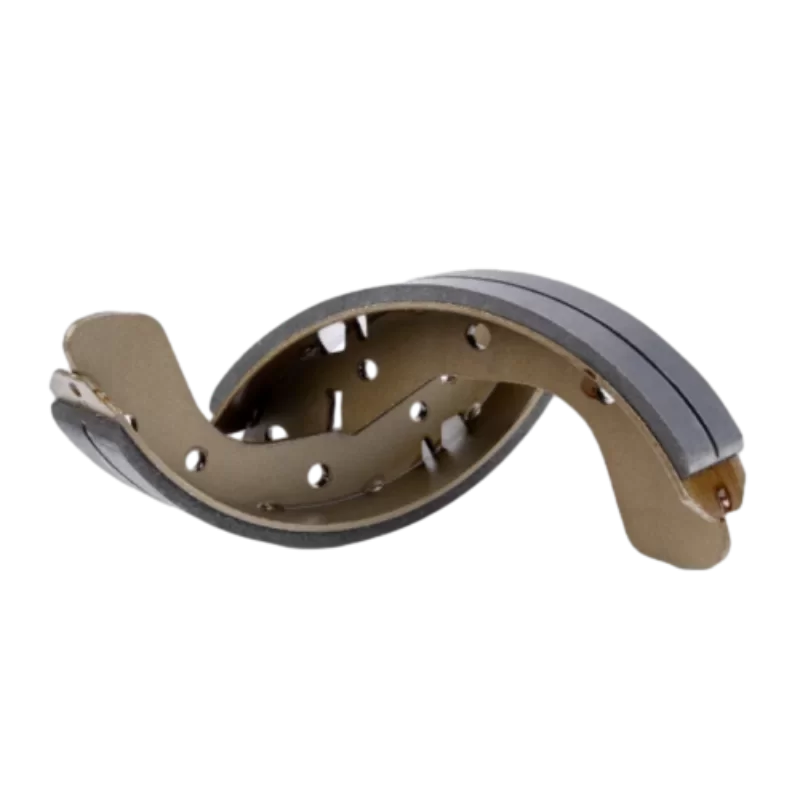
Put simply, international prostar brake shoes are the curved friction components that press against a brake drum to slow or stop heavy vehicles, particularly trucks and trailers. The "Prostar" name ties back to a series of heavy-duty trucks known for their innovation and durability, which means these brake shoes must meet high standards of performance and endurance. They’re crafted from specialized friction materials designed to withstand heat, wear, and environmental stresses.
In practical terms, these brake shoes are pivotal for everything from ensuring safe stops on mountainous highways to reliable braking in demanding industrial settings. This specialized part links engineering precision to real-world safety — which is why their quality and sourcing matter globally.
Mini takeaway: They might be small, but international prostar brake shoes are a critical safety link on heavy trucks worldwide.
Mini takeaway: The combination of durability, heat management, and cost-efficiency shapes what makes these brake shoes suited for the global trucking industry.
These brake shoes don’t just live in factories—they're out on the roads, highways, and off-road zones across continents. For instance, in North America, the Prostar trucks fitted with these brake shoes haul massive loads across states where highway safety is paramount. Meanwhile, in parts of Europe and Asia, fleets utilize these components in logistics hubs and even remote industrial zones where consistent performance prevents costly delays.
Oddly enough, some humanitarian organizations operating relief convoys in disaster-stricken areas also rely on these brake shoes’ reliability. When delivering aid in rugged terrain, dependable braking can mean the difference between safe passage and logistical setbacks.
| Attribute | Specification |
|---|---|
| Material | Semi-metallic composite with ceramic fibers |
| Operating Temperature | Up to 550°C (1022°F) |
| Friction Coefficient | 0.35 – 0.42 |
| Average Lifespan | 45,000 - 60,000 miles |
| Compliance | ISO 9001, ECE R90 |
The benefits of investing in international prostar brake shoes go beyond the obvious. There's safety—that priceless, emotional reassurance that drivers and fleet operators carry daily. But also, the economics matter. Reliable brake shoes cut down maintenance costs and minimize vehicle downtime, which translates to fewer disruptions in logistics chains.
From a sustainability perspective, better brake shoe materials produce less dust and waste over time, contributing to cleaner operations. So there’s a social impact too, particularly in cities where air quality and noise pollution from trucks are growing concerns.
Many fleet managers I spoke to appreciate that innovation increases trust—not just trust in the equipment but in the whole business relationship. It’s not just about parts; it’s about ensuring journeys end safely, economically, and with dignity.
“Using high-quality brake shoes on our international Prostar trucks reduced unexpected repairs and improved our delivery times noticeably,” said one logistics manager in Canada.
Looking ahead, brake shoes will likely embrace more eco-conscious materials—bio-based resins and advanced composites that can be recycled more efficiently. Digital transformation plays a role too: emerging smart braking systems equipped with sensors could monitor brake shoe wear in real time, assisting predictive maintenance.
Automation and electrification trends might shift brake shoe designs altogether. While electric trucks use regenerative braking techniques that reduce drum brake reliance, heavy-duty vehicles will still require rugged physical brake shoes for safety fallback—so expect innovation rather than obsolescence.
Challenges? Oh, there are a few. Sourcing consistent raw materials amid global supply chain disruptions can delay production. Plus, balancing cost and quality frequently pits manufacturers against buyer demands for the cheapest option.
One promising solution is localized production partnerships to mitigate delays, coupled with modular brake shoe designs that simplify customization for different truck models. Better quality control and standardizing testing protocols internationally could also help reduce variability.
| Vendor | Material Quality | Price Range | Warranty | Global Reach |
|---|---|---|---|---|
| BrakeTech International | High-grade ceramic composites | $$$ | 3 years | North America, Europe |
| Global Brake Parts Co. | Semi-metallic with advanced coatings | $$ | 2 years | Asia, South America |
| EcoBrake Solutions | Bio-based composites | $$$ | 4 years | Global |
A: Signs include decreased braking efficiency, unusual noises, or visible wear below manufacturer-recommended thickness. Regular inspections every 20,000 miles help catch wear early to avoid safety issues.
A: Generally, they are designed specifically for Prostar truck models. However, certain sizes or types can be compatible with other trucks—always check specifications or consult a professional before substituting parts.
A: Yes, many authorized vendors and distributors supply these brake shoes online, often with volume discounts. It’s advisable to verify OEM compatibility to ensure quality and performance.
A: Modern brake shoes use eco-friendly friction materials that reduce harmful dust emissions and incorporate recyclable components, aligning with green transportation initiatives worldwide.
A: Avoid harsh braking when unnecessary, maintain proper drum alignment, and regularly inspect brake systems. Following manufacturer-recommended servicing intervals extends functionality and safety.
In real terms, the impact of international prostar brake shoes extends well beyond their physical size. Their role in ensuring safety, optimizing performance, and driving cost and environmental efficiencies in heavy vehicle fleets is significant. Investing in reliable brake shoes means fewer disruptions, safer roads, and a boost to global supply chain resilience. If you want to explore more about the best options and detailed specs, I’d recommend visiting international prostar brake shoes for trusted, expert-backed products.
Mini takeaway: Prioritizing quality in brake components is a smart, long-term move for any fleet or industrial operator looking to build durability and trust.
—Finally, a little reflection: It's easy to overlook components like brake shoes, but as the trucking legend goes, “Every journey is only as safe as your brakes allow.” In a world pushing for smarter, safer logistics, these simple parts matter—perhaps more than ever.