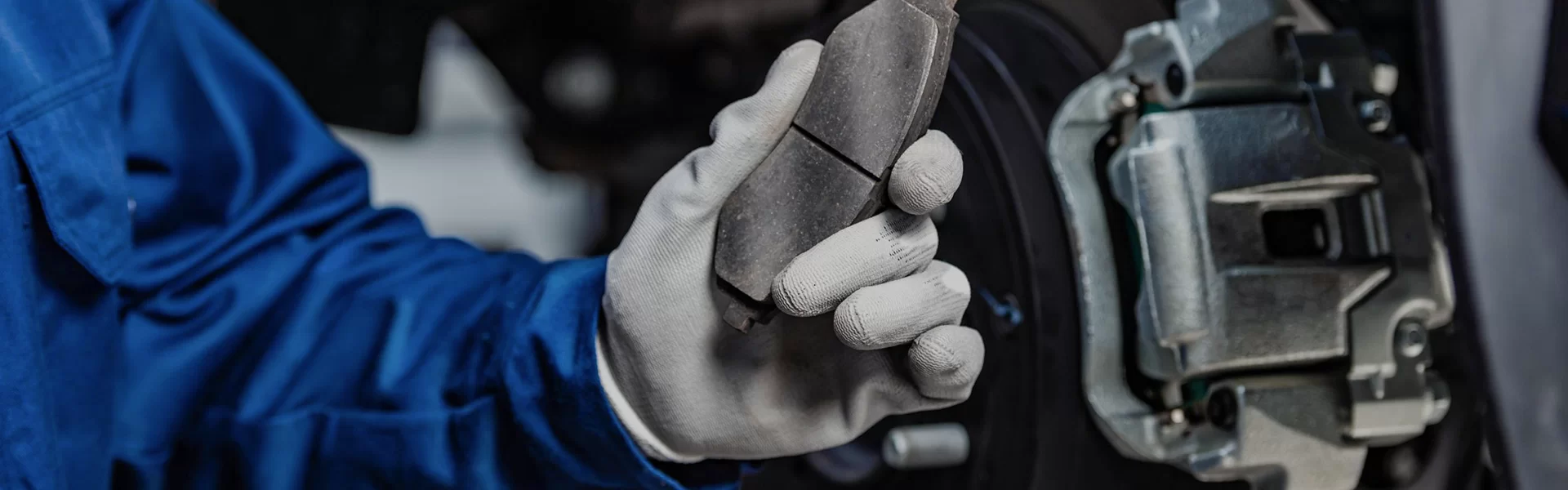
Leading shoe brakes might not be a phrase you hear every day outside industrial circles, but their significance is pretty undeniable—especially in sectors needing reliable stopping power under intense conditions. Simply put, understanding these brakes can save time, money, and, frankly, a lot of headaches worldwide. From railway systems to industrial machinery, grasping what makes leading shoe brakes tick offers benefits spanning safety, performance, and sustainability.
Across the globe, braking systems support millions of tons of cargo and countless passengers daily—rail transport alone moves roughly 9.1 billion tons annually (according to the UIC, International Union of Railways). Leading shoe brakes stand out because they offer enhanced braking force and efficiency compared to other brake types, making them invaluable where safety cannot be compromised.
However, as industries modernize and environmental standards tighten (think ISO 14001 and related frameworks), the challenge lies in balancing robustness with eco-friendliness and cost. Leading shoe brakes address this by often requiring fewer materials and delivering longer service lives, helping with both operational efficiency and sustainability goals.
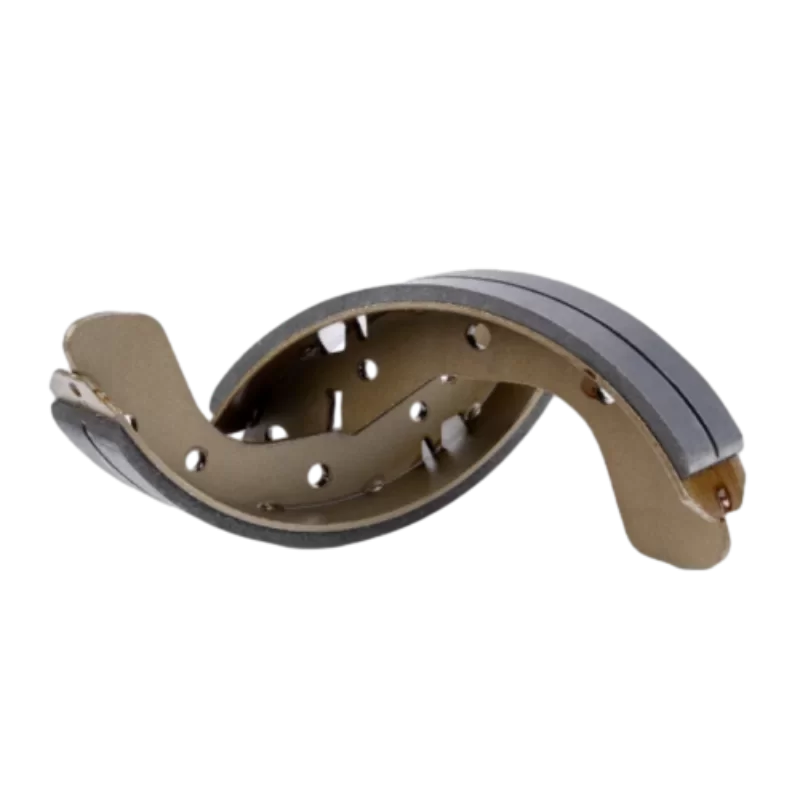
In the simplest terms, a leading shoe brake is a type of drum brake where the primary shoe is positioned so that the drum rotation assists pressing the shoe against the drum surface, boosting friction and stopping power. This self-energizing effect makes them especially useful when strong yet controlled braking force is needed.
Though commonplace on trains and some heavy vehicles, their importance also extends into manufacturing and material handling systems, reflecting the industry’s push towards smarter, safer mechanical solutions.
The shoe linings typically use composite materials designed to withstand heat and abrasion related to constant use. The durability determines downtime frequency and maintenance cost, which frankly can make or break operational efficiency.
Thanks to the self-energizing mechanism, leading shoe brakes provide greater stopping power relative to input force. This translates into smaller actuator requirements and better control under varied load conditions.
From small industrial machines to massive freight trains, these brakes scale well due to relatively simple design adjustments, making them adaptable across sectors and geographies.
When factoring lifespan, maintenance intervals, and material costs, leading shoe brakes often come out ahead versus alternative systems like disc brakes—especially in heavy-load, low-speed contexts.
The mechanics behind leading shoe brakes reduce the risk of slipping, providing confidence to operators and regulatory bodies alike.
| Specification | Value | Notes |
|---|---|---|
| Shoe Material | Asbestos-free composite | Meets environmental safety standards |
| Drum Diameter | 350–600 mm | Varies by vehicle/application |
| Actuation Type | Hydraulic or pneumatic | Depends on system design |
| Typical Lifespan | 40,000 – 60,000 km or 2,000+ hours | Subject to maintenance |
Leading shoe brakes feature heavily in rail transport worldwide—countries like Japan and Germany have optimized their train braking systems around them. Industrial zones in North America and parts of Asia also employ them in heavy machinery for mining, given the durability requirements.
In humanitarian logistics, especially in remote or rough terrain zones where machinery reliability can become a literal lifeline, these brakes help ensure vehicles and equipment keep moving safely despite extreme conditions. Oddly enough, I once read a case where earthquake relief teams relied on trucks fitted with such brakes to safely maneuver rubble—a small fact, but telling.
Overall, the emotional and practical aspects connect—safety isn’t just a checkbox, it’s confidence for operators facing variable conditions every day.
Looking forward, innovations like integrating sensor-based wear monitoring and electronic actuation are transforming how leading shoe brakes operate. Some manufacturers are exploring greener materials to replace even the common composites. Plus, automation and IoT advancement mean predictive maintenance could become standard, reducing downtime further.
Despite their merits, leading shoe brakes can struggle with heat dissipation at very high speeds, leading to fade. Experts suggest hybrid systems or supplementary cooling solutions to overcome this. Also, balancing cost against technological upgrades can be tough, especially for smaller operators—but collaborative development programs might ease such burdens in the future.
| Vendor | Material Quality | Price Range | Innovations | Warranty |
|---|---|---|---|---|
| BrakeTech Co. | Premium composite | $$$ | IoT wear sensors | 5 years |
| SafeStop Ltd. | Standard composite | $$ | Thermal coatings | 3 years |
| EcoBrake Innovations | Recyclable materials | $$ | Green manufacturing | 4 years |
Leading shoe brakes, though a specialized topic, harbor broad impacts across industries where safety and efficiency are paramount. Their blend of cost-effectiveness, safety, and growing eco-conscious design makes them a smart choice for many applications. For companies or engineers wanting a dependable, tested braking system, these brakes are worth exploring in detail.
To learn more about top-notch leading shoe brakes and solutions tailored to your needs, don’t hesitate to visit our website.
It’s always a nuanced journey learning about such essential but often overlooked components—kind of like uncovering the backbone of safe, smooth operations. I suppose that’s why many engineers never stop appreciating the humble brake shoe’s role.