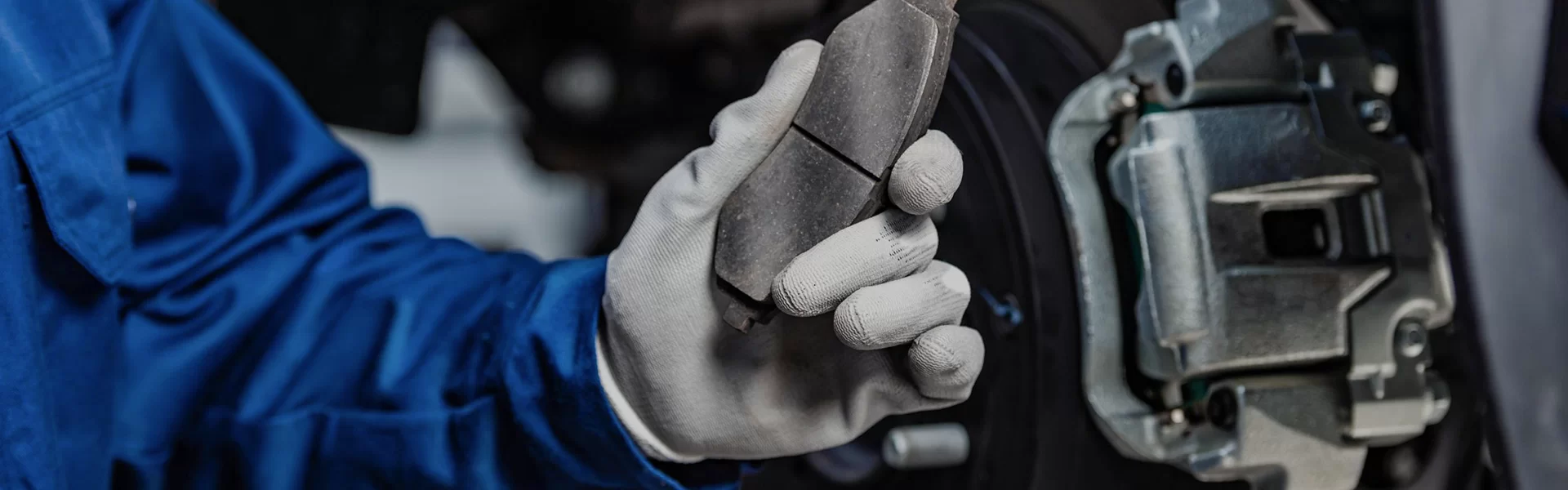
When you think about trains — those massive machines barreling down tracks at high speeds — one critical component that often escapes attention is the humble locomotive brake shoe. Yet, without reliable braking systems, trains simply couldn’t operate safely. Worldwide, railways are the backbone of global trade and passenger transport, and brake shoes are key to ensuring that this lifeline runs smoothly and securely.
The importance of locomotive brake shoes goes beyond just stopping trains; they’re instrumental in protecting lives, goods, and infrastructure. Exploring their design, applications, and innovations reveals not only their technical complexity but also their broader impact on industries and communities worldwide.
Rail transport moves approximately 9 billion tons of goods annually worldwide and carries over 10 billion passengers, according to the International Union of Railways (UIC). It’s remarkably energy-efficient compared to road transport, making it vital in efforts to reduce global carbon emissions (about 2.9% of global transport emissions come from rail — not much, but growing).
However, operating these huge machines safely requires dependable braking systems — which means effective, durable locomotive brake shoes.
In many emerging economies, railway infrastructure investment is booming, presenting challenges for maintenance and modernization. The quality and lifespan of brake shoes can directly influence operational efficiency and safety standards. For instance, brake shoe failure could lead to catastrophic derailments, causing loss of life and economic damage.
Thus, the challenge remains: how to develop and procure brake shoes that balance performance, durability, cost, and environmental sustainability?
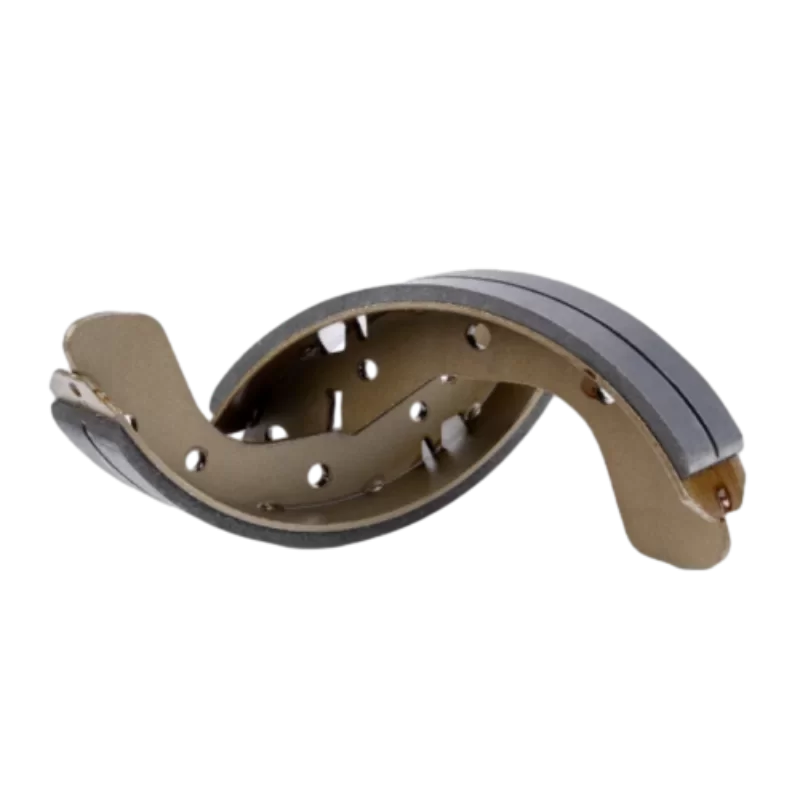
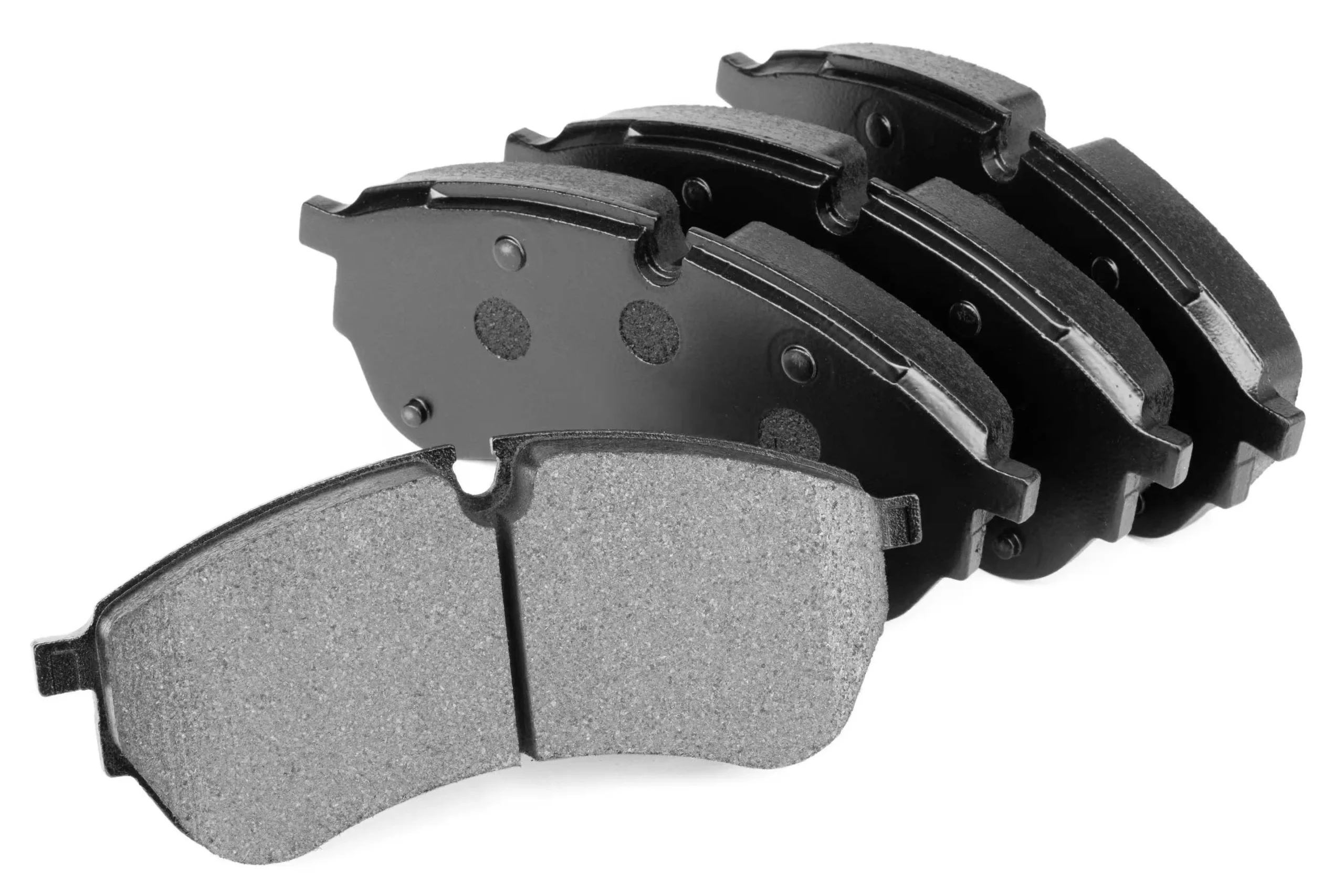
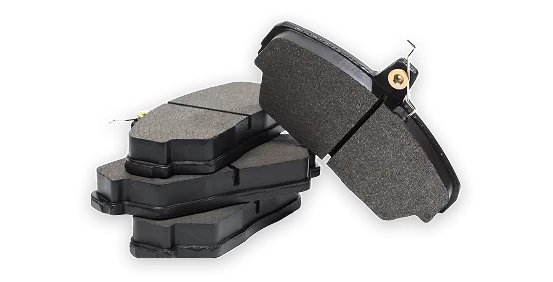
Simply put, locomotive brake shoes are specialized friction components attached to the braking system, pressing against the train’s wheels to slow or stop motion. They belong to the mechanical braking system, working by converting kinetic energy into heat through friction.
Unlike automotive brakes, locomotive brake shoes must endure heavy loads, sustained high speeds, and varied weather conditions. This robustness allows trains to operate safely whether they’re hauling freight across deserts or passengers across urban hubs.
You could say they are a silent guardian ensuring smooth, safe railway journeys around the world.
Brake shoes face incredible friction, causing gradual wear. Their composition often includes composite materials combining metals and organic fibers to withstand this stress. Durability means fewer replacements and less downtime—a vital consideration for rail operators who need reliability.
The friction process generates heat. Brake shoes must dissipate this heat efficiently to prevent overheating or “fade,” which reduces braking efficiency. Materials like sintered metals are valued for their exceptional thermal stability.
From a procurement standpoint, rail companies look for brake shoes that deliver long service life at reasonable cost, balancing upfront price with maintenance savings. Mass production techniques from suppliers have helped lower costs, but quality control remains critical.
New regulations in the EU and North America demand reduced particulate emissions from brake wear. This drives the adoption of eco-friendly friction materials free of heavy metals or asbestos. Sustainable design is becoming a powerful market differentiator.
Given the variety of locomotives and operational conditions, brake shoes often require customization — from shape and size to friction characteristics. Manufacturers collaborate with clients to fine-tune products for optimal fit and performance.
In Europe, high-speed trains rely on advanced composite brake shoes paired with disc brakes to achieve rapid, safe stops at velocities exceeding 300 km/h. Meanwhile, in freight-heavy regions like North America, sintered metal brake shoes dominate for their durability under heavy loads.
In developing regions, railway companies often face the dilemma of operating older rolling stock with legacy braking components while upgrading infrastructure. For instance, Indian Railways utilizes mostly organic brake shoes for cost-effectiveness, but slowly integrates better-performing composites where budgets allow.
Post-disaster scenarios provide another vital use case. Relief trains operating in rugged terrain depend on dependable braking to safely navigate damaged tracks. Similarly, mining railways in remote areas demand resilient brake shoes to operate under dusty, abrasive environments.
| Specification | Typical Value / Range | Notes |
|---|---|---|
| Material | Organic composites / Sintered metal | Depends on application |
| Friction Coefficient | 0.35 – 0.45 (dry conditions) | Stable across temperature range |
| Operating Temperature | -40°C to 450°C | Wear resistance at high heat |
| Wear Rate | 0.07 – 0.1 mm/1000 km | Varies by load & material |
| Typical Lifespan | 30,000 – 50,000 km | Under standard maintenance |
| Feature | KyBrakePad Co. | RailSafe Innovations | GlobalRail Systems |
|---|---|---|---|
| Material Range | Organic, semi-metallic, sintered | Organic, ceramic composites | Primarily sintered metal |
| Eco-Friendly Options | Yes (heavy metal free) | Limited | No |
| Customization Level | High | Medium | Low |
| Warranty | 24 months | 18 months | 12 months |
| Price Level | Mid-range | High | Low |
In practical terms, choosing the right brake shoe affects more than just stopping power. It can translate into reduced maintenance costs, fewer service interruptions, and enhanced safety. Imagine the peace of mind a rail operator has knowing each brake application is consistent and reliable no matter the weather or load.
Socially, these components contribute to public trust in rail travel, essential for economies that rely on trains for daily commuting or delivering vital supplies. There’s an emotional comfort too; safety innovations enhance the dignity of travel and freight transport — making journeys secure for all involved.
Frankly, the push towards greener technologies doesn’t stop at engines. Brake shoe manufacturers are integrating materials like bio-based resin composites and non-toxic friction compounds to comply with tightening environmental standards.
Digitalization is also creeping in, with smart brake systems capable of real-time wear detection, enabling predictive maintenance — saving millions in unexpected downtime.
At the intersection of automation, AI-driven control systems now adjust braking forces dynamically for smoother deceleration, which reduces wear and improves safety.
Despite advances, challenges persist. Abrasive wear, noise pollution, and regulatory compliance sometimes conflict with cost targets. Rail operators in harsh environments struggle to find materials that balance longevity with affordability.
To tackle this, partnerships between researchers and manufacturers focus on nano-engineered materials that reduce wear and heat generation while maintaining friction. Additionally, modular brake shoe designs simplify installation and recycling, advancing circular economy principles.
To sum up, locomotive brake shoes are an unsung hero of rail transport, quietly enabling safe, efficient journeys worldwide. As rail networks expand and evolve, innovations in brake shoe materials, environmental compliance, and smart maintenance will become ever more crucial.
For those looking to upgrade or maintain their fleets, partnering with trusted providers like KyBrakePad ensures you get products vetted by experience and engineered for the future.
Given their critical role, it’s worthwhile to get familiar with the nuances of locomotive brake shoes — whether you're an engineer, operator, or railway enthusiast. Because, in the end, safety and reliability rest a lot on these silent working parts.
Thanks for reading — and here’s to safer rails ahead!