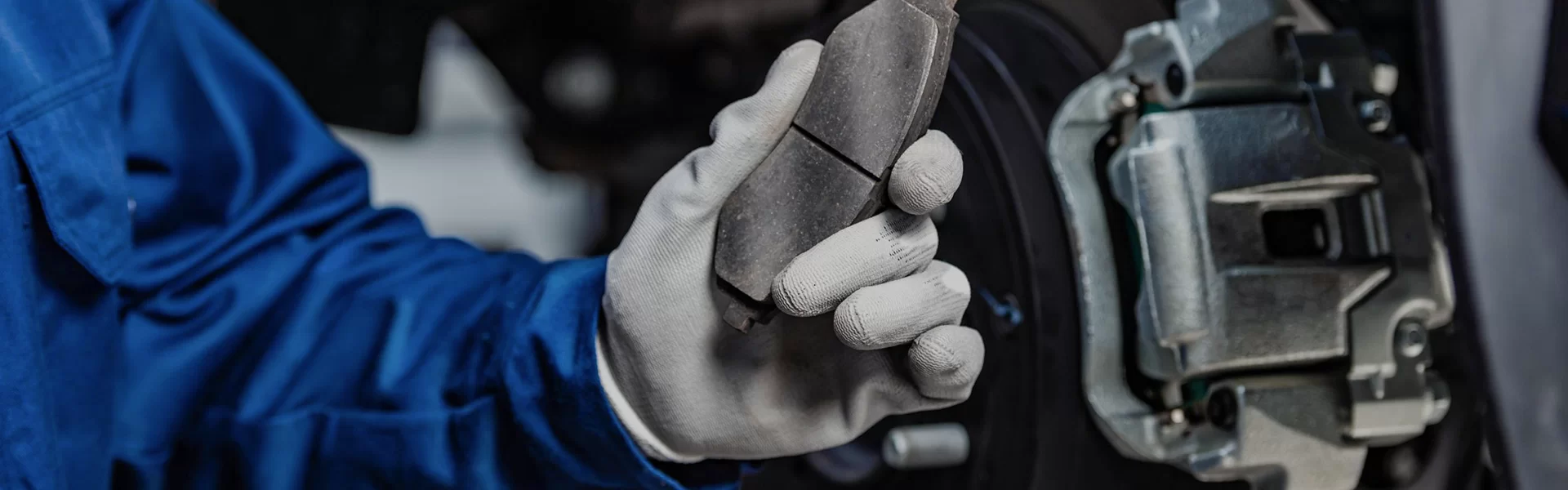
Motorcycle brake shoe manufacturing is a vital process behind the safety and performance of two-wheeled vehicles worldwide. With motorcycles accounting for more than half a billion rides globally (World Bank, 2022), ensuring that brake shoes—the core components responsible for friction and stopping power—are reliable and durable matters far beyond just mechanics. In fact, from densely packed Asian cities to rural African roads, good brake shoes on motorcycles can mean the difference between life and death, or simply a smoother, more efficient commute.
Let’s take a walk through why understanding motorcycle brake shoe manufacturing is so crucial today, how it intersects with modern industry challenges, and what exciting innovations are driving this field forward.
The motorcycle market has ballooned in emerging economies over the last decades, with Asia-Pacific representing roughly 75% of global motorcycle sales (International Organization of Motor Vehicle Manufacturers, 2023). However, the development of quality brake components hasn’t always kept pace. This disconnect can contribute to high crash rates and poor vehicle longevity, particularly in regions with challenging road conditions or limited maintenance facilities.
Motorcycle brake shoe manufacturing answers this challenge by producing parts engineered for durability, cost efficiency, and safety—even in rough environments. According to ISO standards for braking systems (ISO 6312), ensuring the friction materials used in manufacturing meet specific resistance and wear requirements is essential. Thus, the industry faces the combined challenge of scalability and quality maintenance, all while keeping costs reasonable for mass adoption.
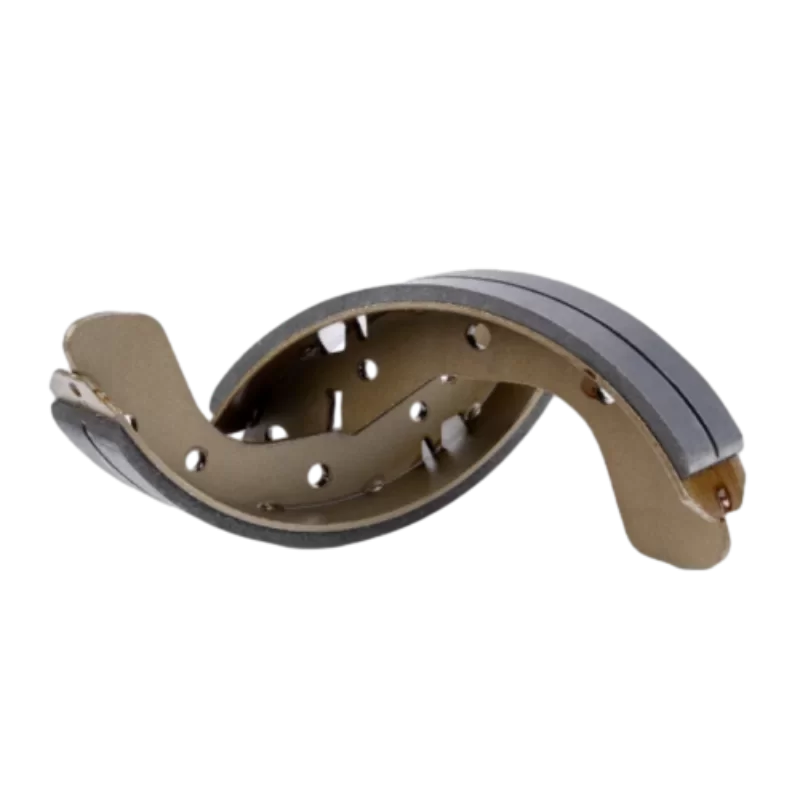
Simply put, motorcycle brake shoe manufacturing is the process of designing, forming, and assembling the curved friction pads fitted inside drum brakes. These brake shoes press against the interior drum surfaces to slow or stop wheel rotation. It is a vital subfield of automotive parts manufacturing tied directly to vehicle safety. The process involves selecting friction materials—often composites containing fibers, resins, and fillers—and bonding them securely to metal backing plates.
In a modern context, this manufacturing process not only focuses on mechanical performance but also addresses concerns about environmental impact, sustainable sourcing of materials, and adapting products for new mobility demands.
Brake shoes must withstand extensive wear under varying temperatures and pressures. Manufacturers use rigorous abrasion and heat resistance tests to simulate years of use. This ensures riders won’t face sudden failures — the bane of any motorcyclist.
The choice of materials—metallic fibers, organic compounds, ceramics—directly influences effectiveness and noise levels. Balancing these factors requires skilled engineering and constant innovation.
Especially in price-sensitive markets, keeping manufacturing costs low while maintaining quality is a logistical puzzle. Many manufacturers optimize production lines and source materials globally to keep prices competitive.
Meeting worldwide demand, especially with rising motorcycle adoption rates, demands scalable production processes—often automated yet quality-controlled to ISO or SAE standards.
As regulations tighten on hazardous materials like asbestos—once commonplace in brake linings—manufacturers innovate with safer alternatives and sustainable practice integration.
Mini takeaway: When manufacturing motorcycle brake shoes, balancing performance, safety, cost, and environmental factors is the tightrope walked by the industry.
From Southeast Asian delivery scooters to rugged motorcycles powering African farms, brake shoe quality directly affects mobility and, tangentially, economic stability. In post-disaster relief zones, reliable motorcycle transport facilitated by quality brake shoes enables rapid aid delivery—something NGOs emphasize when briefing local partners. Meanwhile, industrial zones use motorcycles for quick personnel transit, placing even greater demands on brake durability amid dust and wear.
| Specification | Typical Value | Notes |
|---|---|---|
| Material Composition | Organic composite with metallic fillers | Asbestos-free, eco-friendly |
| Hardness (Shore A) | 75–85 | Optimal for grip and wear |
| Operating Temp Range | -20°C to 300°C | Suitable for various climates |
| Wear Life | 20,000 - 30,000 km | Dependant on riding conditions |
| Weight per Pair | ~200-300 grams | Lightweight for fuel efficiency |
| Vendor | Material Quality | Production Capacity | Pricing | Sustainability Focus |
|---|---|---|---|---|
| KyBrake Technologies | High-grade organic composites | >10 million units/year | Competitive for OEM & aftermarket | Advanced eco-friendly R&D |
| BrakeSafe Corp. | Ceramic-metal hybrid materials | ~5 million units/year | Mid-range | Moderate focus on sustainability |
| EcoStop Inc. | 100% organic friction materials | ~3 million units/year | Higher due to green materials | Strong commitment to eco materials |
Think about it: a good motorcycle brake shoe isn’t just a part—it’s a daily reassurance that your journey ends safely. Beyond that, it lowers maintenance costs, reduces environmental waste (through longer wear life), and supports innovation by pushing manufacturers toward greener solutions.
On a broader scale, improved brake shoe manufacturing fuels economic growth—safer motorcycles reduce accident-related costs and improve rider confidence, which in turn supports mobility and trade in developing regions.
Current challenges include balancing high performance with cost, sourcing ethically produced materials, and navigating complex global supply chains. Experts advise focusing on modular manufacturing processes and investing in local material development—this not only cuts logistics costs but also improves supply stability during global disruptions.
In the end, motorcycle brake shoe manufacturing impacts more than just mechanical performance—it’s a pillar supporting safety, environmental responsibility, and economic development worldwide. For anyone keen on reliable two-wheel mobility solutions, understanding the nuances here is key.
Interested in diving deeper or sourcing quality products? Visit our website for expert insights and trusted manufacturing solutions.
Casual takeaway: Good brakes truly do make great rides—and better lives.