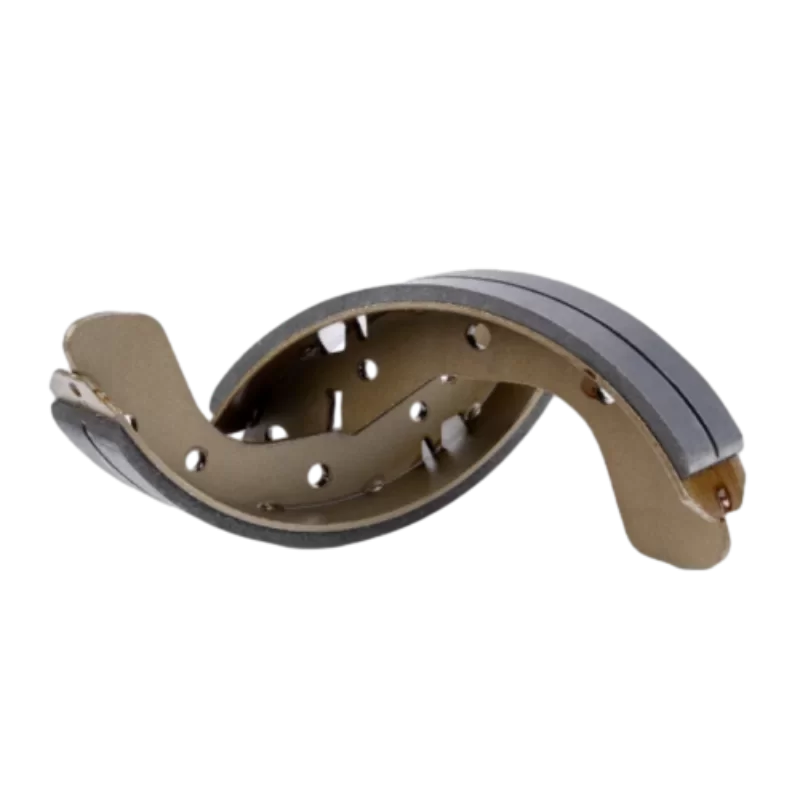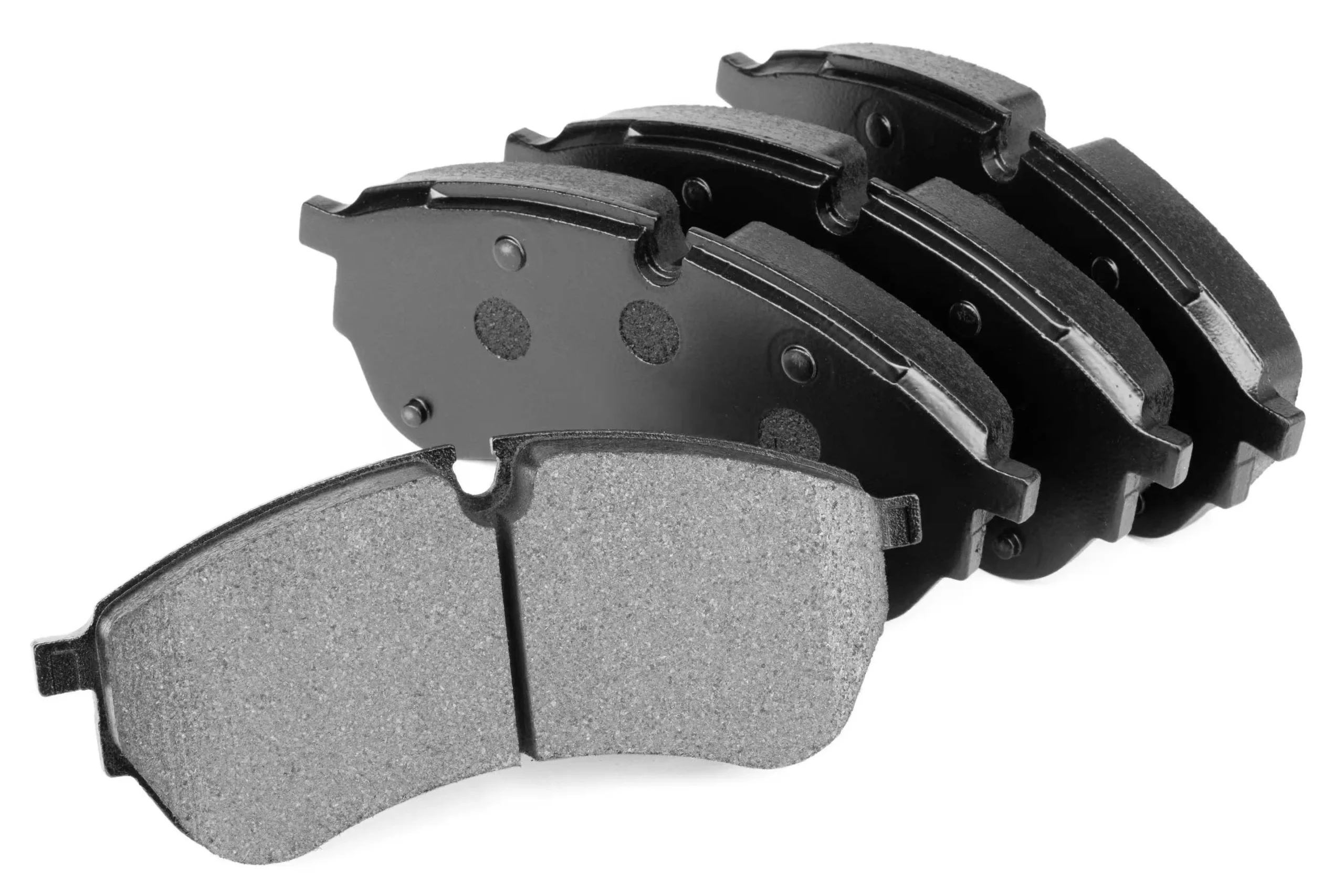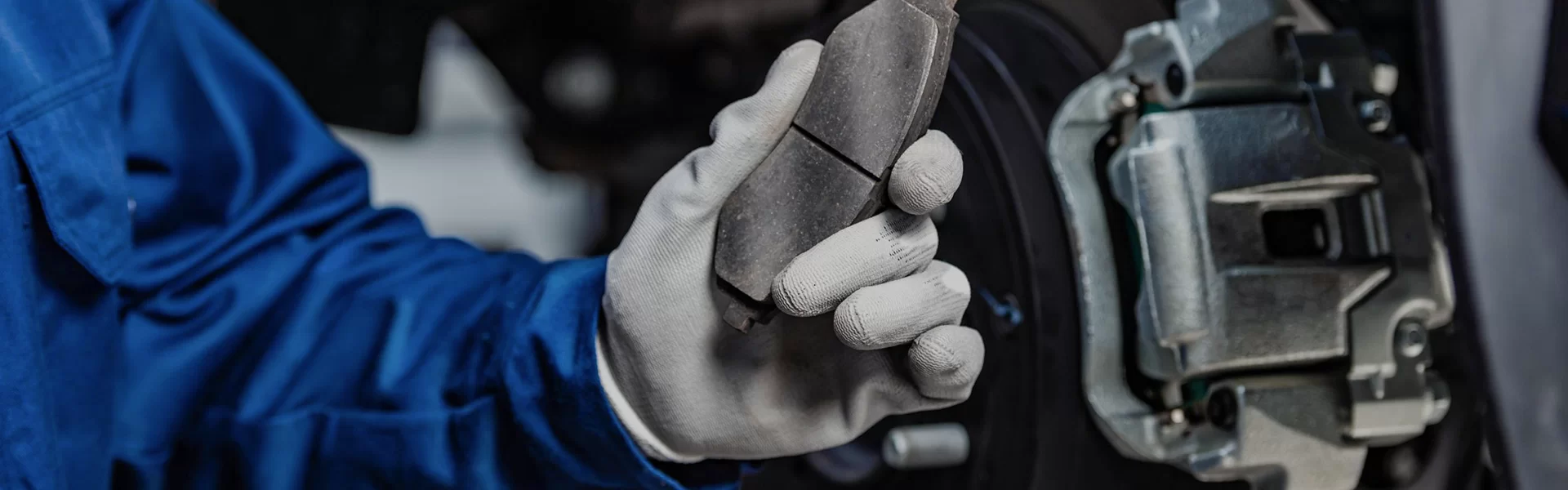
After spending more than a decade around heavy machinery and industrial vehicles, I’ve come to appreciate how much a seemingly small component like a brake pad really impacts equipment longevity and safety. Copper brake pads have quietly become a favorite among maintenance engineers and fleet operators alike — and I can tell you, that’s not just hype.
Frankly, the material makeup of brake pads is often overlooked outside specialist circles. But copper, as a key ingredient, offers a unique blend of durability and performance that feels just right when you’re pushing heavy loads or working in harsh environments. The way copper conducts heat helps prevent pad overheating and brake fade — one of those “in real terms” benefits that, once you notice it, you won’t go back.
Many engineers I’ve chatted with appreciate how copper brake pads combine solid friction with longer wear life. Oddly enough, they sometimes perform better than their fully ceramic or semi-metallic cousins, especially when it comes to consistent stopping power under tough conditions. It’s like having that dependable friend who shows up rain or shine.
One memorable project I was involved with featured a fleet of forklifts in a warehouse that used standard brake pads. After switching to copper brake pads, their maintenance downtime dropped noticeably. The team told me, "We save hours every month not dealing with brake issues, which frankly means more uptime and less headache." Those kinds of results stick with you.
| Specification | Typical Value |
|---|---|
| Copper Content | 20% - 40% |
| Operating Temperature | -40°C to 700°C |
| Coefficient of Friction | 0.35 – 0.45 |
| Wear Rate | 0.15 – 0.25 mm per 1000km |
| Backing Plate Material | Steel with anti-corrosion coating |
You might wonder about the trade-offs. Copper pads are typically more expensive upfront than organic pads but generally provide a lower total cost of ownership because of their lifespan and less frequent changes. Plus, they produce less dust and noise — which, in noisy industrial setups, can cut down on operator fatigue.
| Supplier | Copper Content | Price Range | Typical Applications | Warranty |
|---|---|---|---|---|
| KY Brake Pad | 25% - 35% | $$$ | Industrial vehicles, forklifts, construction equipment | 1 Year |
| CopperPro Brakes | 20% - 30% | $$ | Light machinery and industrial carts | 6 Months |
| HeavyDuty Copper Pads | 30% - 40% | $$$$ | Construction equipment, heavy trucks | 2 Years |
Choosing the right copper brake pad depends on what you'll be using it for, naturally. I generally advise clients to consider the operating environment first — are you dealing with high temperatures, heavy loads, or frequent stops? This sort of upfront thinking saves lots of downtime later.
Customization options are worth mentioning, too. Some vendors, including the folks at KY Brake Pad, offer tailored formulations or backing plate sizes to suit unusual machine types. It’s those little details that make a significant difference in the field.
And for those worried about environmental impact, copper brake pads are often recycled or made with partially reclaimed materials, which feels like a step in the right direction—though admittedly, the industry has room to grow there.
At the end of the day, picking copper brake pads is about balancing cost, performance, and reliability. If you ask me, they strike a solid middle ground that makes them a sensible choice for many industrial uses. But of course, as with all mechanical parts, testing your specific equipment’s response is crucial.
Hope this gives you a clearer picture when you next assess braking options. And if you want to dig deeper, the team at KY Brake Pad are always pretty straightforward and helpful about what their copper brake pads can do.
A quick takeaway: Copper brake pads may sound niche, but in the world of industrial grit and grind, they’re quietly earning their stripes one stop at a time.
References:
1. Industrial Brake Systems Manual, 4th Edition
2. Interviews with Fleet Maintenance Engineers, 2023
3. KY Brake Pad Product Catalog, 2024