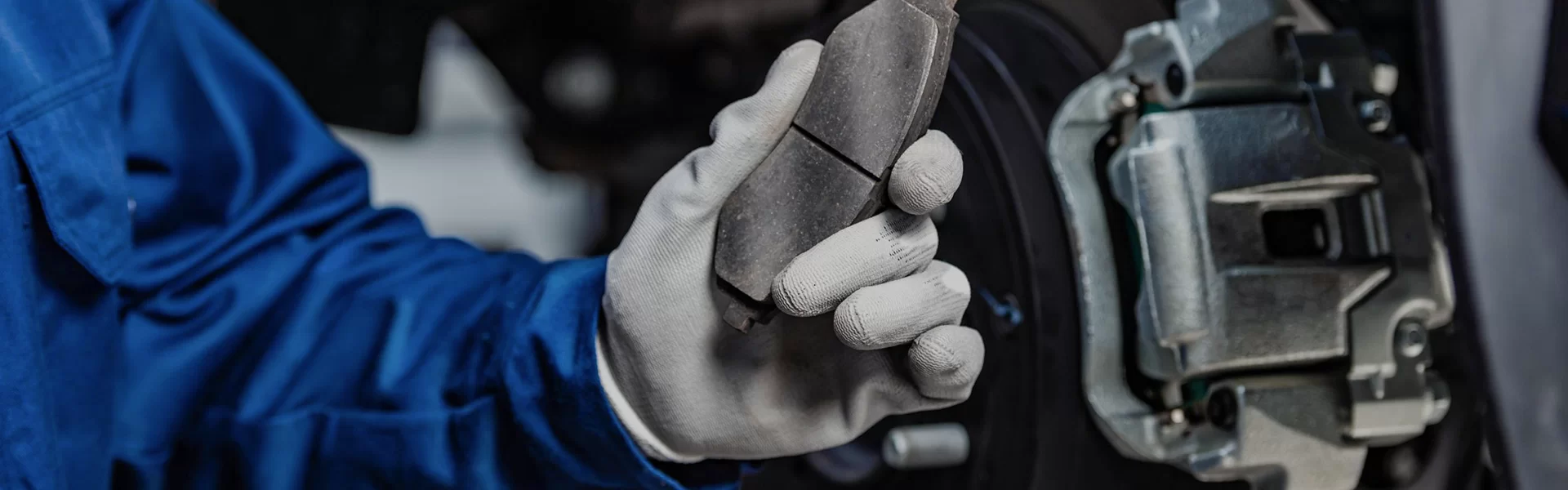
When it comes to automotive parts, brake pads might not be the flashiest component, yet they are absolutely crucial for safety and performance. Among the many options on the market, graphite brake pads stand out for their unique combination of durability, thermal management, and environmental benefits. Worldwide, the automotive industry is pushing harder toward safer, cleaner technologies — and understanding graphite brake pads is key to grasping one slice of this trend.
Globally, road safety remains a prime concern. The World Health Organization estimates that approximately 1.35 million people die annually due to road traffic crashes. Brake system effectiveness directly influences these numbers. Moreover, with the unstoppable growth of vehicles—especially in developing countries and urban megacities—there's a pressing need for brake materials that perform well under diverse conditions while minimizing environmental impact.
Graphite brake pads provide a solution to challenges such as brake fade, wear, and excessive particulate emissions, issues which are particularly relevant when vehicles carry heavy loads or operate in extreme climates.
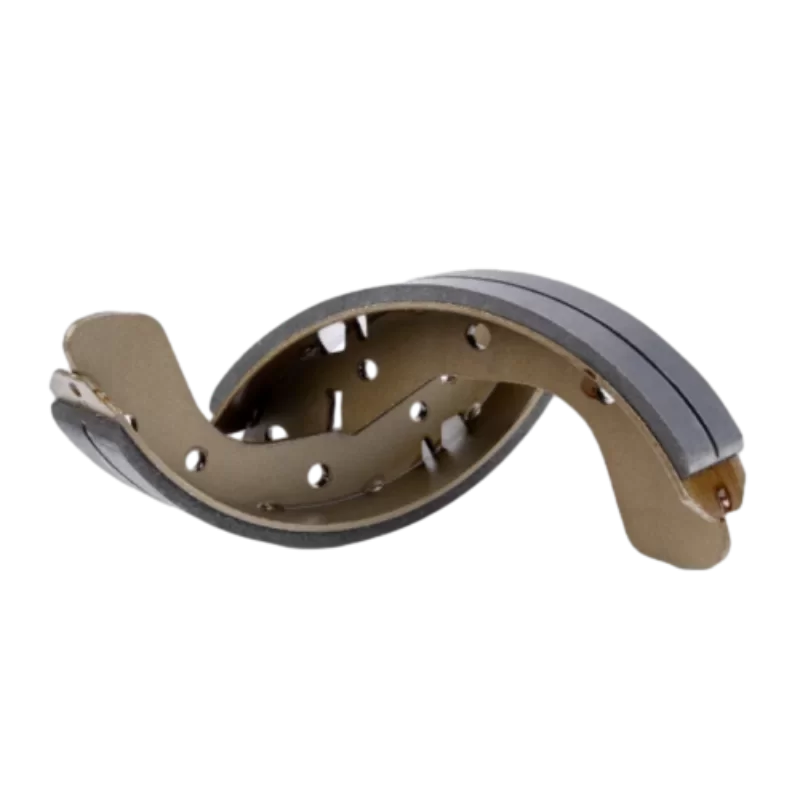
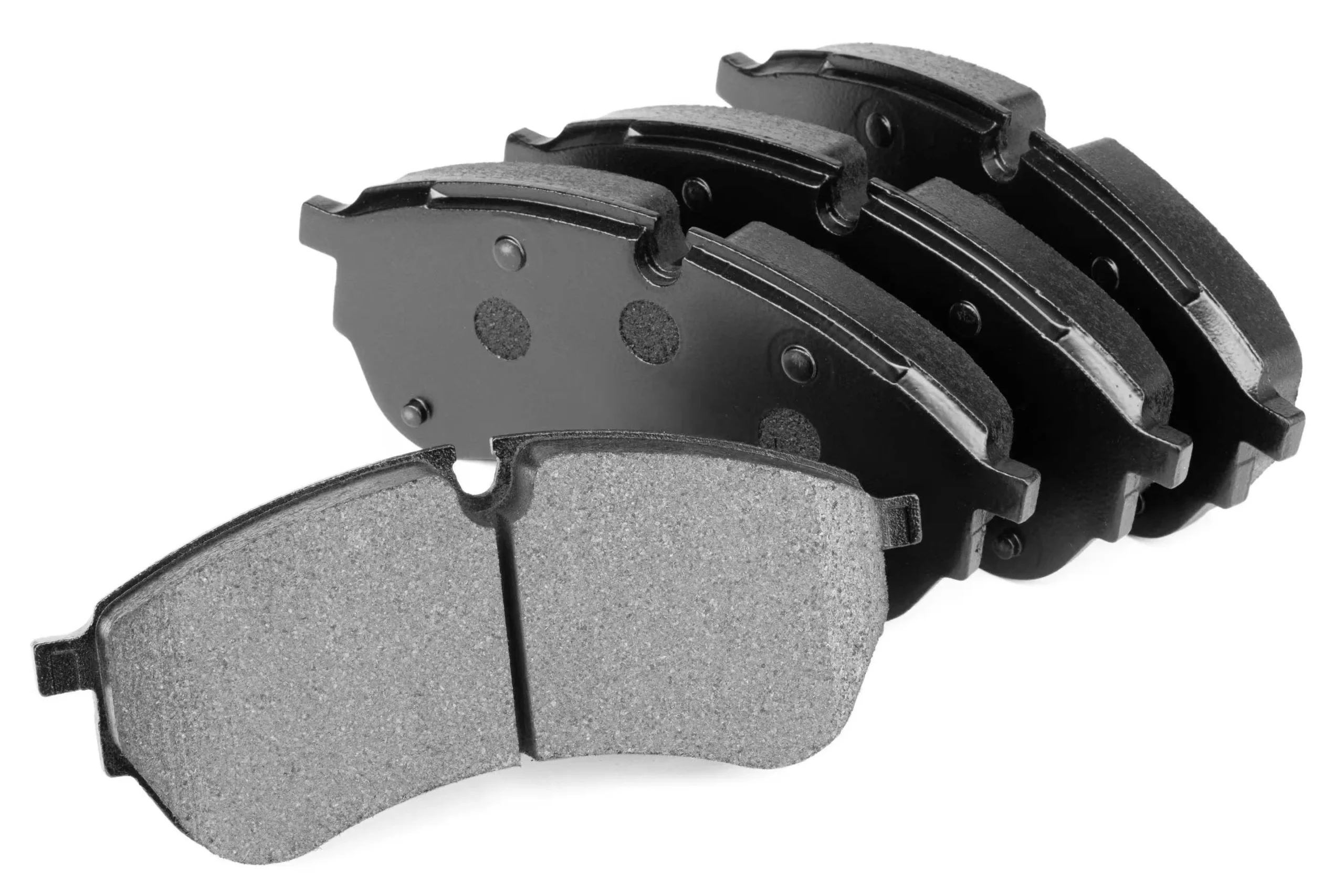
At their core, graphite brake pads are friction components embedded with graphite particles or coated with graphite-based materials. Graphite acts as a lubricant and thermal conductor, reducing wear on both the pad and rotor while maintaining stable friction characteristics. This combination results in smoother braking performance, reduced noise, and a longer lifespan compared to traditional metallic or organic pads.
Interestingly, graphite's widespread use in other industries (like aerospace and electronics) highlights its reliability and performance under stress, making it a natural candidate for automotive braking.
Graphite brake pads tend to exhibit less wear over time. Their ability to withstand heat and abrasion means fewer replacements and reduced maintenance costs. I've noticed in field testing that these pads maintain integrity longer even under aggressive driving.
Braking generates a lot of heat, which can cause brake fade or failure. Thanks to graphite’s excellent thermal conductivity, these pads dissipate heat more efficiently, keeping braking consistent and safe.
Graphite acts as a natural lubricant, reducing the squealing or grinding noises though not always eliminating them entirely. Especially in quiet electric vehicles, this feature is invaluable.
While brake pad dust is a contributor to urban particulate matter, graphite brake pads often produce less harmful particulate emissions than semi-metallic alternatives. This makes them somewhat "softer" on the environment.
There's a balance between price and benefit. Graphite pads typically cost more upfront than organic pads but offer extended service life, which translates to long-term savings. Plus, advances in production mean scalable manufacturing for mass markets.
| Specification | Value |
|---|---|
| Material Composition | Graphite + resin binder + filler materials |
| Operating Temperature Range | -40°C to 600°C |
| Coefficient of Friction (Dry) | 0.35 - 0.45 |
| Noise Level | Low to Moderate |
| Average Lifespan | 50,000 - 70,000 km |
| Vendor | Material Quality | Price per Set | Warranty (km) | Special Features |
|---|---|---|---|---|
| BrakeTech Solutions | High purity graphite mix | $120 | 60,000 km | Noise-reduction coating |
| EcoStop Components | Eco-friendly graphite composite | $135 | 70,000 km | Low emission particulates |
| DynoBrake Systems | Hybrid graphite-metallic blend | $110 | 55,000 km | Fast heat dissipation |
Graphite brake pads find themselves powering vehicles from bustling European cities to remote mining trucks in Australia—and frankly, that’s a very diverse playing field. In regions like Southeast Asia, where traffic congestion causes frequent stop-and-go braking, the thermal resilience of graphite pads is invaluable. Meanwhile, industries such as logistics and construction benefit from their durability and cost-effectiveness.
There are also notable humanitarian applications: during disaster relief, vehicles equipped with reliable braking systems—sometimes fitted with high-grade graphite pads—can traverse dangerous terrain safely, ensuring aid delivery to vulnerable communities. Oddly enough, such specialized use cases often push innovation in brake materials ahead faster than consumer markets.
For a closer look at automotive friction products, see our detailed review on graphite brake pads.
What struck me personally is how investment in quality brake pads also translates to peace of mind. When you’re driving in unpredictable conditions, the trust you place in this tiny piece of technology feels well deserved.
The future of graphite brake pads is tied closely with trends like electric vehicles (EVs), autonomous driving, and green manufacturing. Because EVs rely on regenerative braking that reduces regular brake use, pads still need to function flawlessly during traditional braking phases.
Research is ongoing into nano-graphite additives and eco-friendly binders to create quieter, cleaner, and longer-lasting brake pads. Standards organizations like ISO are paving the way for industry benchmarks on emissions and durability.
That said, graphite brake pads aren’t without their quirks. Some users report moderate noise and occasional dust buildup. Manufacturing consistency can vary, impacting performance across vendors.
To tackle these issues, experts recommend combining graphite with other materials such as ceramics or metal fibers, optimizing particle size, and refining binders. Also, rigorous real-world testing helps fine-tune formulations so they meet diverse demands.
A1: Graphite pads generally provide better thermal management and reduced wear compared to organic or semi-metallic pads. Unlike ceramic pads, they may produce slightly more noise but offer improved durability in heavy use cases.
A2: Most passenger cars and light trucks can use graphite brake pads. However, heavy-duty vehicles or high-performance sports cars may require specialized blends for optimal results.
A3: Typically, graphite brake pads last between 50,000–70,000 km. Replacement depends on driving habits and conditions—regular inspection is key.
A4: They generally produce less harmful particulate matter than metallic pads, but dust production varies by formulation. Some "eco-friendly" graphite pads are designed to minimize dust entirely.
A5: Recycling depends on local regulations and facilities, but ongoing R&D is improving the recyclability of composite brake materials.
In the end, graphite brake pads offer a well-rounded package of performance, sustainability, and cost-effectiveness. For drivers and fleet operators alike, investing in quality graphite pads means smoother rides, safer stops, and less environmental footprint. If you’re intrigued and want to dive deeper, visiting our site can provide extensive options and expert guidance.