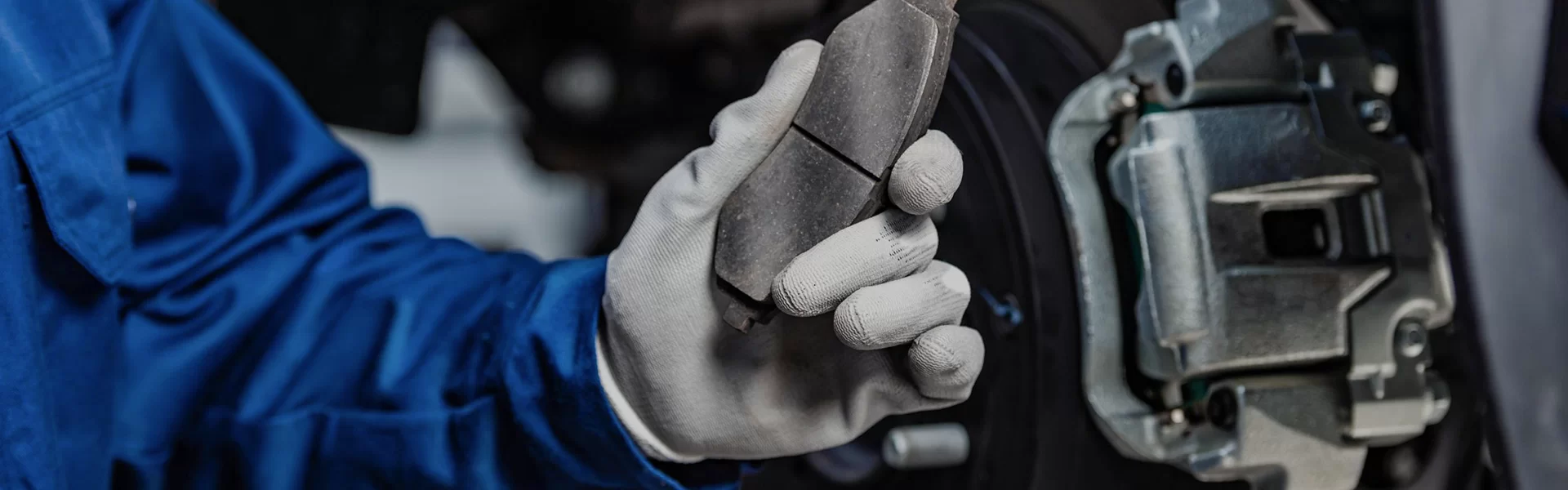
When you think about cranes — those towering giants that hoist shipping containers, steel frames, or even entire building materials — you probably picture raw strength and precision. But behind the scenes, there's a much less glamorous but equally critical component ensuring safe, smooth operation: the crane brake liner. This essential piece of engineering quietly absorbs massive forces, protects expensive hardware, and protects operators from catastrophe.
Globally, the crane industry supports billions in trade and construction annually. So, understanding crane brake liners is not just for engineers — it matters for logistics professionals, safety inspectors, and anyone invested in industrial reliability.
Mini takeaway: Crane brake liners are the unsung heroes ensuring crane safety and efficiency worldwide. Their design and quality can mean the difference between smooth lifts and costly failures.
The global crane market is projected to exceed $21 billion by 2027 (source: Markets & Markets) — a measurable testament to their pivotal role in supply chains and infrastructure projects. But the increasing complexity of supply chains, stricter safety regulations like ISO 23816, and rising maintenance costs have spotlighted the crane brake liner’s function.
Brake liners wear out due to intense friction and heavy loads. If neglected, this can lead to downtime affecting ports, construction timelines, and even humanitarian efforts where cranes facilitate swift delivery of aid. Globally, engineers estimate that replacing worn brake liners proactively can cut crane-related accidents by 30%, which is no small number (1).
Mini takeaway: As cranes grow bigger and more powerful, their brake liners need to keep pace with rising safety and performance demands.
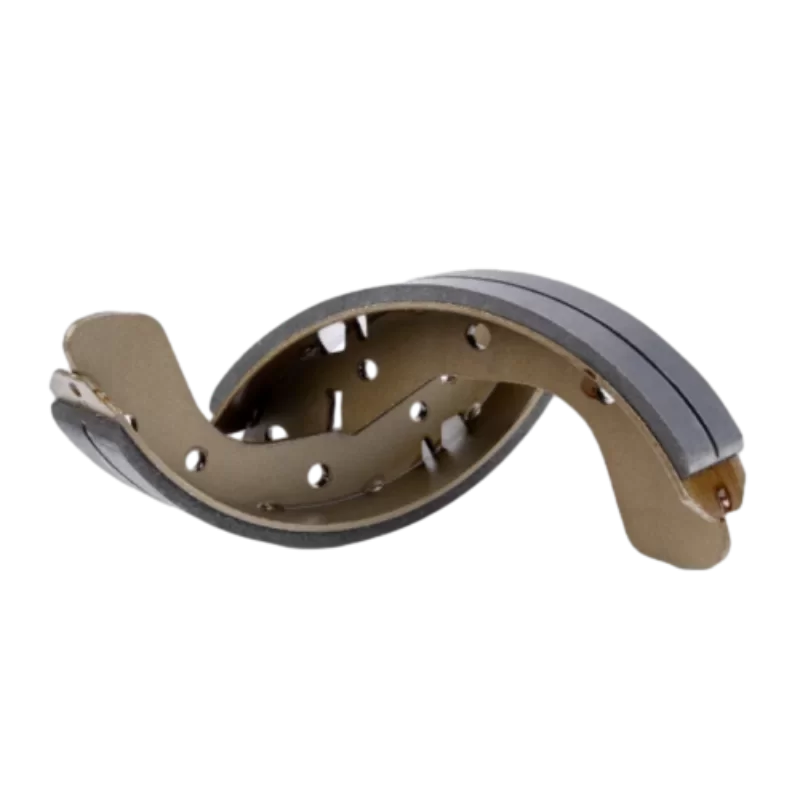
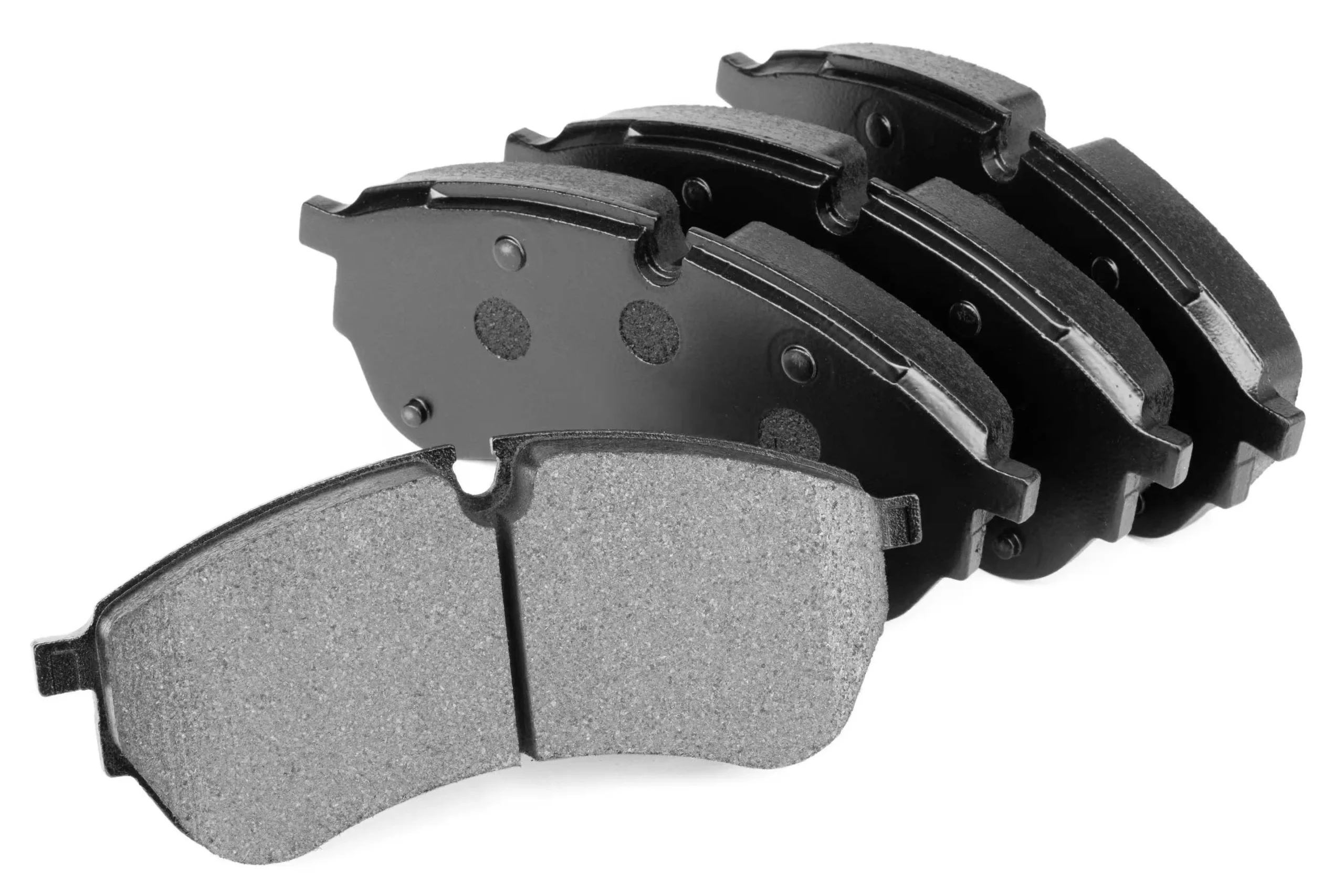
At its core, a crane brake liner is a friction material fitted inside the brake system of cranes. Think of it as the “shoe” pressing against a drum or disc to slow or stop the heavy loads. Without it, braking would cause metal-on-metal contact — a recipe for rapid wear and sudden failures.
Modern crane brake liners often use composite materials tailored for heat resistance, longevity, and minimal noise. Their design plays a vital role not only in industrial efficiency but also in humanitarian scenarios—such as safely deploying relief cranes rapidly during disaster response.
Brakes generate substantial heat during operation. Liners must endure temperatures that can exceed 300°C without degrading. This thermal resilience ensures consistent braking even when cranes operate continuously during 24/7 loading cycles.
The coefficient of friction controls how effectively the crane can stop or hold a load. Engineers design liners to maintain friction values across wet, oily, or dusty environments — conditions common in ports or heavy urban construction sites.
Brake liners typically operate under enormous stresses. Their composition must resist abrasion and mechanical fatigue, which cuts down on frequent replacements and reduces maintenance costs.
Increasingly, liners must meet environmental guidelines by being free of asbestos and other harmful substances. Workers and operators benefit directly from the reduced health hazards in manufacturing and installation.
Depending on the crane type—whether gantry, tower, or mobile cranes—the liners might vary in shape, thickness, and base materials. Custom solutions improve fitment and lifespan, reflecting industry trends toward modular and adaptive parts.
Mini takeaway: A good crane brake liner balances heat tolerance, frictional grip, and longevity — all while being safe and compliant.
Whether unloading massive cargo ships in Rotterdam's port, erecting skyscrapers in Shanghai, or facilitating relief in earthquake-affected Nepal, crane brake liners play a crucial role. For instance, Japanese engineers developed high-performance liners specifically to withstand typhoon conditions, cutting maintenance downtime by half.
In remote mining operations across Australia, rugged brake liners reduce disruption from abrasive dust, ensuring mining cranes function reliably around the clock. These examples show that regional challenges influence the choice and design of brake liners, which manufacturers increasingly customize.
As digitalization sweeps through industrial machinery, brake liners are not left behind. Embedded sensors can now track wear and temperature in real time, alerting maintenance teams before failures occur. Materials science is also exploring nano-composites and ceramic reinforcements to extend lifespans and improve eco-friendliness.
Moreover, as green initiatives target energy reduction, brake systems paired with regenerative technology mean liners must handle different stress profiles—an exciting challenge for designers. The fusion of automation and sustainable materials promises a crane brake liner that’s smarter and kinder to the planet.
Brake liners face challenges like uneven wear, installation errors, and supply chain delays. Some manufacturers combat this by offering installation training and modular liner kits that speed work onsite. Predictive maintenance software also helps schedule timely replacements, reducing unexpected crane stoppages.
On the material front, research is ongoing to reduce dependency on rare metals and improve recyclability without compromising performance—a win-win as environmental regulations tighten globally.
| Specification | Value |
|---|---|
| Material Type | Non-Asbestos Organic (NAO) |
| Thickness | 12 mm (custom variants available) |
| Max Operating Temp | 320°C |
| Coefficient of Friction | 0.35 – 0.45 (dry) |
| Liner Type | Segmented or Full Ring |
| Compliance | ISO 23816, RoHS |
| Vendor | Product Range | Lead Time | Custom Services | Certification |
|---|---|---|---|---|
| KyBrakePad Inc. | Standard & Custom Liners | 2-3 Weeks | Design Consultation | ISO 23816, RoHS |
| BrakeTech Solutions | Mostly Standard | 1-2 Weeks | No Customization | ISO Certified |
| Global Liners Ltd. | Custom & Standard | 3-4 Weeks | Rapid Prototyping | RoHS |
At the end of the day, crane brake liners might seem like a small cog in a massive machine, but the truth is — they can make or break your crane’s reliability and safety. Choosing the right liner, with the right material properties and vendor support, protects your investment, your team, and your deadlines.
For those eager to explore premium, customizable crane brake liner options developed by industry experts, I recommend visiting crane brake liner provider KyBrakePad Inc. Dig deeper into modern solutions that marry durability, performance, and environmental responsibility all in one package.
In short, don't let the brake liner be an afterthought. Remember: every safe lift starts with a solid foundation beneath the brakes.