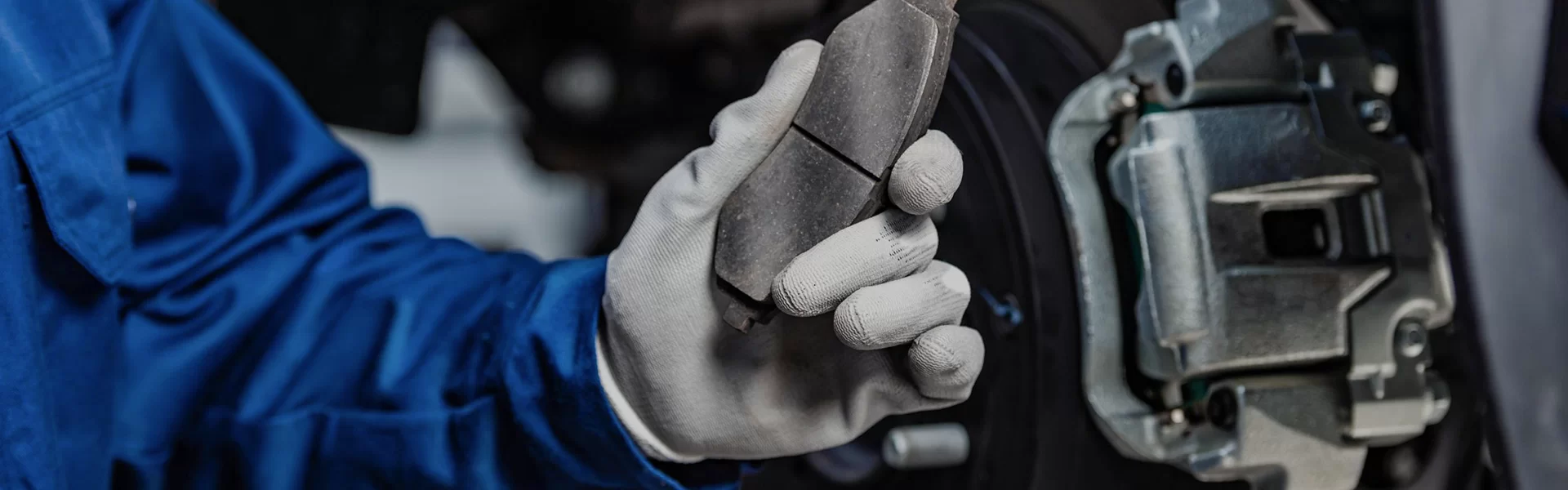
If you’ve ever wondered what keeps huge industrial machines or public transit systems safely braking, it's often down to some carefully crafted bits of engineering called custom brake shoes. These aren’t just off-the-shelf fix-it parts; they have a growing importance worldwide. From bustling factories in Asia to sprawling transportation grids in Europe and North America, the tailored nature of these brake components enhances safety, efficiency, and operational longevity.
In truth, understanding the role of custom brake shoes goes beyond engineering catalogs or product specs. It ties into global efforts for sustainability, cost optimization, and even humanitarian relief, where reliable transport and machinery play quiet but vital roles.
According to ISO standards and World Bank reports, industries worldwide face increasing pressure to improve machine safety and reduce downtime – and brake components are no exception. Brake shoes, which provide the friction necessary to slow or stop machinery, must meet exacting performance requirements. Customization is often the only way to ensure they perfectly match the demands of specific equipment or operational conditions.
Interestingly, as industrial machinery grows more complex, standardized parts just don’t cut it anymore. Roughly 40% of industrial accidents traced to braking failures highlight the real risks. Here, the tailored design of brake shoes adapts to unique load patterns, better heat dissipation, and differing materials that standard replacements can’t match.
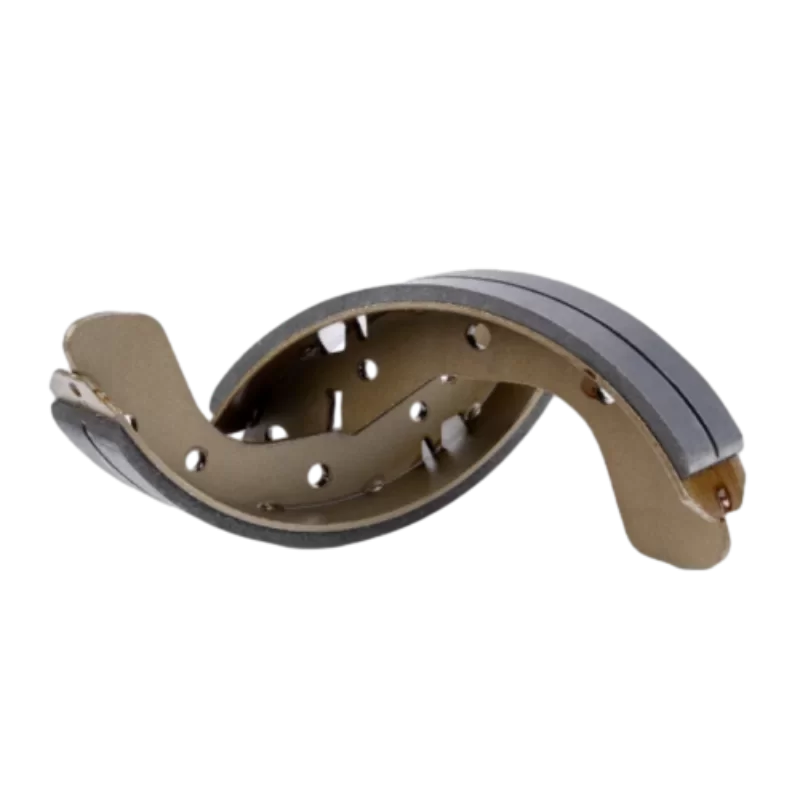
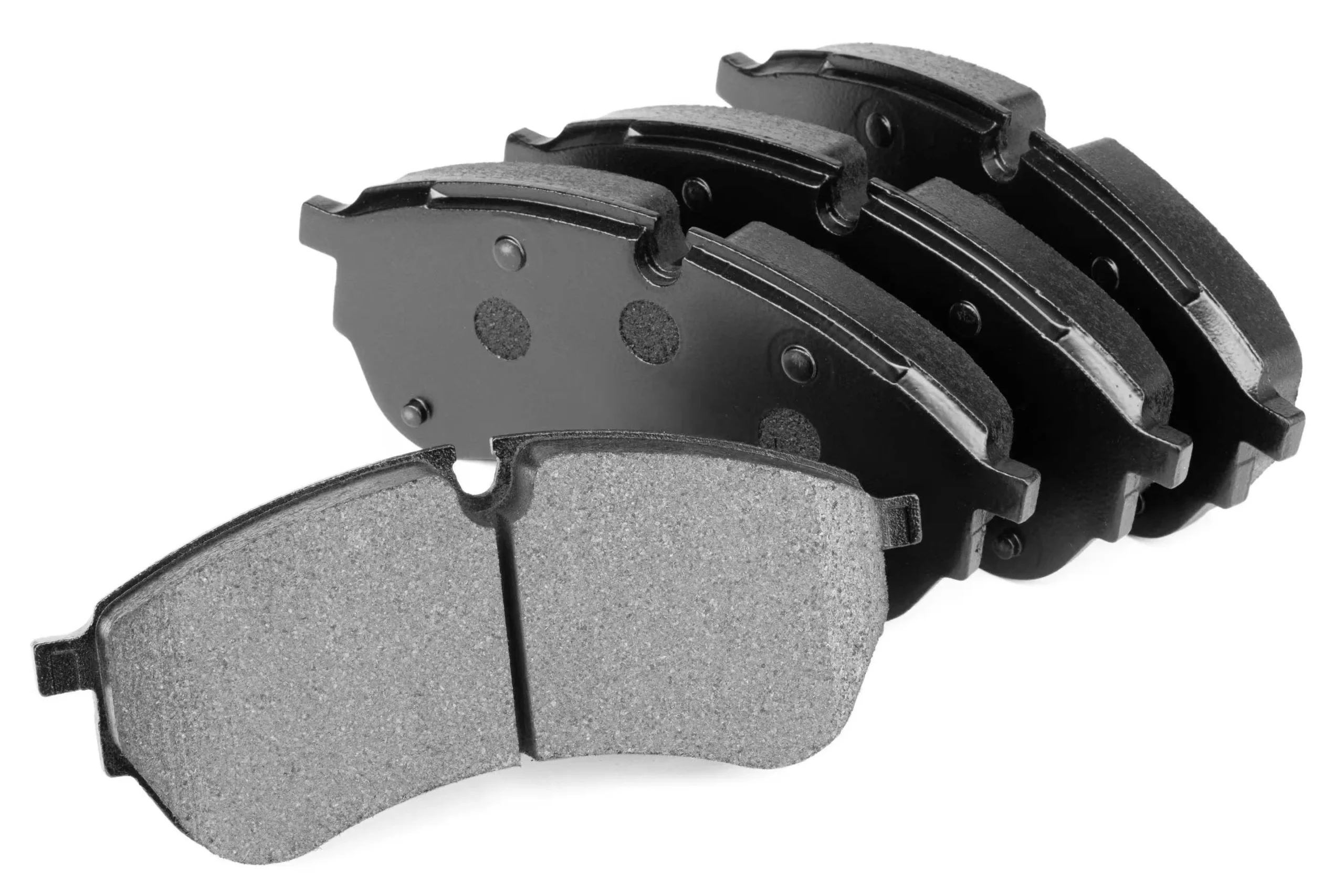
At its core, a custom brake shoe is a friction component designed to fit the braking system of a specific machine or vehicle. Unlike generic brake shoes, these are crafted following detailed specifications including shape, material composition, and friction characteristics. This allows them to perform optimally under unique pressure, speed, and environmental conditions.
Custom brake shoes are vital in industries like mining, railway transportation, and heavy manufacturing. Humanitarian efforts, too, indirectly benefit — reliable transport and machinery mean smoother delivery of emergency supplies and safer infrastructure rebuilding.
The core material dictates durability, heat resistance, and friction performance. Depending on the application, manufacturers blend organic fibers, metallic compounds, or ceramics. For instance, a brake shoe in a mining truck must withstand much higher heat and abrasive wear than one in a passenger tram.
Longevity matters when downtime costs thousands per hour. Custom brake shoes balance hardness and toughness to extend usable life without sacrificing braking power. Enhanced wear resistance means fewer part changes and less environmental waste.
Every machine has its idiosyncrasies, so each brake shoe must fit like a glove. Advanced CAD and CNC machining allow scalable production of custom designs. This ensures repeatability and consistency across large fleets.
Tailored brake shoes might sound expensive upfront, but in real terms, they cut overall maintenance costs by mitigating failures and extending intervals between replacements. It's the classic “buy better once” equation.
Good brake shoes manage heat build-up effectively, preventing warping or fading of braking power. This is especially critical in high-speed or heavy-load applications.
Mini takeaway: Custom brake shoes aren’t just about fit — they are a sophisticated combination of materials science, engineering, and industry-specific know-how.
From North American freight trains hauling goods across continents to the urban trams of Europe navigating tight city tunnels, custom brake shoes have a wide footprint.
| Specification | Typical Value / Feature |
|---|---|
| Material Type | Ceramic/Metallic Composite |
| Friction Coefficient | 0.35 - 0.45 (varies by application) |
| Max Operating Temperature | 650°C (1202°F) |
| Wear Life | 50,000 - 80,000 km (varies) |
| Customization Lead Time | 4-6 weeks |
| Standard Sizes Available | Custom shapes per CAD design |
| Vendor | Customization Options | Typical Lead Time | Price Range | Special Features |
|---|---|---|---|---|
| BrakeTech Solutions | Full custom CAD design | 5 weeks | $$$ | High-temp ceramic blends |
| Global Brake Components | Semi-custom sizes and materials | 4 weeks | $$ | Eco-friendly friction materials |
| Precision Friction Inc. | Custom designs & wear optimization | 6 weeks | $$$$ | Advanced heat dissipation tech |
While it might seem a little niche, the benefits run deep:
Oddly enough, these advantages ripple out to communities relying on steady industrial production or critical transport systems. It's like an invisible safety net.
Tech is creeping in everywhere and brake shoes are no exception. Expect more use of graphene-infused composites, real-time wear sensors, and AI-powered manufacturing that tweaks designs mid-production for maximum efficiency.
There’s also a tangible push toward greener materials, both to meet tightening ISO standards and emerging government policies. Automation in production means quicker turnaround times, while digital twins simulate brake wear patterns before the shoe even exists physically.
These parts aren’t without hurdles. Lead times can be frustratingly long if specifications aren’t nailed down early. Plus, initial costs can scare some potential buyers off.
But manufacturers are overcoming these through modular design systems, smart materials sourced locally, and stronger collaboration platforms that connect buyers and engineers early on — smoothing out kinks before tooling begins.
Custom brake shoes often last 20–40% longer than standard models because they’re specifically designed for the application’s load, speed, and environmental conditions. Proper fit and optimized materials reduce wear and overheating.
Absolutely. In fact, many manufacturers specialize in reproducing or improving brake shoes for legacy equipment that no longer has off-the-shelf parts. CAD modeling helps create precise replicas or upgrades.
Though initial costs may be higher, many small fleets find cost savings through reduced maintenance downtime and longer replacement intervals. Tailored designs also cut unexpected failures that can halt operations.
Work with certified vendors who test materials and friction properties against recognized standards (ISO, SAE). Third-party testing and documentation are often part of the custom ordering process.
Lead times typically range from 4 to 6 weeks, depending on design complexity and material sourcing. Early and clear communication with your supplier can help speed up the process.
In a world that’s increasingly complex yet demanding reliability and safety, custom brake shoes quietly do their job. They’re not just parts; they’re tailored solutions that embody advances in materials science, engineering, and global manufacturing practices.
If you’re serious about machine longevity, cost-efficiency, and operational safety, investing in custom brake shoes is a smart step. It’s those quiet details that often make the biggest difference.
Check out our specialized range of custom brake shoes, designed to meet demanding specifications and help your machinery perform reliably — every time.
Final thought: Paying attention to these often-overlooked components can save you headaches, downtime, and maybe even lives down the road. It pays off to think custom.