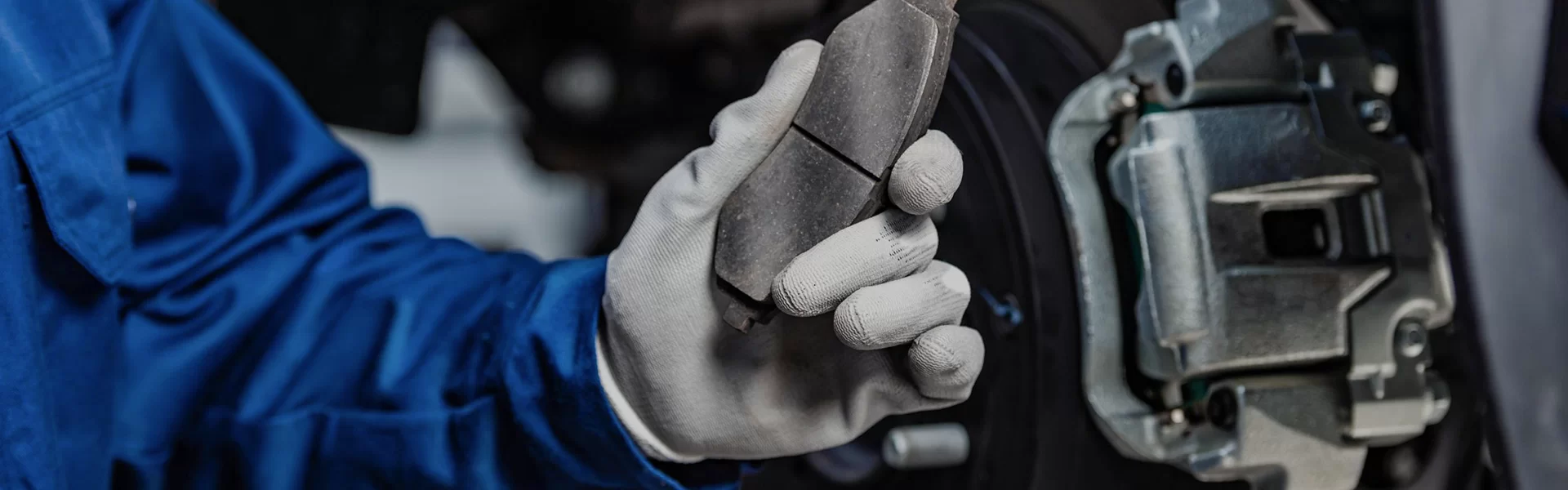
The disk brake shoe might not be the flashiest part of a vehicle or machine, but it plays a crucial role in safety and performance worldwide. As industries evolve and machinery becomes more sophisticated, understanding the ins and outs of disk brake shoes helps engineers, fleet managers, and even hobbyists ensure braking systems perform reliably under all conditions. From reducing accidents to optimizing maintenance cycles, the disk brake shoe contributes quietly to many sectors—from automotive and rail, to industrial equipment. Why does it matter globally? Because efficient braking reduces energy waste, lowers accidents, and supports sustainability goals across the transportation and manufacturing industries.
Globally, road transport alone accounts for nearly 75% of total freight movement, according to the World Bank. That’s a massive amount of mechanical stress on braking systems daily. Disk brake shoes, as an integral part of these systems, are designed to handle harsh conditions and repeated use. Yet, challenges arise including uneven wear, material degradation, and noise—issues that can lead to costly downtime or, worse, accidents. With transportation emissions under strict international scrutiny—ISO standards on brake emissions and friction materials continue evolving—understanding how disk brake shoes function and their material science is more important than ever.
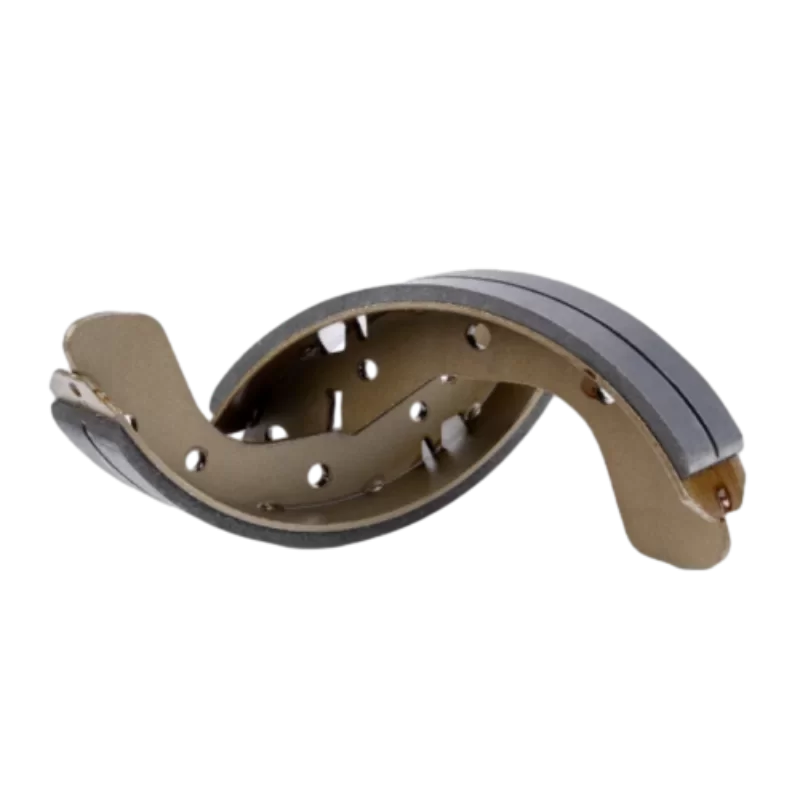
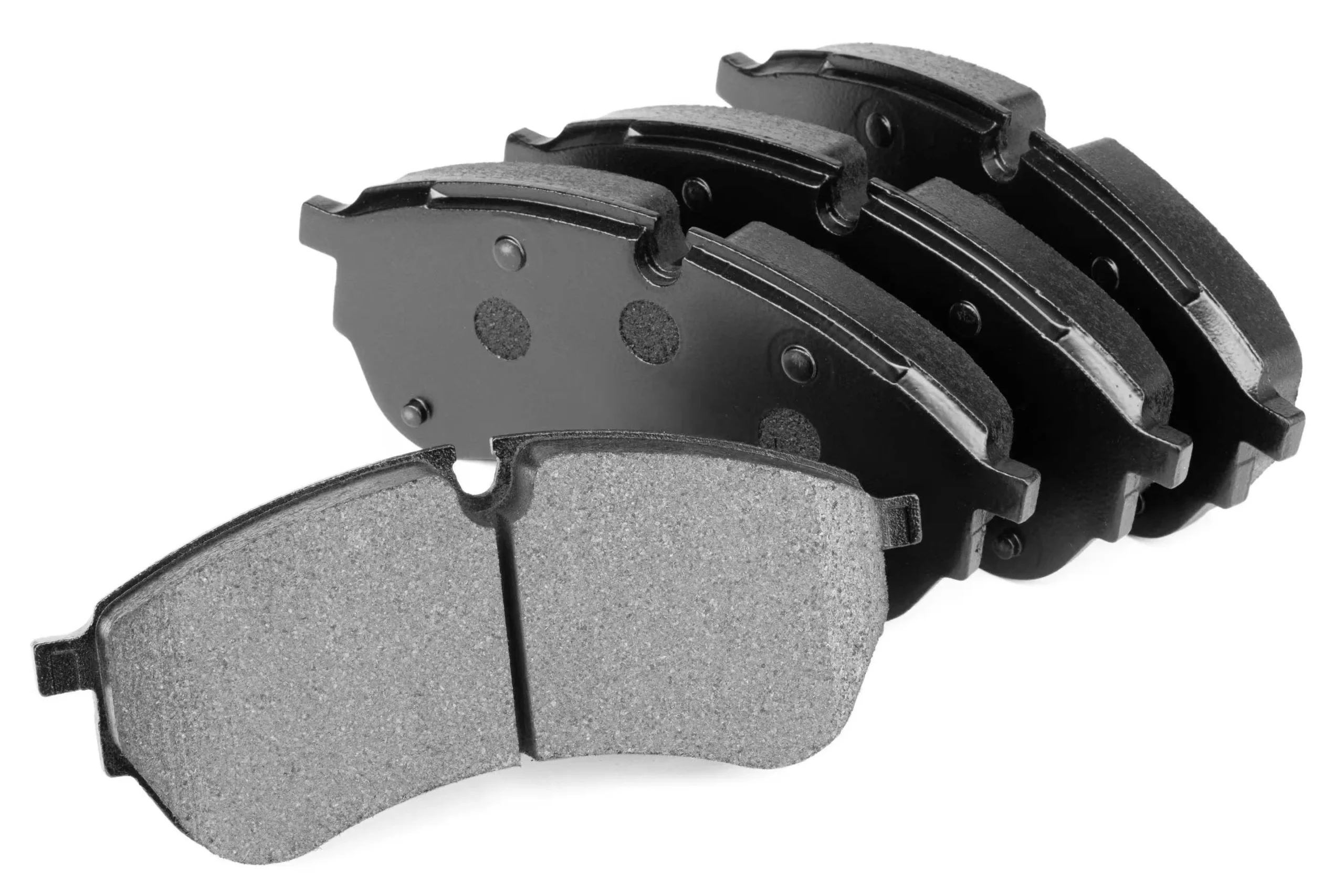
In simple terms, a disk brake shoe is a friction element that presses against the brake rotor (or disk) to slow down or stop motion. It’s usually made of a friction material attached to a metal backing plate designed to withstand heat and mechanical pressures. Though often overshadowed by brake pads or calipers in popular discourse, the disk brake shoe is a foundational piece. It bridges raw braking force and safety outcomes—in vehicles, trains, or industrial machines. Modern humanitarian logistics sometimes even rely on robust braking for mobile generators or field equipment, reinforcing the shoe’s relevance beyond traditional vehicles.
Disk brake shoes endure extreme heat generated from friction—temperatures can easily exceed 500°C during heavy braking. Manufacturers use composite materials with Kevlar, ceramics, or semi-metallic compounds to maintain structural integrity and performance over time. Durable shoes mean fewer replacements and safer operations, especially in mountainous or industrial terrains.
The friction material must provide consistent stopping power without causing excessive rotor wear. This balance is tricky. Too abrasive, and the rotor suffers. Too soft, and stopping distances increase. Many engineers say the ideal disk brake shoe balances friction coefficient, wear, and noise reduction to deliver predictable braking under variable conditions.
Disk brake shoes aren’t just about upfront costs but life cycle expenses. Using longer-lasting materials or designs means less downtime and lower labor costs in the long run. For commercial fleets, cost savings from optimized disk brake shoe performance translates directly to operational profits.
Recent regulations target brake dust emissions—tiny particles released during friction cause pollution and health issues. Eco-friendly disk brake shoes use materials that reduce particulate matter while maintaining braking efficiency. It’s a growing trend, especially in urban bus fleets and electric vehicles, where sustainability is a selling point.
Choosing the right disk brake shoe means considering durability, friction balance, cost over time, and how eco-friendly they are. Each factor shapes the practical application and the safety envelope of braking systems.
The humble disk brake shoe is everywhere—on highways in Europe, railways in Asia, and industrial machinery in the Americas. Some standout areas include:
In fact, post-disaster zones like Haiti or the Philippines have seen custom adaptations of disk brake shoes to account for rough roads where reliability can be life-saving.
Choosing high-quality disk brake shoes delivers multiple layered benefits:
On a personal note, many operators say replacing disk brake shoes with premium options feels like upgrading from flickering candlelight to a steady LED—suddenly, the whole operation runs smoother and with less worry.
| Specification | Typical Values | Remarks |
|---|---|---|
| Material Type | Semi-metallic / Ceramic Hybrid | Balances durability & noise reduction |
| Friction Coefficient | 0.35 – 0.40 | Ensures consistent stopping power |
| Maximum Operating Temp | 550°C | Heat resistance during prolonged braking |
| Wear Life | 30,000 – 50,000 km (vehicle dependent) | Typical range, heavy use reduces lifespan |
| Emissions Compliance | ISO 16232 | Low dust and particulate matter |
| Vendor | Material Technology | Customization Options | Warranty | Global Reach |
|---|---|---|---|---|
| KyBrakePro | Ceramic-Carbon Hybrid | Full OEM specifications | 3 Years / 100,000 km | Worldwide |
| BrakeMakers Inc. | Semi-metallic composites | Limited; standard sizes only | 2 Years / 80,000 km | North America, EU |
| EcoBrake Solutions | Organic, low-dust materials | Custom eco-designs available | 1 Year / 50,000 km | Europe and Asia |
Honestly, it’s a fascinating time. Materials science keeps pushing the envelope — graphene-infused composites for better heat dissipation, digital monitoring sensors embedded in brake shoes for predictive maintenance are no longer science fiction but near reality. Green initiatives mean more organic, low-emission friction materials becoming standard, supported by international bodies like ISO and UNECE. Even autonomous vehicles require precise, reliable brake shoes matched with intelligent braking control. There’s also upward pressure on circular economy concepts, making recycling and remanufacturing key parts of the conversation.
Of course, no tech is flawless. Disk brake shoes face these recurring issues:
Innovations like advanced friction modifiers, heat-dispersive backing plates, and modular repair kits help solve these. I once read a case where an industrial fleet retrofitted eco-friendly disk brake shoes, which improved safety and reduced noise complaints by over 40% within months — pretty impressive.
A1: Replacement intervals vary by vehicle, usage, and environment but generally every 30,000 to 50,000 km. Heavy industrial use or severe conditions may require more frequent checks. Regular inspection is key.
A2: Ceramic shoes tend to be quieter, produce less dust, and perform well under heat, but often cost more. Semi-metallic are durable and excellent for heavy-duty use but can be noisier. Your choice depends on priorities like noise, lifespan, and cost.
A3: Yes, brake dust contains particulates and metals that contribute to air pollution. That’s why many manufacturers now produce low-dust materials that comply with environmental standards.
A4: Absolutely. Many vendors offer OEM customization to meet size, material, and performance specs for specialized equipment. It’s best to contact suppliers directly with your needs.
A5: Consider material technology, warranty, global service network, and customization capabilities. A vendor like KyBrakePro is known for combining innovation with support worldwide.
The disk brake shoe is one of those unsung heroes of modern machinery—quietly enduring heat, pressure, and countless braking events to keep us safe. When chosen wisely, it saves money, enhances safety, and aligns with ecological goals. If you’re upgrading your braking system or sourcing parts for an industrial fleet, do your homework. Visit KyBrakePad for more on state-of-the-art disk brake shoes that fit today’s demanding applications.
Don’t underestimate the disk brake shoe. It’s small, but mighty—and the right choice helps you brake better, longer, and cleaner.