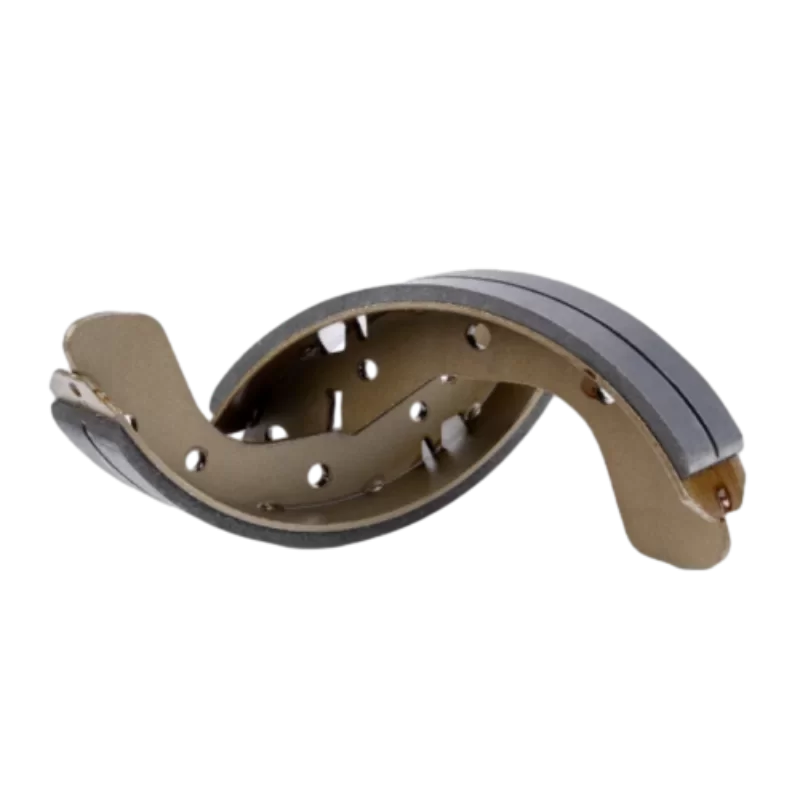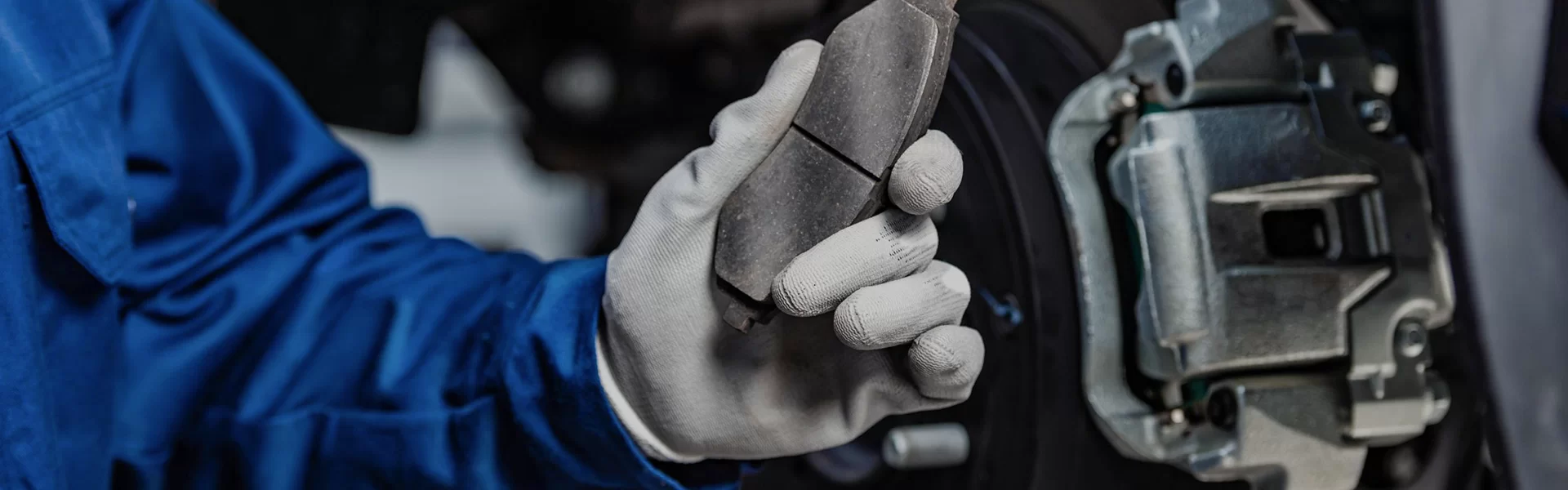
At first glance, “double leading shoe drum brake” might sound like a niche term for the automotive engineers among us. Yet, its role stretches far beyond just helping cars stop smoothly. This type of brake technology not only offers superior stopping power but also plays a surprisingly crucial role worldwide—in public transport, industrial machinery, and even humanitarian logistics. The better we understand what makes these brakes tick, the clearer it becomes how such seemingly simple mechanisms impact safety, cost-efficiency, and industrial resilience globally.
Brake safety is a massive concern worldwide. According to the World Health Organization, road injuries cause nearly 1.3 million deaths every year, with many linked to brake failure or poor braking performance. Double leading shoe drum brakes have helped reduce such risks by offering high stopping force especially at lower speeds or on steep terrains.
In developing regions where rugged vehicles or buses are still heavily relied upon, these brakes often remain the preferred choice for their durability and cost-effectiveness. And for industries operating heavy machinery in remote locations without the luxury of constant maintenance, understanding this braking system’s intricacies isn't just academic—it’s a safety imperative.
Simplifying the jargon: a double leading shoe drum brake uses two brake shoes that both work in a “leading” fashion, meaning they are pushed into the drum’s rotating surface by the braking mechanism for maximum friction. This contrasts with single leading or trailing configurations where only one shoe leads.
The idea is straightforward yet elegant: by having both shoes apply force in the direction that improves contact with the drum’s surface, the system achieves stronger braking especially when the vehicle moves forward. Though old-school in design compared to disc brakes, their robustness means they’re still widely used in heavy-duty vehicles, motorcycles, and specialized industrial equipment.
The "leading" nature means that both shoes follow the drum’s rotation, getting wedged and producing greater stopping force. It’s a clever engineering play on physics that most laypeople tend to overlook.
Made to withstand heavy loads and rough conditions, these brakes often feature high-quality friction linings and heat-resistant drum materials. The rough environments in construction or mining sites might rip through other systems, but double leading shoe brakes hold up remarkably well.
Compared to disc brake systems, they’re generally cheaper to manufacture and maintain—an appealing trait for fleets and economies with budget constraints.
They can be tailored to different vehicle types—from buses navigating steep mountainous roads in South America to industrial cranes in Asia.
| Specification | Details |
|---|---|
| Brake Type | Double Leading Shoe Drum Brake |
| Typical Applications | Heavy-duty vehicles, buses, motorcycles, industrial cranes |
| Material Composition | High-friction composite shoe linings, cast iron drum |
| Max Operating Temperature | Up to 350°C (662°F) |
| Typical Weight Range | 1.5 - 5 kg per assembly (varies by vehicle type) |
| Average Lifespan | 30,000–50,000 km under normal use |
Oddly enough, these brakes thrive both in bustling cities and remote outposts. In South Asia, mass transit buses depend heavily on these brakes, largely because they can endure constant stop-and-go traffic with ease. In parts of Africa, off-road trucks equipped with double leading shoe brakes haul mining goods through rough terrains without frequent brake failures.
Another interesting application is humanitarian logistics: vehicles delivering aid in post-disaster relief zones often face challenging terrain and loads, making reliable brakes not just a convenience but a lifeline. The simplicity, durability, and repairability of double leading shoe drum brakes mean local mechanics can service them even in areas lacking specialized tools.
If you’re curious about more industrial brake solutions, don’t forget to check out our page on double leading shoe drum brake products.
| Vendor | Product Range | Key Strengths | Pricing |
|---|---|---|---|
| Brakemax Solutions | Heavy-duty truck, bus brakes | Superior heat dissipation & long lifespan | Premium Range |
| Global Brake Co. | Motorcycles & light commercial vehicles | Affordable, ease of maintenance | Mid-Range |
| IndusStop Parts | Industrial cranes, off-road vehicles | Robust construction, customizable linings | Varies by order |
From both a logical and emotional standpoint, these brakes pack a serious punch:
Frankly, it’s a combination that feels like the goldilocks zone for practical braking solutions—neither fussy nor fragile, just dependable.
Things are evolving, though. With the move towards electric and autonomous vehicles, the role of drum brakes including double leading shoe types is shifting. Innovations in composite friction materials are making the linings less prone to wear and more eco-friendly. Plus, digital sensors are now occasionally integrated to monitor brake health in real time, which is quite new territory.
Green policies emphasizing reduced waste are encouraging manufacturers to design drum brakes that are easier to recycle or refurbish, making this old tech behave like it’s new again.
No product is perfect. Drum brakes, including the double leading shoe type, can occasionally suffer from:
Experts suggest that using advanced friction materials, better ventilation designs, and smart maintenance protocols can help. Some industries pair these brakes with electronic stability control systems, balancing the load between different braking technologies to optimize overall safety.
In an era where tech evolves faster than ever, the double leading shoe drum brake remains a quiet hero—trusted, sturdy, and ever-relevant in many corners of the world. Whether in dusty African mines or city buses navigating steep hills, their impact on safety and cost-efficiency is genuine. I invite you to explore more about this resilient technology on our site: double leading shoe drum brake.
Mini takeaway: Double leading shoe drum brakes exemplify how tried-and-true engineering can still be the best fit—when affordability, durability, and safety matter most.