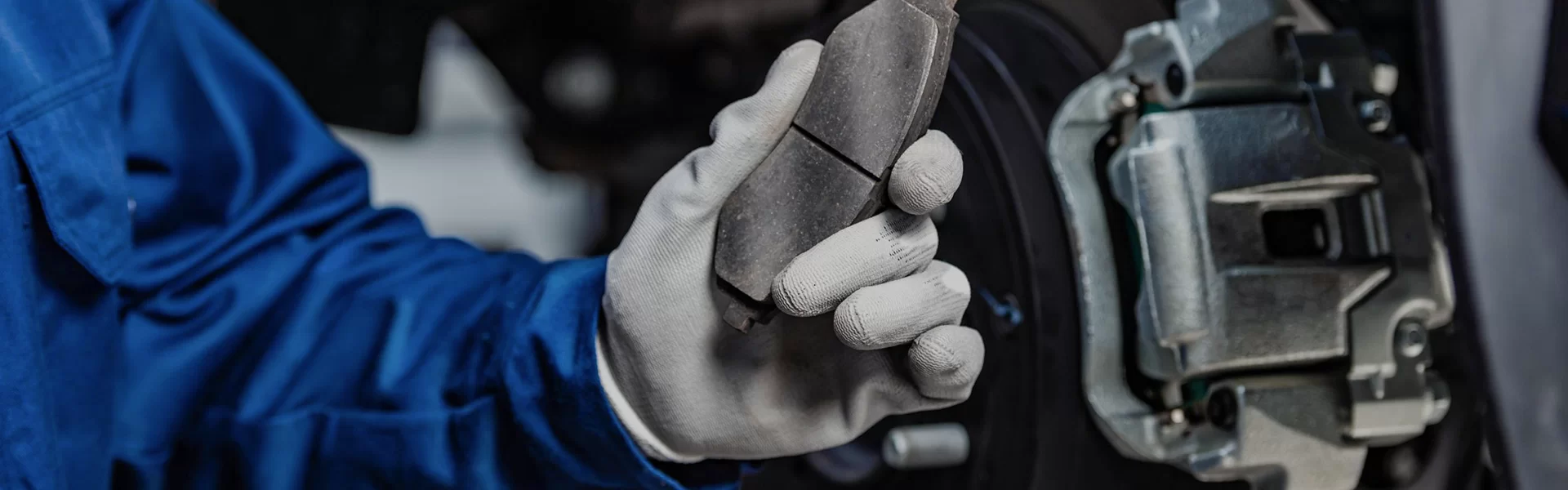
When was the last time you pondered what stops that heavy truck just in time or how industrial machinery ensures safety with every operation? Cast iron brake shoes may sound technical or even pedestrian on paper, but they play a critical role worldwide. These sturdy components are literally the unsung heroes behind effective braking systems across vehicles and machines that power industries from mining to logistics. Understanding their properties, applications, and evolving role is not just engineering nerd talk — it’s about safety, efficiency, and even sustainability on a planetary scale.
Globally, transport accounts for a significant portion of economic activity—and with over 1.4 billion vehicles on roads worldwide according to Wikipedia, brakes are a constant demand. Cast iron brake shoes are favored especially in heavy-duty applications due to their robustness and heat resistance. The International Organization for Standardization (ISO) endorses strict materials and safety norms for such components, ensuring global quality standards. But the challenge remains: as vehicles grow heavier and industries more demanding, brake shoes must balance cost, durability, and performance. This is especially critical in developing regions where high-quality replacements mean fewer accidents and longer equipment life.
Oddly enough, in emergency or humanitarian operations, reliable braking can make all the difference. Imagine heavy vehicles navigating disaster zones laden with relief supplies. Cast iron brake shoes often make the difference between smooth operation and equipment failure under stress.
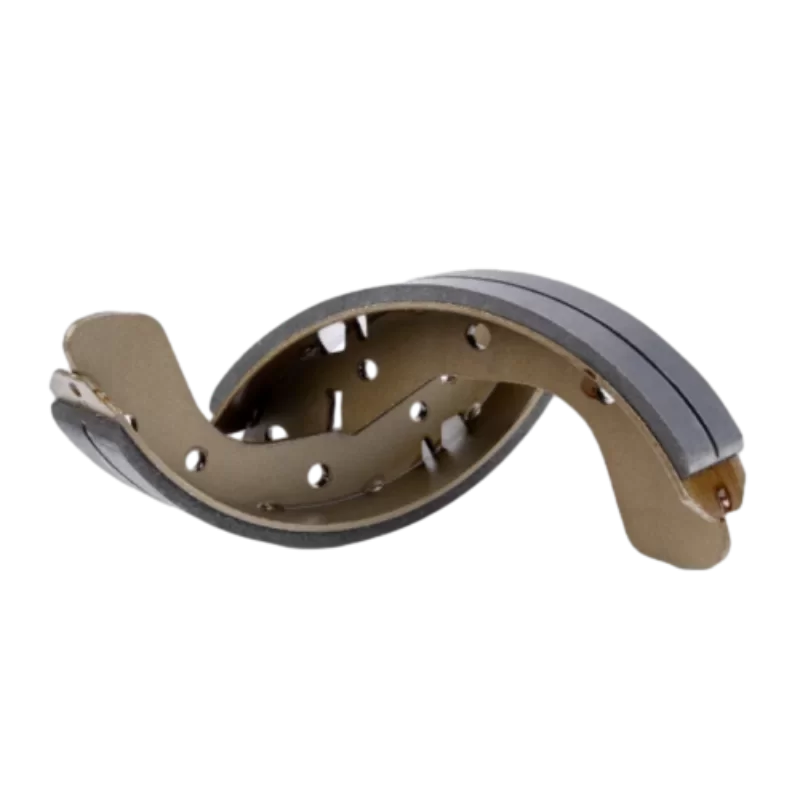
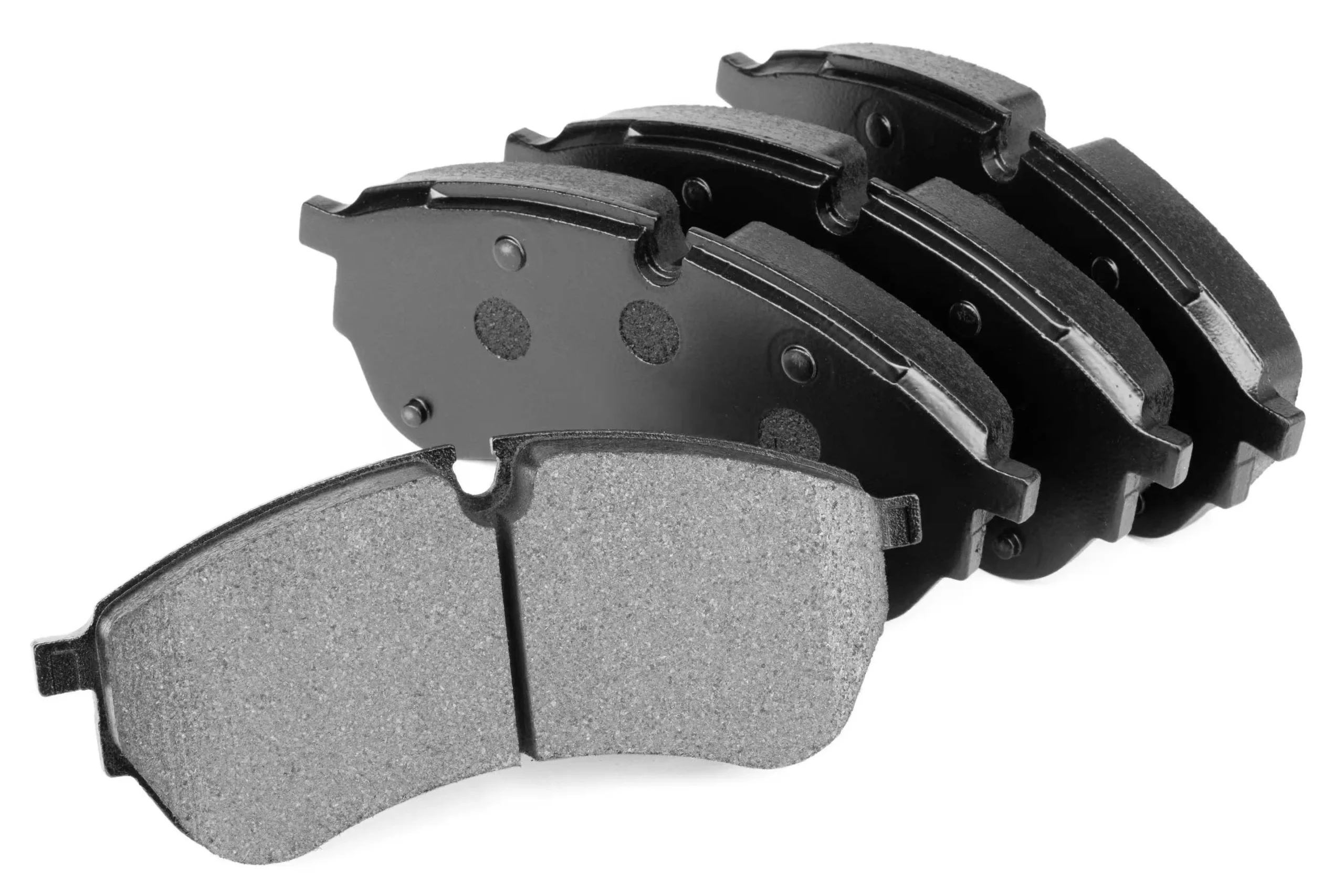
Put simply, cast iron brake shoes are curved pieces made primarily from cast iron that press against a rotating drum to create friction, slowing or stopping the motion. They usually have a friction lining attached to enhance braking power but the cast iron body delivers the strength and heat dissipation needed for safe, reliable braking.
In modern industry, these brake shoes are critical components not just in vehicles but also in machinery where controlled stopping is key for safety and precision. These humble parts tie into much bigger conversations: from worker safety on factory floors to the efficiency of transportation networks.
Cast iron's natural ability to withstand high temperatures without deformation makes it perfect for braking, where heat buildup is a serious concern. This means longer service life and fewer replacements. Many engineers emphasize this as a primary advantage, especially in heavy-load scenarios.
Compared to exotic composites or ceramics, cast iron brake shoes are relatively inexpensive to produce. This cost-effectiveness has significant operational benefits for fleet management and industries operating on tight margins.
Thanks to traditional casting methods, producing these brake shoes is well-understood and can be scaled globally. This translates to ready availability and easier aftermarket support — crucial in remote or emerging markets.
They deliver reliable frictional force with predictable wear patterns, which means maintenance schedules can be planned logically — a huge plus when equipment uptime counts.
While cast iron is not the lightest or greenest material, recycling scrap iron and advances in eco-friendly manufacturing processes are slowly improving the overall footprint. More on that later.
Mini takeaway: The combination of durability, cost, and performance cements cast iron brake shoes as a practical mainstay in heavy-duty braking systems worldwide.
Their use spans many industries and territories, sometimes in ways you wouldn’t expect:
For example, in Southeast Asia’s dense urban transport systems, cast iron brake shoes help buses maintain stopping power despite frequent use. Likewise, in African mining areas, operators credit these components for minimizing downtime during critical extraction hours.
| Specification | Detail |
|---|---|
| Material Composition | Gray cast iron, often with added graphite for thermal conductivity |
| Operating Temperature Range | Up to 500°C (932°F) continuous, peak higher |
| Typical Thickness | 8–15 mm |
| Friction Coefficient (dry) | 0.35–0.45 |
| Lifespan | 20,000–50,000 km in automotive use, depending on conditions |
| Vendor | Material Quality | Certification | Customization Options | Global Reach / Support |
|---|---|---|---|---|
| Vendor A | High-grade gray cast iron | ISO 9001, ISO 14001 | Yes, custom shapes & sizes | Worldwide |
| Vendor B | Standard cast iron blend | ISO 9001 only | Limited options | Regional (Asia) |
| Vendor C | Eco-friendly recycled material | ISO 9001, ISO 50001 | Yes, with fast lead times | Global with localized centers |
From the moment manufacturers stamp out a brake shoe from molten iron until it ends its service life, several benefits become apparent:
It’s worth reflecting on how something as “basic” as a brake shoe supports trust — that a vehicle will stop, a conveyor will halt, a crane won’t slip unexpectedly. That’s peace of mind, and frankly, it’s priceless.
The future isn’t static, even for cast iron brake shoes. Innovations aim to make them lighter, greener, and smarter. For instance:
Furthermore, as electric vehicles grow, the brake systems evolve too — regenerative braking coexists with traditional brakes, meaning cast iron shoes must adapt to different wear patterns.
It’s not all smooth sailing. Cast iron brake shoes face certain limitations:
Experts are exploring hybrid materials and better linings. Some firms invest in predictive maintenance to replace parts before failure. Plus, you’ll find manufacturers pushing to improve recycling rates and reduce carbon footprints.
A1: Cast iron brake shoes are prized for durability and cost-effectiveness in heavy-duty applications, while materials like ceramics or composites tend to offer lighter weight and quieter operation. However, cast iron’s heat tolerance and wear resistance make it ideal for trucks and industrial gear.
A2: Absolutely. Many vendors offer tailored shapes, sizes, and lining materials to suit specific industrial requirements. This is crucial for applications that demand precise fit and performance.
A3: While cast iron is not the most lightweight or "greenest" material, advances in recycling and cleaner manufacturing are reducing its environmental impact. Using recycled iron materials is increasingly common.
A4: Typically, brake shoes last anywhere from 20,000 to 50,000 kilometers depending on vehicle usage, road conditions, and maintenance. Regular inspections help prevent unexpected failures.
A5: Many reputable vendors operate globally with certifications like ISO 9001. Checking vendor certifications and customization capabilities ensures quality and timely supply. For instance, visit cast iron brake shoes suppliers trusted worldwide.
Cast iron brake shoes might not be the flashiest parts in engineering—but their combination of strength, reliability, and cost-effectiveness keeps them relevant, especially in heavy industries worldwide. In real terms, they underpin safety and performance in some of the toughest conditions imaginable.
If your operations depend on durable brake components, or if you’re curious about upgrading with proven solutions, visit cast iron brake shoes suppliers for product details and support.
After all, sometimes it’s the tried-and-tested workhorses like cast iron brake shoes that hold the key to progress — steady, dependable, and quietly powerful.