If you’ve ever wondered what keeps those massive trains slowing down safely and reliably, cast iron locomotive brake shoes play a starring role. Though they might not make headlines, these sturdy components are crucial to the smooth operation of railways worldwide. From the chilly Canadian Rockies to bustling Asian freight corridors, brake shoes withstand enormous pressure, friction, and wear — all so passengers and cargo can arrive safely. Understanding their design and usage is more than just a technical curiosity; it’s about appreciating the backbone of global transport reliability and safety.
Railways move roughly 10 billion tons of freight annually worldwide. According to the International Union of Railways (UIC), braking systems are a central focus area for safety enhancements, with failures counted among the most critical risks to operations (Wikipedia: Railway brake). Cast iron brake shoes have stood the test of time by providing the perfect balance of durability and braking power at a reasonable cost.
Yet, the industry faces a persistent challenge: improving brake shoe longevity and performance while complying with tighter environmental and safety standards. With newer trains hitting higher speeds and carrying heavier loads, older materials have started showing their limits. So understanding the nuances of cast iron locomotive brake shoes directly connects to how the rail sector adapts to modernization.
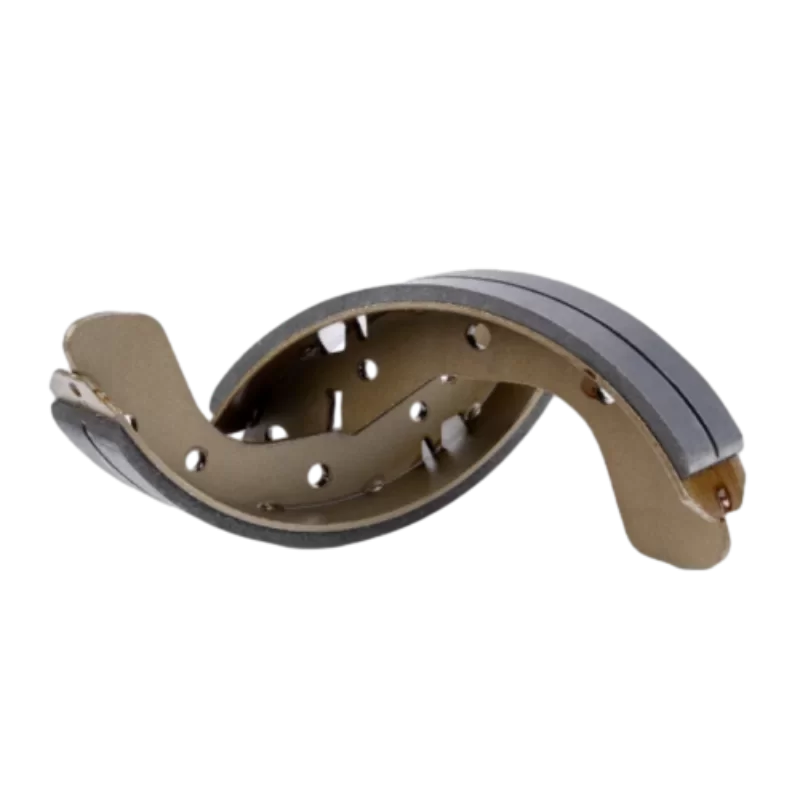
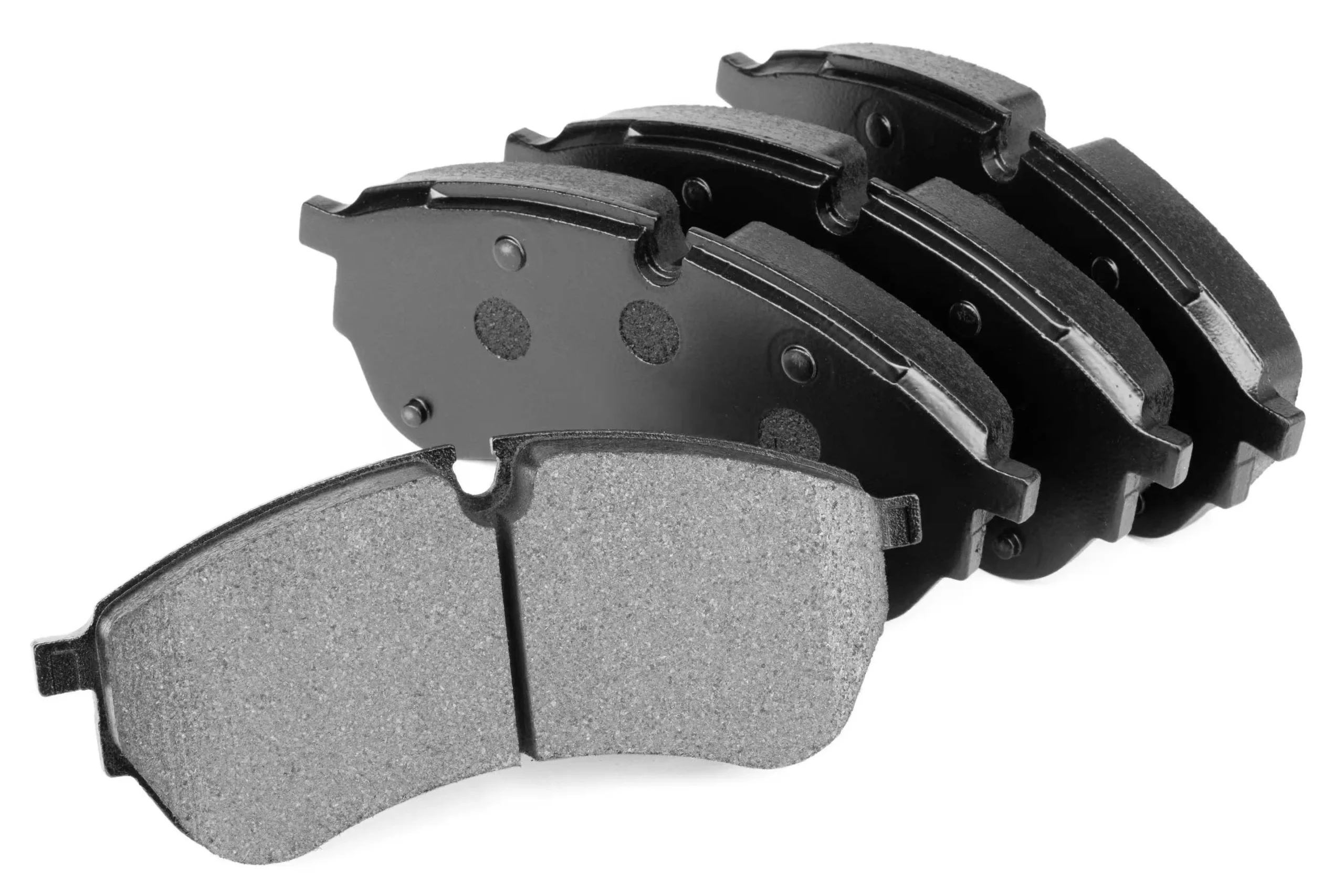
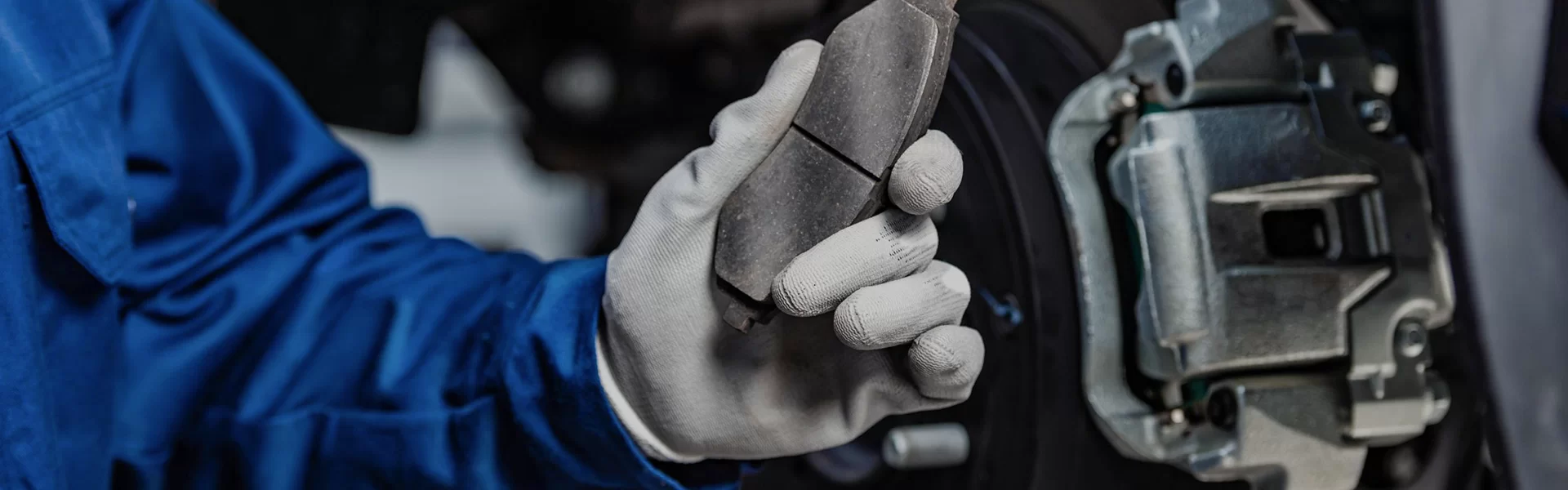
Simply put, cast iron locomotive brake shoes are thick, curved blocks attached to a train’s braking system. When the brakes apply, these shoes press against the train wheels, creating friction that slows or stops the train. Made predominantly from cast iron — a material prized for its hardness and wear resistance — these brake shoes must handle the brutal forces created during high-speed stops.
Their industrial importance can’t be overstated. Modern industries and humanitarian efforts depend on consistent rail transport. Whether it's delivering food relief to remote communities or transporting manufacturing components across continents, reliable brakes ensure safety and continuity.
Cast iron’s inherent robustness makes these brake shoes resistant to wear from constant friction over long distances. A longer lifespan translates to fewer replacements, reducing both downtime and costs.
Braking generates a lot of heat — sometimes thousands of degrees in friction zones. Cast iron withstands these thermal stresses without deforming, preventing brake fade, an infamous safety hazard.
Compared to alternatives like composite materials, cast iron offers a strong performance-to-cost ratio. Rail companies can budget maintenance more predictably without compromising safety.
The casting process is well-established, allowing for mass production with tight tolerances. This scalability supports global demand without bottlenecks.
Though cast iron is recyclable, prolonged use and disposal raise questions about sustainability. Some manufacturers are exploring greener alloys, but cast iron remains dominant for now.
Designed to fit a wide range of locomotive wheel designs, cast iron shoes can be quickly swapped during servicing, crucial for minimizing train downtime.
Mini takeaway: The blend of strength, heat resistance, and cost-effectiveness explains why cast iron remains the go-to brake shoe material for heavy rail operators worldwide.
One intriguing case is a railway operator in India who reported a 15% reduction in brake shoe replacements after switching to a higher-grade cast iron composite adjusted for local climate conditions. Safety inspections also improved, cutting downtime significantly.
Cost matters — but so does trust. Cast iron brake shoes offer a proven track record of safety that few materials match. They contribute to:
And honestly, there’s a comfort in proven solutions — the kind that engineers and operators feel in their gut.
| Specification | Typical Value |
|---|---|
| Material | Gray Cast Iron (ASTM A48 Class 30) |
| Hardness | 180–220 HB |
| Operating Temperature | Up to 500°C |
| Average Service Life | 50,000 to 70,000 km (varies by usage) |
| Weight per Shoe | ~10 kg |
| Typical Dimensions (L×W×H) | 350×120×40 mm |
| Vendor | Material Quality | Price Range (USD) | Customization Options | Geographical Reach |
|---|---|---|---|---|
| RailTech Components | High-grade gray cast iron | 300–450 per set | Custom sizes and heat treatment | North America, Europe |
| GlobalBrake Solutions | Standard ASTM A48 cast iron | 280–400 per set | Moderate, mostly standard sizing | Asia, Australia |
| Industrial Brake Systems | Recycled cast iron composites | 350–470 per set | Full customization & rapid prototyping | Global |
Interestingly, the push for greener transport isn’t ignoring brake components. Some innovators are blending cast iron with eco-friendly metals or ceramic composites to lower overall weight and reduce particulate wear emissions. Automation and digital sensors are beginning to monitor shoe condition in real-time, optimizing maintenance schedules. Plus, some rail bodies are trialing biodegradable brake blocks for non-critical cars, though cast iron remains king for heavy-duty needs.
Cast iron brake shoes do face issues, mainly wear over long distances and occasional cracking under extreme conditions. Traditionally, maintenance teams had to remove, inspect, and replace shoes manually — a time-consuming task. To improve this, some manufacturers now offer precision heat treatment and controlled casting techniques that vastly extend trailer life. Additionally, predictive analytics combined with embedded sensors help engineers anticipate failures before they cause delays or accidents.
So here we stand, looking at cast iron locomotive brake shoes not just as metal blocks, but as critical enablers of safe, reliable, and cost-effective rail transport across continents. They blend time-tested materials with ongoing innovations to meet tomorrow’s demands. If you’re involved in railway operations, maintenance, or equipment purchasing, keeping an eye on these humble components is no trivial matter.
Interested in upgrading your fleet’s brake reliability? Visit cast iron locomotive brake shoes for trusted products and expert advice today.
Safe travels, and here’s to smoother stops!