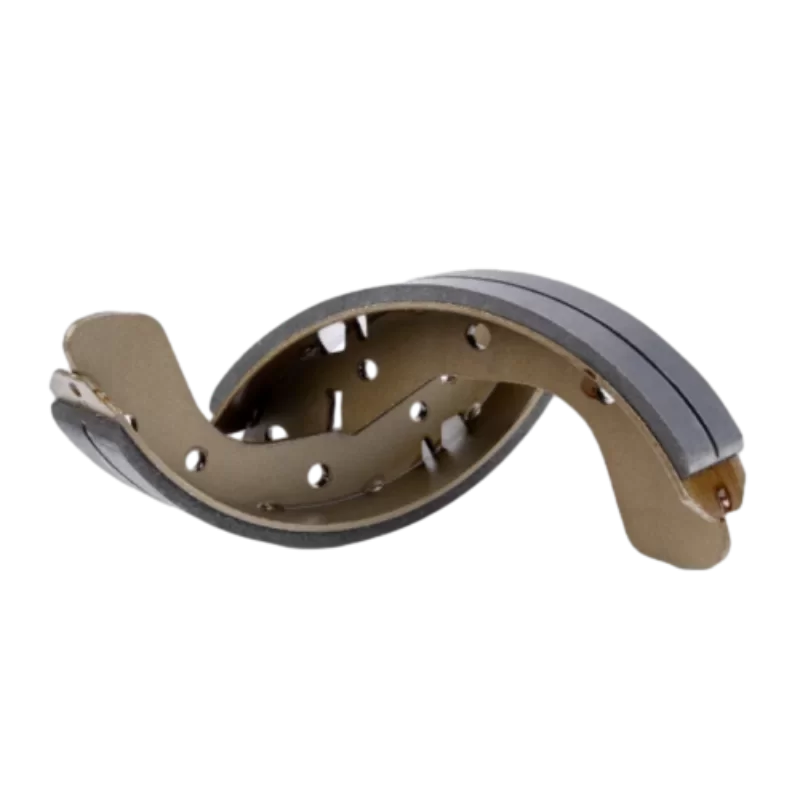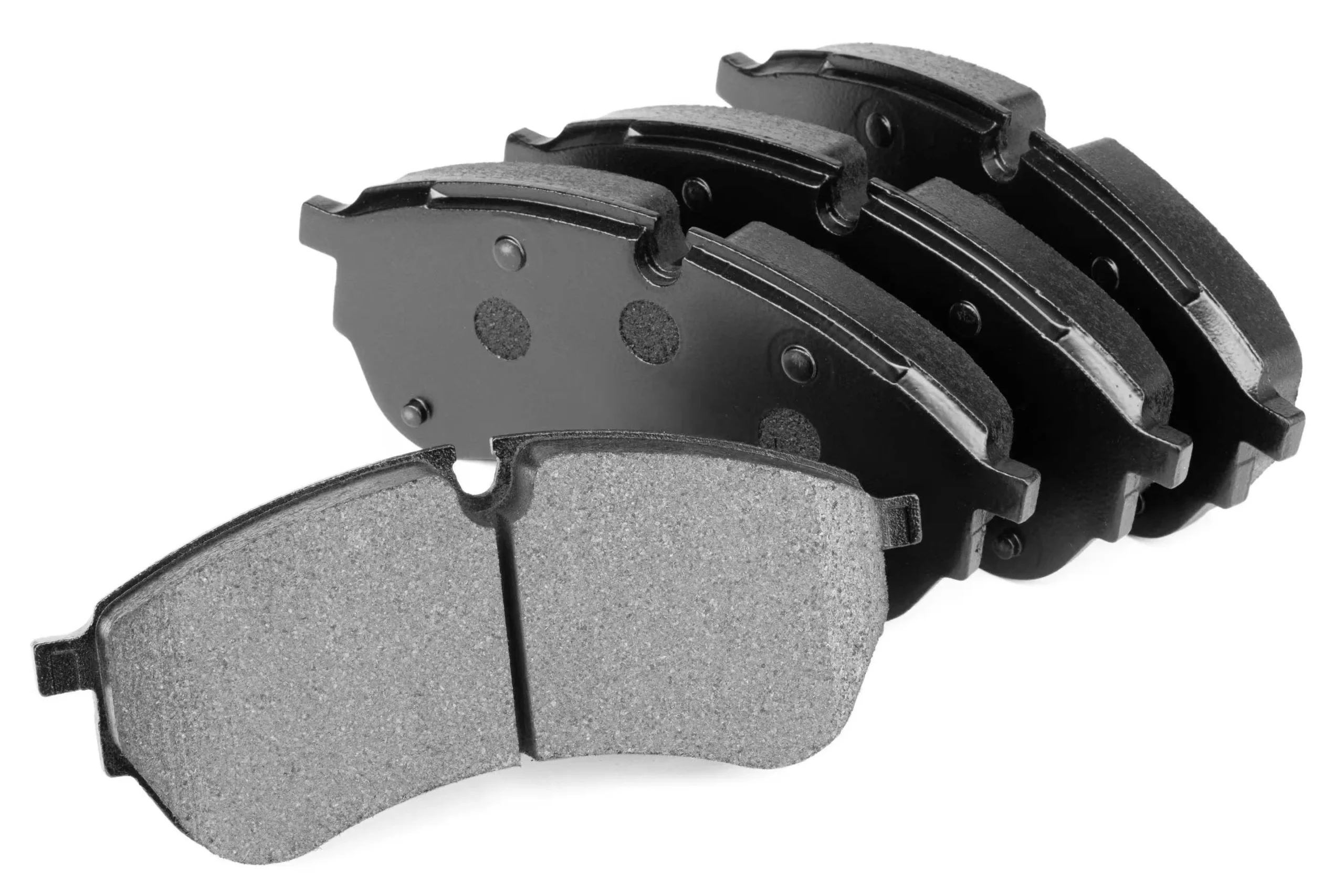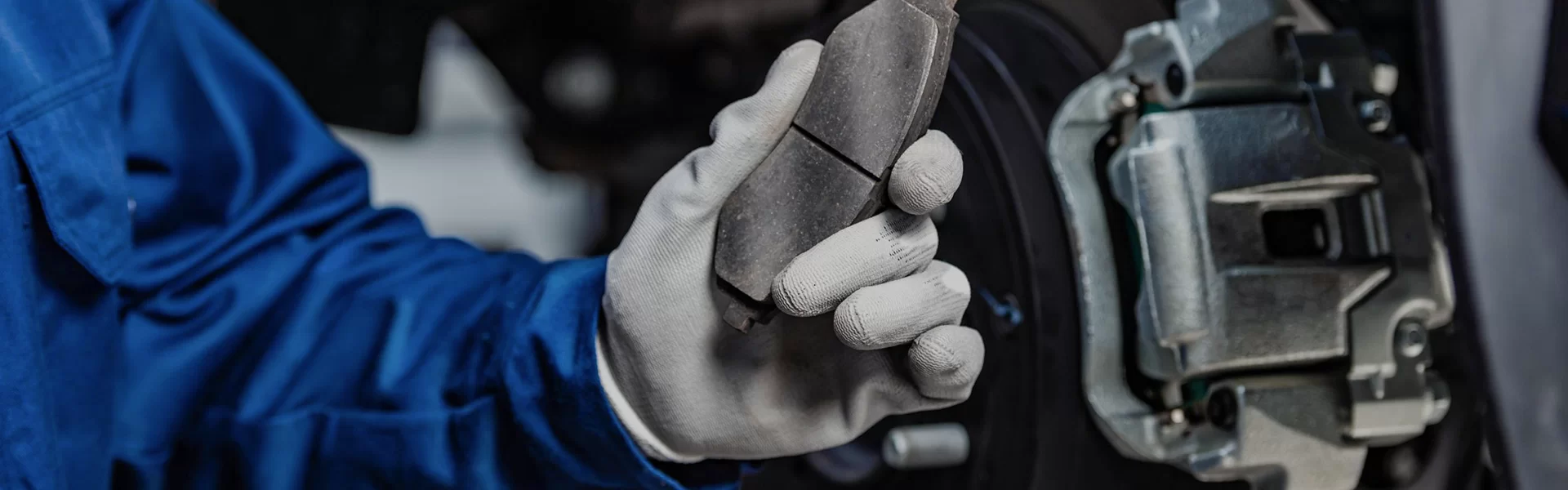
You might not give much thought to brake shoes for golf cart, but these unassuming components play a surprisingly vital role in the smooth, safe running of golf carts worldwide. Globally, golf carts have moved well beyond just courses — they're used in resorts, campuses, warehouses, and even large industrial sites. And wherever they zip along, reliable braking is not just about stopping — it's about safety, maintenance costs, and environmental impact. Understanding brake shoes for golf carts unlocks insights into how tiny but mighty parts contribute to bigger operations, cost savings, and even sustainable practices.
Let’s take a closer look — it’s not just golf carts but the broader ecosystem of light electric vehicles that hinge on good braking technology.
Across the globe, the use of electric golf carts is projected to grow steadily, with the global market expected to hit over $3 billion by 2028 (source: MarketWatch). This rise accompanies increasing urbanization, green transport initiatives, and a growing preference for eco-friendly, low-speed vehicles. Brake shoes, the friction components inside drum brakes, are critical to ensuring that these vehicles stop safely and efficiently.
Industry data from the International Organization for Standardization (ISO) stresses that reliable braking systems reduce accidents and maintenance costs — a key factor in fleet operations. Yet, problems persist: brake shoes that wear too fast, generate dust, or don’t fit well can cause downtime, irritation (literally — brake dust is a nuisance), and even safety hazards.
So, the big question: how do modern brake shoes for golf carts tackle these issues? And why should operators care?
Simply put, brake shoes are curved pieces of metal lined with a friction material — kind of like the soles on your favorite sneakers. Inside the brake drum, when you push the brake pedal, the shoes press outward against the spinning drum to slow the wheels down. Basic, but essential.
Thanks to advances in materials science and manufacturing, brake shoes today are not only stronger but designed to last longer and reduce environmental impact. This matters far beyond fairways: Think green campuses, facility vehicles in airports, and even transport in developing areas where reliable brakes mean safer, less costly operations.
Golf cart brake shoes need to withstand consistent stopping without cracking, glazing, or deteriorating prematurely. Good brake shoes last thousands of miles in typical use, sometimes up to 30,000 miles. Durability matters because rough replacements or sudden failures impact safety and budgets.
The friction material is the heart of the brake shoe. It must generate enough stopping power quickly without wearing down fast or irritating the environment with too much dust. Newer composites carefully balance these factors, often with fiberglass, resins, or semi-metallic blends.
Brake shoes have to be tailored to specific golf cart models or brake drum sizes. Poorly fitted parts can cause uneven wear, noise, or reduced braking effectiveness. Precision engineering here saves headaches.
Brakes generate heat, especially when used often on slightly hilly terrain or with loads. Materials that resist heat prevent warping or fading, preserving safe stopping power under real-world conditions.
Low dust and non-toxic materials reduce exposure to harmful particles and make disposal easier—which is gaining importance in regulations worldwide.
Quick takeaway: Brake shoes for golf carts blend toughness, precision, and environmental care to deliver safe, dependable braking that keeps fleets rolling efficiently.
From bustling campuses in the United States to sprawling golf resorts in Europe and safe transit in Asia-Pacific's crowded urban spaces, brake shoes quietly do their job. I found it striking that in remote industrial zones in Australia and mining towns in Africa, golf carts or utility vehicles with reliable brakes improve safety and speed onsite tasks without the carbon footprint of bigger vehicles.
In post-disaster relief efforts, where road conditions are dicey, sturdy brake shoes reduce accidents as small vehicles ferry supplies through unpaved terrain. Plus, rental facilities and campground operators rely on quality brake shoes to minimize downtime and maximize user confidence.
It’s tempting to go for cheaper, generic brake shoes, but the clear advantages tell us otherwise:
In fact, many fleet managers have noticed reduced overall operational disruptions and even insurance benefits after switching to higher-grade brake shoes.
| Specification | Typical Value | Notes |
|---|---|---|
| Material | Semi-metallic composite | Balanced strength and friction |
| Operating Temperature | -20°C to 200°C | Heat resistant |
| Lifespan | 20,000 - 30,000 miles | Depends on terrain/use |
| Dust Emission | Low dust formulation | |
| Compatibility | Fits most standard golf cart drum sizes | Custom options available |
| Vendor | Material Quality | Price Range (per set) | Lead Time | Warranty | Customization Options |
|---|---|---|---|---|---|
| KyBrakePad | Semi-metallic advanced composite | $40 - $65 | 2-4 weeks | 1 year / 12,000 miles | Yes - size & material blends |
| BrakeMate Inc. | Organic | $30 - $50 | 3-6 weeks | 6 months | Limited |
| SafeStop | Fully metallic | $50 - $70 | 1-3 weeks | 1 year | Yes - mostly standard sizes |
Brake technology keeps evolving. Hybrid ceramic composites and resin-infused linings aim to cut wear and noise even further. Digital monitoring—embedded sensors reporting brake wear in real time—are also becoming a thing in fleet management, helping avoid unexpected downtime.
Oddly enough, there’s also a growing focus on eco-friendly materials that reduce hazardous dust and improve recyclability, aligning with stricter global environmental standards. As electric vehicles become the norm, these smaller components feel the ripple effects directly.
One frequent complaint is premature wear caused by poor installation or using incompatible brake shoes. Pro tip: always match the shoe size and material to the cart’s brake drums, keeping in mind terrain and load conditions.
Heat buildup can cause fading or warping, but newer materials, as mentioned, mitigate this. For heavy-use carts, consider shoes with enhanced heat resistance and regular brake system inspections.
Sure, brake shoes might feel like a small cog in your golf cart’s wheel, but their role is both foundational and far-reaching. From safety and cost savings to sustainability and ride comfort, investing time and care in choosing the right brake shoes pays dividends in the long haul.
If you want to keep your fleet running smooth, stop reliably, and stay ahead with the latest in brake shoe tech, look no further than KyBrakePad. Explore their range and see what’s possible for your golf cart today.
Final thought: As with many vehicle parts, the quiet heroes often go unnoticed until they’re gone — brake shoes can be that hero for your golf carts.