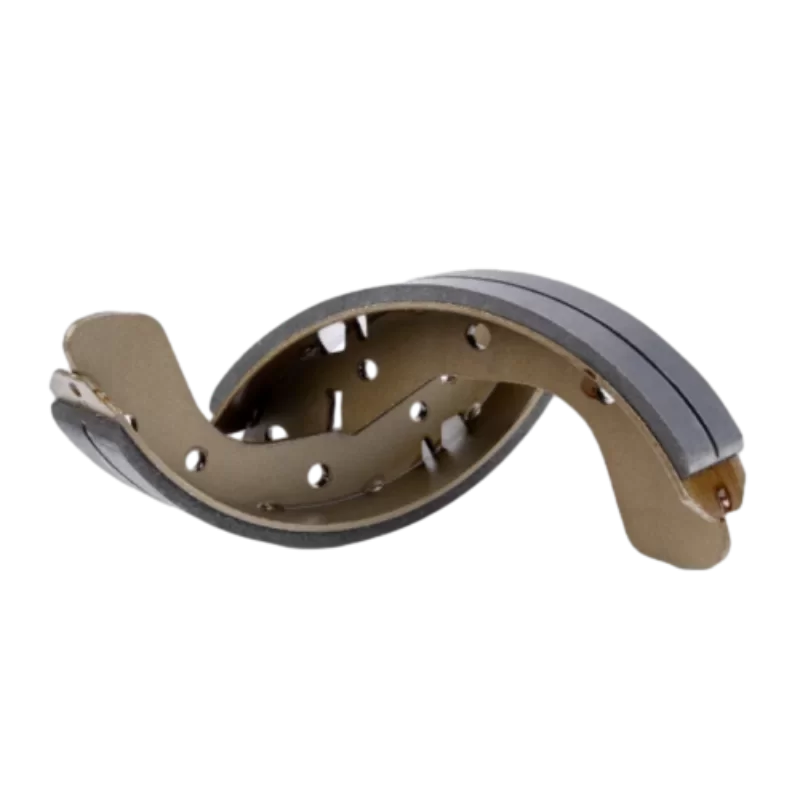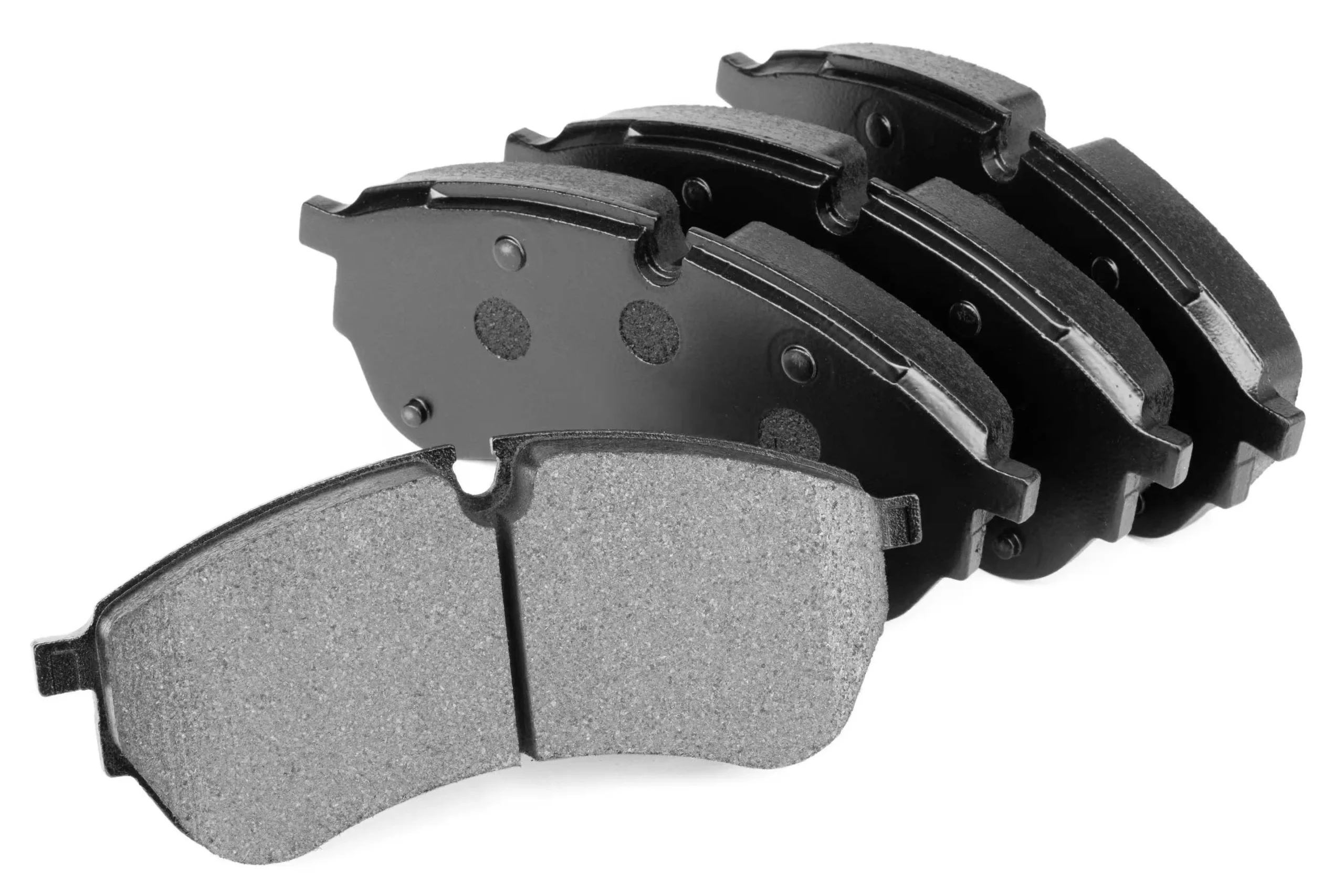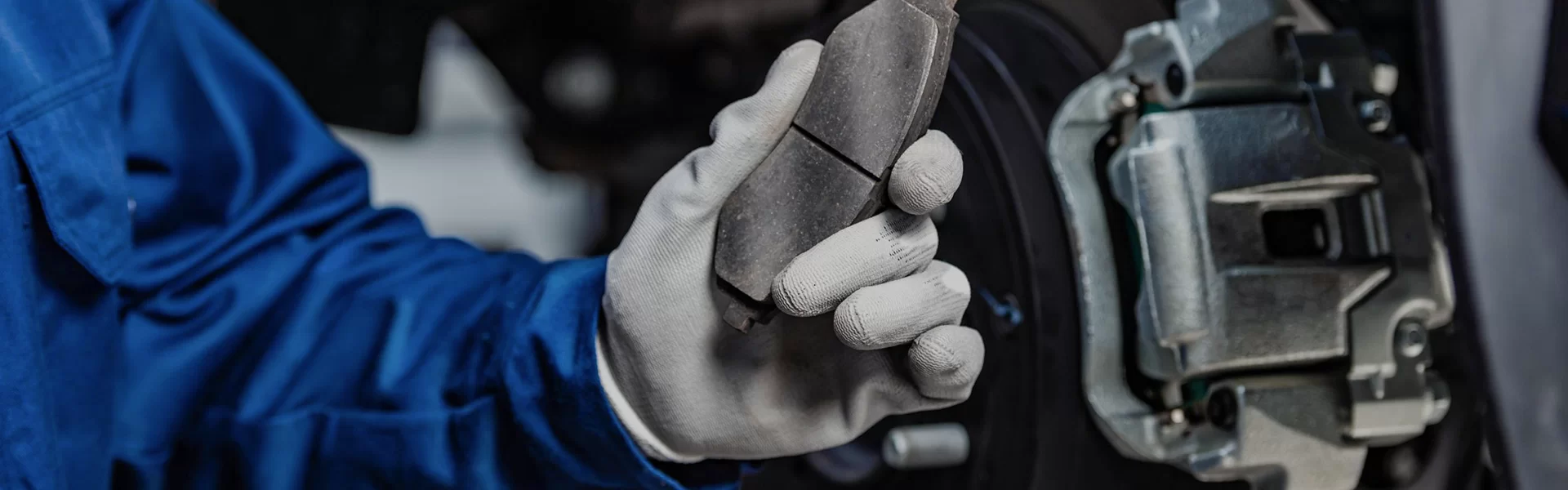
Emergency brake shoes are a specialized, often unsung, component that plays a vital role in transport safety and industrial machinery. For anyone unfamiliar, these are the friction-based pads responsible for quickly halting motion during urgent stops—think of them as the silent guardians in vehicles or equipment that prevent accidents and safeguard lives. Globally, their importance is not only technical but humanitarian. The ability to dependably stop heavy machinery or transport in precarious situations can reduce injuries, save costs from damage, and ultimately, enhance trust in critical systems.
But why should we globally care about something as seemingly small as brake shoes? It’s about safety, efficiency, and the ripple effect in industries that keep societies running smoothly: logistics, manufacturing, rail transport, and even aerospace. As industries become faster, heavier, and more automated, the role of emergency brake shoes becomes increasingly crucial.
Mini takeaway: Understanding the function and benefits of emergency brake shoes is key for professionals looking to balance safety and performance in high-stakes environments.
Let’s put it in perspective. The International Organization for Standardization (ISO) reports that over 70% of industrial accidents involving machinery include issues with braking or control systems. Meanwhile, the World Bank’s logistics performance index highlights that improved transport systems directly enhance economic growth and reduce fatalities on roads. Emergency brake shoes—and their quality—bear a surprising weight in these statistics.
Across continents, the challenges vary:
So the question emerges: how to design and source emergency brake shoes that maintain excellent performance under differing stresses, climates, and regulations? That’s a puzzle engineers and manufacturers have been piecing together for decades.
Mini takeaway: Emergency brake shoes form a critical link in global transport and machinery safety chains, particularly amid increasing automation and complexity.
In simplest terms, emergency brake shoes are curved friction elements pressed against a rotating drum to halt or decelerate motion quickly in emergencies. They convert kinetic energy into heat through friction — a messy but simple physics trick. These components are often found in heavy vehicles like trucks, trains, and construction machinery, as well as in conveyor systems or elevators.
They differ from service brakes because they’re designed for rapid activation during sudden stops, not routine slowing. Reliably stopping a full train car or a heavily loaded crane in seconds is no small feat — that’s why the material composition, fitting accuracy, and heat tolerance matter greatly.
Beyond machinery, emergency brake shoes have significance in humanitarian fields: ensuring evacuation lifts stop safely; facilitating disaster relief operations with reliable transport; and even influencing protective equipment design.
Mini takeaway: Emergency brake shoes are simple yet vital components engineered for rapid and reliable stopping in crisis moments.
A brake shoe faces immense friction repeatedly. Without durable, heat-resistant materials—like advanced composites or treated metallic alloys—it would wear out quickly, risking failure during emergencies.
A shoe must fit its drum exactly; otherwise, it’ll either chatter, cause uneven wear, or fail completely. Scalability means manufacturers can produce tailored sizes for everything from small industrial conveyors to giant freight trains.
Economics matters, especially for fleets or industries with hundreds of vehicles or machines. Striking a balance between cost, quality, and lifespan is an ongoing struggle.
Modern brake shoes increasingly use eco-friendlier materials to reduce hazardous waste and pollution while maintaining performance.
ISO standards (e.g., ISO 9001 for quality and ISO 26262 for functional safety in vehicles) directly influence design and acceptance in global markets.
Mini takeaway: Material science and craftsmanship combine in emergency brake shoes to deliver a reliable, fit-for-purpose safety tool.
The variety of real-world contexts where emergency brake shoes matter is surprisingly broad.
For instance, in the mountainous railway routes of Switzerland, engineers use customized composite emergency brake shoes that reduce wear on tracks and increase lifespan - cutting down maintenance costs and saving environmental resources.
Mini takeaway: Whether it’s urban trains or remote heavy equipment, emergency brake shoes are tailored globally for specific, challenging environments.
Besides the obvious—stopping dangerous moves—they bring several other advantages:
Frankly, it feels like a small part of a machine but with massive responsibility. In fields like emergency evacuation or heavy lifting, the reliability of these components literally represents the difference between harm and safety.
Mini takeaway: Emergency brake shoes deliver considerable operational, social, and environmental benefits — making them indispensable.
The future is, of course, about smarter materials and smarter integration:
Manufacturers are pushing boundaries here — and it’s exciting to see technologies that were once sci-fi become practical solutions in emergency braking.
Mini takeaway: Advancements in materials and smart tech are setting the stage for safer, greener emergency brake shoes.
Of course, it isn’t all smooth. Some hurdles remain:
Innovative solutions include:
Many engineers I’ve talked to emphasize supplier transparency and long-term partnerships as critical to overcoming these challenges.
Mini takeaway: The balance between durability, cost, and compliance requires ongoing innovation and collaboration.
In a world where safety and reliability are increasingly non-negotiable, emergency brake shoes stand as guardians of human life and industrial assets. They might seem like a minor detail tucked inside complicated machines, but without them, operations halt in more ways than one. Investing in the right brake shoes pays dividends in trust, efficiency, and peace of mind.
Curious to know more or ready to upgrade your industrial braking solutions? Visit our website for detailed guides, product options, and expert support at https://www.kybrakepad.com.
| Specification | Typical Value | Notes |
|---|---|---|
| Material | Semi-metallic Composite | Balanced durability & friction |
| Operating Temperature | -40°C to 400°C | Handles extremes in industrial environments |
| Average Lifespan | 12,000 km (vehicles) / 3 years (industrial use) | Depends on use & maintenance |
| Compliance | ISO 9001, ISO 26262 | Meets global safety quality standards |
| Weight | 0.8 - 2.5 kg (varies by size) | Lightweight design helps reduce wear |
| Vendor | Material Innovations | Market Focus | Price Range | Global Reach |
|---|---|---|---|---|
| BrakeTech Corp. | Carbon-ceramic blends | High-speed rail & heavy vehicles | $$$ (Premium) | Global (Europe, Asia, US) |
| SafeStop Inc. | Eco-friendly organic composites | Light industrial & urban transit | $ – $$ | North America, Europe |
| Global Brake Solutions | Standard semi-metallic | General industrial & automotive | $ | Worldwide |