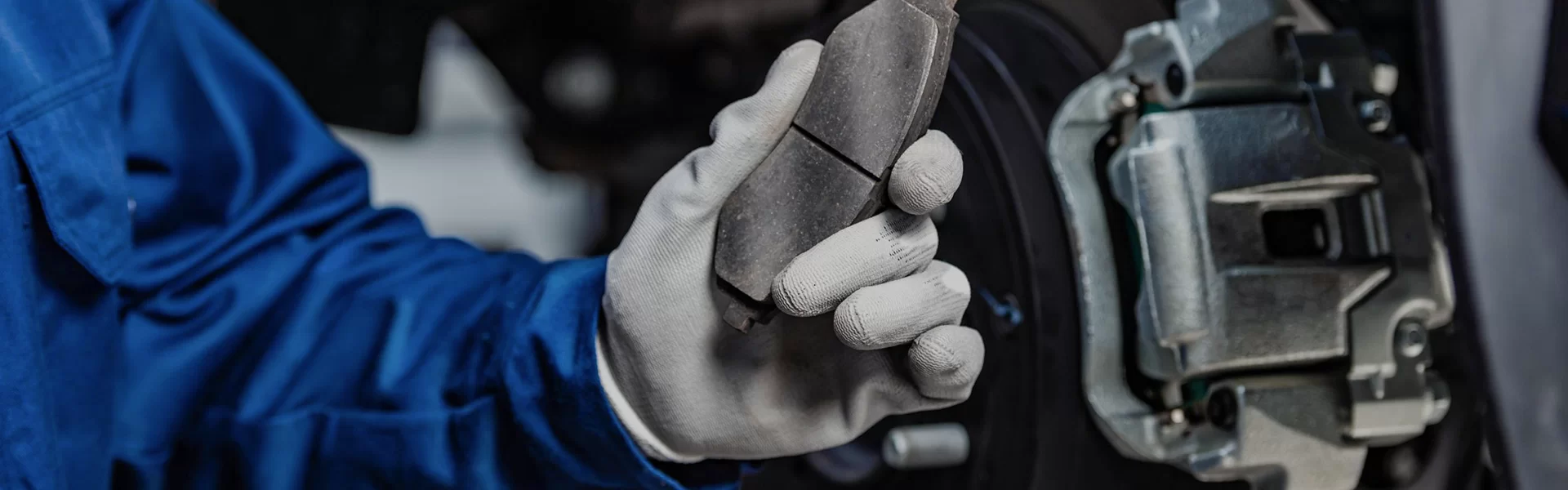
If you’ve ever been behind the wheel, you’ve felt the quiet strength of brake pad brake shoe systems at work. These essential components quietly convert kinetic energy into stopping power, ensuring that vehicles halt safely and efficiently. But beyond individual cars, their impact ripples globally—affecting transportation safety, industry standards, and even environmental sustainability. Understanding brake pad brake shoe technology isn’t just for mechanics or car enthusiasts; it’s a must-know for anyone invested in safer roads, efficient mobility, and greener engineering.
According to the World Health Organization (WHO), road traffic injuries are among the leading causes of death worldwide, claiming over 1.3 million lives yearly. Reliable braking systems are critical to reducing these numbers. Brake pads and shoes, despite their modest size, form the heart of passive safety in vehicles — commercial trucks, public transport, and passenger cars alike.
Moreover, with global automotive production expected to cross 100 million vehicles annually by 2026 (OICA), demand for durable and high-performance brake components skyrockets, raising challenges related to materials sourcing, manufacturing efficiency, and compliance with increasingly strict safety regulations worldwide.
Interestingly, this pushes the industry to innovate sustainably — not just making brakes that last longer but producing them with less environmental impact.
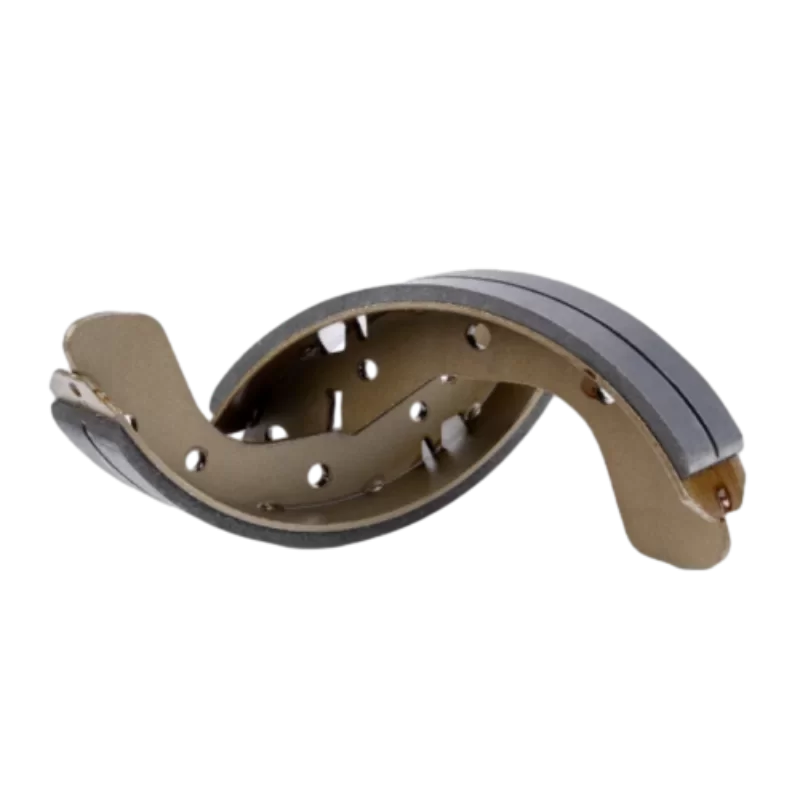
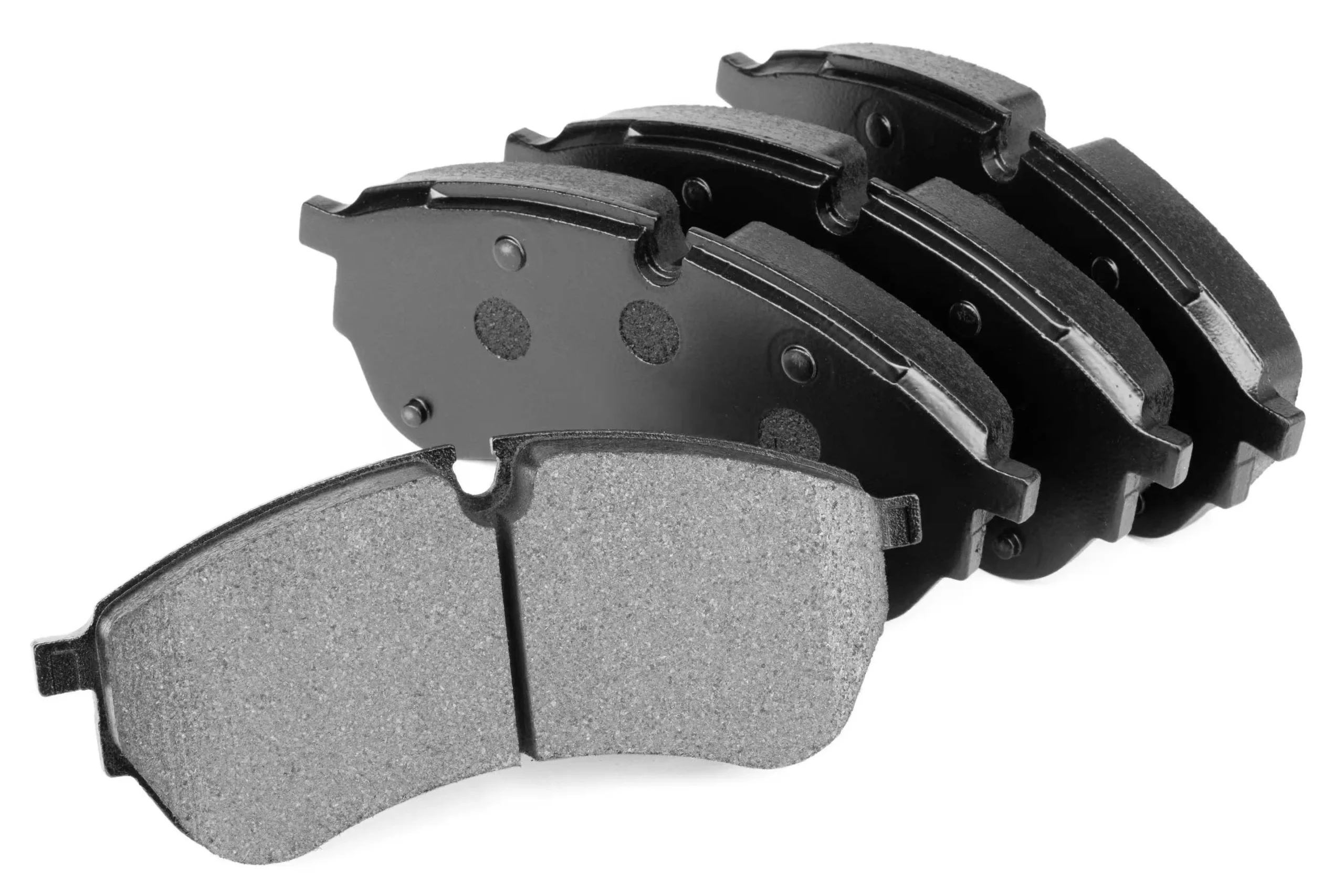
Simply put, a brake pad brake shoe is the friction material component squeezed against a drum or disc to slow down or stop a vehicle. Brake pads work with disc brakes and are typically found on front wheels, while brake shoes operate inside drum brakes, often on rear wheels.
They transform the vehicle’s kinetic energy into heat through friction, enabling controlled deceleration. Modern brake pads and shoes blend materials science with mechanical design—sometimes using composites like ceramic, semi-metallic, or low-metallic compounds—to balance performance, noise reduction, and longevity.
One might think this is just about cars, but these components also influence heavy machinery, trains, and even aerospace applications, where precise control is mission-critical.
Brakes face harsh conditions: dirt, moisture, heat, and relentless mechanical wear. Hence, durability is non-negotiable. Modern brake pads use layered composites designed to resist wear and fading, which ensures drivers don’t have to replace them every 10,000 miles—or less.
Balancing cost and quality is tricky. Premium materials increase longevity but hike prices. The industry constantly juggles performance with affordability to deliver products accessible to diverse markets.
Braking generates intense heat; effective brake pads dissipate this heat quickly. Good thermal conductivity reduces brake fade (loss of effectiveness), a key safety factor.
It’s something drivers notice immediately: squeals or thuds. Brake systems have to minimize these for comfort and perceived vehicle quality.
Companies increasingly develop low-dust and heavy metal-free brake pads to reduce airborne particles and water contamination.
Durability, cost, thermal behavior, comfort, and eco-friendliness all intertwine to define modern brake pad brake shoe quality. They’re not just “parts”; they’re a symphony of engineering challenges.
Brake pads and shoes are everywhere. In dense cities like Tokyo or New York, frequent stop-and-go traffic demands brake systems that resist wear without compromising comfort.
Meanwhile, in remote industrial zones — think mining trucks in Australia or logging vehicles in Scandinavia — brake shoes must survive extreme loads and dusty conditions. In public transit fleets across Europe, innovations focus on reducing particulate emissions from brake dust, addressing urban air quality.
One remarkable example is their role in disaster relief. After earthquakes disrupt power and fuel supplies, reliable brake components in emergency vehicles enable rapid deployment of aid without mechanical failures.
Frankly, it’s hard to overstate how much trust we place in these components every time we hit the brakes. It’s a quiet dignity embedded in engineering.
| Specification | Typical Range | Notes |
|---|---|---|
| Material Composition | Semi-metallic, Ceramic, Organic | Material affects noise, wear, and heat resistance |
| Operating Temperature | -40°C to 600°C | Heat tolerance critical to avoid brake fade |
| Noise Level | Low noise for passenger comfort | |
| Coefficient of Friction | 0.3 – 0.5 | Ensures controlled and effective braking |
| Average Lifespan | 30,000 – 70,000 miles | Depends on usage, material, and environment |
| Vendor | Material Options | Pricing (per set) | Warranty | Unique Selling Point |
|---|---|---|---|---|
| FastStop Co. | Semi-metallic, Ceramic | $60-$120 | 2 years | Eco-friendly low-dust formula |
| SafeTrax Parts | Organic, Ceramic | $50-$110 | 3 years | Vibration reduction technology |
| Durabrake Ltd. | Semi-metallic only | $45-$90 | 1.5 years | Long-lasting endurance pads |
The future feels kind of exciting here. Green materials like bio-resins and ceramics are making brake pads lighter, less toxic, and recyclable. Digital brake monitoring systems, connected to vehicle diagnostics, are emerging, allowing predictive maintenance—so brakes are replaced exactly when they need to be, neither too early nor too late.
Another trend? Integration with electric and autonomous vehicles, where braking feels unlike anything before because of regenerative systems sharing the load with traditional brakes.
Despite impressive progress, challenges remain. Brake dust still contributes to urban air pollution, though improved formulas help reduce this. Durability in extreme weather can vary, especially in hot or humid climates. Some manufacturers are experimenting with nano-material coatings to enhance resistance, but cost remains a balancing act.
The good news is software simulations combined with real-world testing are accelerating design iterations, enabling smarter solutions faster than ever.
A1: Generally, brake pads last between 30,000 and 70,000 miles, but this varies with driving habits and conditions. Regular inspections every 10,000 miles help catch wear before safety is compromised.
A2: Ceramic pads produce less noise and dust and tend to last longer, making them ideal for passenger cars. Semi-metallic options offer better heat dissipation for heavy-duty use but can be noisier.
A3: While possible, it’s best to stick with matched sets designed for your vehicle’s brakes to ensure consistent performance and avoid uneven wear.
A4: Brake dust contains microscopic particles that may affect air quality. Many manufacturers now produce low-dust, metal-free options to mitigate this impact, aligning with stricter environmental standards.
A5: Front brake pads generally handle more braking force and heat due to vehicle weight distribution. Rear brake shoes often serve supplementary roles but remain vital for balanced stopping power.
The next time you press the brake pedal, remember the complex engineering and global significance packed into those unassuming brake pad brake shoes. They are guardians of safety, drivers of innovation, and silent enablers of daily journeys worldwide.
Ready to explore quality solutions? Visit our website: https://www.kybrakepad.com to discover how the right brake pads and shoes make all the difference.