If you’ve ever paused a bus on a steep hill or safely stopped a heavy truck barreling through a mountain pass, you’ve already benefited from brake shoe linings. These humble components might not grab headlines, but in transportation and industries worldwide, their role is foundational — and understanding their nuances can unlock efficiency, safety, and sustainability around the globe.
Brake shoe linings are essential for reliable braking systems, ensuring vehicles and industrial machines halt exactly when needed. Globally, the stakes are high: the International Transport Forum reports that road accidents cause over 1.3 million deaths annually, and well-maintained braking systems are a frontline defense. Moreover, greener brake shoe linings help reduce environmental wear-and-tear caused by dust and abrasion.
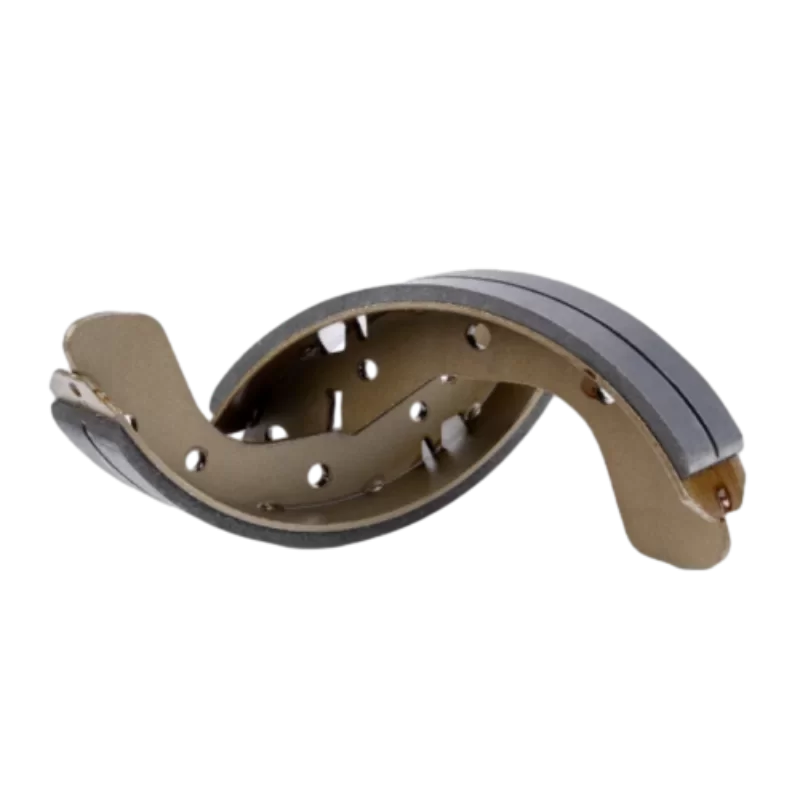
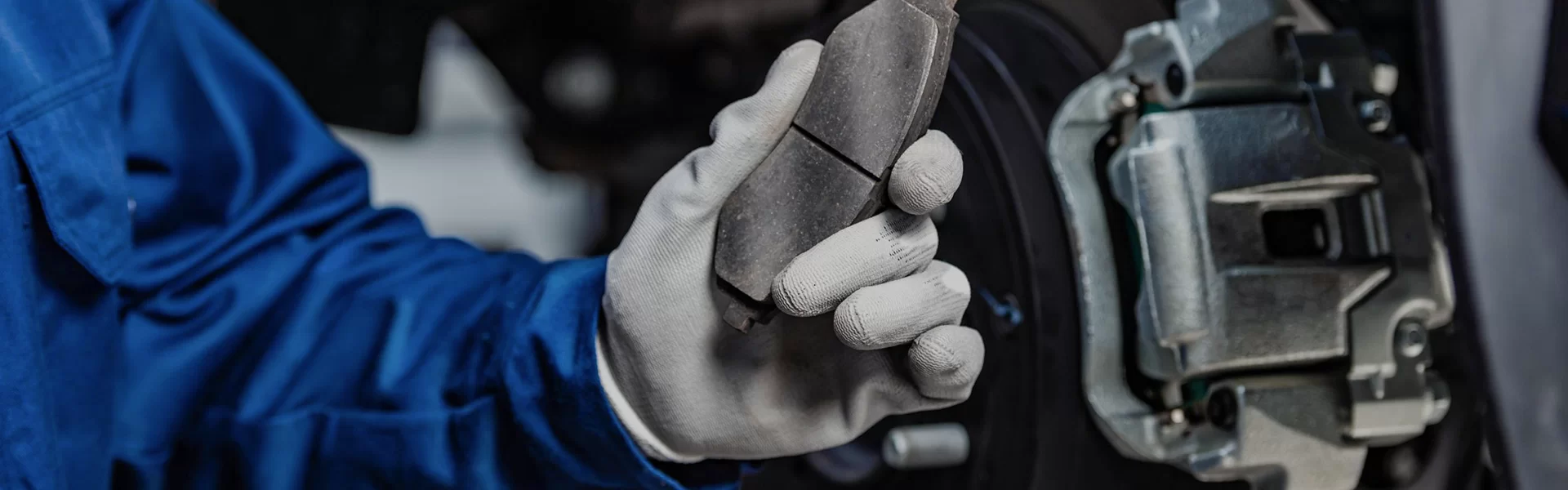
In plain terms, brake shoe linings are the friction material attached to a brake shoe — a component that presses against a wheel or drum to slow or stop motion. These linings endure a ton of pressure, heat, and abrasion, sometimes in tough conditions like heavy freight routes or dusty mining sites.
Without liners that grasp, resist wear, and perform consistently, brake systems become unreliable, jeopardizing everything from humanitarian aid convoys to daily urban transit. Thus, brake shoe linings aren’t just parts; they carry a direct human dimension by ensuring safety and smooth operations.
These linings must withstand extreme temperatures generated by friction. Durable materials like semi-metallic composites or aramid fibers take center stage here — resist fading or cracking, crucial especially in mountainous or industrial areas with frequent stops-and-goes.
Consistent friction is key. It’s no good if braking power fluctuates during critical moments. Brake shoe linings must balance grip without causing excessive wear on drums or wheels, a tricky balancing act engineering teams often debate.
Nobody loves that screeching sound of brakes. Many modern linings include special dampening features to minimize noise — a boon in urban zones and sensitive environments like hospitals or schools.
It’s not all about premium materials. A lining’s life cycle matters — from initial cost to how often it needs replacement. Some industries opt for linings that might be pricier upfront but last twice as long, ultimately saving budgets and downtime.
With rising regulations on particulate emissions from brake wear, low-dust and eco-friendly linings are becoming industry certainties. Biodegradable binders and reduced copper content are part of this innovation wave.
Brake shoe linings are everywhere, from massive mining trucks in Australia’s Outback to public buses weaving through the busy streets of Nairobi. The logistics and public transport sectors rely heavily on sturdy, reliable linings.
| Specification | Typical Value | Notes |
|---|---|---|
| Material Type | Semi-metallic composite | Balances friction and durability |
| Friction Coefficient | 0.35 - 0.45 | Consistent stopping power |
| Max Operating Temp | Up to 550°C | Handles heavy braking heat |
| Average Lifespan | 30,000 - 50,000 km | Depends on usage and environment |
| Environmental Rating | Low copper and asbestos-free | Complies with EU/US regulations |
| Vendor | Product Range | Sustainability Practices | Global Reach | Typical Lead Times |
|---|---|---|---|---|
| Alpha Brakes | Wide (semi-metallic, ceramic, organic) | ISO 14001 Certified | Europe & North America | 4–6 weeks |
| Beta Linings | Focused on heavy vehicles | Low copper formulas | Asia-Pacific & Africa | 3–5 weeks |
| Gamma Components | Custom composites | Biodegradable binders | Global | 6–8 weeks |
It’s easy to think of brake shoe linings as a straightforward component, but many engineers I’ve spoken to swear by their critical importance for safety and operational trust. Their long lifespan reduces costly downtime and maintenance, which keeps NPVs (net present values) attractive for entire fleets.
On a social level, braking reliability contributes to dignity — people arrive where they need to on time, emergency vehicles get through traffic safely, and industrial workers feel confident operating heavy equipment. Plus, the slow pivot to low-emission linings tells us that sustainability isn’t just a buzzword here; it’s a practical imperative.
To keep up with evolving demands, manufacturers are adopting newer materials like nano-reinforced composites and experimenting with AI-driven wear monitoring. Digital sensors embedded in linings can predict failures before they happen, saving lives and money.
Then there’s green tech: regulatory pressure around the world is pushing for reduced heavy metals and increased recyclability — innovations that are reshaping linings manufacturing. Oddly enough, as electric vehicles reduce overall brake strain, brake shoe linings in commercial vehicles will need redesigning for less friction wear but consistent stopping power.
One stubborn problem is the variability of operating conditions. Urban transit faces frequent stopping; mining vehicles haul heavy loads on dusty terrain — one-size-fits-all linings rarely cut it. Customization and smart composites help, but costs and lead times still challenge procurement.
Another challenge is meeting environmental standards without compromising performance. Stepwise innovation, such as phased copper reductions and organic hybrid materials, seem promising — a balancing act between science and regulation.
From supporting safer roads to advancing sustainability goals, the often-overlooked brake shoe lining packs a punch in today’s complex machinery landscape. Whether you’re overseeing logistics fleets, constructing mining equipment, or just curious, understanding these linings means better stopping power — and quite literally, a smoother ride through our modern world.
For in-depth resources and trusted solutions, do visit brake shoe linings. Trust me, you’ll brake safer and smarter.