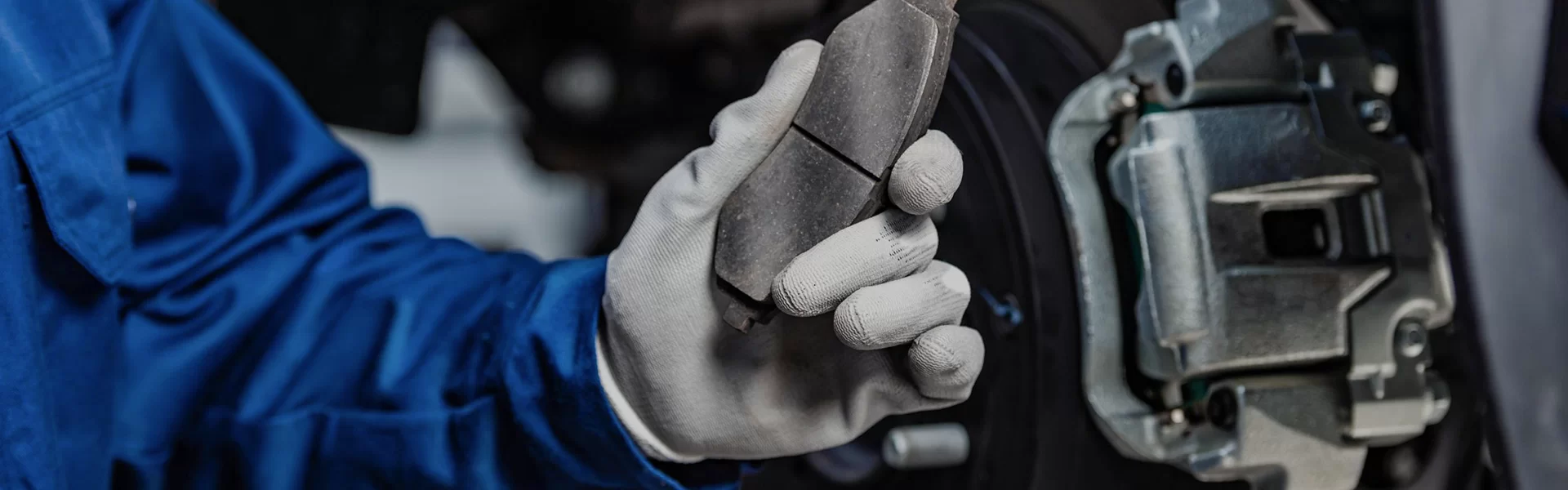
Brake shoes for semi trucks are a crucial component in the massive world of freight and logistics. At first glance, they might just seem like small, brake-related bits inside a huge vehicle—but their role extends far beyond simple stopping power. Globally, semi trucks move over 70% of all freight on roads, according to the U.S. Department of Transportation, and reliable brake systems are core to keeping this transport safe and efficient. Understanding brake shoes for semi vehicles doesn’t just improve vehicle performance; it also impacts road safety, emissions, and maintenance costs. For anyone connected to logistics, fleet management, or even roadside assistance, knowing the ins and outs of brake shoes is a valuable edge.
When you consider the volume of goods hauled daily—think food, medical supplies, building materials—the critical role of semi trucks becomes clear. The International Transport Forum reports millions of semi trucks on roads worldwide, with safety regulations strictly mandating reliable braking systems. Brake shoes for semi trucks face challenges such as high wear under heavy loads and variable weather conditions. Failure or inefficiency here quickly escalates risks, causing accidents and financial losses. Yet, much of the global fleet uses aging or non-optimized brake shoes, leading to frequent replacements and downtime.
This challenge is especially pronounced in developing regions where infrastructure or access to quality parts may lag. Additionally, the trucking industry's push toward sustainability means traditional brake materials are under pressure to become more eco-friendly.
Mini takeaway: Brake shoes for semi aren’t just parts—they are frontline safety gear vital to global supply chains and economies.
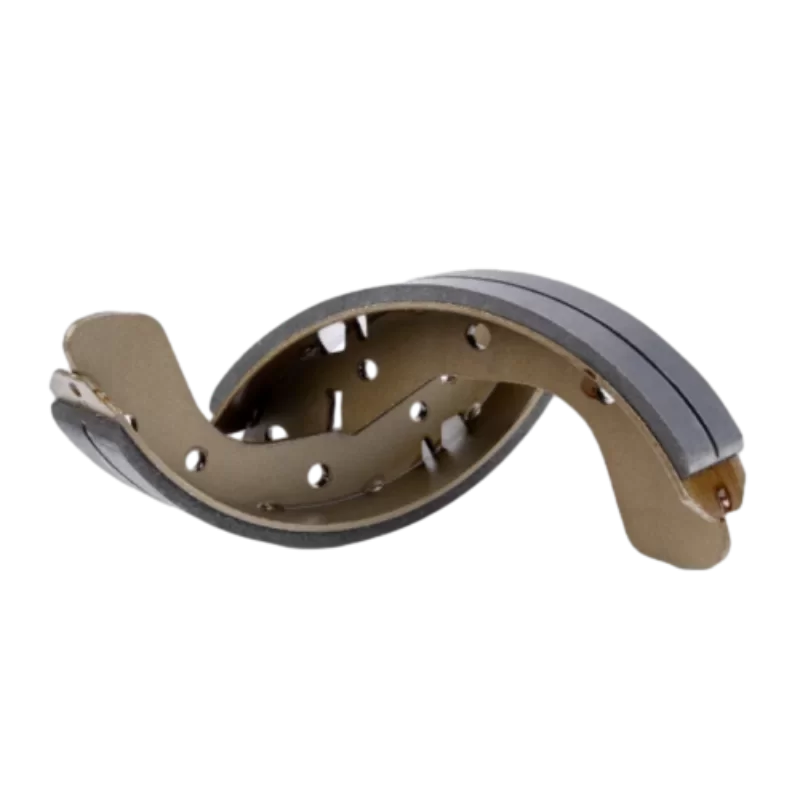
Simply put, brake shoes for semi trucks are curved pieces of metal with friction material attached. They press against brake drums to slow or stop the vehicle when the driver applies the brakes. The friction material is what actually “grips” the drum to reduce speed. Unlike disc brakes found on most cars, many heavy trucks still use drum brakes with brake shoes due to their durability and cost-efficiency under heavy loads.
Modern brake shoes often feature composite or semi-metallic materials, balancing longevity with performance. In humanitarian emergencies—say disaster relief convoys—reliable brake shoes enable safe, continuous operations even on rough terrain or under heavy braking demands.
Brake shoes for semi thus aren’t just mechanical bits; they represent the nexus of engineering, safety, and commerce.
The harsh environment semi trucks operate in means brake shoes must withstand constant friction and heat. Materials like composite fibers combined with metal fillers reduce wear rates and extend service life. This translates to fewer replacements and less downtime.
Effective brake shoes must handle the massive heat generated during braking without warping or fading. Improper heat management leads to “brake fade,” a dangerous drop in braking efficiency. Engineers often design brake shoes with vented drums or use thermal-resistant compounds to tackle this.
Balancing performance with price is critical. While premium brake shoes cost more upfront, they reduce long-term expenses through less frequent change-outs and improved fuel economy (thanks to optimized friction). Fleet managers weigh this tradeoff constantly.
Meeting international safety standards—like ISO 9001 for quality management—and regional regulations ensures brake shoes provide consistent stopping power. Compliance also influences warranty and insurance considerations.
With metal dust and particulates from braking under increased scrutiny, brake shoe materials are evolving. Many manufacturers incorporate low-copper or copper-free friction materials to comply with environmental regulations (e.g., California's legislation).
Mini takeaway: Performance, safety, cost, and sustainability form the multi-headed dragon brake shoe manufacturers and users must tame.
From American highways to European interstates, and Asia’s freight corridors to African mining roads, brake shoes for semi trucks are everywhere. Freight companies in North America rely on high-performance brake shoes to comply with Department of Transportation regulations and to tackle diverse climates—think icy winters or scorching summers.
In Australia’s mining industry, heavy semi trucks haul massive loads over rough terrain, requiring brake shoes tailored for extreme durability. Meanwhile, in Europe, where regulations are especially strict, brake shoes often meet additional EU emissions and safety standards.
And then there’s the humanitarian sector, where NGOs operating in remote or disaster-hit areas need reliable brake shoes for semi truck convoys delivering aid. In such cases, the robustness and longevity of brake shoes directly affect aid delivery speed and safety.
| Specification | Standard Range | Notes |
|---|---|---|
| Material | Semi-metallic / Composite | Balanced wear and heat resistance |
| Weight | 2.5–4.0 kg | Depends on truck size |
| Friction Coefficient | 0.35 – 0.45 | Ensures steady grip |
| Operating Temperature | -40°C to 450°C | High thermal endurance |
| Average Lifespan | 30,000 - 70,000 miles | Varies by usage |
| Vendor | Material Quality | Price Range | Warranty | Global Reach |
|---|---|---|---|---|
| Vendor A (KY BrakePad) | High-grade composite | $$$ | 3 years / 200,000 miles | Global distribution |
| Vendor B | Semi-metallic blends | $$ | 2 years | Mostly regional |
| Vendor C | Eco-friendly materials | $$$ | 3 years | International |
On one level, good brake shoes simply mean your truck slows safely. But consider the bigger picture: reduced maintenance costs, fewer roadside repairs, and less downtime. This translates to more deliveries and less headaches for fleet operators.
Environmentally, modern friction materials cut down hazardous dust and minimize the carbon footprint of maintenance. People in the industry also talk about the “peace of mind” factor—knowing your brakes won't fail during long hauls or steep descents is priceless.
Of course, reliable brake shoes play a crucial social role, preventing accidents that could cost lives and livelihoods. For communities relying on goods delivery, that trust in trucking safety is essential.
The march to greener transport brings exciting innovations. We're seeing brake friction compounds with bio-based materials and copper-free formulations becoming more common. Digital monitoring systems can now track brake wear in real time, alerting drivers before failure.
Automation and autonomous trucks pose new challenges and opportunities—brake systems must communicate seamlessly with onboard computers to optimize stopping power dynamically. Oddly enough, as vehicles get smarter, simple components like brake shoes adapt and innovate quietly in the background.
Wear and tear remain stubborn issues—heavy cargo, constant stop-start routes, and varied climates take their toll. Some experts suggest modular brake shoe designs for easier field replacements, while others push for advanced regenerative braking systems that reduce mechanical wear.
Supply chain disruptions during crises, like raw material shortages, also challenge consistency. Vendors investing in diverse material sourcing and local partnerships tend to weather these better.
Mini takeaway: The future of brake shoes blends material science, digital tech, and smart logistics management.
Brake shoes for semi trucks might not make headlines, but they quietly uphold the massive logistics frame we depend on daily. Their evolution reflects larger shifts towards safer, more efficient, and environmentally sound trucking. Whether you're a fleet owner, mechanic, or just curious, knowing your brake shoes matter—it’s one of those foundational pieces that keep wheels (and businesses) turning.
For the latest in reliable brake shoes for semi and expert advice, do check out our offerings here. Because good brakes are more than a part—they’re peace of mind on the road.
References: