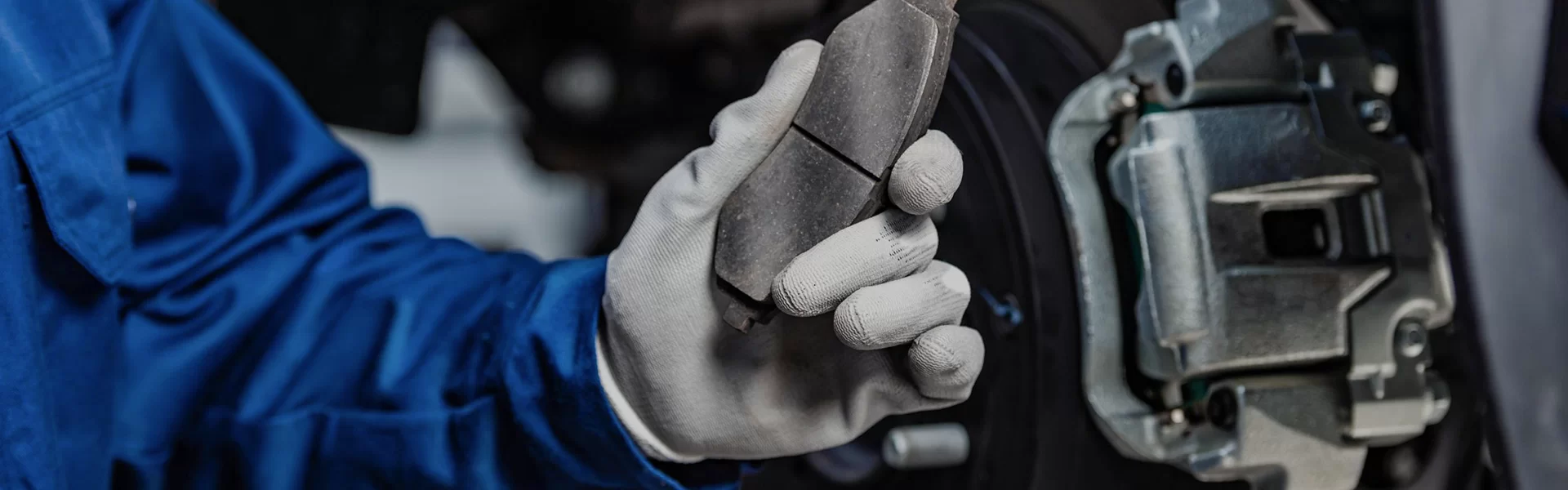
If you’ve ever thought about what really stops a vehicle or huge machinery from careening forward, you’ve glanced into the fascinating world of brakes and shoes. These components, often overlooked, are the unsung heroes of safety and efficiency in countless industries worldwide. From sprawling urban transit systems to remote mining operations, brakes and shoes ensure control, stability, and peace of mind.
Given their global importance, understanding these simple yet complex parts unlocks insights into safety improvements, technological innovation, and environmental sustainability. And sure, they’re just parts of a braking system—but stop to think how many lives and lives’ work literally depend on their reliability.
According to the International Organization for Standardization (ISO), the braking systems market is expected to grow as safety regulations tighten around the world — particularly in emerging industrial hubs like Southeast Asia and Eastern Europe.
Consider this: the World Bank reports rapid urbanization is accelerating the need for safer public and commercial transportation, meaning components like brake shoes and pads aren’t just “spares” anymore. They’re central to infrastructure resilience.
Yet, there's a knotty challenge: as materials age and climates vary, the wear on brakes and shoes can differ wildly, complicating maintenance schedules and raising overall costs for operators. Oddly enough, the very variability that defines our global landscape also shapes how brakes and shoes are designed and managed.
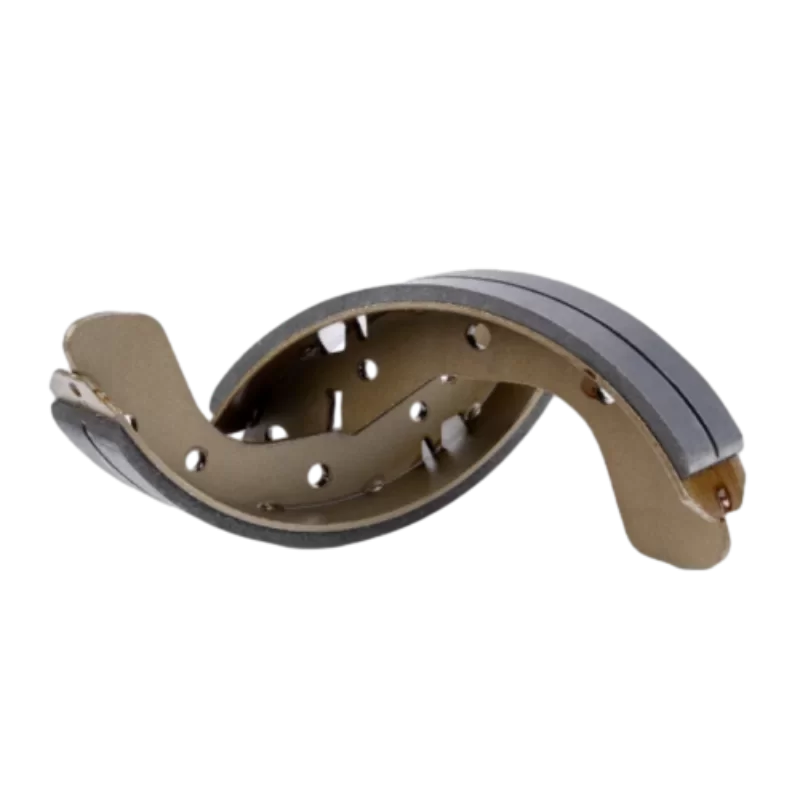
Let’s break down the basics, without jargon. Brakes are mechanical or electronic devices that slow or stop movement by creating friction or resistance. The brake shoe, specifically, is the curved part that presses against the brake drum to create this friction.
They’re intimately linked: the brake shoe is essentially the ‘contact point’ that does the heavy lifting when stopping a vehicle — buses, trucks, trains, even industrial equipment. Without proper brake shoes, even the best brake system can’t perform reliably.
These components are vital not only in transportation but also in humanitarian logistics, where reliable braking systems ensure aid vehicles can safely navigate tricky environments.
Brake shoes are typically made from composite materials designed to withstand high temperatures and friction. Durability is key; no one wants a shoe that wears out mid-use, especially in critical urban transit.
Traditional shoes use organic or semi-metallic materials, but modern ones increasingly incorporate ceramics for better heat dissipation and longer life. It’s fascinating how small changes in material technology can lead to major safety leaps.
Brake shoes must match their drums precisely. Mismatched components can lead to inefficient braking or uneven wear, which spirals into costly repairs.
Especially in fleet management or public transportation, cost is critical. Longevity balanced with price leads operators to prefer brake shoes that promise fewer replacements without sacrificing safety.
New regulations are pushing manufacturers to produce cleaner, less polluting brake shoes that shed fewer particulates — an important step given increasing urban pollution concerns.
Mini takeaway: Brake and shoe design is a delicate balancing act between strength, heat resistance, cost, and sustainability — all of which impact real-world performance.
Brakes and shoes don’t just stay on paper or factory shelves; their impacts span continents and industries.
Mini takeaway: Brakes and shoes adapt to diverse challenges worldwide, serving everyone from city commuters to remote humanitarian missions.
| Specification | Value / Range | Notes |
|---|---|---|
| Material | Ceramic composite / Semi-metallic | Heat resistant, low wear |
| Thickness | After machining: 8-10 mm | Varies by application |
| Operating Temperature | -40°C to 450°C | High thermal tolerance crucial |
| Average Lifespan | 30,000 – 70,000 km | Depends on load and usage |
| Environmental Rating | Low particulate emission | Important for urban vehicles |
| Vendor | Material Options | Typical Applications | Pricing | Geographic Reach |
|---|---|---|---|---|
| EuroBrake Systems | Ceramic, Semi-metallic | Urban transit, heavy trucks | Mid to High | Europe, Asia, Americas |
| GlobalStop Inc. | Organic, Semi-metallic | Light vehicles, agriculture | Low to Mid | Global |
| SafeBrake Tech | Ceramic composite | Mining, industrial | High | Americas, Asia |
Let’s be frank — good brakes and shoes provide more than just safety; they offer peace of mind and cost savings over time.
Emerging trends are reshaping our old friend, the brake shoe. Manufacturers are fiddling with novel composites — carbon fiber blends, nano-material reinforcements, and even smart sensors embedded directly in the brake shoe to monitor wear in real-time.
Automation is also making waves: self-diagnosing braking systems that communicate health status to fleet managers are becoming more common. Plus, a push towards green energy integration—electric and hybrid vehicles—means brake shoes optimized for regenerative braking are quickly gaining traction.
Despite all progress, brake shoes face a few persistent challenges:
Innovative manufacturers are addressing these with modular designs for easy replacement, additive manufacturing to customize parts, and ongoing R&D into bio-based composites. It’s a fast-moving space.
A1: On average, brake shoes in commercial vehicles last around 30,000 to 70,000 kilometers, but this depends greatly on load, terrain, and driving habits. Regular inspection is key to ensure safety and avoid premature failure.
A2: Yes, their higher heat resistance and longevity often offset their upfront price by reducing replacement frequency and improving performance in heavy-use scenarios.
A3: Many manufacturers now offer programs to recycle worn brake shoes, while newer materials also aim to reduce toxic emissions and particulate pollution, aligning with stricter environmental policies.
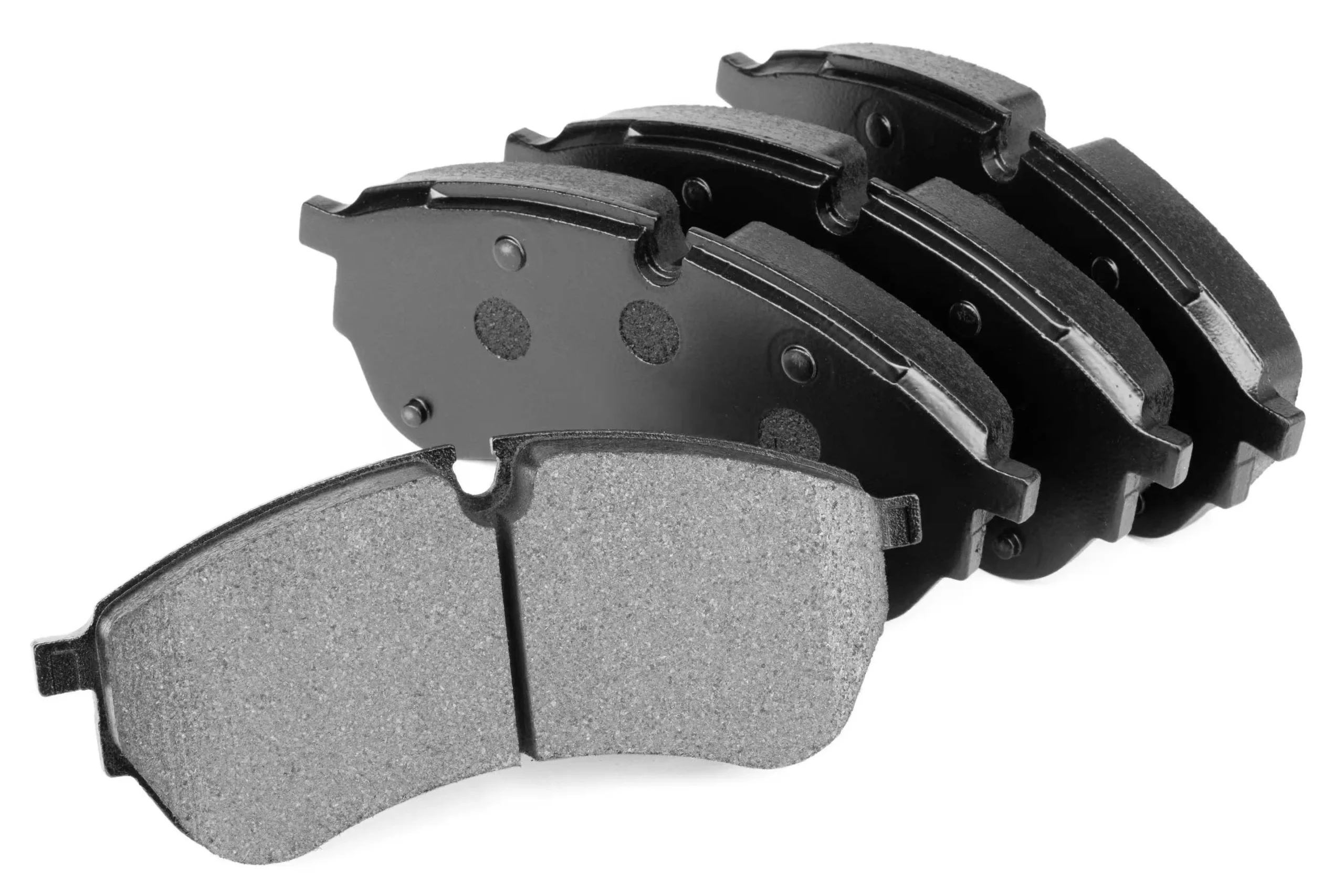
A4: Brake pads press against a rotor disc, whereas brake shoes press against a drum. Shoes are typically found in drum brake systems, common in heavier vehicles or rear wheels.
A5: Trusted suppliers with certifications from ISO and other standards are recommended. You can begin exploring with brands featured on brakes and shoes.
In the end, brakes and shoes might seem like small pieces of a complex puzzle, but their impact is huge. They touch safety, economics, environmental stewardship, and even public trust. Investing in quality brake shoes today means fewer risks tomorrow — which is a pretty solid deal when it comes to stopping power.
Want to learn more and check out the latest in brakes and shoes technology? Visit our website: https://www.kybrakepad.com
— Just a little nudge to keep us all moving safely and smartly...