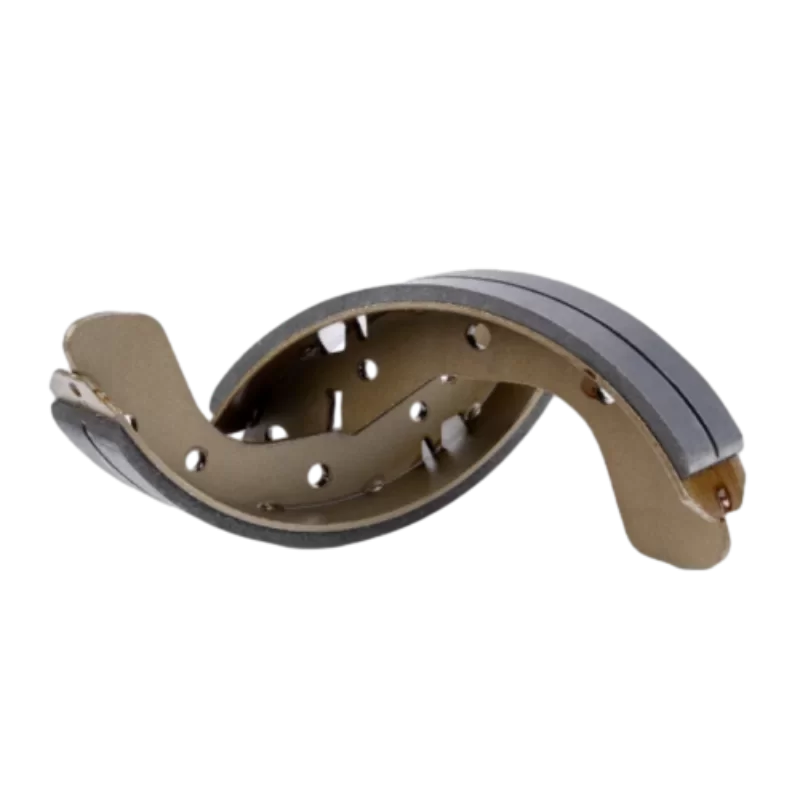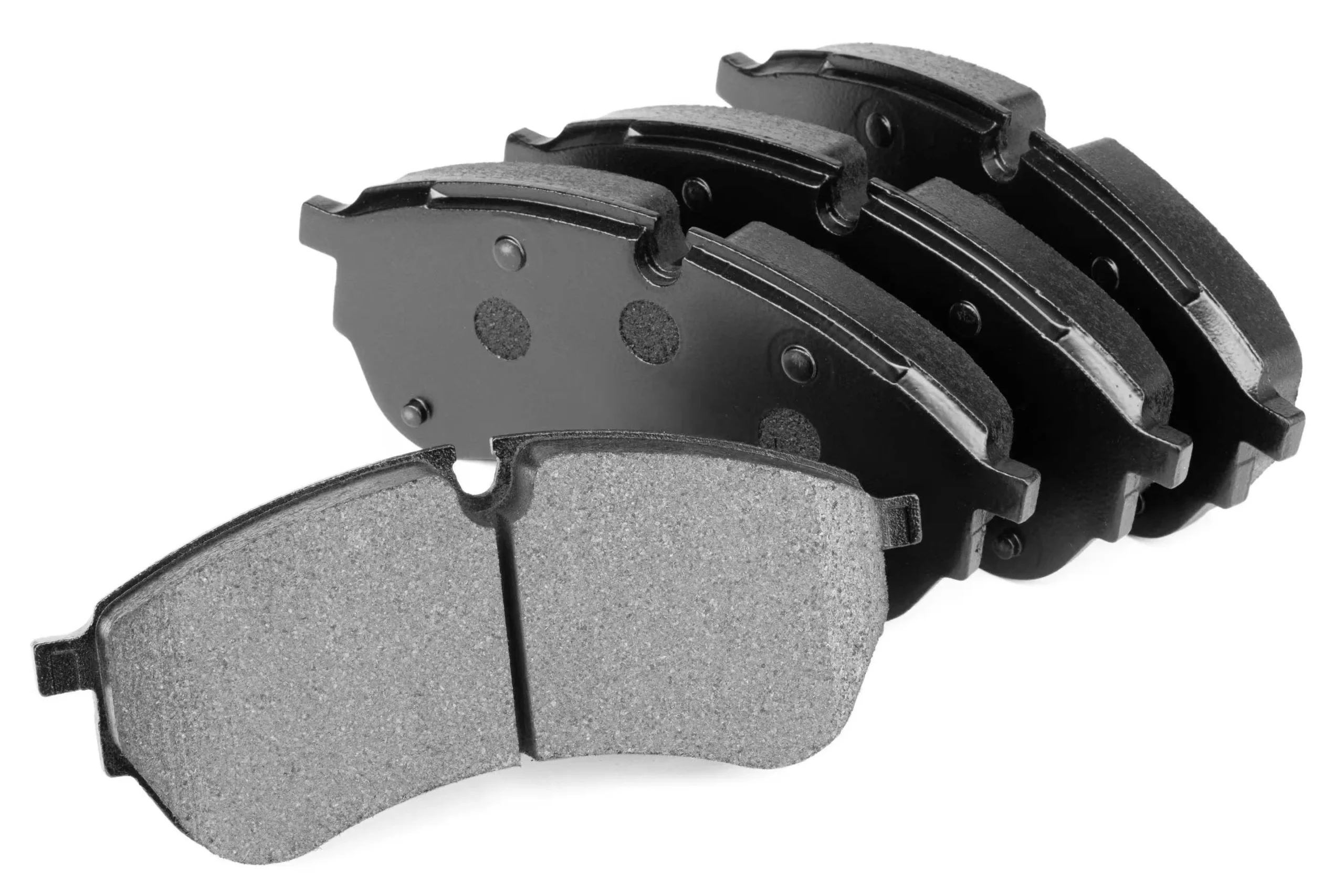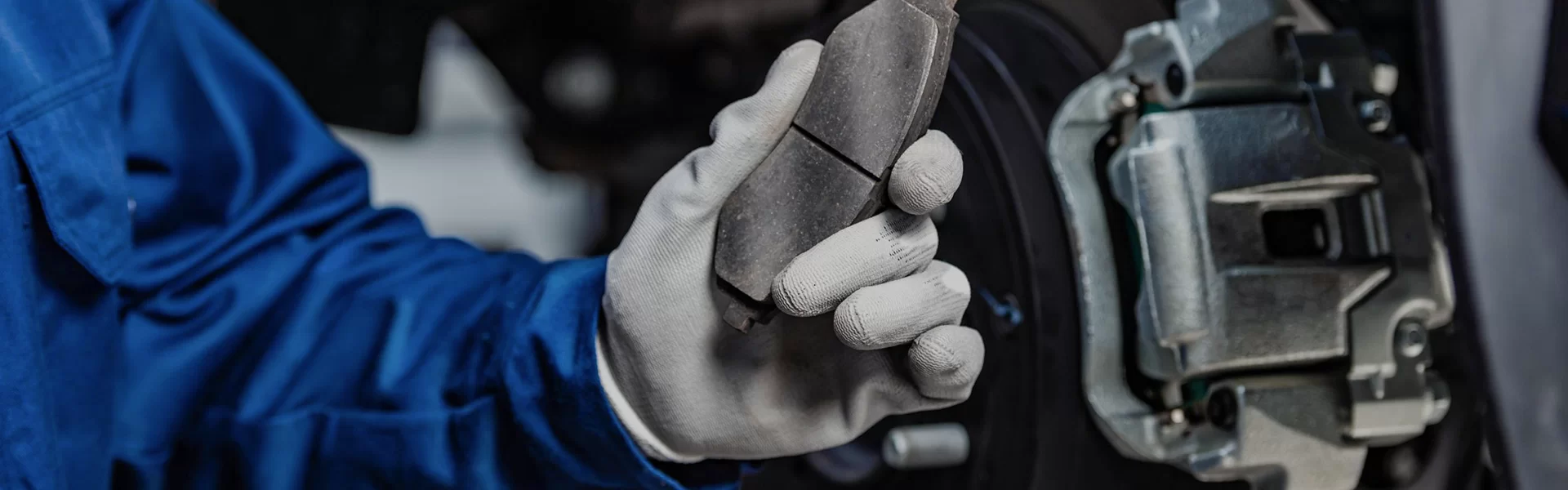
Galvanized brake pads might not be the flashiest topic at your Sunday dinner table, but they’re quietly engineering a global shift in automotive safety and sustainability. In a world increasingly concerned with durability, environmental impact, and reliability — these brake pads embody a solution that matters. So, what exactly are galvanized brake pads, and why should you care beyond the auto mechanic’s workshop?
Globally, the automotive industry is shifting gears, literally and metaphorically, toward sustainability. According to the International Organization for Standardization (ISO), the brake industry alone accounts for a substantial portion of particulate emissions due to friction materials wearing down. Enter galvanized brake pads. These components reduce corrosion and extend life spans, helping lower maintenance and environmental costs.
But it’s not just environmental conscience steering interest here. In places with harsh climates — from the ice-glazed roads of Scandinavia to salt-strewn highways near oceans — galvanized brake pads offer the resilience needed to keep drivers safe. And frankly, safer brakes mean fewer accidents and enormous social benefits worldwide.
At their core, galvanized brake pads are brake friction components coated with a thin layer of zinc or zinc alloy. This zinc layer (the “galvanization”) protects underlying metals from rust and corrosion. Think of it as an invisible shield that keeps the brake pad's critical parts tougher and longer-lasting against weather, wear, and time.
Why does this matter? Well, modern brakes aren’t just metal pressing on metal. They’re composites designed for performance, safety, and environmental standards. Galvanizing is an elegant intervention that helps these pads serve both human safety and industrial longevity.
Zinc coating prevents rust, vastly improving brake pad lifespan. In salty or wet conditions, traditional pads corrode faster, which can lead to frequent replacements or even brake failure.
Extending service life equates to fewer replacements and repairs. In heavy-use fleets or industrial vehicles, that’s significant — savings add up fast.
Longer-lasting parts mean less waste, and galvanization itself is a tried-and-true zinc application process recognized globally for its eco-friendly profile (Wikipedia: Hot-dip galvanizing).
The zinc layer helps maintain the integrity of the pad’s friction materials by limiting oxidization and structural breakdown over time.
This is the hallmark feature. It’s why galvanized brake pads stand out compared to standard pads in harsh environments.
| Specification | Details |
|---|---|
| Coating Type | Zinc-based galvanization (hot-dip/zinc alloy) |
| Average Service Life | 20-30% longer than non-galvanized pads |
| Operating Temperature Range | -30°C to 500°C |
| Corrosion Resistance Rating | 96+ hours salt spray test (ASTM B117) |
| Materials | Steel backing plate with friction composite and zinc coating |
Galvanized brake pads have found particular favor in commercial trucking fleets across Europe and North America. The eco-conscious fleets especially prefer them since the pads reduce particulate pollution and cut back on waste. Moreover, in coastal regions like the Mediterranean or parts of East Asia, brake corrosion is a huge headache, making galvanized options practically a necessity.
Oddly enough, humanitarian organizations are taking notice too. When disaster relief teams deploy vehicles in flood-prone or high-humidity tropical zones, galvanized brake pads offer the dependable braking needed. Reliable brakes here mean not just vehicle performance, but safety for personnel and vulnerable communities relying on transport in critical hours.
So yeah, they’re everywhere from sprawling urban highways to rough rural routes demanding resilience.
| Vendor | Corrosion Resistance | Price Range (USD) | Environmental Compliance | Typical Industry Use |
|---|---|---|---|---|
| SteelSafe Coatings | Excellent (120 hrs salt spray) | $45–60 per set | ISO 14001 certified | Heavy trucks, industrial fleets |
| EcoBrake Systems | Good (96 hrs salt spray) | $40–55 per set | Meets REACH standards | Passenger vehicles, light trucks |
| ZinTech Innovations | Very Good (100 hrs salt spray) | $50–70 per set | RoHS compliant | Commercial vehicles, public transport |
It’s not just technical specs or spreadsheets — the emotional peace of mind tied to consistently safe braking can’t be overstated.
New galvanizing techniques are emerging that use nano-scale zinc coatings to improve adhesion and wear resistance. Simultaneously, the push for greener manufacturing processes means zinc sourcing and recycling are under the microscope, pushing for closed-loop systems.
Digitally integrated brake pads with embedded sensors are on the horizon too, promising real-time performance data to boost safety — a fascinating blend of metallurgy and the Internet of Things.
Of course, galvanized brake pads aren’t perfect. The coating process adds complexity and costs upfront, sometimes deterring smaller manufacturers. Plus, zinc coatings can wear unevenly, requiring precise quality control.
Still, many engineers suggest investing in stricter ASTM testing and automation in the galvanizing step. Plus, pairing galvanized brake pads with improved friction materials lessens some wear worries.
When you combine durability, cost saved over cycles, environmental responsibility, and enhanced safety, galvanized brake pads clearly represent a smart step forward. Whether managing an industrial fleet or upgrading personal vehicles, the long-term benefits justify the initial investment in my experience.
Curious for more? Visit our website to explore the latest in galvanized brake pad technology and solutions.
Sometimes, the simplest coating can drive the most profound change.