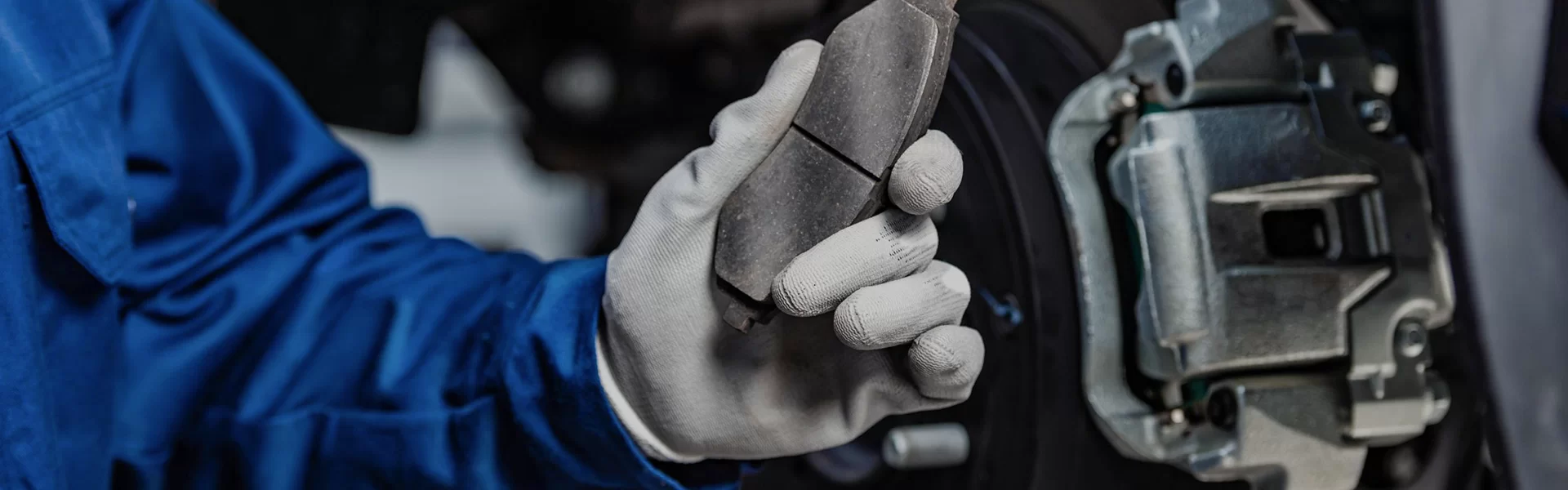
If you’re like most folks, “handbrake shoes” might not be the first thing that springs to mind when you think about vehicle safety or industrial machinery. Yet, these components quietly hold a crucial role globally — preventing rollbacks, enabling safer parking, and ensuring reliable braking when it really counts. The truth is, getting familiar with handbrake shoes isn’t just for gearheads; it’s for anyone who relies on transportation or heavy equipment, which nowadays, includes pretty much everyone.
Worldwide, millions of vehicles and machines use handbrake shoes daily. According to the International Organization for Standardization (ISO), brake components fall under stringent quality standards due to their direct impact on safety. Plus, as vehicle fleets expand in developing economies and as industrial operations scale up, understanding what makes handbrake shoes tick — their design, durability, and applications — can help industries optimize performance and reduce costly downtime.
Mini takeaway: Handbrake shoes are small but mighty parts that enhance vehicle control and workplace safety, impacting economic and social well-being around the world.
From the congested urban streets of Shanghai to rural mining sites in Australia, handbrake shoes are everywhere. The World Bank reports that increased vehicle use in emerging markets pushes demand for durable and cost-efficient brake systems. Here’s the challenge: when a vehicle’s main braking system fails or is unreliable, handbrake shoes often act as the final safeguard. They’re the backup—and sometimes the only—means to immobilize heavy machinery or parked cars safely.
Yet, not all handbrake shoes are created equal. Industries struggle with balancing cost, durability, and environmental impact, especially given new international safety regulations and increasing customer expectations for green products.
Mini takeaway: Handbrake shoes are a critical link in the global transportation and industrial machine safety chain, bridging technological and operational gaps.
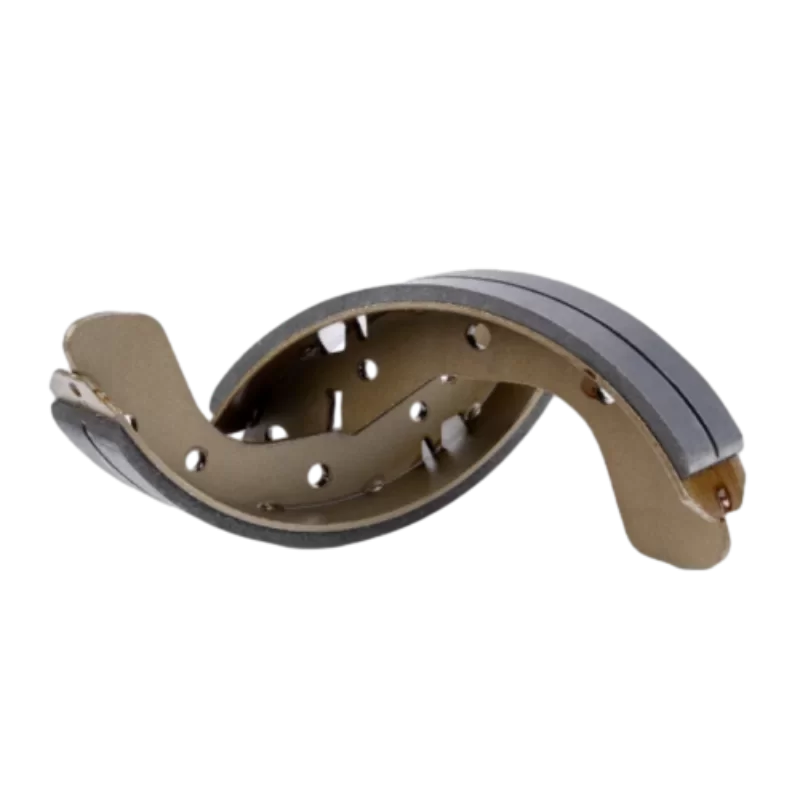
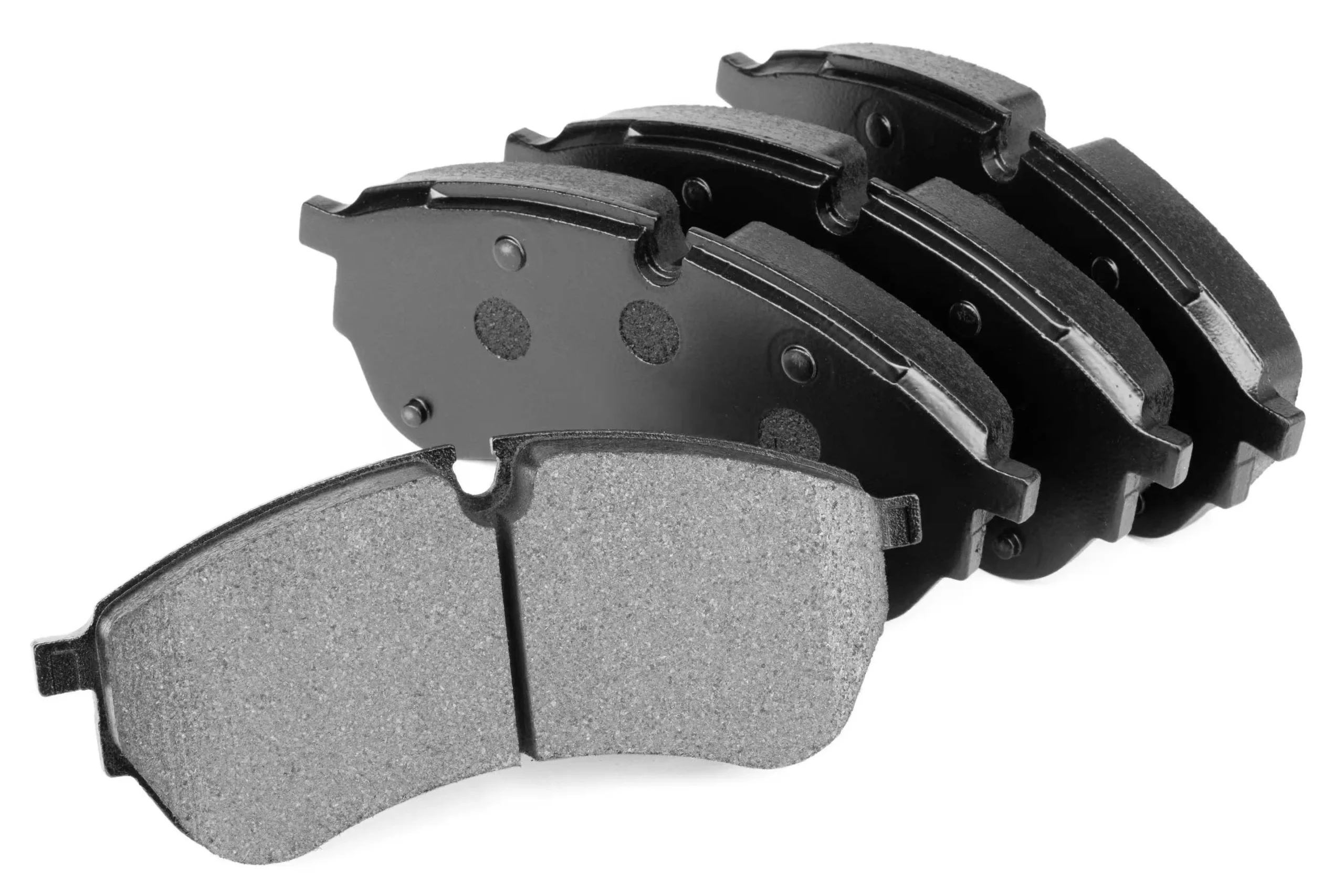
Put simply, handbrake shoes are friction materials mounted onto curved metal plates that press against a vehicle’s brake drum when the handbrake lever is engaged. Their role? To prevent motion — no rolling downhill, no creeping forward. Often found in drum brake systems, they complement disc brakes and work especially well in specific applications like commercial trucks, trailers, and industrial equipment.
On a bigger scale, they’re part of a larger safety ecosystem, crucial for humanitarian logistics (imagine post-disaster aid vehicles parked on uneven ground) or ensuring that automated-guided vehicles in factories don’t suddenly lurch forward unexpectedly.
Handbrake shoes face friction, heat, and abrasion constantly, so material choice is everything. Most shoes use organic or semi-metallic composites, with some moving toward ceramic blends to reduce wear. It’s a bit like the shoe soles we walk on — they need to last but also grip tightly.
For commercial fleets, cheaper materials might save money upfront, but the long-term costs of frequent replacements or failures quickly add up. Many operators find it pays off to invest in higher-grade shoes that last 30-50% longer. Kind of like splurging on quality boots if you’re hiking every day.
Different vehicles and machines require tailored handbrake shoes — sizes, shapes, and friction ratings vary. Manufacturers often offer custom solutions for niche uses, such as mining trucks or agricultural equipment, where standard shoes just won’t cut it.
Less obvious but increasingly important is how manufacturers address eco-impact. Recently, suppliers started reducing asbestos use (once common but now banned worldwide by ISO regulations) and opting for recyclable composites.
Testing standards like those from the Society of Automotive Engineers (SAE) ensure handbrake shoes perform reliably in temperature extremes and under heavy loads. It’s what keeps drivers and operators confident every time the lever is pulled.
Mini takeaway: Handbrake shoes may seem simple but balancing durability, cost, compatibility, and sustainability defines their real-world value.
One interesting insight comes from a logistics company in Scandinavia, where switching to advanced ceramic composite shoes reduced brake maintenance costs by 25% during winter months — where icy roads often increase brake wear dramatically.
Mini takeaway: Handbrake shoes are everywhere — from city streets to rugged terrains and critical aid missions, they help keep things safe and steady.
Beyond the obvious safety aspect, good handbrake shoes deliver value that companies and end users often underestimate:
Frankly, it’s this mix of tangible savings and the emotional reassurance of safety that keeps many fleets loyal to certain handbrake shoe brands.
Technology and sustainability are shaping the next chapter:
Oddly enough, it feels like we’re on the brink of a small brake revolution — quiet but impactful, just like the shoes themselves.
Despite their importance, handbrake shoes face hurdles:
Experts suggest innovative coating technologies and modular shoe designs as promising solutions. For instance, some vendors now offer replaceable friction linings rather than entire shoe units, which lowers waste and cost.
Q: How often should handbrake shoes be inspected or replaced?
A: It depends on vehicle use and environment, but a good rule is every 20,000 to 40,000 miles or annually. Heavy-duty or off-road vehicles may need more frequent checks.
Q: Can handbrake shoes be used on disc brake systems?
A: Typically, handbrake shoes are part of drum brake setups. However, some disc brake systems now include integrated parking brake shoes behind the disc.
Q: Are aftermarket handbrake shoes as reliable as OEM parts?
A: Quality varies widely. Reputable aftermarket brands can match OEM performance if compliant with safety standards, but always check certifications.
Q: What environmental regulations affect handbrake shoe manufacturing?
A: The banning of asbestos-containing products globally (per ISO regulations) and limitations on heavy metals are key influences driving greener materials.
| Specification | Standard Model A | Premium Model B | Ceramic Composite C |
|---|---|---|---|
| Material | Semi-metallic | Organic with metal fibers | Ceramic-based composite |
| Average Lifespan | 30,000 miles | 45,000 miles | 60,000 miles |
| Operating Temp Range | -20°C to 200°C | -25°C to 250°C | -30°C to 300°C |
| Noise Level | Moderate | Low | Very Low |
| Price Range (per set) | $40 - $60 | $70 - $90 | $100 - $130 |
| Vendor | Product Range | Customization | Eco-friendly Options | Lead Time | Warranty |
|---|---|---|---|---|---|
| BrakingTech Co. | Wide (Drum & Disc) | Yes (OEM/ODM) | Standard materials only | 4 weeks | 12 months |
| SafeHold Ltd. | Focus on Heavy Duty | Selective Customization | Has eco-composite line | 6 weeks | 18 months |
| GreenBrake Innovations | Specializes in Eco Products | Full Custom Solutions | 100% biodegradable composites | 8+ weeks | 24 months |
Handbrake shoes, though easily overlooked, are a cornerstone of vehicle and machine safety worldwide. From preventing accidents to reducing maintenance costs, their impact resonates through industry sectors and everyday lives. Innovations in materials and technology hint at a future where these simple components will do even more — lasting longer, working smoother, and aligning better with our planet’s needs.
For those interested in exploring quality options or understanding how to maintain reliable handbrake shoes, I recommend checking out the latest updates and products at handbrake shoes. It’s a great starting point to ensure your fleet or machinery stays safe and efficient.
Mini takeaway: Think of handbrake shoes as quiet protectors — simple parts with a big job, whose advancements make a genuine difference in safety and sustainability.