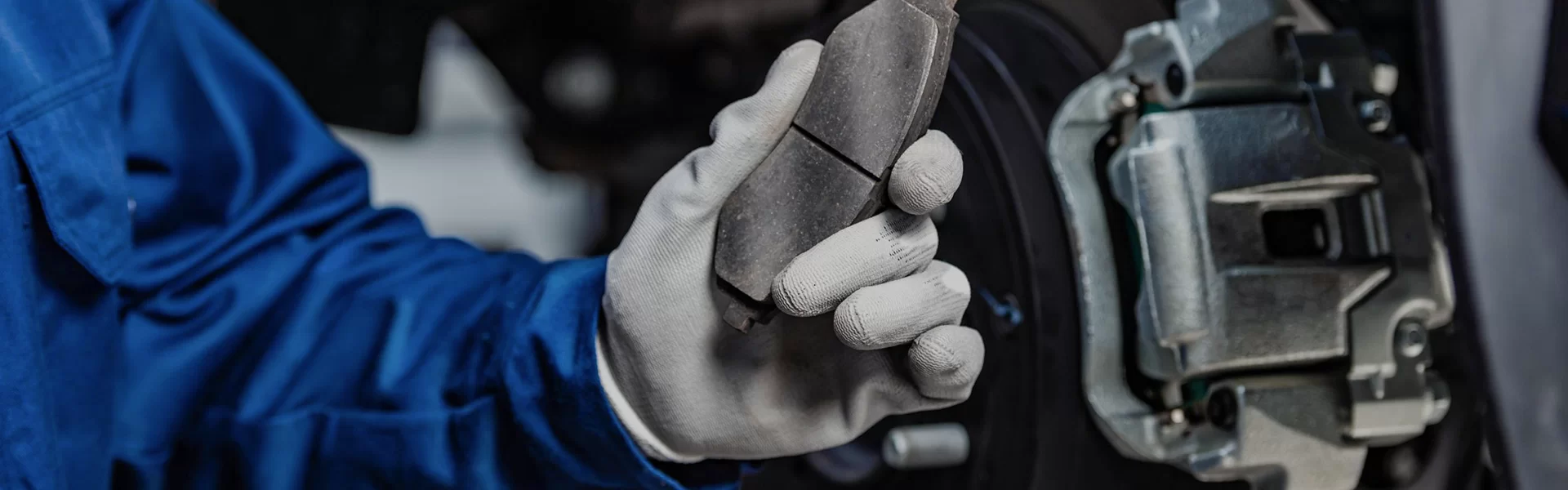
Commercial brake shoes—those unsung heroes quietly ensuring safety in trucks, commercial buses, and heavy-duty vehicles—are more important than you might think. Worldwide, with the rise in logistics, public transport, and industrial machinery, these components play a crucial role in protecting lives and goods. This article explores what commercial brake shoes are, why their design and quality matter, and what innovations are shaping their future.
In 2023, the global road freight volume surpassed UNCTAD's benchmarks, highlighting how much the world depends on heavy vehicles. Commercial brake shoes are essential for stopping these massive vehicles safely. Without reliable brake shoes, accident rates spike, posing serious risks to public safety and causing billions in economic loss annually. For example, heavy trucks, which account for nearly 40% of freight transport emissions and wear, rely heavily on durable braking components to operate efficiently and sustainably.
Yet, challenges like rising material costs, environmental regulations, and performance demands push manufacturers to innovate constantly. When brake shoes wear out prematurely, downtime and repair costs soar — a nightmare in fast-paced supply chains.
Mini takeaway: Commercial brake shoes are a vital safety and efficiency component in global transport industries, and improving them affects safety, environmental impact, and operational costs worldwide.
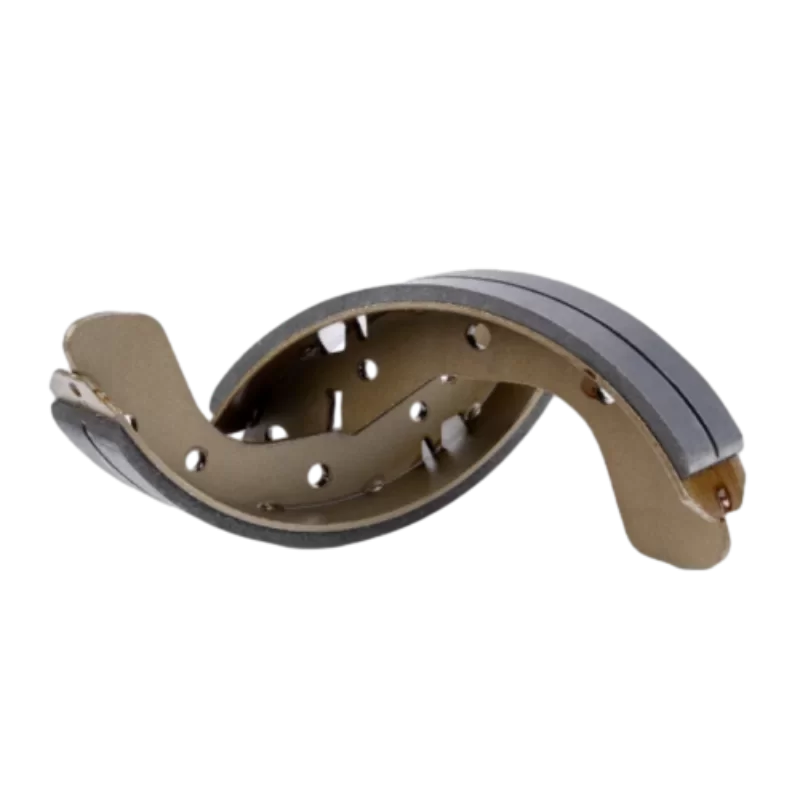
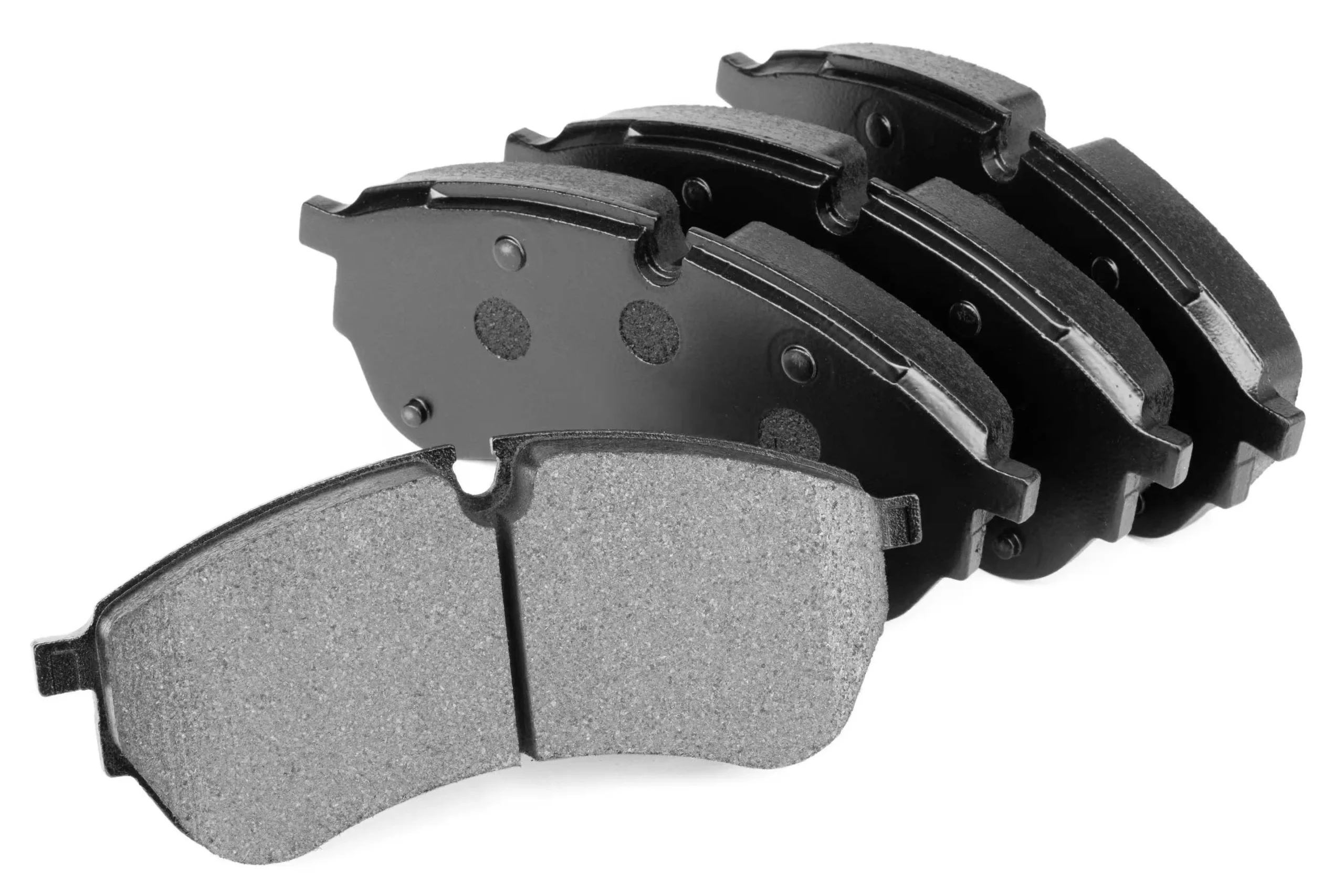
Simply put, commercial brake shoes are curved metal pieces lined with friction material that press against a vehicle’s brake drum to slow or stop it. Unlike car brake pads, brake shoes are predominantly used in the drum brake systems typical in commercial vehicles like buses and large trucks. Their sturdy design withstands intense braking forces — critical in commercial settings where vehicles carry heavy loads or operate over long hours.
In a way, they’re the mechanical handshake between kinetic energy and safe stopping. Given the widespread use of drum brakes in industries ranging from public transit fleets in Asia to construction machinery in North America, commercial brake shoes are everywhere — quietly fulfilling a high-stakes role.
Durability is the big one — these brake shoes must resist wear from heat, friction, and contaminants. Engineers often use composite materials or semi-metallic friction components to balance longevity with braking power.
The friction lining may combine fibers, resins, and metallic particles. This mix affects heat resistance and noise levels — two things any fleet manager worries about.
Since fleets replace these parts regularly, cost per kilometer matters. Over-engineering adds upfront cost but reduces overall maintenance, which might be the smarter investment in the long run.
Brake shoes must fit a wide range of vehicle models and brake drum sizes. Accessibility and ease of installation are practical concerns in fast-moving garages worldwide.
Materials free from harmful heavy metals — like asbestos, previously common — have become the norm per ISO regulations, improving environmental and operator safety.
Mini takeaway: Designing commercial brake shoes means juggling wear resistance, cost, compatibility, and environmental concerns — all deeply tied to real-world operational needs.
In the busy ports of Rotterdam or Singapore, trucks haul containers nonstop, relying on brake shoes that survive repeated heat cycles. In post-disaster relief scenarios, rugged utility vehicles navigate tough terrains with brake shoes tailored for extreme conditions. Even remote mining operations in Australia demand brake shoes resistant to dust and moisture.
Public transit authorities in dense cities like New York or Mumbai use millions of commercial brake shoes annually, emphasizing reliability and noise reduction to improve rider comfort.
And then there’s the logistics sector — the backbone of e-commerce — where downtime from brake maintenance can disrupt entire supply chains. Many fleet operators have switched to premium commercial brake shoes, noting longer service intervals and less unexpected downtime.
| Specification | Typical Range/Value | Notes |
|---|---|---|
| Friction Material | Semi-metallic composites | Balance of durability and noise control |
| Operating Temperature | -40°C to 400°C | High heat resistance needed for heavy braking |
| Thickness | 8mm to 15mm | Depends on vehicle and usage |
| Mounting Type | Standard shoe with pivot and adjusters | Fits wide range of drum brake designs |
| Material Regulations | ISO 6312 Compliant | No asbestos or hazardous heavy metals |
Sure, commercial brake shoes are about safety and stopping power — but their advantages ripple far beyond that. Consider:
There’s a kind of emotional payoff here, too — the quiet reassurance that every trip, whether across town or across continents, depends on a tiny but mighty component functioning flawlessly.
Industry insiders see breakthroughs on the horizon:
It feels like commercial brake shoes are stepping into a smarter, safer future — not just a replacement part but an integrated system component.
The tough reality is that brake shoes often face abrasive dust, fluctuating temperatures, and uneven wear patterns. Replacement intervals vary widely, and improper installation can cause early failures. Operators sometimes skimp on quality, risking safety over cost.
Innovative engineering approaches include:
| Vendor | Material Quality | Price Range | Warranty | Lead Time |
|---|---|---|---|---|
| KyBrake Pro | High-performance semi-metallic | $$$ | 24 months | 2–3 weeks |
| BrakeMaster Co. | Standard composite | $$ | 12 months | 1–2 weeks |
| EcoStop Solutions | Organic friction materials (Asbestos-free) | $$$ | 18 months | 3–4 weeks |
Replacement depends on vehicle usage, climate, and driving habits. Generally, brake shoes last between 30,000 to 70,000 miles, but heavy-load or frequent-stop vehicles may need replacements sooner. Regular inspections are key.
Modern brake shoes avoid asbestos and harmful heavy metals, complying with ISO and environmental regulations. Some vendors offer organic or ceramic friction linings to reduce environmental impact further.
No, brake shoes are vehicle- and drum-size specific. It’s critical to select parts compatible with your brake system to ensure safe and effective braking.
Moisture, dust, and extreme temperatures can accelerate wear or cause corrosion. Some brake shoes feature special coatings or materials to better withstand adverse conditions.
Premium options typically offer better heat resistance, longer life, and quieter operation. Investing in quality helps avoid costly fleet downtime and boosts safety margins.
At the end of the day, commercial brake shoes might seem like small parts on big machines, but their impacts are enormous — on safety, efficiency, and even sustainability. Understanding these components helps fleet managers, engineers, and safety officers make smarter choices that keep vehicles rolling and people safe.
If you’re looking for reliable, tested commercial brake shoes, do check out commercial brake shoes from trusted providers. A smart investment here means safer roads and smoother operations tomorrow.
References:
1. Wikipedia - Brake
2. ISO 6312: Brake linings - Safety requirements
3. UNCTAD Transport Data