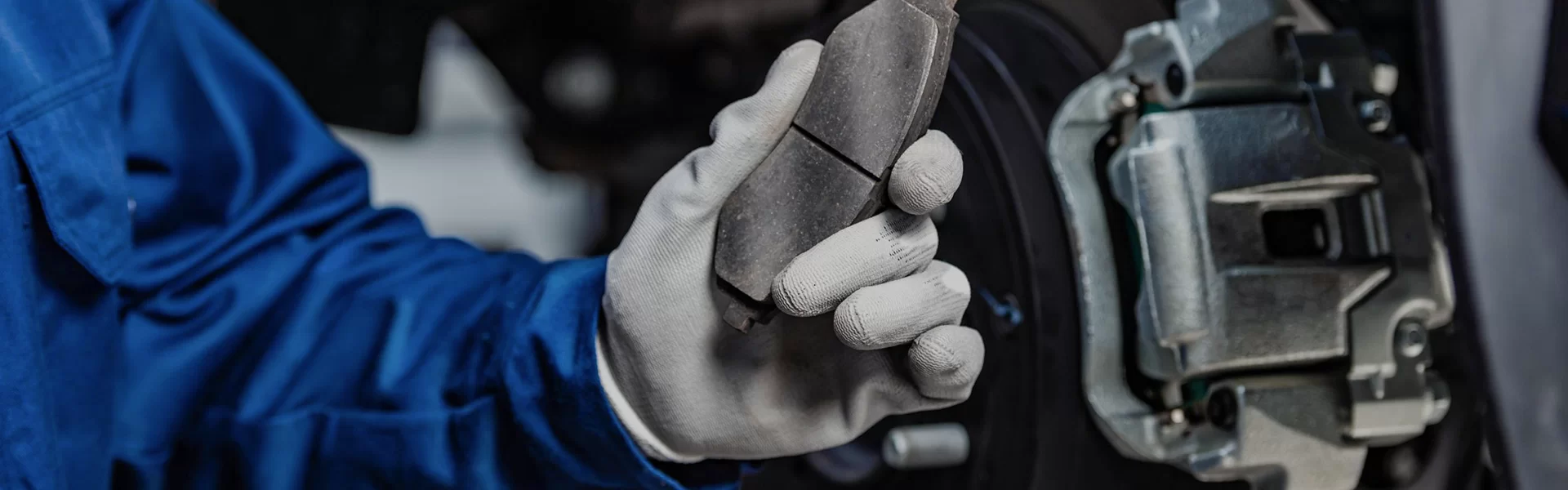
When you think about vehicle safety, most minds probably jump first to airbags or seatbelts. Yet, the humble brake shoe — specifically the m35a2 brake shoes — plays a pivotal, often overlooked role in ensuring that vehicles stop reliably under a variety of conditions. Globally, vehicle safety remains a massive priority, with the World Health Organization reporting over 1.3 million deaths annually due to road accidents. Components like m35a2 brake shoes have a critical part in reducing these numbers by offering dependable stopping power, especially in military and heavy-duty transport vehicles that demand durability and effectiveness.
In this article, we’ll dive into what exactly these brake shoes are, why they matter worldwide, and the key benefits they offer across different sectors. By the end, you’ll not only understand their importance but also how emerging technologies are shaping their future and why choosing the right supplier matters.
Brake systems, including the m35a2 brake shoes, are inherently linked to global transport reliability and safety. According to ISO safety standards, brake components must meet stringent requirements for friction, wear, and heat resistance. The m35a2 brake shoes, originally designed for military vehicles like the M35 series trucks, have found relevance beyond combat zones, serving in emergency relief transport and rugged industrial settings worldwide.
Oddly enough, despite their simple concept—friction surfaces pressing against a drum—they need to perform flawlessly in harsh environments, from hot deserts to freezing mountains. This reliability challenge is a big driver for continuous improvements and why understanding these brake shoes can be crucial for industries relying on dependable stopping power.
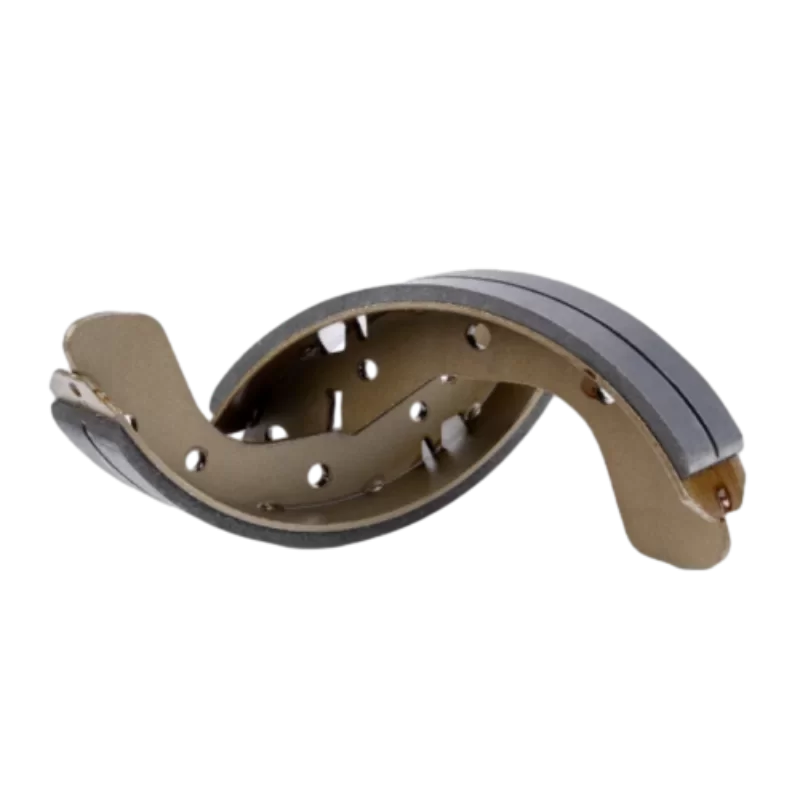
Simply put, m35a2 brake shoes are curved steel-backed components lined with friction material designed to press outward against brake drums, creating the resistance needed to slow or stop wheels. Their “m35a2” designation ties back to the M35A2 military truck, an iconic 2.5-ton 6x6 vehicle widely used since the 1950s. These brake shoes are rugged, purpose-built parts able to withstand heavy loads and frequent use.
Today, their technology branches into sectors ranging from humanitarian logistics to mining fleets. In essence, they translate mechanical friction into vehicle control — a critical function without which even the best engines become quite dangerous.
The steel backing plate coupled with high-quality friction material must resist heat and wear after repeated braking cycles. Manufacturers often apply specialized coatings to reduce corrosion, extending service life even in challenging climates.
Traditionally, asbestos was used, but modern m35a2 brake shoes employ composites like aramid fibers and metallic compounds to meet environmental regulations and safety expectations.
Effective brake shoes need to manage the intense heat generated during braking without degrading performance. Materials are optimized to avoid fade, where braking efficiency drops at high temperatures.
Military-grade m35a2 brake shoes are designed to balance performance with cost, making them practical for fleets needing frequent maintenance yet demanding reliability.
Exact fitment for M35-series and similar heavy trucks ensures ease of replacement and minimizes vehicle downtime, which is crucial for operations relying on constant mobility.
| Specification | Details |
|---|---|
| Material | Steel backing with high-friction composite lining |
| Average Thickness of Lining | 12 mm ± 0.5 mm |
| Operating Temperature Range | -40°C to 400°C |
| Friction Coefficient (Dry) | 0.35–0.42 |
| Corrosion Resistance | High due to protective coatings |
Mini Takeaway: The robust design of m35a2 brake shoes is no accident—they are engineered to perform with consistency and longevity in the most demanding fields.
These brake shoes have traveled far from their military origins. For example:
From Africa to the Americas, organizations count on these versatile brake shoes to keep their fleets moving safely and efficiently.
| Vendor | Material Quality | Certification | Price (per set) | Warranty |
|---|---|---|---|---|
| KyBrake Pad | Composite with aramid fibers | ISO 9001 & DOT | $120 | 2 years |
| Military Spec Co. | Metallic composite | MIL-SPEC Certified | $150 | 3 years |
| Generic OEM | Standard composite | None | $90 | 1 year |
The concrete benefits of investing in high-quality m35a2 brake shoes include:
There’s an emotional element too — you can count on these brake shoes not to fail when it matters most, which builds trust widely across industries.
Looking ahead, developments like eco-friendly friction materials and smart brake shoe technologies embedding sensors to monitor wear in real time are on the horizon. Automation in maintenance cycles using digital tracking will likely reduce breakdowns. Also, supply chains are moving toward more sustainable sourcing and recycled materials to lower the carbon footprint associated with these components.
Of course, nothing’s perfect. Challenges remain around sourcing brake shoes for rare vehicle models in remote regions, and extreme environments can still push materials to their limits. But clever engineering tweaks — like improved friction formulas and heat-resistant coatings — plus better global logistics networks mean these hurdles are steadily addressed.
Generally, inspection every 10,000 miles or six months is recommended under heavy use, with replacements typically needed between 30,000 to 50,000 miles, depending on operating conditions.
While designed for military M35 series trucks, many civilian trucks with compatible drum sizes can retrofit these brake shoes, but checking with suppliers or vehicle experts is essential to ensure safe fitment.
Definitely — salt and moisture can accelerate corrosion, so brake shoes with protective coatings or stainless backing plates provide longer service life in coastal or maritime environments.
Yes, newer brake shoes use non-asbestos organic (NAO) materials and composites that comply with environmental regulations, offering reduced toxicity and better biodegradability without sacrificing performance.
Most reliable suppliers maintain ISO certifications and have export experience. Contacting established manufacturers like KyBrake Pad ensures access to genuine, quality products with proper documentation for customs clearance.
In real terms, the m35a2 brake shoes are more than just parts; they’re crucial enablers of safety and reliability across military, industrial, and humanitarian sectors worldwide. Their durability, evolving technology, and global availability mean they’ll remain relevant for decades. If you’re managing fleets or procuring brake components, understanding these shoes’ specs, vendors, and advantages can save you money and lives.
For more detailed product options and certifications, visit https://www.kybrakepad.com and explore how the right brake shoes can improve your operations.
Final thought: Sometimes the smallest components carry the heaviest weight of safety — quite literally.