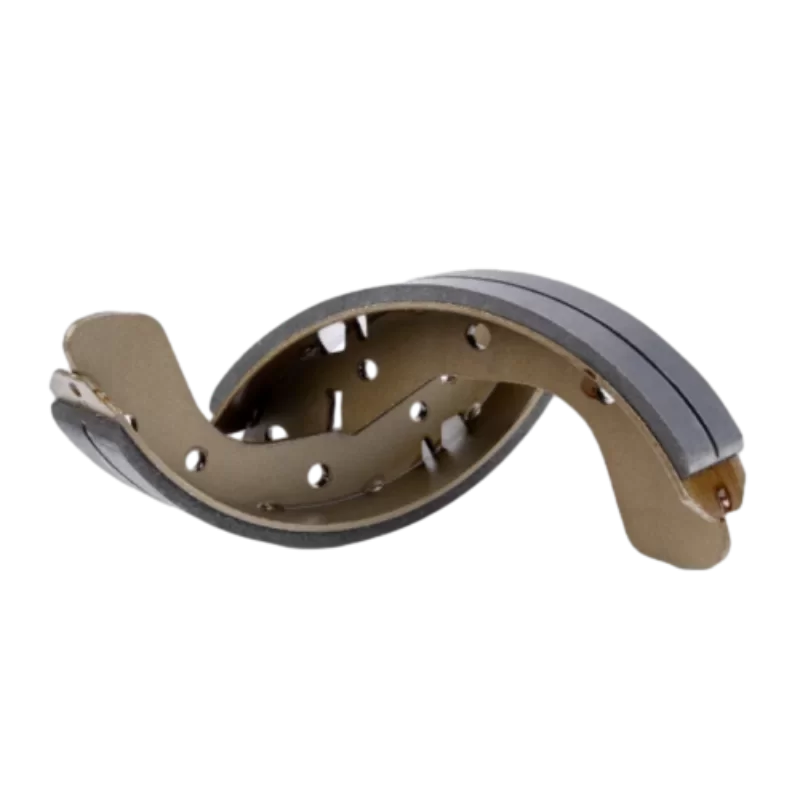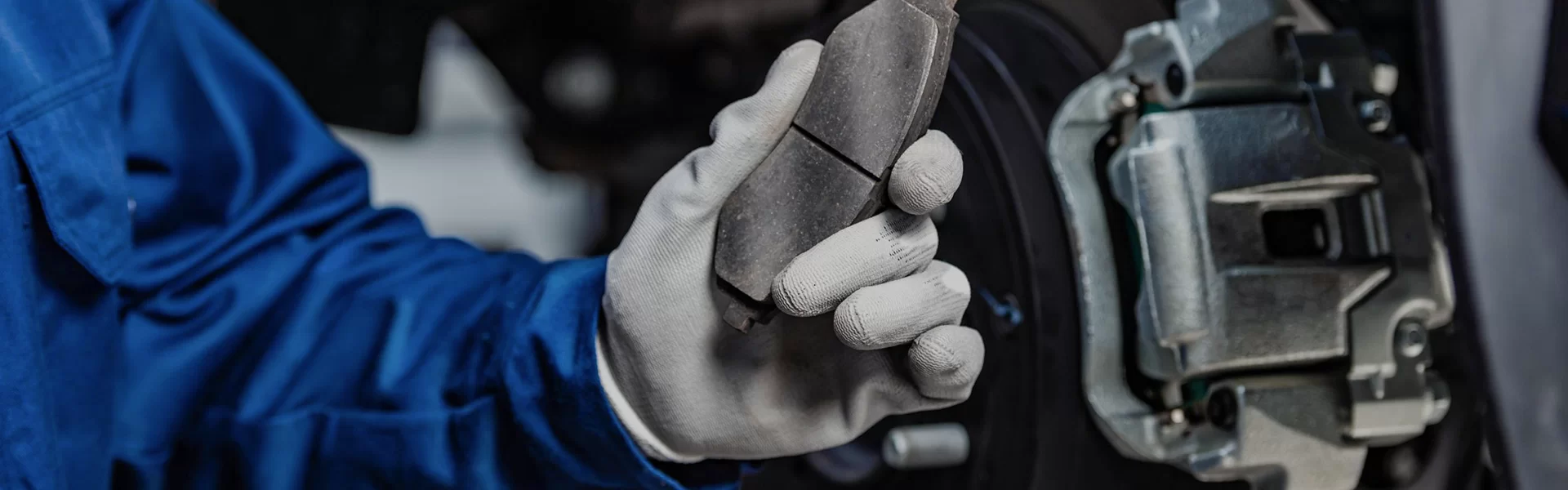
If you’ve ever wondered what keeps those mighty forklifts from careening wildly across a warehouse floor or a hectic construction site, the answer often boils down to forklift brake shoes. These components, while small and humble, play a tremendous role globally — ensuring safety, reliability, and efficiency in countless industries. Understanding how forklift brake shoes work, why they matter worldwide, and what benefits they bring can shed light on the silent backbone of industrial and humanitarian operations alike.
Forklifts are a cornerstone of material handling in industries ranging from manufacturing and logistics to agriculture and emergency aid. According to the International Organization for Standardization (ISO), workplace safety standards consistently emphasize the critical nature of equipment brakes. The global forklift fleet is expected to surpass 4 million units soon, with each relying on brake systems that include these shoes [1].
The challenge? Maintaining brake performance under diverse conditions — from freezing warehouses in Canada to humid docks in Southeast Asia — without sacrificing durability or increasing downtime. Brake failures not only cause costly interruptions but can risk human lives. The safety stakes and the economic impact highlight why the humble brake shoe remains under the spotlight.
Globally, forklift brake shoes are key to workplace safety and operational continuity in countless industries, warranting attention for their reliability and performance under varying conditions.
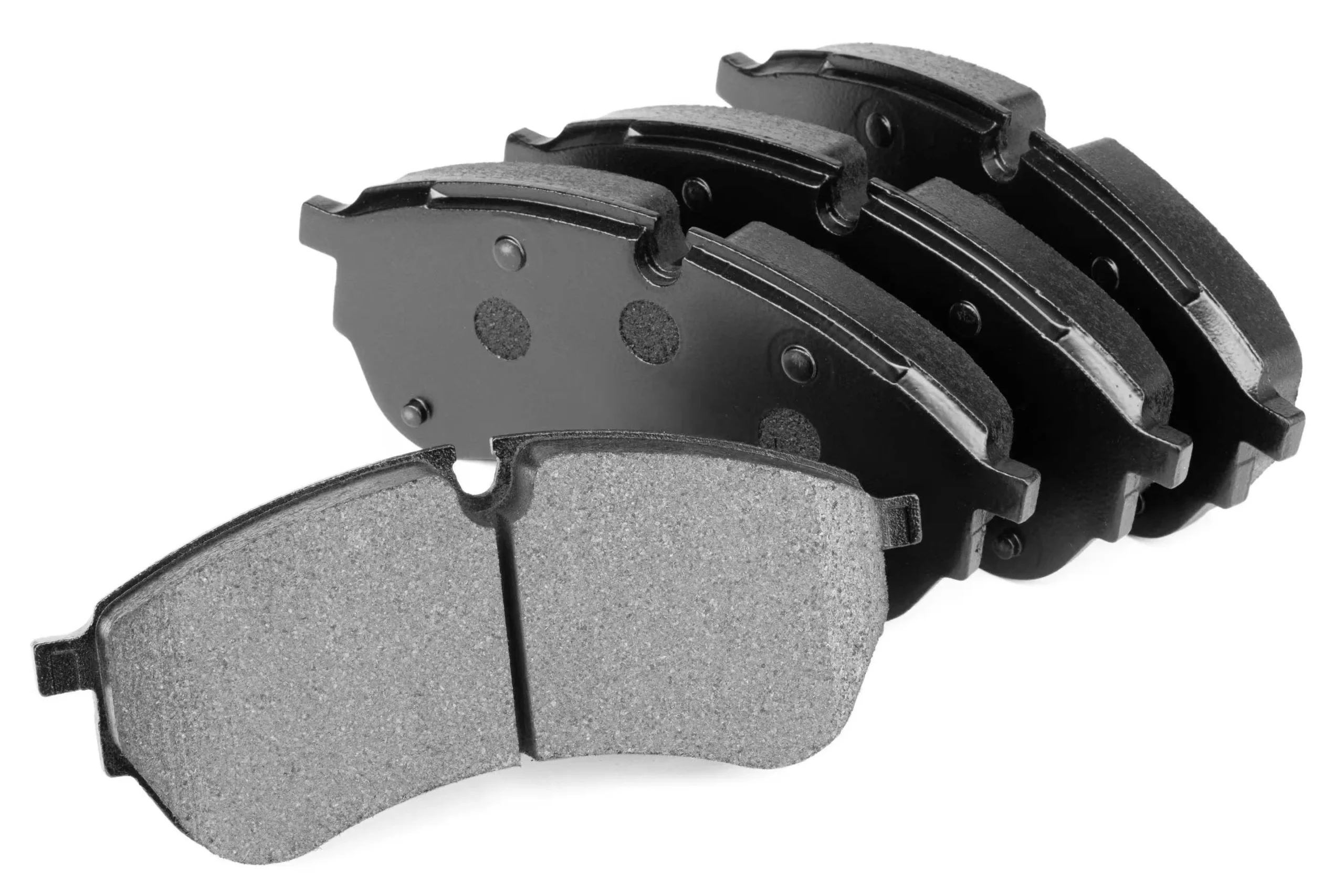
In simple terms, forklift brake shoes are the curved friction pads pressed against the inside of a brake drum to slow or stop the wheel’s motion. Think of them as brake pads’ cousins, but designed specifically to handle the tough jobs and heavy loads forklifts carry. When you push the brake pedal, these shoes clamp inside drums attached to the wheels, gently peeling kinetic energy away until the forklift halts safely.
Brake shoes connect more broadly to the push for industrial safety norms and efficiency, ensuring that even in the harsh environments of mining sites or disaster relief operations, precise control remains possible. They're not flashy, but they're indispensable — especially where human lives and expensive goods are involved.
Forklift brake shoes are essential friction components that enable controlled stopping, critical for safety and efficient operation in demanding industrial settings.
Brake shoes must withstand tremendous mechanical and thermal stress. The materials chosen — often semi-metallic or organic composites — are engineered to resist wear, heat, and corrosion. Oddly enough, the exact choice often depends on the forklift’s operational environment. For example, in food processing plants, you might find non-asbestos, dust-free options to comply with regulations.
The balance between longevity and cost is a tightrope walk. Cheap shoes might save money upfront but lead to frequent replacements and downtime. Quality brake shoes, while sometimes more expensive initially, prove more cost-effective over time thanks to longer lifespan and reduced maintenance.
Forklifts vary widely—from electric-powered pallet jacks to massive counterbalance machines. Brake shoes need to fit exact drum sizes and shapes to perform properly. Many vendors offer customizable options, which can be a game changer for older or specialized equipment.
Manufacturers must meet local and global safety standards like OSHA (U.S.) or ISO. Beyond regulations, features like dust control, environmentally friendly materials, and heat dissipation technologies often separate superior brake shoes from mediocre ones.
| Specification | Common Range | Notes |
|---|---|---|
| Material | Semi-metallic / Organic / Ceramic | Depends on operational environment |
| Thickness | 8 mm – 15 mm | Affects lifespan and heat capacity |
| Operating Temp | -30°C to 350°C | Must resist heat buildup |
| Friction Coefficient | 0.35 – 0.45 | Ensures adequate stopping power |
Durability, cost, compatibility, and safety standards drive brake shoe design—each critical for optimal forklift stopping power and service life.
From sprawling ports in Rotterdam to remote mining sites in Australia, forklift brake shoes are everywhere. Industries that haul heavy materials depend on their reliability — warehouses, steel plants, automotive assembly lines, and even disaster response teams deploying supplies after natural catastrophes.
For instance, in post-flood relief operations, forklifts move pallets laden with emergency aid. With unpredictable terrain and tight timelines, brake failure is not an option. Similarly, remote industrial zones in Africa deploy customized forklift brake shoes engineered to handle heat and dust, ensuring smooth workflow without constant servicing.
Research trials also suggest forklift brake shoe materials are evolving to blend sustainability with performance — especially important in eco-conscious markets like Europe.
Whether in bustling factories or emergency sites, forklift brake shoes support critical operations worldwide, often customized for specific environments.
It’s kind of like investing in good shoes for a long trek—cheap and poorly fitted might get you there initially, but quality will keep you steady and comfortable on the long haul. And in industrial terms, “steady” means fewer injuries, less halting of operations, and better productivity overall.
We’re seeing breakthroughs like carbon-ceramic composites that withstand higher temperatures and reduce weight — nice perks for electric forklifts aiming to maximize battery life. Smart sensors embedded in brake systems can alert maintenance teams before issues arise, turning reactive repair schedules into proactive maintenance.
Regulations and green energy pushes mean renewable and recyclable materials are gaining traction. Also, additive manufacturing (3D printing) offers the potential to rapidly produce custom brake shoes for unique models — a potential game-changer for spare parts availability in isolated areas.
Of course, no product is perfect. Brake shoe wear rate fluctuates based on operator habits and payloads, making uniform replacement schedules tricky. Supply chain delays and compatibility with older forklift models remain headaches for many maintenance managers.
Many experts recommend keeping an inventory of universal fit brake shoes and investing in operator training to moderate aggressive stops — a surprisingly effective way to extend shoe life. Also, partnering with vendors offering technical support ensures compatibility and timely delivery.
| Vendor | Material Options | Customization | Lead Time | Warranty |
|---|---|---|---|---|
| KyBrakePad | Semi-metallic, Organic | Full custom fits available | 2-3 weeks | 12 months |
| GlobalBrake Solutions | Ceramic, Semi-metallic | Standard sizes only | 1 week | 6 months |
| EcoStop Tech | Organic, Recycled materials | Limited customization | 3-4 weeks | 18 months |
The biggest influences are the forklift’s load weight, the frequency of stopping, operator behavior, and environmental conditions such as dust or moisture. Heavy loads and aggressive braking wear them out quicker, while a clean, well-maintained environment can extend lifespan substantially.
Signs include squealing noises, reduced braking efficiency, and visible thinning of the brake lining. Most operators follow scheduled checks, but incorporating sensor-based alerts can advance predictive maintenance.
Yes, newer brake shoes use materials like recycled fibers or organic compounds designed to reduce environmental impact. Recycling worn brake shoes is also becoming common in facilities prioritizing sustainability.
Unfortunately not. Brake shoes must fit precise drum dimensions, so it’s important to source compatible parts. Many manufacturers, including KyBrakePad, offer customization to fit various models.
Conditions like extreme heat, moisture, or dust can accelerate wear or cause corrosion. Specialized materials and protective coatings are often used in harsh settings to mitigate these effects.
Ultimately, forklift brake shoes might feel like an industry’s quiet workhorse, but their role in providing safe and efficient operations is huge. Quality brake shoes offer long-term savings, improved safety, and adaptability to diverse environments. For companies serious about sustainability, reliability, and worker welfare, investing in top-notch brake shoes is a no-brainer.
If you’re looking to upgrade or replace forklift brake shoes, don’t settle for less — it pays to trust proven vendors. Visit KyBrakePad for tailored solutions that keep your fleet rolling safely and smoothly.
Good forklift brake shoes are a small investment with outsized impacts on safety, costs, and downtime—a simple upgrade that pays dividends for years.