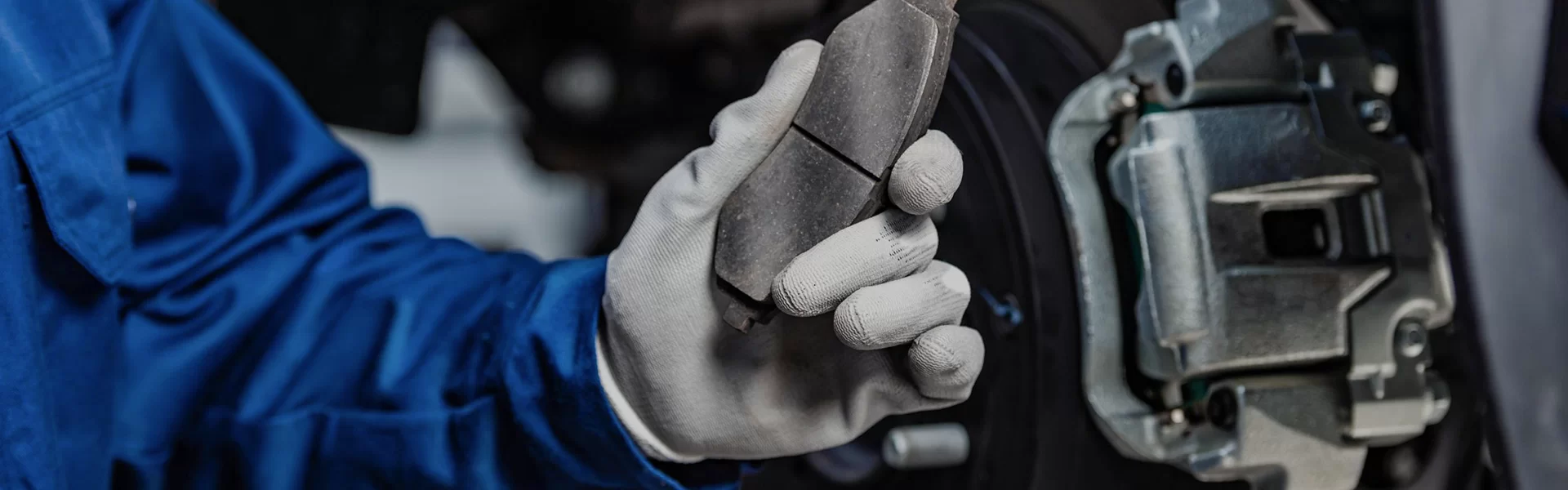
If you’ve ever wondered how vehicles—especially heavy-duty trucks, buses, or industrial machinery—stop smoothly and safely, the answer very often comes down to genuine brake shoes. These seemingly unassuming components play a vital role in transportation safety worldwide. Not only do they ensure vehicles halt reliably, but they also contribute to sustainability by lasting longer and reducing waste from premature replacements. Grasping what makes genuine brake shoes “genuine” rather than aftermarket copies is key—not just for vehicle owners but for industries globally relying on safe and efficient braking.
It’s interesting, really, how such a specialized part impacts safety on the roads on every continent, influencing everything from urban commuting to emergency vehicle response times—and even humanitarian convoys delivering essential aid. In a world steadily moving towards higher safety and environmental standards, knowing the benefits of genuine brake shoes is simply smart.
According to estimates by the International Transport Forum (ITF), road transport accounts for nearly 30% of global CO2 emissions. But beyond emissions, road safety remains a glaring concern: the World Health Organization reports over 1.3 million fatalities annually from road accidents. The humble brake shoe—when genuine and properly maintained—directly addresses this safety challenge by enabling predictable braking performance.
At the same time, the demand for high-quality brake components is surging in emerging markets where rapid urbanization has led to a boost in commercial and passenger vehicles. Genuine brake shoes meet strict ISO and SAE standards, ensuring dependable performance. The challenge has been tackling counterfeits or low-grade alternatives, which while cheaper upfront, endanger lives and escalate maintenance costs.
So, genuine brake shoes aren’t just a mere detail on a parts catalog but a linchpin holding together various global ambitions—safety, durability, and sustainability.
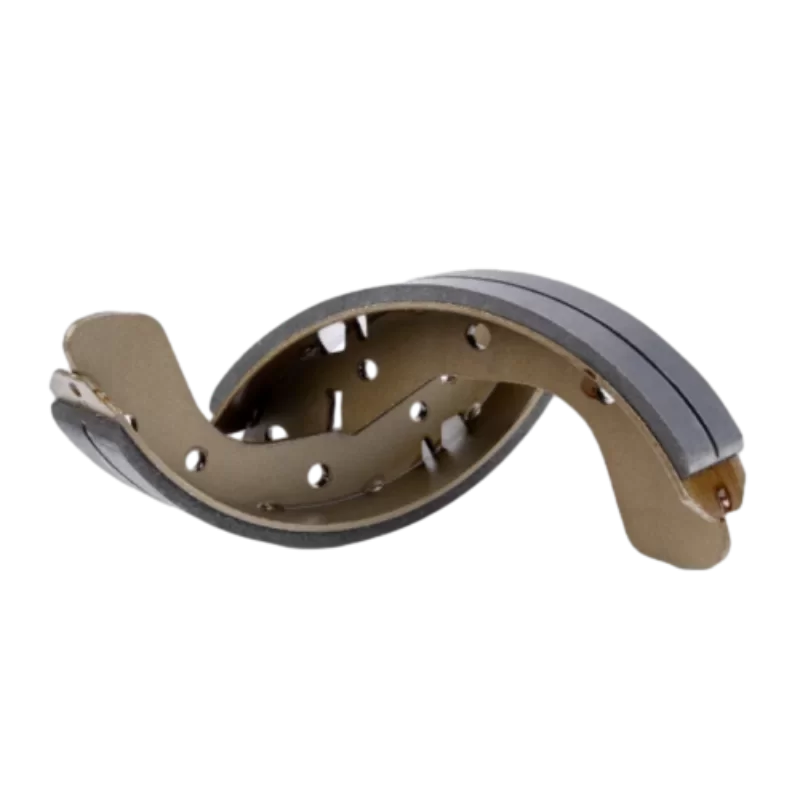
In the simplest terms, brake shoes are curved friction components that press against a drum to slow or stop wheel rotation. “Genuine” means these shoes are produced by the original equipment manufacturer (OEM) or authorized suppliers, using certified materials and processes matching the vehicle’s engineering specifications.
Why does this matter? Well, a genuine brake shoe offers consistent friction levels, optimum wear rates, and safer heat dissipation. They are meticulously tested to comply with global standards—meaning an end customer isn’t gambling with their safety by installing an unknown or counterfeit replacement.
In industrial and humanitarian contexts, these characteristics ensure mission-critical vehicles keep running smoothly through rough terrains or disaster zones without unexpected brake failures.
Typically made from composite friction materials bonded to a steel backing plate, durability depends on the friction compound’s resistance to heat, wear, and moisture. High-quality friction materials often include aramid fibers or ceramic components, contributing to longer life cycles.
This relates to how effectively a brake shoe converts kinetic energy into heat (via friction), which slows the vehicle. Genuine shoes maintain consistent friction coefficients even under harsh conditions—rain, dust, or heavy loads.
Repeated braking produces heat. Efficient heat management prevents brake fade and extends component life. Original brake shoes generally feature optimized designs to improve heat dispersal compared to aftermarket versions.
A genuine shoe fits precisely into the drum brake system, reducing installation time and the risk of premature failure from improper fitment.
Modern production often follows regulations like the EU’s REACH or the U.S. EPA mandates, minimizing toxic substances—especially chromium or asbestos, which were once common.
Mini takeaway: Genuine brake shoes excel because of superior materials, careful engineering, and tested performance that combine into safer, longer-lasting brake systems.
Commercial transportation: Long haul trucks rely heavily on brake shoes that resist wear over hundreds of thousands of kilometers. Genuine shoes reduce downtime—a critical factor in logistics.
Public transit: From buses in New York to trams in Berlin, sticking to genuine parts ensures consistent service safety.
Industrial heavy machinery: Cranes, loaders, and mining equipment feature drum brakes where genuine brake shoes perform under extreme loads.
Emergency and humanitarian: Ambulances, fire trucks, and relief convoys in disaster zones benefit from genuine brake shoes that meet reliability demands in remote, challenging conditions.
For instance, one NGO operating relief trucks in the flood-prone regions of South Asia reported significantly fewer brake issues after switching exclusively to genuine brake shoes sourced through authorized suppliers. It might seem a small detail, but it can mean the difference between life and death when seconds count.
Many engineers I’ve spoken to emphasize how the upfront savings on cheap parts rarely outweigh the risks—especially when brake performance is non-negotiable.
| Specification | Typical Range | Notes |
|---|---|---|
| Material Composition | Semi-metallic, Ceramic, Aramid | Selected based on vehicle type |
| Friction Coefficient | 0.35 - 0.45 | Consistent across conditions |
| Operating Temperature Range | -40°C to 400°C | High heat resistance required |
| Average Lifespan | 50,000 - 100,000 km | Depends on usage and conditions |
| Compliance Standards | ISO 9001, SAE J661, ECE R90 | Certified for safety and quality |
| Vendor | Material Options | Global Reach | Price Range (per unit) | Certifications |
|---|---|---|---|---|
| Ky Brake Pad Co. | Ceramic, Semi-metallic | 150+ countries | $$ | ISO 9001, ECE R90 |
| Global Brake Inc. | Semi-metallic, Organic | 120 countries | $ | SAE J661 |
| EcoBrake Solutions | Ceramic, Aramid fiber | 80 countries | $$$ | ISO 9001, REACH |
| AutoParts Limited | Organic, Semi-metallic | 50 countries | $ | ECE R90 |
The brake shoe landscape is evolving rapidly, with green technology and digital integration driving much of the change.
It’s a brave new world where brake parts might soon communicate with your phone—almost a sci-fi notion, but closer than you think.
Common issues include the prevalence of counterfeit brake shoes and inconsistent global regulations, especially in less developed regions. Low-cost knock-offs often miss heat resistance or proper material balance, leading to faster wear or dangerous brake fade.
Experts recommend:
Some vendors also offer warranty programs or detailed wear analytics tools to help operators avoid costly failures.
Look for OEM markings, certifications like ISO or ECE R90 on packaging, and buy only from authorized dealers. A genuine brake shoe usually comes with documentation or warranty, unlike generic copies.
Yes. They last longer, offer consistent braking performance, and reduce maintenance frequency, which saves money over a vehicle’s life cycle.
Manufacturers produce a wide range of brake shoes tailored for heavy-duty, passenger, industrial, and specialized uses. Always verify compatibility but genuine shoes cover most applications.
Regular inspections, cleaning brake drums, and timely replacement when thickness drops below spec are essential. Avoid overloading the vehicle, which strains brake system components.
Definitely. With longer lifespans and less frequent replacements, genuine shoes reduce waste. Also, newer materials comply with environmental regulations, limiting harmful substances.
In an industry where safety is paramount, and sustainability is an escalating priority, genuine brake shoes shine as a perfect blend of engineering precision and practical reliability. They might not be flashy, but their role is indispensable.
Thinking about upgrading or replacing your brake system components? Make sure you rely on authentic parts to protect your investment, your passengers, and the planet. Explore genuine brake shoes from trusted manufacturers and discover a difference that’s felt every time you brake.
Stay curious, stay safe on the road.