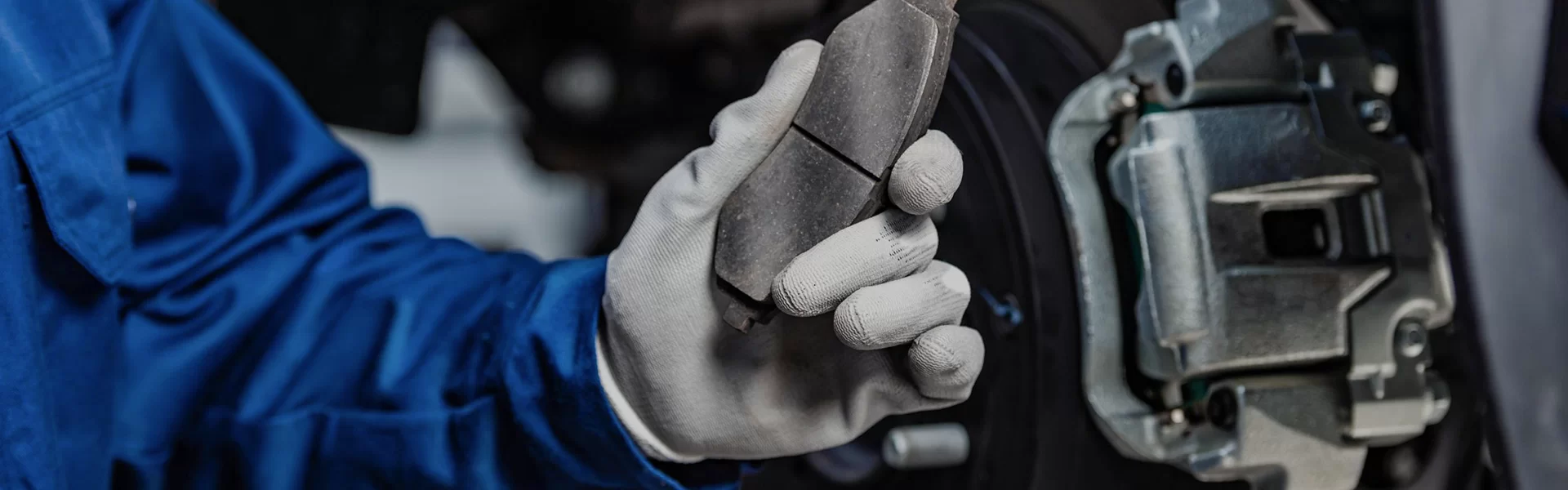
If you’ve ever paused a massive truck or a piece of heavy machinery, you’ve probably taken a moment to thank the humble heavy duty brake shoe. Yeah, it sounds like a simple component, but trust me, its role is anything but small. From shipping containers stacked in Singapore to heavy haul trucks in the outskirts of Canada, the reliable stopping power of these brake shoes keeps industries moving safely and efficiently.
Globally, heavy duty brake shoes underpin safety standards in countless transportation and industrial sectors. According to the International Organization for Standardization (ISO), braking components for heavy vehicles must withstand extreme conditions, which is critical for reducing accidents and economic losses worldwide. In real terms, understanding the nuances of these brake shoes isn’t just technical jargon—it’s a safety imperative and even a social responsibility.
Heavy duty brake shoes are essential to global transport and industry, delivering vital safety and operational reliability.
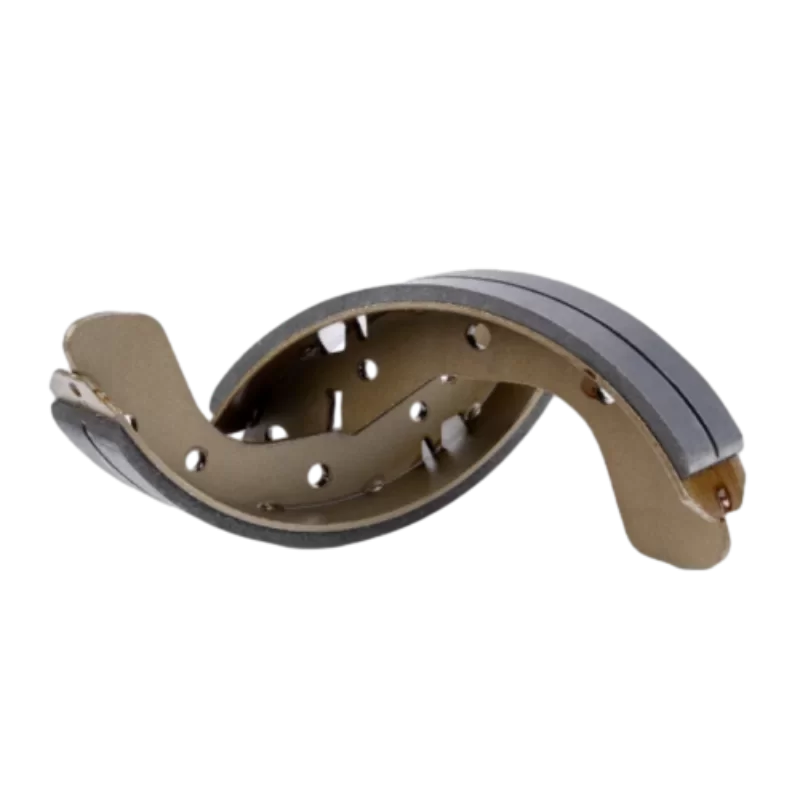
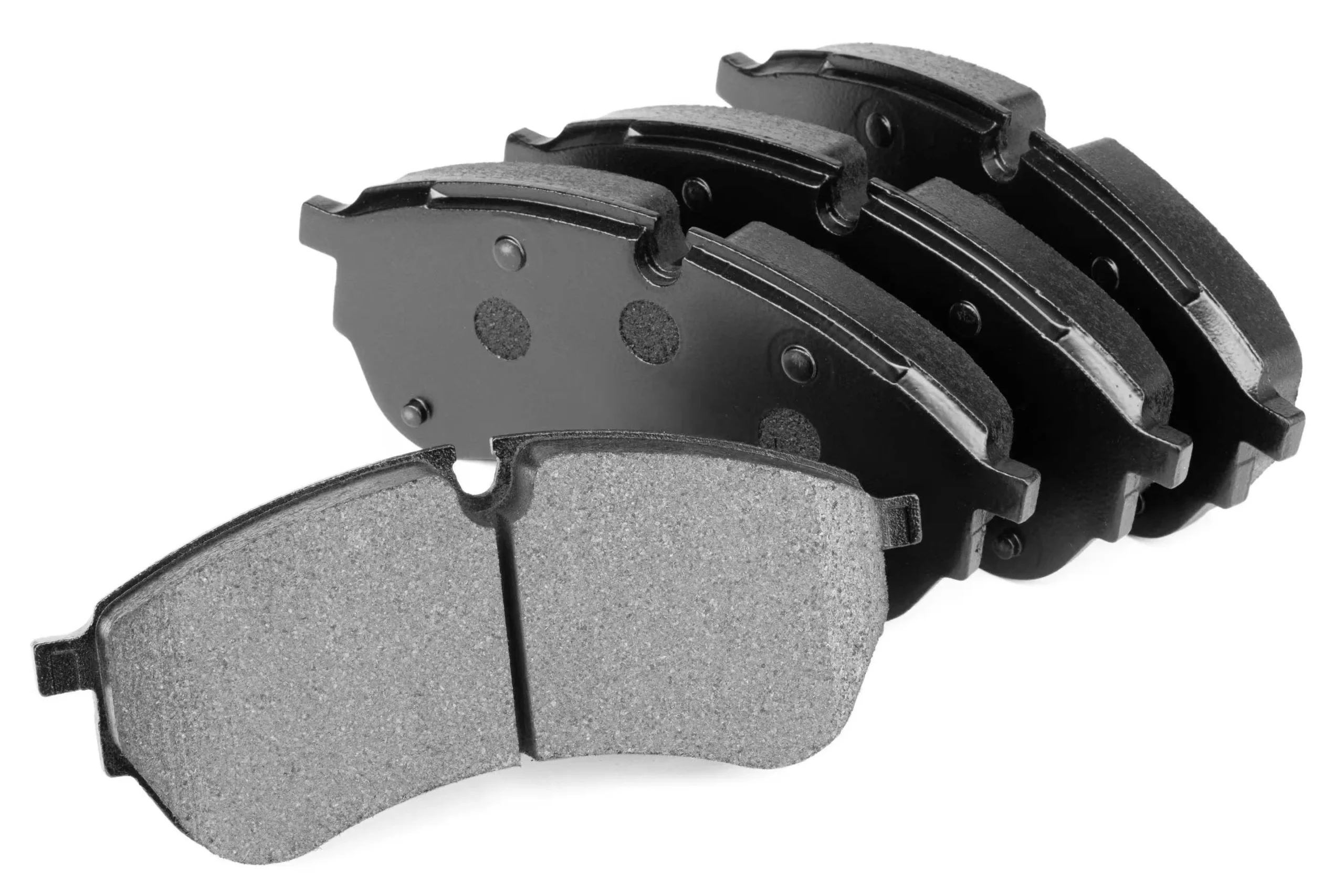
Simply put, heavy duty brake shoes are the curved friction materials mounted onto the brake drum backing plate, designed to press against the rotating drum to slow or stop heavy vehicles and equipment.
Think of them like the sturdy rubber soles of your boots, gripping the pavement no matter how wet or rugged the surface. In industries that rely on massive machines or vehicles—say, construction, freight, or mining—these brake shoes are critical for controlled, safe deceleration.
Heavy duty brake shoes are engineered to withstand tremendous pressure and heat without cracking or wearing out prematurely. Usually composed of asbestos-free composites or semi-metallic materials, their resilience directly impacts maintenance cycles and safety margins.
Friction generates heat, and with vehicles that haul tons, that heat can be intense. Brake shoes must resist deformation under those conditions to maintain consistent stopping power. Overheating is not just a nuisance; it can lead to brake fade—something every driver dreads.
While initial cost matters, it’s the total lifecycle cost—how often you replace them, labor for swaps, downtime—that truly counts. Materials and design aim to strike a balance between price and longevity, especially for fleets running 24/7.
Modern brake shoes also consider environmental impacts, avoiding hazardous materials like asbestos and minimizing dust emissions. This matters not just for worker health but reputation and regulatory adherence worldwide.
Whether it’s a 10-ton loader or a massive mining dump truck, brake shoes come in various sizes and configurations, allowing businesses to tailor their braking solutions precisely to vehicle specifications.
Durability, heat resistance, affordability, compliance, and customization are fundamental in choosing the right heavy duty brake shoe for any application.
Think about sprawling Asian ports where container ships unload massive cargoes. Reliable braking systems enabled by these brake shoes allow cranes and transport vehicles to operate smoothly, maintaining the supply chain without a hitch. In Northern Europe, logistics companies depend on robust brake shoes to keep heavy freight trucks safe on icy roads.
Post-disaster relief operations, like after earthquakes or hurricanes, use heavy duty brake shoes on emergency vehicles and mobile construction equipment. These components provide the confidence needed to move heavy loads and people in chaotic environments — often saving lives.
Heavy duty brake shoes are more than components — they’re foundational to operations across industries worldwide, from ports to disaster zones.
It’s tempting to skimp on brake components, but many engineers say scrimping here can be dangerously shortsighted. The upfront investment in robust heavy duty brake shoes pays off with fewer accidents, less downtime, and lower maintenance headaches.
There’s an emotional element, too — the peace of mind that your vehicle brakes when it should. Safety fosters trust between workers, companies, and customers, which frankly, is priceless.
Moreover, innovation in materials ensures that today’s brake shoes can last longer and produce less waste, contributing to sustainability goals without compromising safety. It’s a win-win for business and the planet.
| Specification | Typical Range | Notes |
|---|---|---|
| Material Composition | Semi-metallic / Ceramic composite | Asbestos-free modern options |
| Operating Temperature | Up to 600°C / 1112°F | Sustains high friction without fade |
| Thickness Range | 15–30 mm | Varies by vehicle load requirements |
| Average Lifespan | 50,000 – 150,000 km | Dependent on use conditions |
| Weight | Varies: 2 to 10+ kg per shoe | Heavier shoes for heavier vehicles |
| Vendor | Material Technology | Price Range (per set) | Global Reach | Customization Options |
|---|---|---|---|---|
| KyBrakePad Inc. | Advanced semi-metallic composites | $350 - $700 | Worldwide, incl. Asia & Europe | Full customization for vehicle specs |
| BrakeMax Global | Ceramic-hybrid materials | $400 - $750 | North America & Europe focus | Limited customization, quick delivery |
| HeavyStop Solutions | Eco-friendly composite blends | $300 - $600 | Asia-Pacific & Latin America | Moderate customization, emphasis on sustainability |
Something I find fascinating is how green tech has touched even heavy duty brake shoes. New materials derived from renewable sources and low-dust formulations are not just buzzwords—they're changing how braking components are made and disposed of. Coupled with IoT-enabled sensors, some brake systems now offer real-time wear monitoring, helping fleets prevent failures before they occur.
Automation in manufacturing allows more precise and consistent products with tighter safety tolerances. Plus, as electric and hybrid vehicles become common, brake shoe designs are evolving to complement regenerative braking systems, reducing wear.
Brake shoes face constant wear, heat stress, and exposure to environmental contaminants—a recipe for potential failure. Finding the optimal balance between friction, longevity, and environmental impact is never easy. Yet by adopting new composites, precision machining, and rigorous testing protocols (aligned with ISO 26865), manufacturers are stepping up quality.
One solution gaining traction is modular design, allowing individual brake shoe components to be replaced rather than discarding entire assemblies. It's a bit like swapping out a single shoe sole instead of tossing the whole boot.
In the grand scheme, heavy duty brake shoes might not be glamorous, but their impact is profound. They’re the unsung heroes that keep massive equipment and vehicles safe, operational, and efficient—whether on gravel mines, urban highways, or disaster zones abroad. Investing in quality components not only safeguards lives but also protects your bottom line over the long haul.
Curious to see what options fit your heavy machinery or fleet? Visit our website for detailed specs, product lines, and expert advice tailored to your needs.