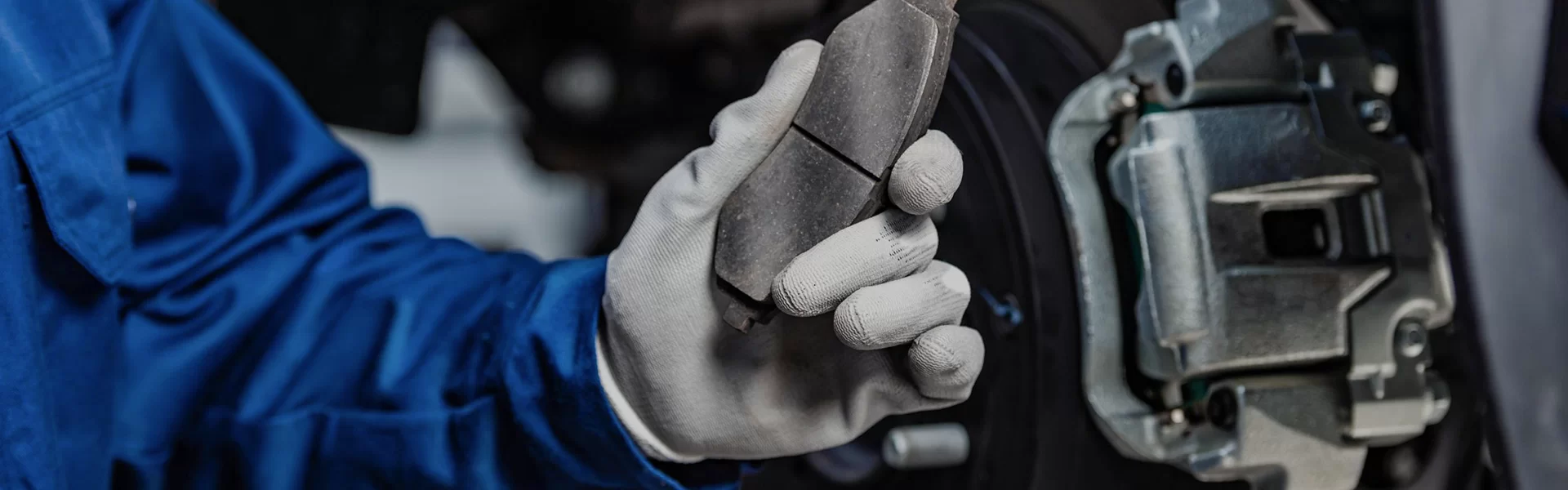
Heavy duty truck brake shoes are often overlooked in the grand logistics and transport ecosystem, yet they serve as one of the most critical safety components that keep our global supply chain moving smoothly. Whether you’re talking about long-haul freight on cross-continental highways or heavy machinery moving through industrial zones, these components ensure the trucks stop safely and reliably.
Why does this matter globally? The World Bank reports over 80% of freight worldwide is transported by road, emphasizing the importance of reliable braking systems. Poorly maintained or substandard heavy duty truck brake shoes can lead to catastrophic failures, risking lives, supply delays, and huge economic impacts. Understanding their design, applications, and innovations can help industries save money, improve safety standards, and even reduce environmental footprints.
In an increasingly interconnected world, heavy duty truck brake shoes play a vital role in global commerce and daily functioning. The International Organization for Standardization (ISO) sets strict performance and safety guidelines to ensure that manufacturers across continents deliver products that meet universal reliability criteria.
Nonetheless, challenges remain. According to the United Nations Economic Commission for Europe (UNECE), road accidents involving trucks contribute significantly to traffic fatalities, many linked to brake system failures. This highlights why investing in quality brake shoes is not just a maintenance task but a global safety imperative.
Reliable heavy duty truck brake shoes are a cornerstone of global commerce and safety, reducing accident risks while supporting critical supply chains.
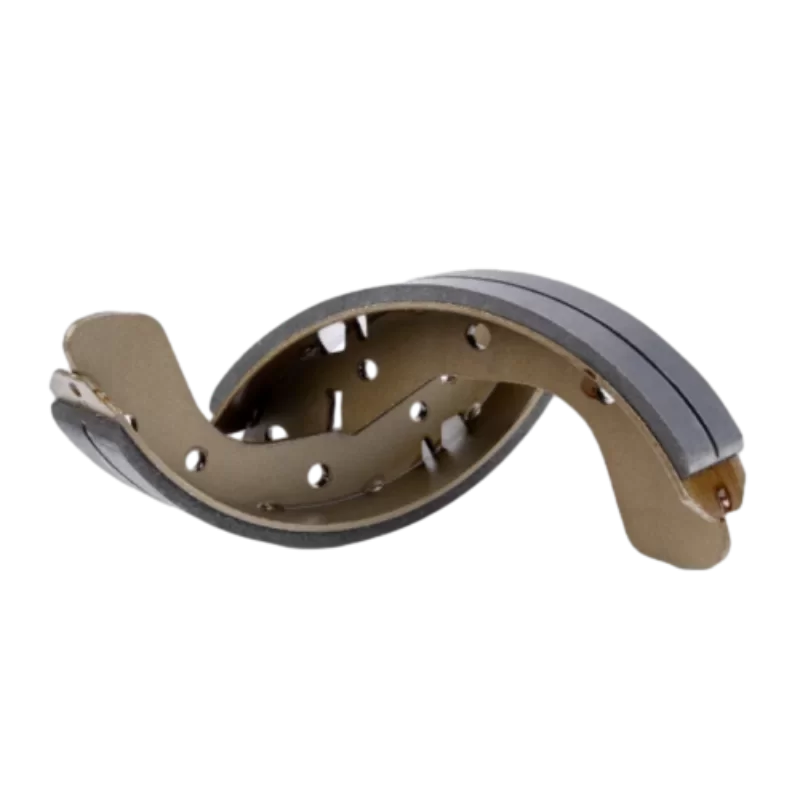
In simple terms, heavy duty truck brake shoes are curved pieces of metal with friction material attached to them. Mounted inside the brake drum of trucks, their job is to press against the drum’s inner surface when brakes are applied, creating friction that slows or stops the vehicle.
Unlike passenger cars, trucks require brake shoes that can endure heavier loads, higher temperatures, and prolonged wear. These components lie at the intersection of mechanical engineering and materials science, marrying raw durability with precise friction management.
Truck brake shoes face intense stress — imagine hauling tens of tons downhill. So, the friction material must resist wear and heat without cracking or fading. Many manufacturers use composite materials that balance toughness and thermal resistance.
Friction must be consistent to ensure predictable stopping distances. Too much initial grab can cause wheel lock, while too little means longer stopping times. Formulations vary to optimize for temperature ranges and usage patterns.
Since brake shoes require regular replacement, operators favor options that extend service life without breaking the bank. Material choice and manufacturing quality directly impact replacement intervals and overall maintenance expenses.
Different truck models demand different shoe sizes and types. Scalable production and product lines allow vendors to cater to everything from light-duty pickups to mega freight carriers.
With rising environmental regulations, brake shoe materials are shifting away from asbestos and heavy metals to eco-friendlier composites that reduce pollution and human health hazards.
| Specification | Description |
|---|---|
| Material Composition | Non-asbestos organic (NAO) or semi-metallic composites |
| Operating Temperature | Up to 450°C (840°F) |
| Coefficient of Friction | 0.3 – 0.5 (varies with temperature) |
| Life Expectancy | 20,000 – 40,000 miles, depending on use |
| Weight Capacity | Designed for 10-40 ton vehicles |
Heavy duty truck brake shoes serve industries worldwide, with standout utility in:
Oddly enough, even remote oil rigs or forestry operations rely heavily on these shoes for machinery and transport vehicles, where failure could mean costly downtime.
For example, in Southeast Asia, heavy duty trucks ferrying agricultural goods face humid climates that accelerate wear — prompting demand for specially formulated composites.
From disaster zones to industrial jungles, heavy duty truck brake shoes keep heavy vehicles safe and on the move worldwide.
Investing in superior brake shoes goes beyond immediate safety. Here are some tangible benefits:
Plus, there’s something reassuring about knowing the trucks you depend on will stop exactly when you need them to — both practically and from a human standpoint.
Several promising developments are shaping the future:
Challenges like uneven wear, heat fade, and replacement logistics persist. However, breakthroughs in material science, coupled with predictive maintenance software, help mitigate these issues.
Some manufacturers use thermal imaging during testing to identify weak spots in brake shoes before they hit the market. Others collaborate closely with vehicle OEMs to tailor brake shoes for optimized compatibility.
| Vendor | Material Type | Typical Vehicle Compatibility | Innovation Highlights | Price Range (USD) |
|---|---|---|---|---|
| KyBrakePad | NAO Composites | 10-35 ton trucks | Smart wear sensors | $120 - $250 |
| BrakeTech Solutions | Semi-metallic | Heavy freight trucks | Thermal improved compounds | $140 - $280 |
| EcoBrake Corp. | Bio-composites | Medium duty trucks | Sustainable materials & recycling program | $130 - $260 |
Replacement intervals vary depending on usage and terrain but generally range between 20,000 and 40,000 miles. Regular inspections every 10,000 miles can help detect early wear and avoid failures.
Modern brake shoes use non-asbestos organic (NAO) or semi-metallic composites designed to balance safety, environmental friendliness, and durability. Avoiding asbestos reduces health risks significantly.
Indirectly, yes. Brake shoes that generate excessive drag (due to improper installation or wear) can reduce fuel efficiency. Well-maintained brake shoes ensure optimal vehicle performance.
Absolutely. Some manufacturers specialize in bio-composite friction materials that reduce heavy metals and pollutants, promoting greener logistics chains.
Consider truck weight, typical operating conditions, and manufacturer recommendations. Consulting suppliers like heavy duty truck brake shoes specialists ensures you get the right fit.
Quality brake shoes bring measurable safety, cost, and environmental benefits to the heavy trucking industry — the backbone of global trade. As technology advances, smarter materials and monitoring will only improve reliability and reduce risks.
Next time you see a massive freight truck passing by, consider the humble brake shoe inside — a small but mighty hero in keeping goods and people safe worldwide.
For those managing fleets or sourcing components, exploring options through heavy duty truck brake shoes vendors can unlock both performance gains and peace of mind.