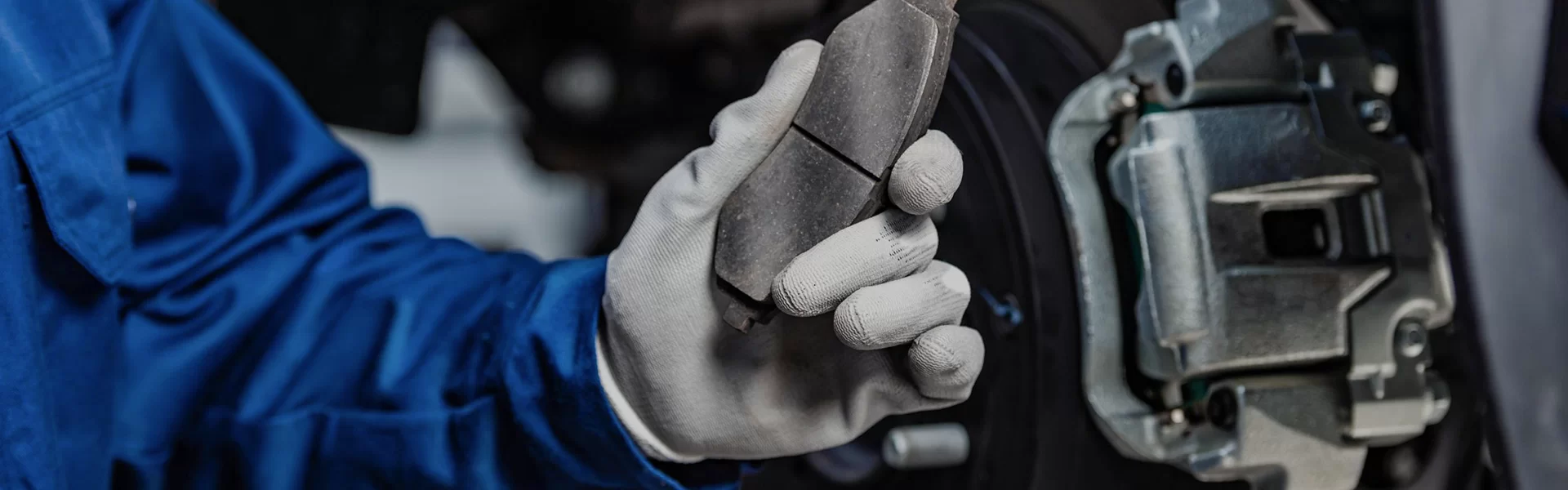
Heavy truck brake shoes might not make headlines every day, but their role in global transportation and industry is huge. Given the sheer volume of goods moved daily, reliable braking systems are critical—not just for safety but for efficiency and sustainability. Understanding these components helps engineers, fleet operators, and buyers make savvy choices that impact everything from logistics costs to environmental footprints.
The global trucking industry is a powerhouse. According to the International Transport Forum (ITF), over 70% of road freight transport worldwide depends on heavy trucks. That translates to billions of tons of goods moving safely due largely to dependable braking systems.
However, with increasing vehicle weights and tighter environmental standards (ISO 16283 governs brake shoe performance, for example), brake shoes must evolve to maintain safety and efficiency. Ineffective brake shoes can lead to accidents, delays, and costly downtime. This real-world problem makes understanding heavy truck brake shoes not just a technical matter but a global logistics priority.
Mini takeaway: Without robust brake shoes, the entire supply chain risks disruption — and nobody wants that.
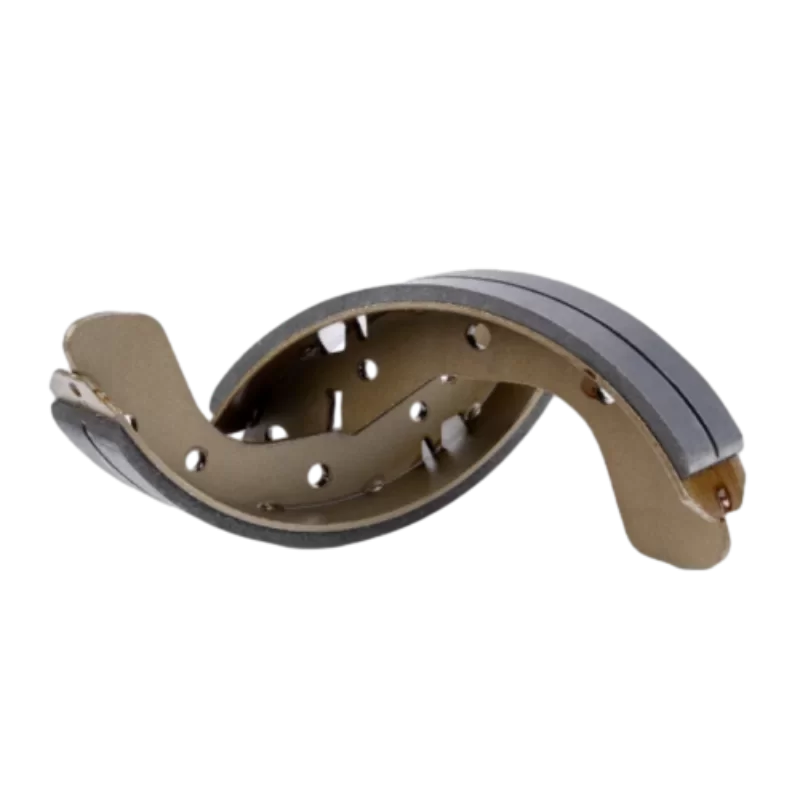
Simply put, heavy truck brake shoes are curved metal pieces lined with friction material. When activated, they press against the brake drum to slow or stop the vehicle. Different from passenger car brakes, these shoes endure massive stresses — they’re engineered for trucks carrying loads that can exceed 40 tons.
They connect directly to modern industry needs, ensuring large vehicles comply with safety rules and deliver humanitarian aid or industrial supplies reliably. In other words, brake shoes are literally the brakes on progress.
Durability is king in heavy truck brake shoes. These parts need to resist abrasion, heat, and corrosion under harsh conditions. Manufacturers often develop composite friction linings to ensure long service life, reducing replacement frequency and maintenance costs.
Stopping massive trucks generates tremendous heat. Efficient brake shoes facilitate heat dissipation to prevent warping or fade, which can be dangerous on long descents or heavy loads.
Brake shoes must fit various truck models and adapt to trailer systems from different makers. Scalability in design allows fleet operators to standardize parts inventory and simplify repairs.
Balancing upfront cost with lifecycle expense is crucial. Cheaper materials may save money now but lead to quicker wear. Many professionals now prefer mid-range composite shoes offering optimized cost-performance ratios.
Materials in brake friction must comply with environmental regulations, especially concerning asbestos and heavy metals. The industry is shifting toward eco-friendly formulations without sacrificing performance.
Mini takeaway: Choosing the right brake shoe means weighing durability, heat management, compatibility, cost, and sustainability — all factors that interact in complex ways.
The applications stretch from long-haul freight in North America to mining trucks in Australia and even humanitarian logistics in Africa. In rough terrain or post-disaster zones, reliable brakes ensure aid reaches people safely. For example, NGOs deploying heavy truck brake shoes on rugged transport trucks in South America have noted lower failure rates during critical missions.
Meanwhile, logistics hubs in Europe emphasize recyclable brake sourced materials to align with the European Green Deal’s goals. In Asia, manufacturers have introduced digitally monitored brake shoe wear sensors, merging safety with the IoT trend.
Let’s break down the tangible benefits:
In real terms, this means fewer roadside breakdowns and less environmental fallout — important if you, like me, have ever sat stuck behind broken-down freight on a busy highway wondering how we got here.
| Specification | Heavy Truck Brake Shoe Model A | Model B | Model C |
|---|---|---|---|
| Material | Semi-metallic composite | Ceramic composite | Low-metallic organic |
| Heat Resistance | 550°C max | 600°C max | 500°C max |
| Typical Lifespan (miles) | 120,000 | 140,000 | 100,000 |
| Environmental Certification | RoHS compliant | RoHS & REACH | RoHS compliant |
| Price Range | $$ | $$$ | $ |
| Vendor | Material Quality | Warranty (miles) | Eco Certification | Available Models | Global Support |
|---|---|---|---|---|---|
| BrakeMaster Inc. | High-grade ceramic | 150,000 | Yes | 10+ | Worldwide |
| SafeStop Technologies | Semi-metal composite | 120,000 | Partial | 6 | North America, Asia |
| EcoBrake Solutions | Low-metal organic | 100,000 | Yes, full | 4 | Europe, Africa |
Engineers are experimenting with friction materials that reduce brake dust particles harmful to health—plus integration with digital sensors that alert drivers when brake shoes are worn. Automation means trucks could literally “tell” operators when maintenance is due.
There’s also a push for bio-based friction materials reducing dependency on metals and synthetic compounds. I find this particularly exciting because it reflects a broader transportation revolution towards greener technologies. The brake shoe, humble as it is, won’t be left behind.
Brake shoe wear rates vary dramatically based on driver habits, routes, and load. This unpredictability makes inventory planning tough. Some companies now use predictive analytics combined with IoT sensors to track shoe conditions in real-time, optimizing replacements just before failure.
Another challenge is cost pressure leading some operators to prioritize upfront savings — often at the expense of long-term reliability. Greater education on lifecycle costs and stricter regulatory standards are helping shift that paradigm slowly.
In sum: heavy truck brake shoes might seem like a small cog in the massive wheel of global logistics, but getting them right pays huge dividends in safety, cost savings, and environmental impact. They’re essential invisible heroes keeping goods moving and roads safe worldwide. For those interested in high-quality, compliant options, a visit to our website is a wise next step.
Mini takeaway: As braking technology advances, so does the promise of safer, greener, and smarter freight transport — brake shoes are an integral part of that journey.
References:
1. Wikipedia: Drum Brake
2. ISO 16283 — Brake Shoes Standards
3. International Transport Forum – Road Freight