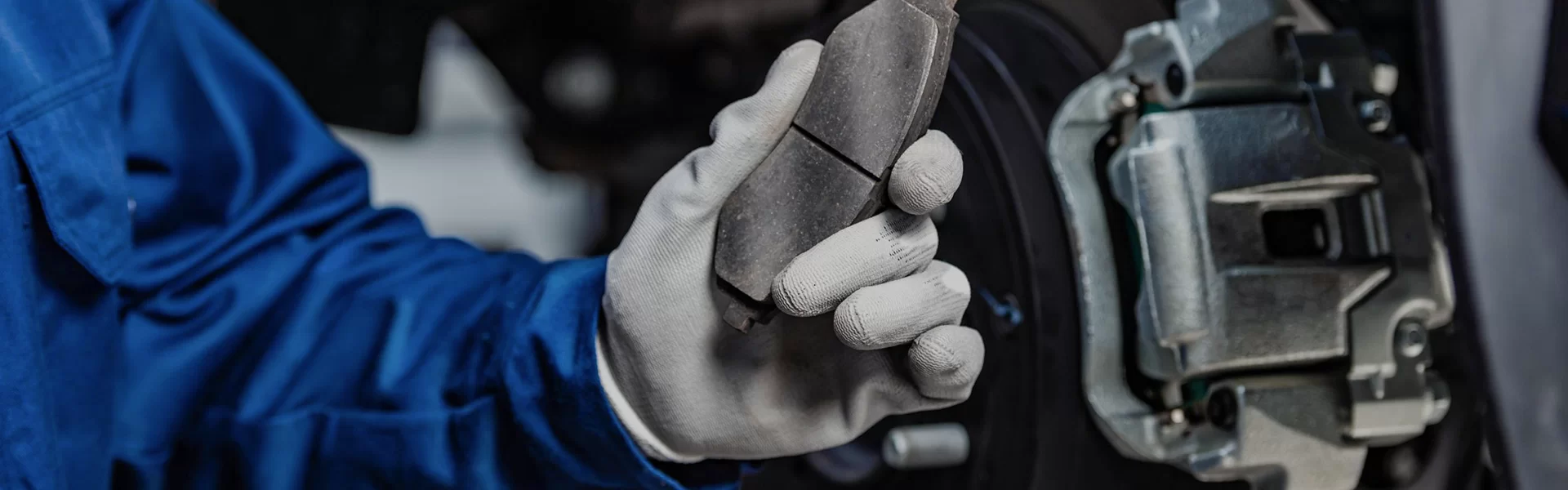
When you think about something as essential as stopping a moving vehicle safely, it becomes clear why high friction brake shoes matter so much worldwide. These components – often overlooked – play a crucial role in vehicle safety, industrial machinery, and even public transport systems. Their ability to convert kinetic energy into heat through friction ensures smooth, reliable braking performance, which literally saves lives and goods.
In a rapidly developing world, where transportation networks are expanding and heavy industry is booming, understanding the nuances of high friction brake shoes means better safety, cost efficiency, and sustainability — all critical at a global scale.
According to the International Organization for Standardization (ISO), vehicle safety regulations have been tightening worldwide, pushing manufacturers and operators to prioritize braking efficiency. The World Bank estimates that over 1.3 billion vehicles are currently on global roads, with numbers continuously climbing. Each of these depends on dependable high friction brake shoes to control speed and prevent accidents.
But here’s the snag: as vehicles, machines, and environments get more demanding, brake systems face increased wear and tear, heat, and tough weather conditions. Without reliable brakes, delays, accidents, and costly repairs become an unfortunate reality.
So, the challenge high friction brake shoes solve is universal: how to provide consistent, long-lasting friction in an ever-accelerating, sometimes extreme environment.
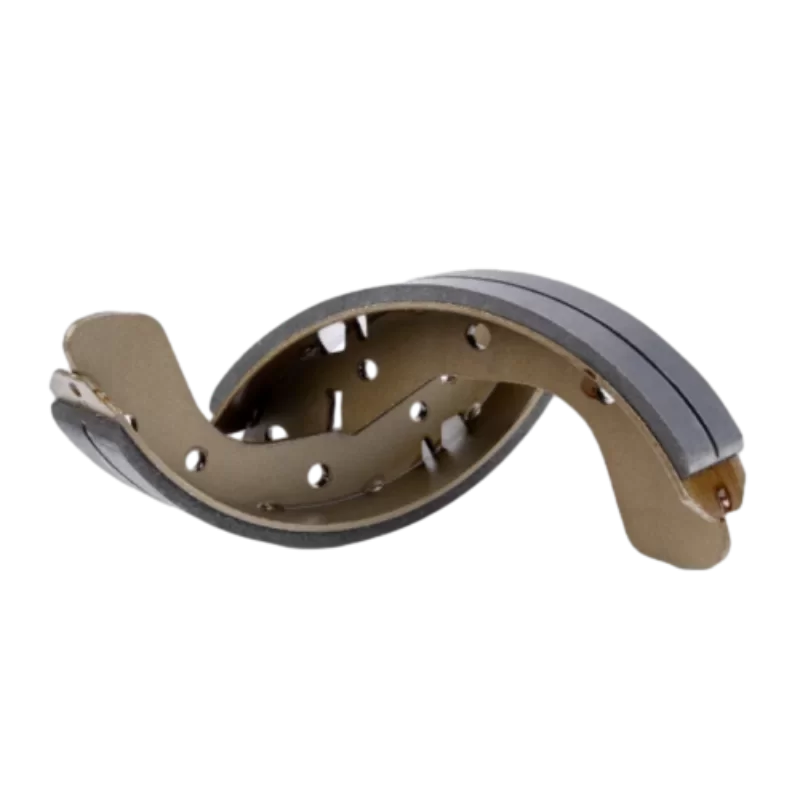
Put simply, high friction brake shoes are the curved components inside drum brakes that press against the rotating drum to slow or stop the wheel turning. They’re lined or coated with specialized materials designed to maximize friction without wearing out too quickly or overheating.
Modern brake shoes use advanced composites — from organic blends to semi-metallic or ceramic-based compounds — to balance performance, durability, and noise reduction. In the context of industry or even humanitarian applications (like emergency transportation in disaster zones), having dependable braking is non-negotiable. These brake shoes keep vehicles controlled, protected, and operational in tough conditions.
Essentially, high friction brake shoes are the unsung heroes of braking systems, combining material science and engineering precision to deliver reliable stopping power worldwide.
Materials used in brake shoes determine both friction coefficient and durability. Semi-metallic compounds often strike a balance between grip and lifespan, while ceramic types offer quieter, cleaner operation. Engineers constantly experiment with additives like graphite or Kevlar fibers to optimize thermal management.
Brake shoes endure tremendous mechanical and thermal stress. Their design must prevent glazing (surface hardening due to overheating) and cracking. Durability ensures less frequent replacements, which saves money and downtime.
Efficient heat management is key – excessive heat reduces friction and can cause brake fade. High-quality brake shoes incorporate materials and shapes that promote better airflow and thermal dispersion.
Brake shoes must perform consistently across weather extremes, from freezing winters in Scandinavia to humid tropical zones in Southeast Asia. Resistance to corrosion and moisture ingress prolongs service life.
It's no secret automotive and industrial players wrestle with balancing performance and cost. The best brake shoes deliver superior friction and longevity without breaking budgets or complicating maintenance schedules.
The science behind brake shoes is surprisingly complex; every detail — from material blends to heat management — translates into real-world safety and savings.
High friction brake shoes are everywhere — buses rumbling through the streets of Mumbai, heavy trucks hauling goods across Canada’s vast highways, and mining equipment deep underground in South Africa.
Organizations like the UN’s Logistics Division often specify high friction brake shoes for their fleet to ensure dependable mobility during complex operations.
Regardless of geography or sector, effective brake shoes are crucial cogs in global safety and operations.
Why fuss over brake shoe quality? Because it pays off in measurable ways:
On an emotional level, knowing a vehicle stops quickly on demand brings peace of mind to drivers and passengers alike. And from an operational standpoint, it’s simply smart business to avoid downtime or safety incidents.
| Specification | Description |
|---|---|
| Material | Semi-metallic composite with graphite fibers |
| Friction Coefficient | 0.4 – 0.45 (dry condition) |
| Operating Temp | Up to 600 °C |
| Typical Lifespan | 30,000 – 50,000 km (variable by use) |
| Weight per Shoe | Approximately 1.5 kg |
| Vendor | Material Technology | Price Range (per unit) | Warranty | Recommended For |
|---|---|---|---|---|
| KyBrakePad Co. | Semi-metallic with Kevlar blend | $30 - $50 | 24 months | Commercial vehicles, industrial use |
| GlobalBrake Solutions | Ceramic-based composites | $45 - $70 | 18 months | High-performance passenger vehicles |
| EcoStop Technologies | Organic, low-metal blend | $25 - $40 | 12 months | Lightweight vehicles, green transport |
The brake shoe realm is not exactly headline news — yet innovation quietly hums away here as well. The push towards greener materials is gaining strength, with some manufacturers pursuing full organic composites to reduce environmental impacts (no heavy metals, less pollution during disposal).
Digital monitoring is also becoming a thing. Some savvy fleet operators now use sensors to track brake wear in real-time, combining IoT tech with high friction materials to optimize maintenance schedules and cut costs.
Moreover, lightweight alloys and heat-resistant ceramics are being engineered to reduce vehicle weight and improve heat tolerance simultaneously — a neat win-win in efficiency and performance.
Despite the breakthroughs, it’s fair to say some challenges linger. One biggie: balancing friction and wear. Higher friction usually means faster wear; finding that sweet spot is an ongoing engineering puzzle. Plus, cost pressures sometimes force compromises in quality, especially in emerging markets.
To tackle these, experts recommend modular brake shoe designs (easy replacements of worn friction linings), stricter quality standards, and more investment in testing under real-life conditions. Recycling brake shoe materials is another promising area to reduce waste.
Wrapping up, it’s clear that high friction brake shoes aren’t just small components—they’re essential for safe, efficient, and sustainable transportation and machinery worldwide. The right choice affects safety, cost management, and environmental impact over the long haul. So next time you think brakes, think about those critical friction shoes doing all the hard work.
For those looking to explore top-tier options and technical support, I strongly recommend visiting high friction brake shoes suppliers like KyBrakePad Co., where quality and innovation meet.
It’s funny how something as “mundane” as brake shoes can tie into global issues from transportation safety to sustainability. These little heroes on your vehicle shouldn’t be underestimated — at the end of the day, they’re the reason we stop safely, wherever the road takes us.