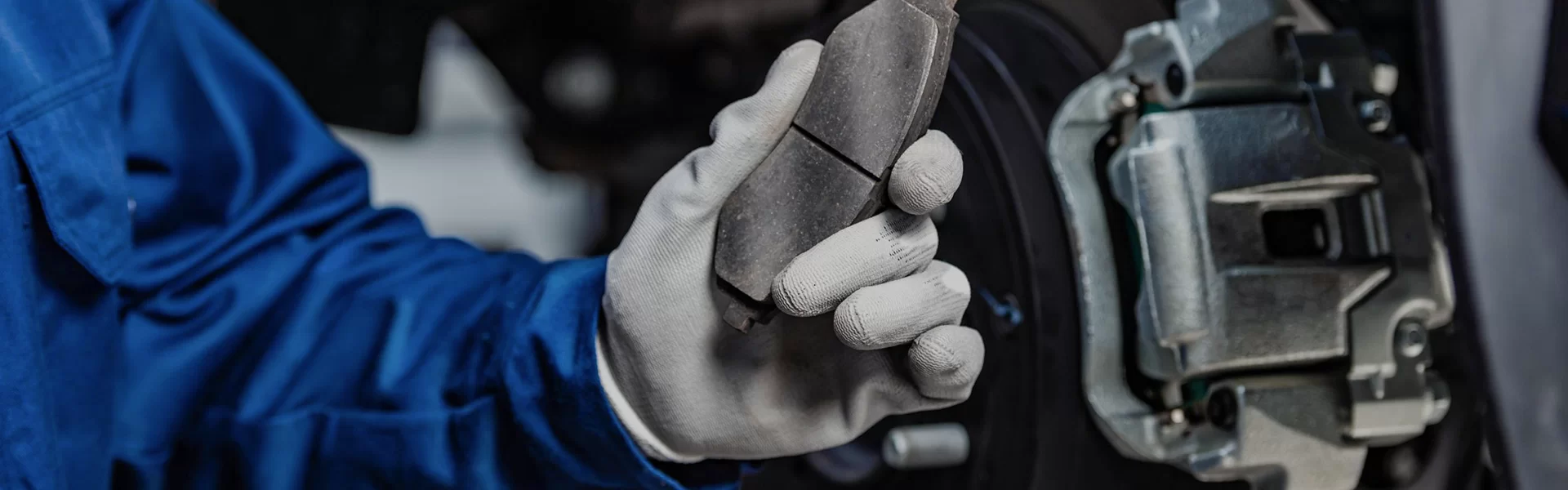
Brake shoes might sound like a small cog in a huge machine, but honestly, they’re pretty vital. Especially when we talk about high performance brake shoes, it’s not just about stopping power — it’s about safety, efficiency, and reliability on a scale that affects millions worldwide. Whether it’s the trucking industry hauling goods across continents or emergency vehicles needing that extra bite on the brakes, understanding these components can make all the difference.
Globally, road safety and transportation efficiency remain massive issues. According to the World Health Organization, over 1.3 million people die annually from road crashes — many indirectly linked to brake failure or insufficient braking systems. So when industries adopt better brake components, the ripple effect touches lives, economies, even humanitarian efforts.
From sprawling urban centers to rugged rural routes, vehicles face diverse challenges that demand brake shoes built for more than just basic stopping. Data from the International Organization for Standardization (ISO) highlights that modern braking systems’ efficiency directly influences fuel consumption and emission levels. Lowering friction loss while maximizing durability creates greener, safer transportation.
But here’s the thing: not all brake shoes are created equal. Standard options often fall short in heavy-use or extreme conditions. The rise of commercial e-vehicles, longer freight hauls, and increased safety regulations have pushed manufacturers to rethink how brake shoes perform under stress. For industries aiming to meet global safety standards and environmental targets, high performance brake shoes offer an essential solution.
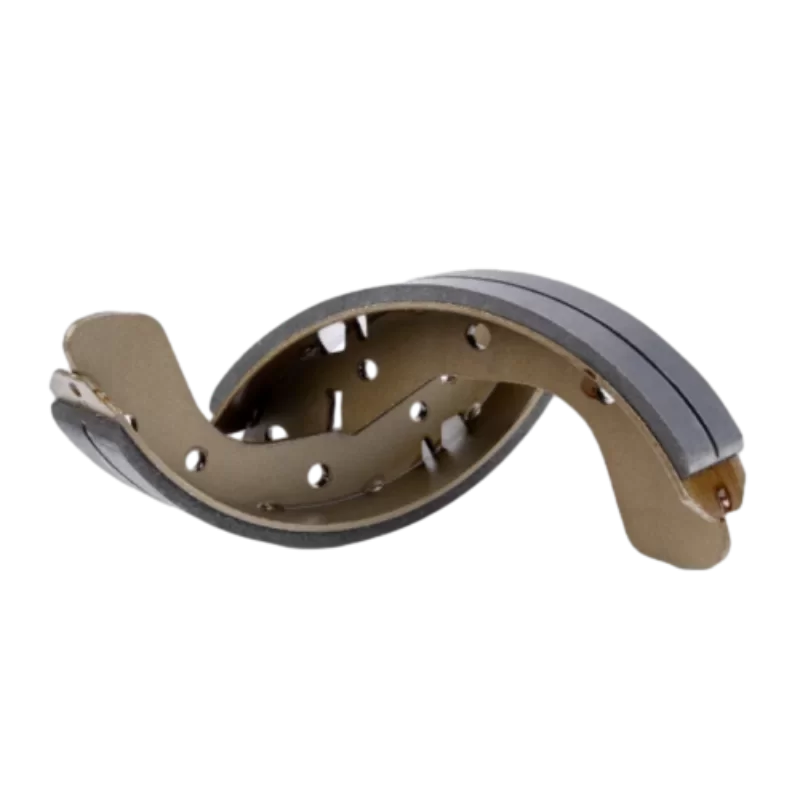
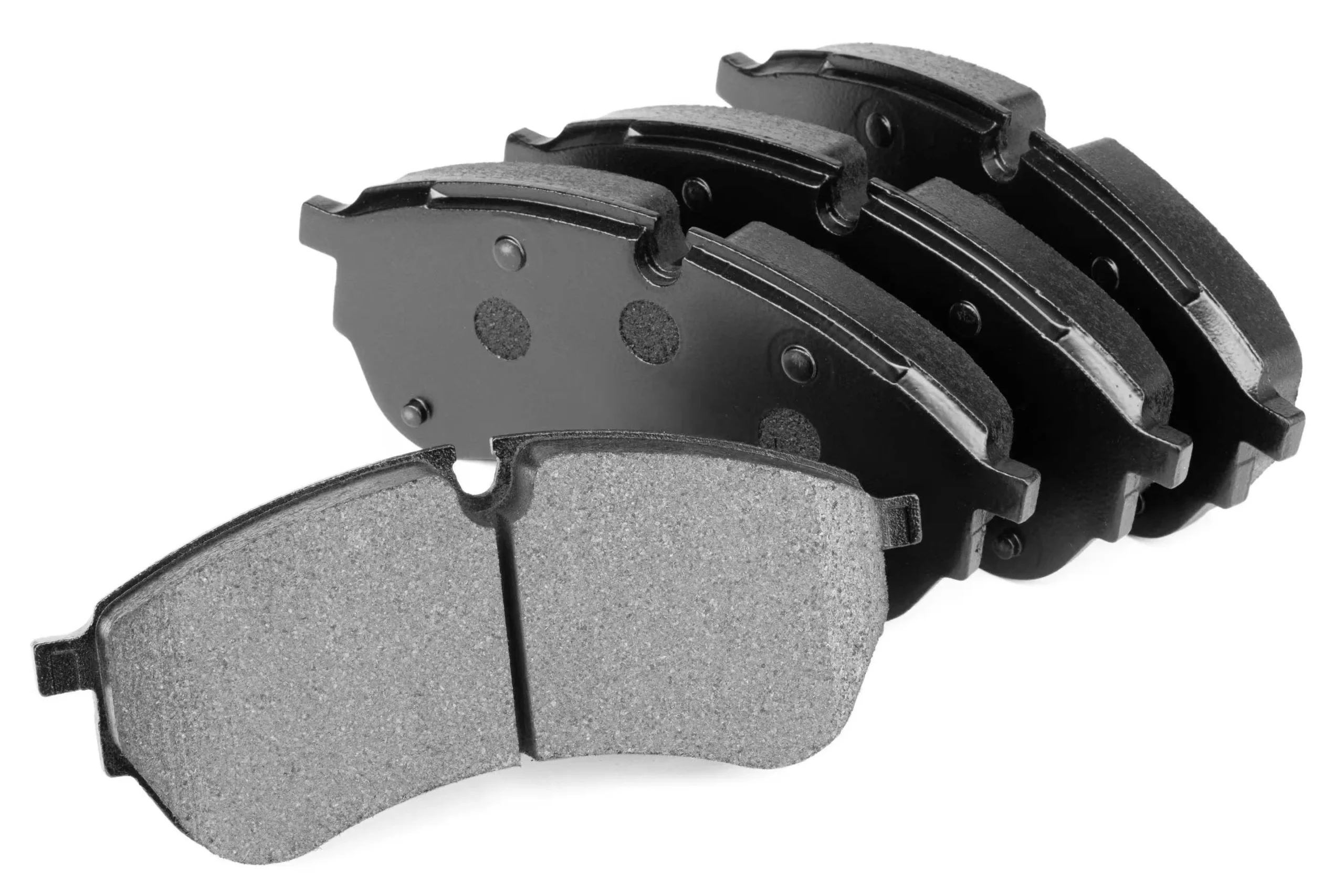
Simply put, brake shoes are curved components that press against brake drums to slow or stop vehicle wheels. When we say high performance brake shoes, we refer to those engineered with advanced friction materials and optimized designs that provide superior heat resistance, longevity, and stopping efficiency compared to regular brake shoes.
These are not just for racing cars or military vehicles. They’re increasingly vital in heavy-duty trucks, buses, industrial machinery, and even emergency transport. By improving braking reliability, they contribute to better operational uptime and enhanced safety for drivers and pedestrians alike.
Oddly enough, manufacturers sometimes test these products under accelerative stress conditions akin to space shuttle re-entries—just kidding, but it’s as rigorous as those simulations get in automotive testing labs.
Industries spanning continents benefit from these shoes’ reliability. For example:
In real terms, organizations delivering aid fast can’t afford brake failures—that’s trust and dignity on the line. For commercial fleets, better brakes mean fewer breakdowns and less downtime.
High performance brake shoes are quietly underpinning safety and efficiency in global transportation — from city buses to emergency responders. Their usage isn’t niche anymore; it’s essential.
| Specification | Standard Brake Shoe | High Performance Brake Shoe |
|---|---|---|
| Material Composition | Organic/Asbestos-based (legacy) | Semi-metallic composite with ceramic fibers |
| Coefficient of Friction | 0.25–0.30 | 0.35–0.45 (consistent over time) |
| Operating Temp. Range | Up to 350°C | Up to 500°C without fade |
| Lifespan (km) | ~40,000 km | ~70,000 km under similar conditions |
| Noise Emission | Moderate | Low noise due to optimized materials |
| Vendor | Material Innovation | Product Range | Global Reach | Customer Support |
|---|---|---|---|---|
| KyBrake Systems | Ceramic-steel hybrid blends | Heavy-duty trucks, buses, industrial vehicles | North America, Europe, Asia-Pacific | 24/7 technical support and training |
| BrakeTech Ltd. | Organic composites with noise dampeners | Passenger vehicles, light commercial | Europe, South America | Standard business hours support |
| AdvanceStop Corp. | Advanced carbon-ceramic tech | Racing, high-speed passenger | Global, niche markets | Premium concierge-type service |
When you switch to high performance brake shoes, it’s not just a technical upgrade — it’s a trust thing. Fleet owners see fewer brake-related delays, engineers appreciate materials that hold up to heat and wear, and drivers gain confidence that their vehicle will respond when it matters the most.
On a bigger scale, these brake shoes help reduce environmental strain. Better efficiency means less worn parts, less waste, and lower fuel use thanks to optimized rolling resistance. Emotionally, it’s about peace of mind and safety — precious commodities for everyone on the road.
Looking ahead, the brake shoe industry is not sitting still. Research into greener, sustainable friction materials—think bio-based composites—is underway. Digital sensors embedded in braking components are beginning to allow predictive maintenance, alerting fleet operators before any failure occurs.
Also, as electrification picks up pace, especially in commercial vehicles, new braking demands are reshaping product design. Regenerative braking systems sometimes reduce wear but also introduce different stress profiles on brake shoes, necessitating continual innovation.
Of course, no solution is perfect. Common issues include high upfront costs and compatibility issues with certain vehicles. For smaller operators, the investment barrier can be a real hurdle. Plus, harsh environments like mining roads continue to push materials to their limits.
Experts suggest that modular designs and customized formulations can ease these pain points. So does government support for upgrading to safer, greener parts. Learning from end-user feedback and real-world testing also accelerates better product cycles.
At the end of the day, high performance brake shoes combine engineering finesse with real-world demands. They improve safety, cut costs, and support greener transport systems. If you’re managing vehicles—whether fleets, emergency services, or industrial machines—upgrading to high performance brake shoes is more than a good idea; it’s a necessary step forward.
If you’re curious about getting started or comparing options, don’t hesitate to check out trusted suppliers. Visit high performance brake shoes for detailed specs and expert advice.
It’s odd, isn’t it—how something as humble as a brake shoe can influence safety statistics, climate goals, and reputations worldwide? Yet the best technology often hides in plain sight, quietly saving lives and streamlining industries.
Here’s hoping the journey toward smarter, safer brakes keeps accelerating.