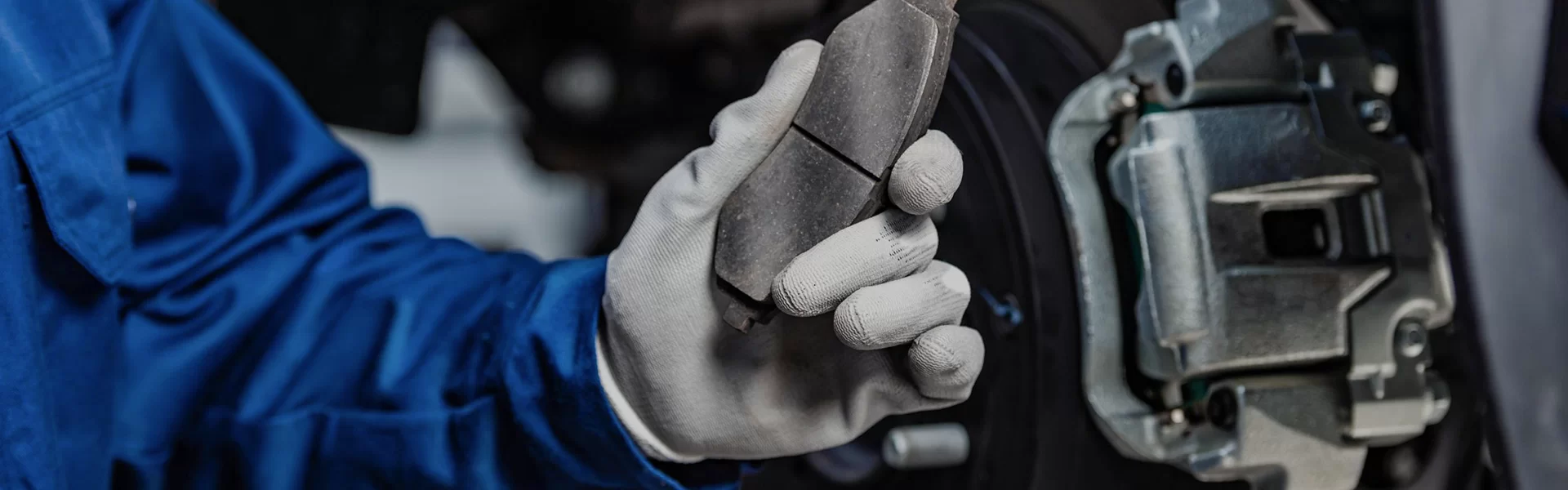
If you’re into classic cars, you know there’s nothing quite like the thrill of driving a vintage beauty. But, as much as these machines celebrate nostalgia and style, they need modern-day performance to keep us safe on the road. That’s where high performance brake shoes for classic cars come in — they marry traditional aesthetics with advanced braking technology. Globally, the classic car restoration market is booming, with millions of enthusiasts investing substantial sums to preserve automotive history. But safety standards, especially braking efficiency, can’t be compromised. Understanding how these brake shoes work, and why we need them, is key not just for hobbyists but for anyone who values durability, authenticity, and safety rolled into one.
Did you know that classic cars account for over 10 million vehicles worldwide, according to recent registrations tracked by the International Classic Vehicle Federation? These cherished rides often traverse streets meant for far newer vehicles equipped with advanced safety tech, causing quite a dilemma.
Standard brake shoes designed decades ago just don’t cut it anymore — they wear faster, respond less effectively, and can jeopardize road safety. Especially in dense urban or mountainous regions where precise braking is crucial, relying on outdated components is risky. This has led to a surge in demand for high performance brake shoes for classic cars that deliver optimal friction, heat dissipation, and longevity.
According to ISO safety standards, brake components must meet stringent performance tests — a challenge when combining modern materials with classic designs. The industry is evolving rapidly, trying to bridge heritage and innovation.
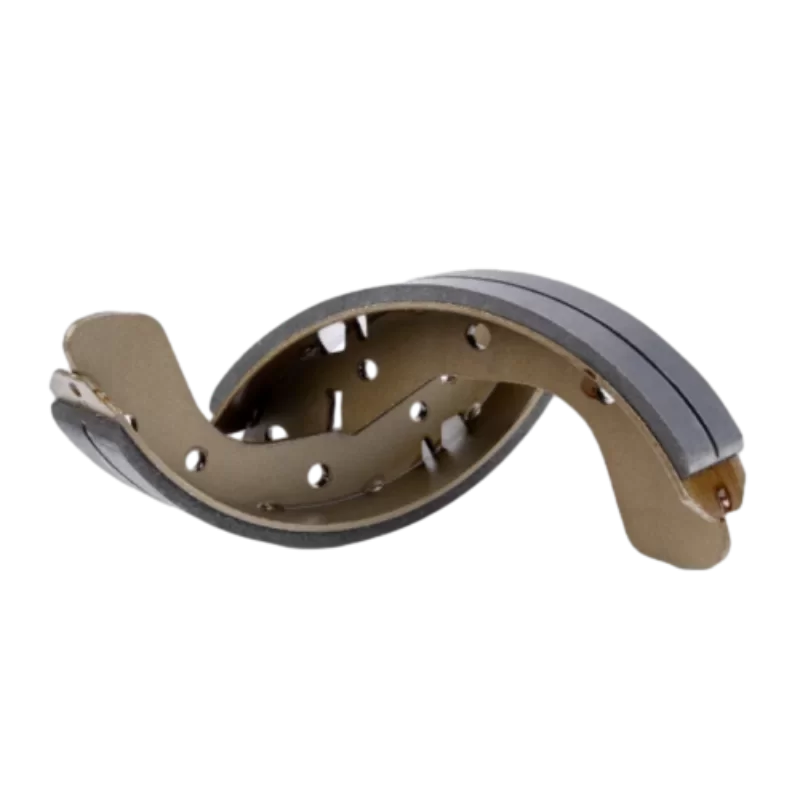
Put simply, brake shoes are curved pieces that press against a drum brake’s interior to slow or stop a vehicle. Classic cars mostly use drum brakes rather than discs — and while they’re charming and original, their braking can feel heavy or unresponsive by today’s standards.
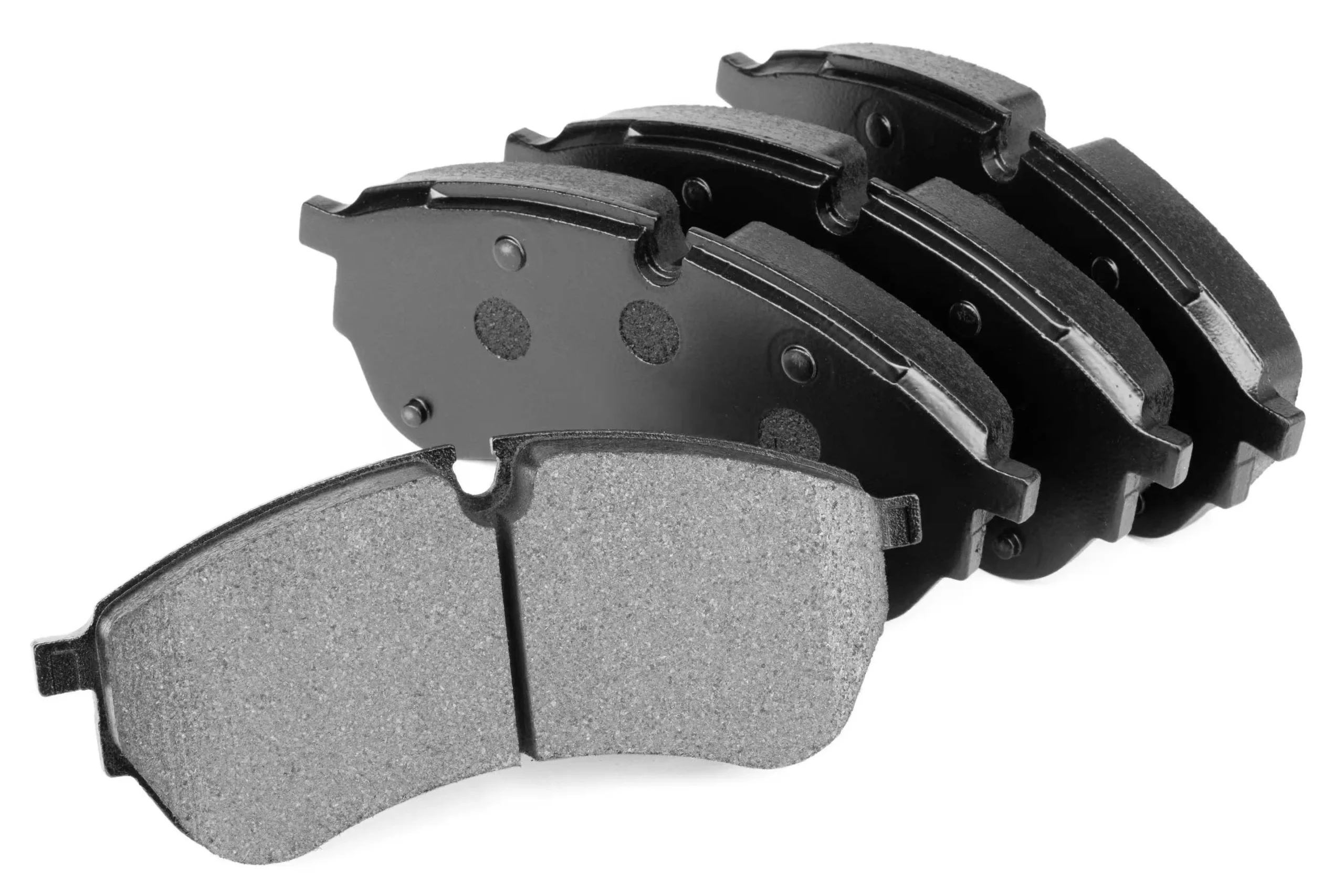
High performance brake shoes are specially engineered replacements that fit the classic car’s original drum brake setup but use advanced friction materials or designs to improve stopping power, reduce fade (braking decline from heat), and extend wear life. They respect the car’s vintage look while dramatically upgrading its safety credentials.
The need for such solutions isn’t just cosmetic or technical — it’s also tied to environmental concerns. Improved brake materials reduce dust emissions and often leverage sustainable production processes in compliance with modern regulations.
Classic cars aren’t weekend-only toys for many owners—they’re daily drivers. Traditional brake shoes tend to wear out quickly because of poor materials. Many engineers stress the importance of composite or semi-metallic formulations to withstand heat and abrasion.
Drum brakes generate a lot of heat. Without efficient heat dispersal, brake fade occurs, losing stopping power dangerously. Advanced brake shoes incorporate materials and designs optimized for thermal conductivity.
One major challenge with aftermarket brake shoes is ensuring they perfectly fit the drum’s shape and size. High performance shoes offer precision-engineered dimensions, often tailored to popular makes and models within the classic car community.
Nobody enjoys the squealing noises or the fine brake dust that coats everything — not to mention the environmental concerns of brake particulates. Modern formulations focus on minimizing this while maintaining friction levels.
Let’s be honest: restoring classics isn’t cheap. High performance brake shoes might cost more upfront, but their longer life span and improved safety reduce expenses and headaches in the long run.
Regions with rich classic car cultures — like the US, UK, Germany, and Japan — are at the forefront. In fact, historic racing circuits and vintage car rallies increasingly demand safety upgrades that don’t alter the car’s original character.
In urban environments, especially European cities with strict emissions and safety standards, classic cars fitted with high performance brake shoes comply better with local laws.
Organizations like heritage car clubs actively promote upgrading to quality brake shoes to reduce incidents and sustain enthusiasm for classic vehicles’ usability on modern roads.
For example, a UK club recently reported that switching its fleet to high performance brake shoes resulted in fewer brake related failures at events and a noted increase in driver confidence during tight cornering.
When you swap generic brake shoes for high performance alternatives, you’re investing in reliability and peace of mind. Consider:
Current research focuses on integrating carbon-ceramic composites and nano-engineered materials for ultimate heat management and weight reduction. We’re even seeing early-stage digital monitoring embedded in brake assemblies, offering real-time wear alerts.
Environmental regulations push manufacturers toward low-copper, eco-friendly formulations, a big leap for drum brake shoes traditionally laden with metals harmful to waterways.
Automation in manufacturing also means tighter tolerances and customization options — some vendors now offer model-specific solutions crowd-sourced from driver feedback.
One sticking point is raw material sourcing — some advanced compounds cost more or have supply chain delays. Still, collaboration between suppliers and car clubs has improved this.
Another issue is fitting: aftermarket shoes sometimes tilt the vehicle’s brake balance if not perfectly matched. The solution lies in thorough testing and certification, which newer vendors emphasize.
| Specification | Details |
|---|---|
| Material | Semi-metallic composite with low copper content |
| Fitment | Fits 1950-1970 Chevrolet & Ford drum brakes |
| Coefficient of Friction (Dry) | 0.45 ± 0.05 |
| Operating Temperature | Up to 400ºC |
| Average Service Life | Up to 50,000 miles |
| Noise Level | Below 65 dB at 50 mph |
| Vendor | Material Tech | Vehicle Focus | Price Range (USD) | Warranty |
|---|---|---|---|---|
| RetroBrake Co. | Organic blend composite | American Classics (50s-70s) | $75 - $110 | 2 years |
| Heritage Stop | Low-copper semi-metallic | European Classics | $90 - $130 | 3 years |
| ClassicGrip | Ceramic-infused | Global (Multiple Makes) | $100 - $140 | 1 year |
At the crossroads of heritage and modern engineering, high performance brake shoes for classic cars provide an elegant solution to an old problem. They don’t just extend your brake system’s life; they improve every drive with enhanced safety and reliability while keeping that vintage charm alive. Frankly, it feels like giving your classic ride a new heartbeat without changing its soul.
To dive deeper and shop the best options, check out trusted suppliers like high performance brake shoes for classic cars. Your vintage car deserves top-tier stopping power — and so do you.