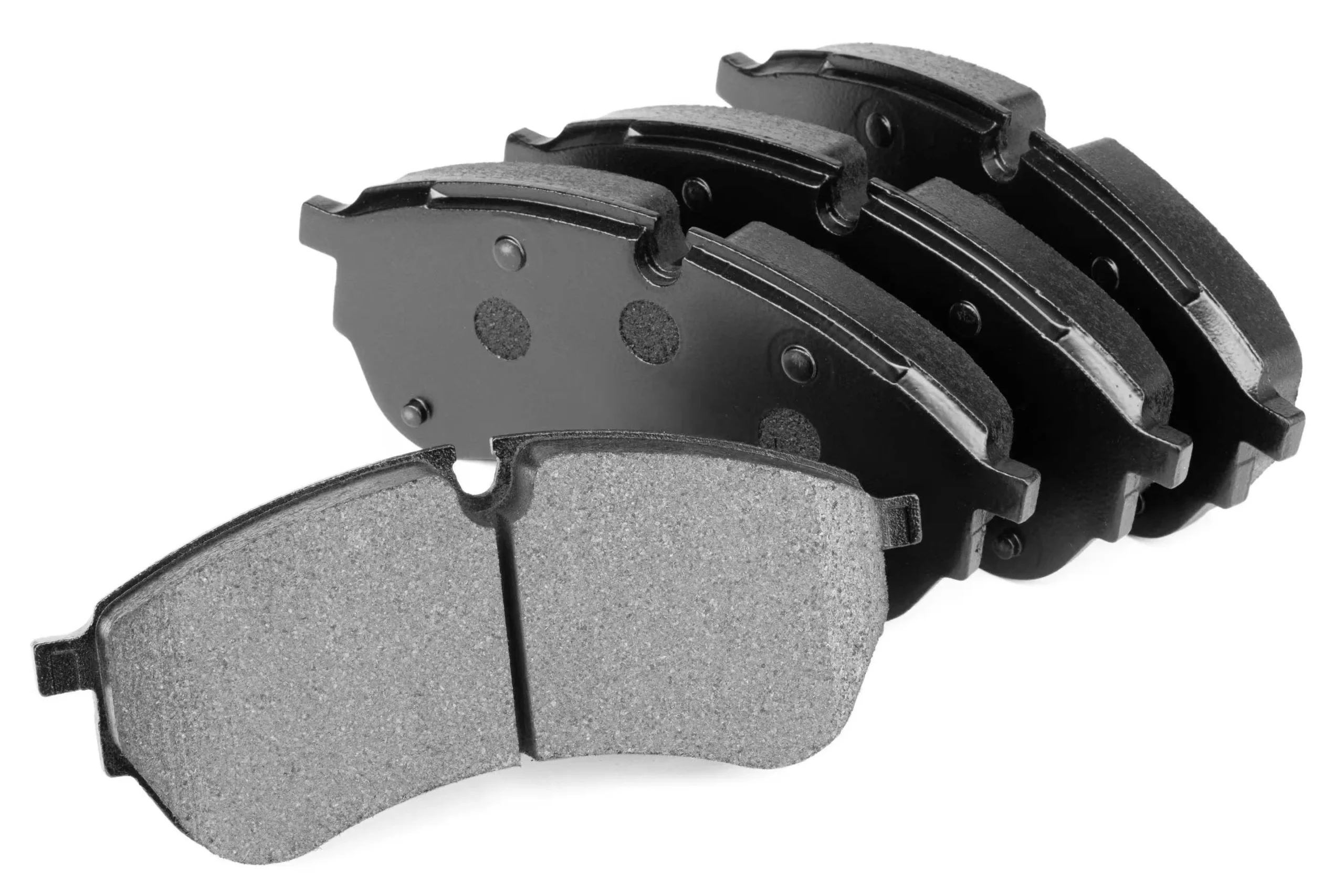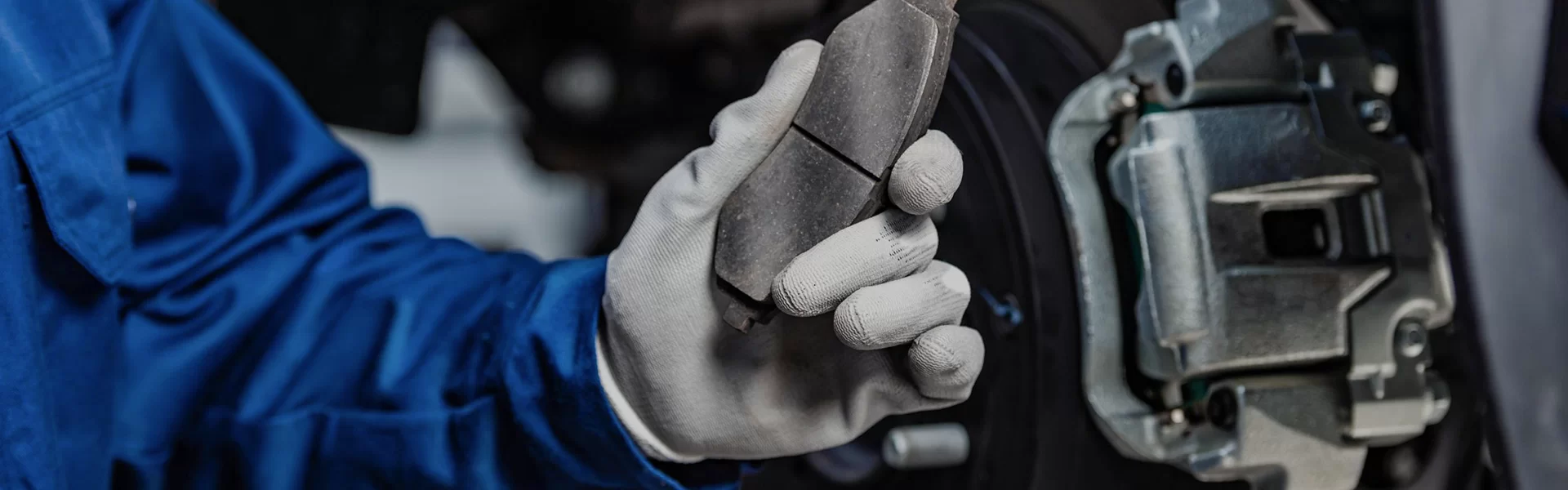
When we talk about braking systems that have stood the test of time, the horse shoe brake often floats to the top—with its surprisingly simple design still relevant in various mechanical and industrial applications today. But why does it matter globally? Well, the horse shoe brake plays a surprisingly pivotal role in enhancing safety and efficiency across many industries, from traditional railways and manufacturing lines to newer humanitarian logistics setups. Understanding this straightforward yet effective mechanism can improve maintenance strategies, promote sustainable design, and even inspire innovations in braking technology.
Globally, transportation and machinery safety remain critical due to increasing industrialization. With over industrial accidents causing roughly 2.3 million deaths annually, reliable braking solutions are paramount. The horse shoe brake contributes by providing a mechanically reliable, easy-to-maintain option, often favored in developing regions and traditional installations where high-tech alternatives are neither affordable nor practical. According to ISO safety standards, brakes like this help meet critical compliance requirements (ISO 9001, ISO 14121).
However, challenges like wear from heavy use and inconsistent maintenance persist. Knowing how the horse shoe brake functions—and its pros and cons—can empower engineers and operators to optimize performance globally.
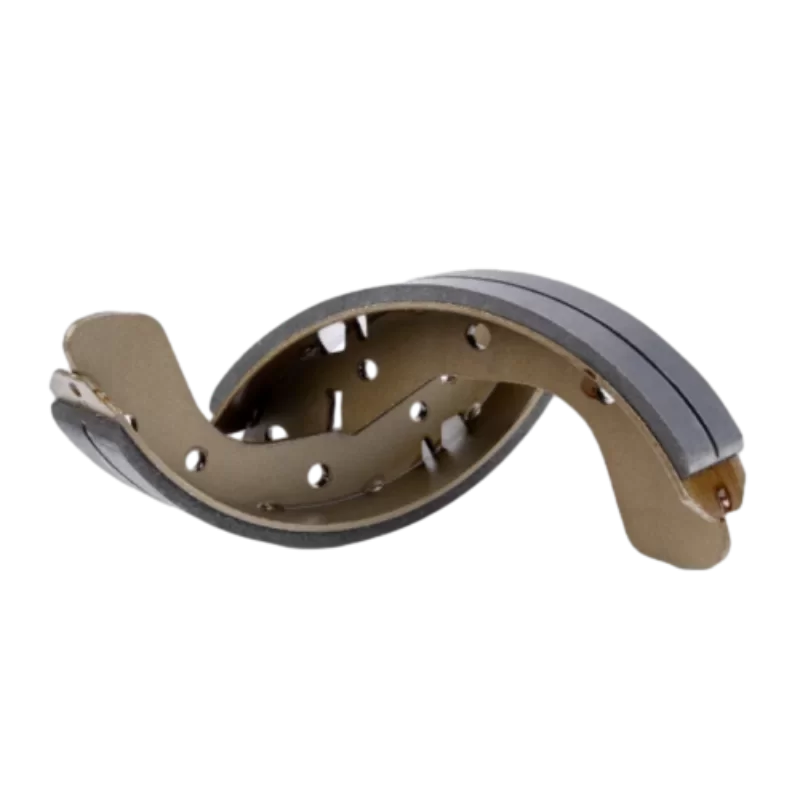
Simply put, a horse shoe brake is a mechanical brake shaped like a horseshoe that clamps onto a drum or wheel to slow down or stop its rotation. It’s an ancient design, evolving from early horse-drawn carriage technologies, yet still widely used. The characteristic curved shoe grips around a wheel or drum, applying friction to reduce speed.
This mechanism connects old-world ingenuity with today’s needs. Whether in rail carriages, industrial conveyor belts, or even humanitarian logistics vehicles in remote areas, the horse shoe brake combines durability with simplicity, making it a stalwart in situations where repair facilities are limited.
The brake shoes are typically made from hardened cast iron or composite friction materials designed to withstand heat and wear. This durability is crucial—especially in dusty, high-load environments like mining or agriculture. Oddly enough, many engineers still swear by cast iron shoes for their predictable wear patterns, despite the rise of modern composites.
One big selling point: maintenance is fairly straightforward. The brake shoes and backing plates can be replaced without complex tools, reducing downtime. Cost efficiency here is a big deal, particularly for small operators who can't afford frequent tech upgrades. Recalibrating the tension mechanism occasionally keeps the system responsive.
Horse shoe brakes come in varied sizes, making them scalable from small machinery to industrial rail trucks. Their design allows easy customization to different load requirements and wheel sizes. That kind of adaptability is invaluable, especially in mixed-fleet fleets or across aging infrastructure.
The open design of the shoe facilitates airflow around the drum or wheel, helping to disperse heat quickly. This reduces failure caused by overheating during repeated braking cycles—something that more enclosed brakes might struggle with.
The simplicity of mechanical leverage in horse shoe brakes means fewer points of failure, which adds to reliability. Plus, since it uses friction directly on the wheel or drum, the response tends to feel intuitive to operators—a kind of “brake you can trust” feeling.
The horse shoe brake’s elegance lies in its balance between rugged durability and operational simplicity — factors that translate into longevity and cost savings, no matter where it’s installed.
It’s not just a relic locked in dusty museums. The horse shoe brake finds real, daily use worldwide:
Regions such as Southeast Asia, parts of Africa, and Eastern Europe still benefit immensely from the affordability and familiarity of the horse shoe brake.
| Model | Max Load Capacity | Brake Shoe Material | Weight (kg) | Application |
|---|---|---|---|---|
| HSB-150 | 1,500 kg | Cast Iron | 10 | Small machinery |
| HSB-500 | 5,000 kg | Composite | 25 | Medium industrial use |
| HSB-1200 | 12,000 kg | Composite | 48 | Heavy transport |
| Vendor | Product Range | Material Options | Global Shipping | Price Range |
|---|---|---|---|---|
| BrakesCo | Light to heavy | Cast iron, composite | Yes | $150 - $1200 |
| SafeStop Ltd. | Industrial only | Composite only | No | $350 - $900 |
| GlobalB4K Brakes | Full range + custom | Cast iron, composite, ceramic | Yes | $200 - $2000 |
While the horse shoe brake might sound old-school, innovators are blending tradition with tech. For instance, new friction materials that reduce wear and increase heat resistance are extending lifespan. Some companies are integrating sensors for digital monitoring to predict maintenance — a tiny nod to Industry 4.0 in otherwise mechanical systems. Green energy and sustainability goals push producers toward recyclable materials and lower emissions during manufacturing.
Moreover, automation in deployment reduces human error during adjustment, while improved modeling helps optimize shoe shape for various applications. So yes, the horse shoe brake rides quietly into a future that respects its past yet embraces modern magic.
Like anything mechanical, the horse shoe brake isn’t without issues:
Experts recommend training for maintenance crews and sourcing parts from reputable vendors to slash downtime and improve reliability.
Over decades, the horse shoe brake has shown it can balance simplicity, reliability, and cost-effectiveness in mechanical braking. Whether in industrial plants, railroads, or field operations, its enduring utility keeps it relevant — a bit of old genius powering modern challenges. If you’re looking for dependable braking solutions that won’t break the bank or your maintenance team's spirit, revisiting this classic might be just what you need.
For more insights and quality products, visit our website: https://www.kybrakepad.com
The horse shoe brake reminds us that innovation isn’t always about reinventing the wheel but sometimes about refining what has already proven itself over centuries. As industries grow ever more complex, reliable fundamentals like these remain a stable hand amid technological storms.