Industrial Brake Shoes: Essential Safety and Efficiency in Modern Industry

Industrial Brake Shoes: Essential Safety and Efficiency in Modern Industry

A Quick Dive into Industrial Brake Shoes: Why They Matter More Than You Think

If you’ve ever paused to notice the beeps and whistles in a factory, or the smooth halt of a giant crane, you might just have witnessed the magic of industrial brake shoes at work. These components, often overlooked, play a crucial role in ensuring machines stop safely, steadily, and reliably — everywhere from sprawling manufacturing plants to massive shipping ports. Understanding how industrial brake shoes function, their benefits, and the innovations surrounding them is more than just an engineer’s hobby; it’s a nod to safer workplaces, improved productivity, and better environmental outcomes worldwide.

The Global Importance of Industrial Brake Shoes

Industrial brake shoes might sound technical, maybe even niche, but they’re part of an enormous global framework that keeps industries moving— and stopping — safely. According to data from the International Organization for Standardization (ISO), machinery safety standards heavily rely on components like brake shoes to prevent accidents and downtime. In 2022 alone, the industrial manufacturing sector contributed roughly 17% to the world’s GDP, a number that wouldn’t be possible without reliable braking systems. Yet, many facilities still grapple with frequent brake wear, alarming maintenance costs, and safety risks linked to poorly designed or outdated brake shoe technology.

This challenge isn’t restricted to developed countries. In rapidly industrializing regions of Asia and Africa, the demand for robust industrial brake shoes is growing rapidly, driven by expansions in manufacturing and logistics. As factories get bigger and more automated, the right braking solutions matter more, not less.

Mini takeaway: Industrial brake shoes touch every corner of the global economy, from advanced factories to developing industrial hubs, making their reliability critical for safety and efficiency worldwide.

What Exactly Are Industrial Brake Shoes?

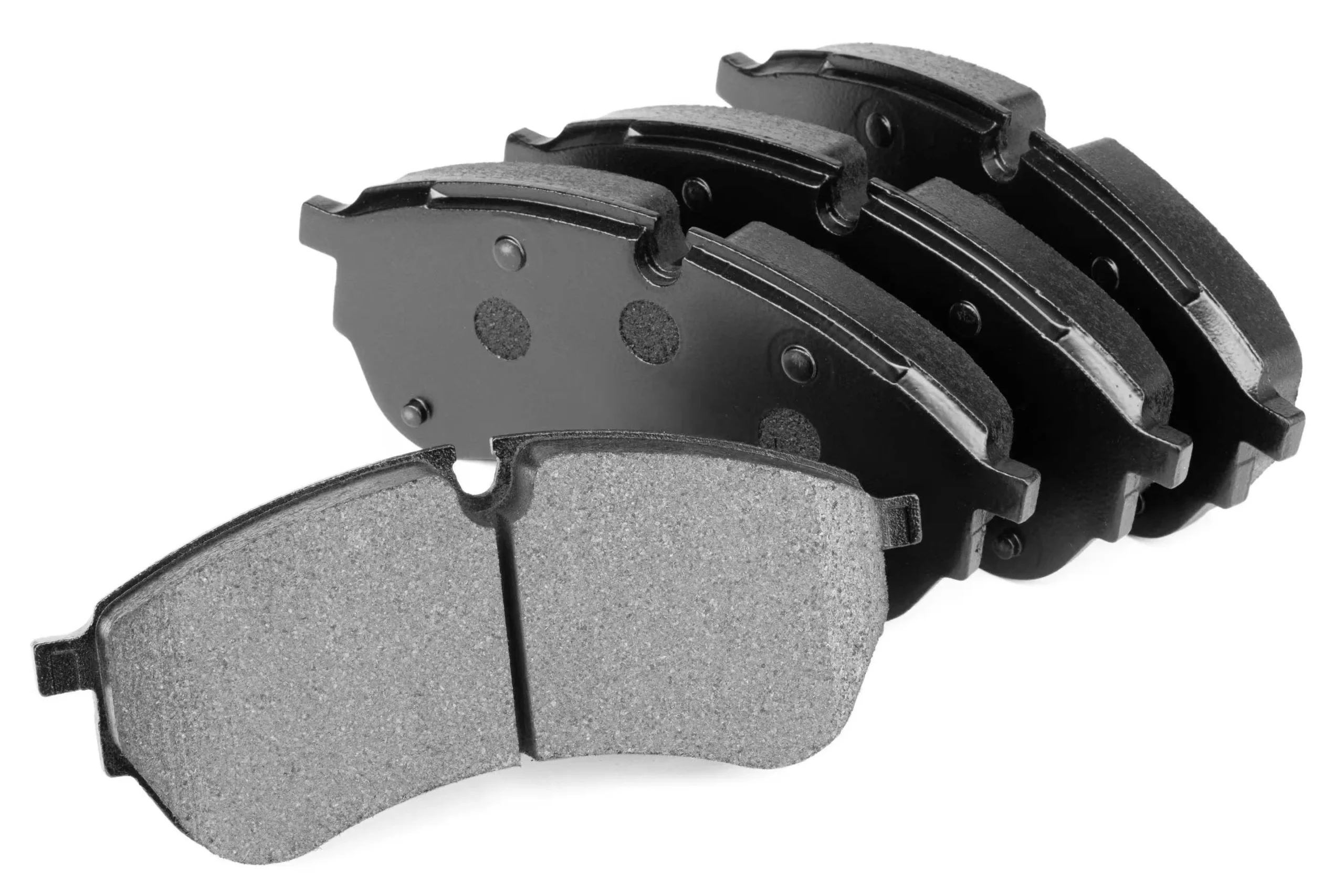
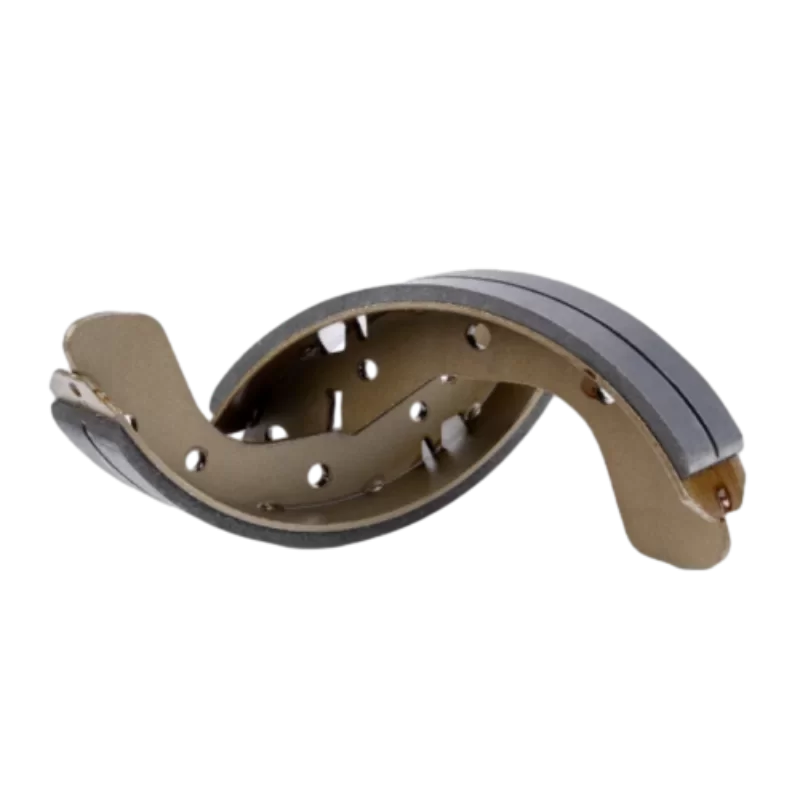
Put simply, industrial brake shoes are the curved components inside a braking system that press against a rotating drum, slowing or stopping it through friction. Think of them as the tough “feet” that grip a giant spinning wheel, like the brakes on your bicycle, but engineered to handle much heavier and faster machines. They’re typically made of composite materials designed to resist heat and wear, which is crucial given the intense friction forces at play.

These brake shoes find their niche in industries such as mining, steel production, railways, and even heavy-duty elevators. Without them, the chaos of uncontrolled machine movement would happen — and frankly, the dangers that come with it. Beyond just ‘stopping things,’ industrial brake shoes are linked to humanitarian needs too: ensuring humanitarian relief equipment and construction machines operate safely during post-disaster recovery, for instance.

Mini takeaway: Industrial brake shoes are the friction heroes inside machines, translating pressure into controlled stops that save lives and keep operations smooth.

Key Features That Make Industrial Brake Shoes Work

Durability and Heat Resistance

Endless friction means intense heat. Most industrial brake shoes feature advanced materials able to withstand temperatures soaring as high as 500°C without degrading quickly. This durability directly impacts lifespan and performance.

Customizable Shape and Size

No two machines are exactly alike, so brake shoes come in various sizes and curvatures to perfectly match specific drum designs. This tailored fit isn’t just about precision — it reduces wear and tear on both the shoe and its mating surfaces.

Cost Efficiency Over Time

Quality industrial brake shoes might cost more upfront, but their longer service life and reduced maintenance demands often save money over a machine’s lifecycle. Plus, less downtime means more productivity.

Environmental Considerations

With growing environmental regulations, manufacturers are increasingly developing brake shoes with less toxic materials and lower dust emissions during wear processes. This trend aligns with global sustainability efforts.

Compatibility with Automation

Modern brake systems increasingly rely on sensors and automated controls. Industrial brake shoes that perform predictably under these conditions are in high demand, pairing mechanical wear with smart diagnostics.

Mini takeaway: The best industrial brake shoes balance durability, precision fit, cost efficiency, eco-friendliness, and tech compatibility — a tall order, but the benchmark for quality.

Where Are Industrial Brake Shoes Used Around the World?

  • Manufacturing hubs in Europe & North America: Large factories in Germany and the U.S. rely on industrial brake shoes to control assembly line machinery and robotic arms.
  • Mining and heavy industry in Australia and South Africa: Massive drills and conveyors use brake shoes to ensure smooth, safe pauses during operations.
  • Ports and shipping yards worldwide: Cranes and container handlers use robust brake shoes to handle frequent stopping and holding loads.
  • Post-disaster relief sites: Heavy equipment like cranes and cement mixers, critical in rebuilding efforts in earthquake- or flood-affected regions, rely on dependable brake shoes to protect workers.

These examples only scratch the surface. Anywhere heavy machinery moves — and stops — you’ll probably find industrial brake shoes playing their quiet but vital role.

Mini takeaway: Industrial brake shoes aren’t just components; they’re critical safety and efficiency enablers across continents and industries.

Advantages and Long-Term Value You Can Count On

Why fuss over industrial brake shoes? Beyond the obvious — safety — there are tangible benefits:

  • Cost savings: Longer-lasting brake shoes cut maintenance frequency.
  • Operational reliability: Predictable stops reduce accidents.
  • Environmental impact: Lower particulate emissions and recyclable materials.
  • Social value: Safer workplaces mean enhanced trust and dignity for workers worldwide.

In real terms, investing in better industrial brake shoes is about more than numbers — it’s about building trust in the machines and processes that power modern life.

Industrial Brake Shoes: Quick Product Specification Overview

Specification Typical Range
Material Composite, semi-metallic, ceramic
Operating Temperature Up to 500°C (932°F)
Friction Coefficient 0.25 - 0.45 (varies by load)
Lifespan 6 months – 2 years (depending on usage)
Environmental Compliance RoHS, REACH

Comparing Top Industrial Brake Shoe Vendors

Vendor Material Options Average Lifespan Price Range Key Industries
BrakeTech International Semi-metallic, Ceramic 12–18 months $$ Manufacturing, Mining
Global Brake Solutions Composite, Eco-friendly 8–14 months $ – $$ Ports, Logistics
EcoStop Components Organic, Low-Dust Materials 10–16 months $$$ Green Energy, Automation

Future Trends in Industrial Brake Shoe Technology

Looking ahead, several exciting trends are reshaping how industrial brake shoes are designed and used:

  • Green Materials: More manufacturers are replacing asbestos and heavy metals with eco-friendly composites, reducing environmental impact.
  • Smart Braking Systems: Integrating sensors that monitor wear and temperature in real time to preempt failures before they happen.
  • 3D Printing: Experimentation with additive manufacturing to customize shapes faster and reduce waste.
  • High-Performance Polymers: Development of new polymers that offer greater heat resistance and durability without added weight.
Mini takeaway: The future of industrial brake shoes is smart, sustainable, and tailored — a mix that feels right for a fast-changing world.

Challenges and Solutions

Of course, no product is without its bumps on the road:

  • Wear and Tear: Even the best brake shoes wear out, especially under heavy loads and harsh environments.
  • Cost Barriers: Advanced materials can price smaller businesses out of the market.
  • Environmental Impact: Historically, brake shoe dust posed health risks; this is improving but still a concern.

Innovations like wear sensors, modular designs for easy replacement, and green material certifications help tackle these issues. Increasingly, suppliers offer maintenance training and lifecycle management support to optimize outcomes for clients.

FAQs About Industrial Brake Shoes

What materials are best for durable industrial brake shoes?
Composite and ceramic materials are preferred for durability and heat resistance. Semi-metallic composites balance performance with cost effectively for many industrial uses.
How often should industrial brake shoes be inspected or replaced?
Inspection frequency varies by usage but generally ranges from monthly in high-use machines to quarterly in lighter settings. Replacement typically occurs every 6 to 24 months depending on wear levels.
Can industrial brake shoes be customized?
Yes. Most manufacturers offer custom shapes and material blends to match specific machinery, improving fit and longevity.
Are there eco-friendly options for brake shoes?
Absolutely. Many vendors now produce low-dust, asbestos-free brake shoes using organic or synthetic materials complying with environmental standards like RoHS and REACH.
How do I choose the right vendor for industrial brake shoes?
Consider material options, cost, lifespan, and industry experience. Also, technical support and certification compliance can be deciding factors.

Wrapping Up: Why Industrial Brake Shoes Are a Worthy Investment

Looking back, it’s clear that industrial brake shoes are quietly essential. They protect people, machines, and profits by delivering reliable, safe stopping power. As industries evolve, so do these tiny but mighty components — becoming smarter, greener, and more tailored to fit the complex world of modern manufacturing and logistics.

For anyone managing heavy machinery operations, it’s worth digging deeper and investing wisely. After all, a great brake shoe is sort of like a trusted friend — always there when you need it most.

Want to explore more about industrial brake shoes? Visit our website at industrial brake shoes and discover how you can upgrade your brake systems today.

References

  1. Wikipedia: Brake
  2. International Organization for Standardization (ISO)
  3. World Bank Data
Recommended product
RECOMMENDED NEWS
Technical Guide for the 3222 a 2003 brake shoe and Performance

The automotive braking system is the most critical safety feature of any vehicle, and the 3222 a 2003 brake shoe stands as a cornerstone for maintaining reliable stopping power in specific drum brake configurations. Understanding the technical nuances of this component is essential for fleet managers, automotive engineers, and maintenance professionals who prioritize vehicle longevity and passenger safety. Globally, the demand for high-precision braking components has surged as logistics and transport sectors expand, placing immense pressure on wear-and-tear parts. The 3222 a 2003 brake shoe addresses these needs by balancing friction efficiency with thermal stability, ensuring that vehicles can decelerate predictably under various load conditions.

Understanding the Average Price to Replace Front Brakes Guide

Maintaining your vehicle’s stopping power is not just about convenience; it is a critical safety requirement. When you start hearing squealing sounds or feel a vibration in the pedal, it is time to investigate the price to replace front brakes. Depending on whether you need a simple pad swap or a full rotor replacement, the costs can vary significantly. In this guide, we will break down the financial aspects of brake maintenance, helping you budget effectively while ensuring your car remains safe on the road. Understanding these costs prevents surprises at the mechanic and allows you to choose the best materials for your driving style.

RECOMMENDED NEWS
RECOMMENDED NEWS
CONTACT US
Looking For Reliable And Durable Brake Pads For Your Vehicles? Our High-Quality Brake Pads Ensure Safe, Quiet, And Long-Lasting Performance. Wide Models Available, Oem/Odm Supported. Contact Us Today For A Quote And Boost Your Business With Trusted Brake Solutions!

If you are interested in our products, you can choose to leave your information here, and we will be in touch with you shortly.