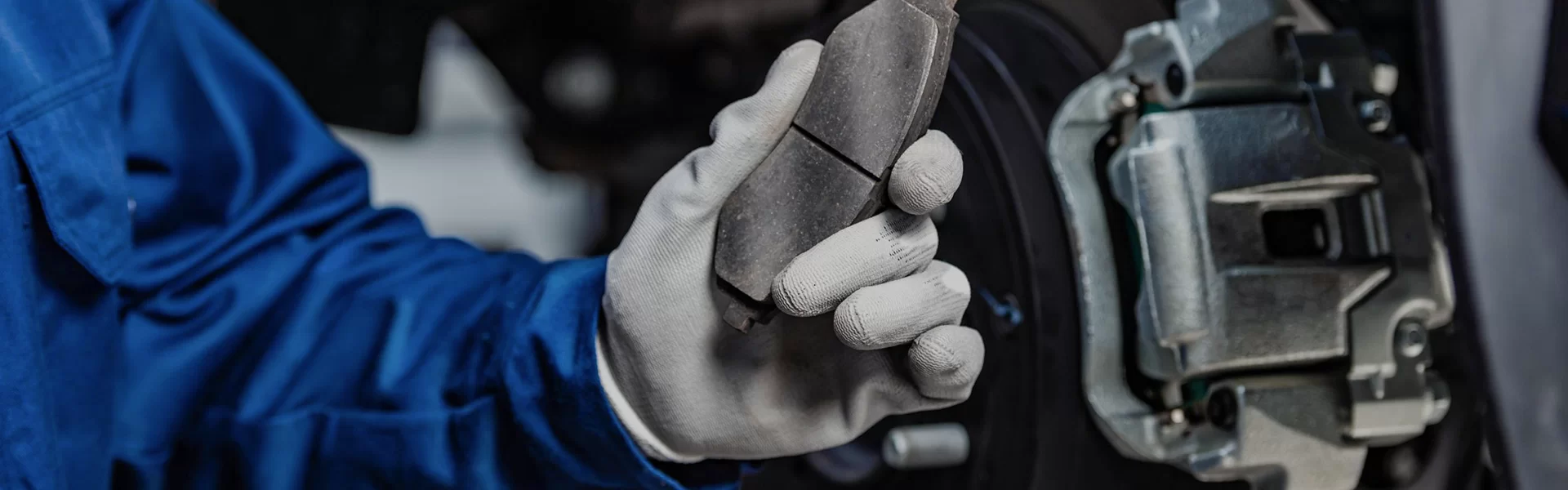
On the surface, the internal expanding shoe brake might seem like just another mechanical part tucked away inside machinery. But, frankly, it plays a surprisingly pivotal role globally in sectors ranging from heavy industry to public transportation safety. Knowing how these brakes function and why they matter can illuminate a lot about machine reliability, safety protocols, and even economic efficiency worldwide.
The global importance of reliable braking systems cannot be overstated. According to the International Organization for Standardization (ISO), the proper functioning of braking mechanisms affects the safety outcomes of billions of industrial operations every year. An internal expanding shoe brake, a specific type of drum brake, is designed to provide powerful stopping force within a compact space, which is crucial for everything from elevators to maritime engines. Oddly enough, many accidents and costly downtimes trace back to brake malfunctions, hence understanding and applying this technology properly is a shared priority worldwide.
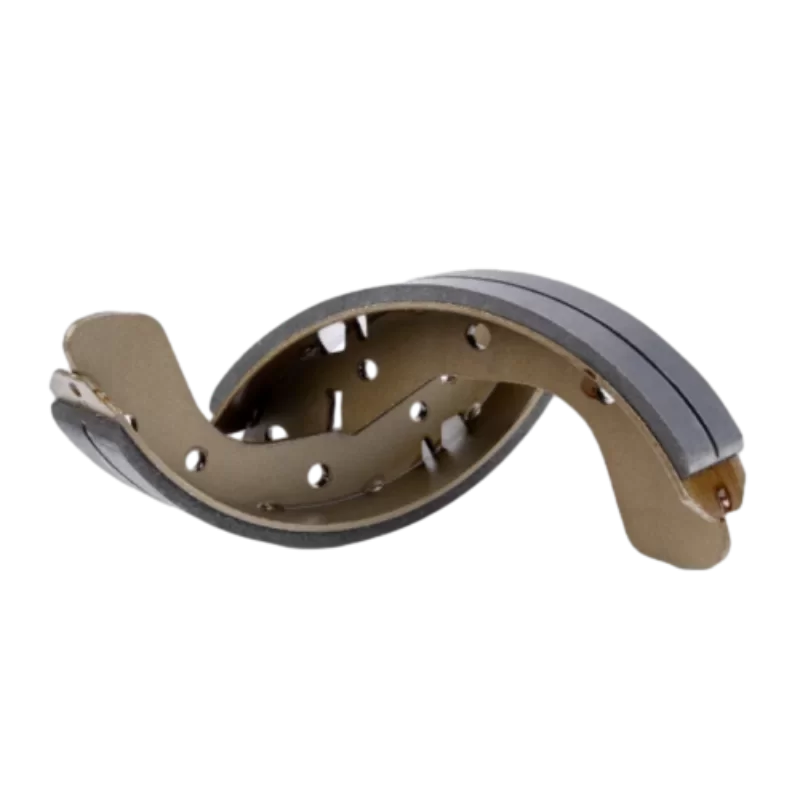
In simple terms, an internal expanding shoe brake is a braking system where shoe-like pads expand outward against the inside of a rotating drum to create friction and slow or stop movement. Unlike conventional external brakes that clamp from outside, these brakes work internally, allowing for a tighter, enclosed design that protects components from dust, moisture, and other environmental challenges.
This technology connects directly to modern industrial automation, heavy machinery, and even humanitarian efforts by ensuring safety and control in demanding environments. For instance, in disaster relief, where quick, reliable deployment of equipment is essential, internal expanding shoe brakes offer durability and dependable stopping power.
The brake shoes and drum materials are often made from cast iron or composite alloys, designed to endure high friction and heat over long periods. Plus, because these brakes operate within a sealed environment, their components face less wear from external contamination.
Compared to other braking systems, internal expanding shoe brakes generally have lower maintenance costs due to their design. The wear on brake shoes is easy to monitor and replace, which contributes to predictable upkeep expenses.
The enclosed brake mechanism allows for installation in tight spaces — a crucial factor for elevators, cranes, or industrial equipment where every centimeter counts.
Many systems come with self-adjusting mechanisms that keep the brake shoes properly aligned to the drum, ensuring consistent brake performance without frequent manual intervention.
With fewer exposed components, these brakes are less prone to failure due to environmental factors, which significantly enhances operational safety.
| Specification | Typical Value | Unit |
|---|---|---|
| Brake Shoe Diameter | 150–400 | mm |
| Maximum Torque Capacity | 3000 | Nm |
| Response Time | 0.2–0.5 | seconds |
| Operating Temperature Range | -30 to +150 | °C |
| Brake Shoe Material | Composite / Cast Iron | - |
Internal expanding shoe brakes find their way into diverse contexts worldwide. For example, in the high-rise elevator systems of Asia and Europe, they provide critical fail-safes. In mining operations across South America, their rugged design endures harsh dirt and moisture. Oddly enough, even public transit vehicles employ them, due to their precise and consistent braking power.
In humanitarian settings, these brakes support equipment like mobile cranes or deployable shelters, where safety and dependability can mean the difference between success and disaster. Industries benefiting range from shipping yards and construction to renewable energy — for instance, controlling the rotation of wind turbine blades.
internal expanding shoe brake manufacturers often highlight these versatile use cases in their technical catalogs.On an emotional level, operators often speak of “peace of mind” knowing these brakes won’t suddenly fail in critical moments — a human element sometimes lost in technical discussions.
| Feature | KyBrakePad | BrakeTec Inc. | SafeStop Solutions |
|---|---|---|---|
| Torque Capacity (Nm) | Up to 3500 | Up to 3200 | Up to 3000 |
| Response Time | 0.18 seconds | 0.25 seconds | 0.3 seconds |
| Self-Adjusting | Yes | No | Yes |
| Use in Extreme Environments | Proven up to +150°C | Up to +120°C | Up to +130°C |
| Available Customizations | Wide range (size, materials) | Limited | Moderate |
The internal expanding shoe brake industry is quietly evolving. There’s ongoing research into composite materials that combine lightweight properties with higher heat resistance. Add to that the digital transformation sweeping industrial tech: sensors integrated into the brake assembly can now provide real-time wear monitoring and predictive maintenance alerts. I suppose no one wants an unexpected brake failure anymore.
Green energy applications, such as wind turbines and electric vehicles, also increasingly depend on brake systems that minimize energy loss and environmental footprint. The challenge is balancing durability with sustainability, which is why advanced biodegradable friction materials are being tested.
Despite their strengths, internal expanding shoe brakes face challenges like complex installation and occasional heat dissipation issues in very high-demand scenarios. Some engineers note that in environments with extreme vibration, the brake components can require more frequent inspections.
Innovative solutions include improved heat sink designs, modular brake components for easier replacement, and AI-driven diagnostic tools that schedule maintenance proactively, reducing downtime and unexpected costs. The industry, though mature, is clearly not standing still.
In sum, the internal expanding shoe brake is surprisingly central to the smooth, safe operation of countless machines worldwide. Its blend of durability, cost efficiency, and compact design makes it indispensable in industries spanning from construction to renewable energy. As technology advances, these brakes continue to adapt — becoming smarter, greener, and more reliable. For anyone looking to deepen their understanding or apply these brakes practically, I’d recommend visiting https://www.kybrakepad.com for detailed specs and expert advice.
It’s a reminder of how even the smallest components can hold enormous significance in our modern world.