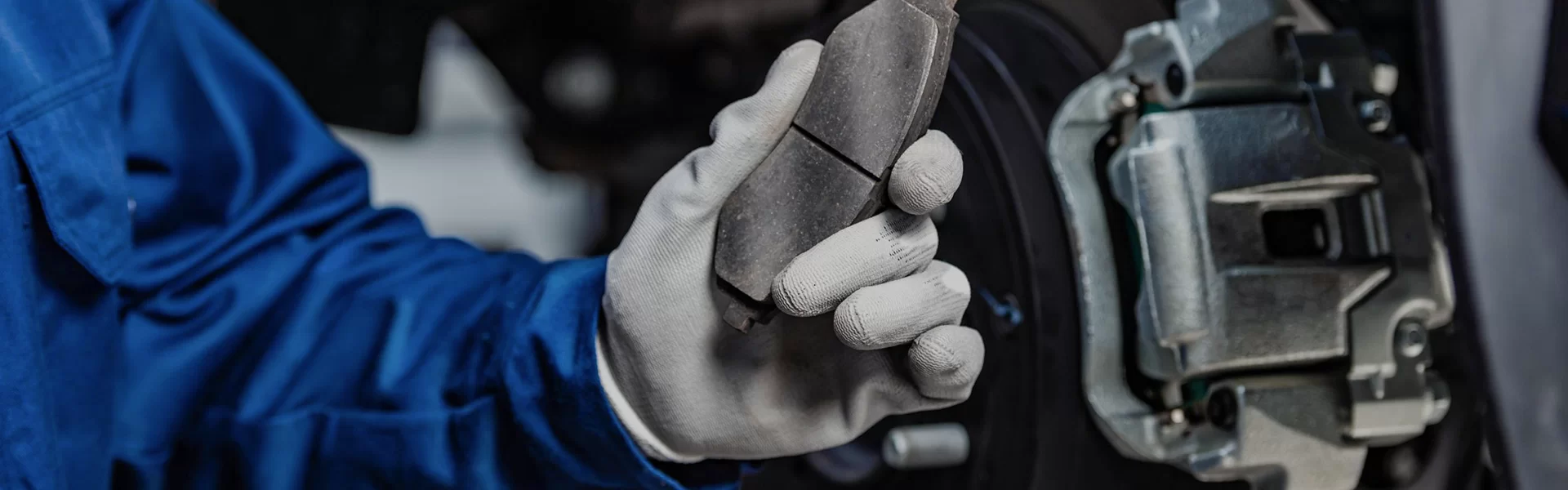
Have you ever wondered what keeps massive industrial machines or railway systems reliably stopping in their tracks? Well, the internal shoe brake plays a pivotal role. This rather unassuming piece of engineering has quietly powered safety and efficiency across countless sectors worldwide. Grasping its function and impact, frankly, can save lives and reduce costs, making industries safer and more sustainable.
Across the globe, industries rely on mechanical braking systems for operational safety — whether it’s heavy machinery in manufacturing plants or railway cars transporting goods over thousands of miles. Notably, the internal shoe brake is a fundamental component in these systems. According to the International Organization for Standardization (ISO), nearly 80% of all industrial braking applications refer to either drum or internal shoe brakes due to their proven durability and performance [1]. Yet, one key challenge remains: achieving consistent, reliable stopping power under varying loads and conditions — which the internal shoe brake addresses effectively.
In fact, in sectors like rail transport and heavy equipment manufacturing, failures in braking can lead to costly downtime or even catastrophic accidents. That makes understanding this technology not just academic, but crucial.
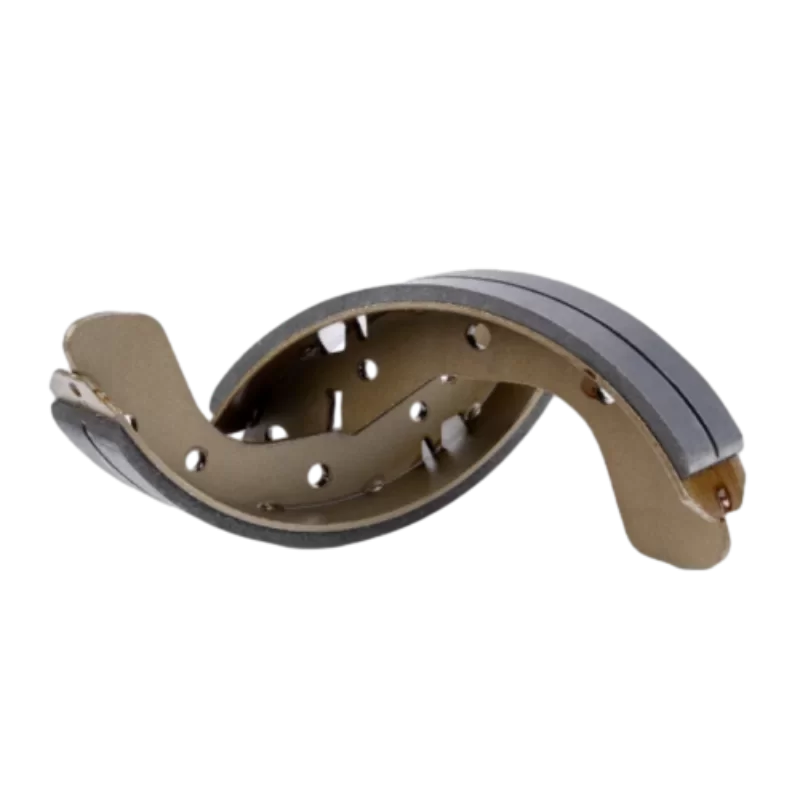
You can think of an internal shoe brake as a braking system where brake shoes press outward against the inner surface of a rotating drum to slow or stop movement. Unlike external brakes that clamp down from the outside, internal shoe brakes work inside the drum itself. This design offers compactness and protection from external elements, which is vital in industrial settings prone to dust, debris, or rough environmental conditions.
These brakes are commonly found in cranes, elevators, and especially rail vehicles. They're engineered to convert kinetic energy into heat, safely dissipating it as friction slows the rotating drum. Oddly enough, while the concept is straightforward, the precision and materials involved make all the difference in performance.
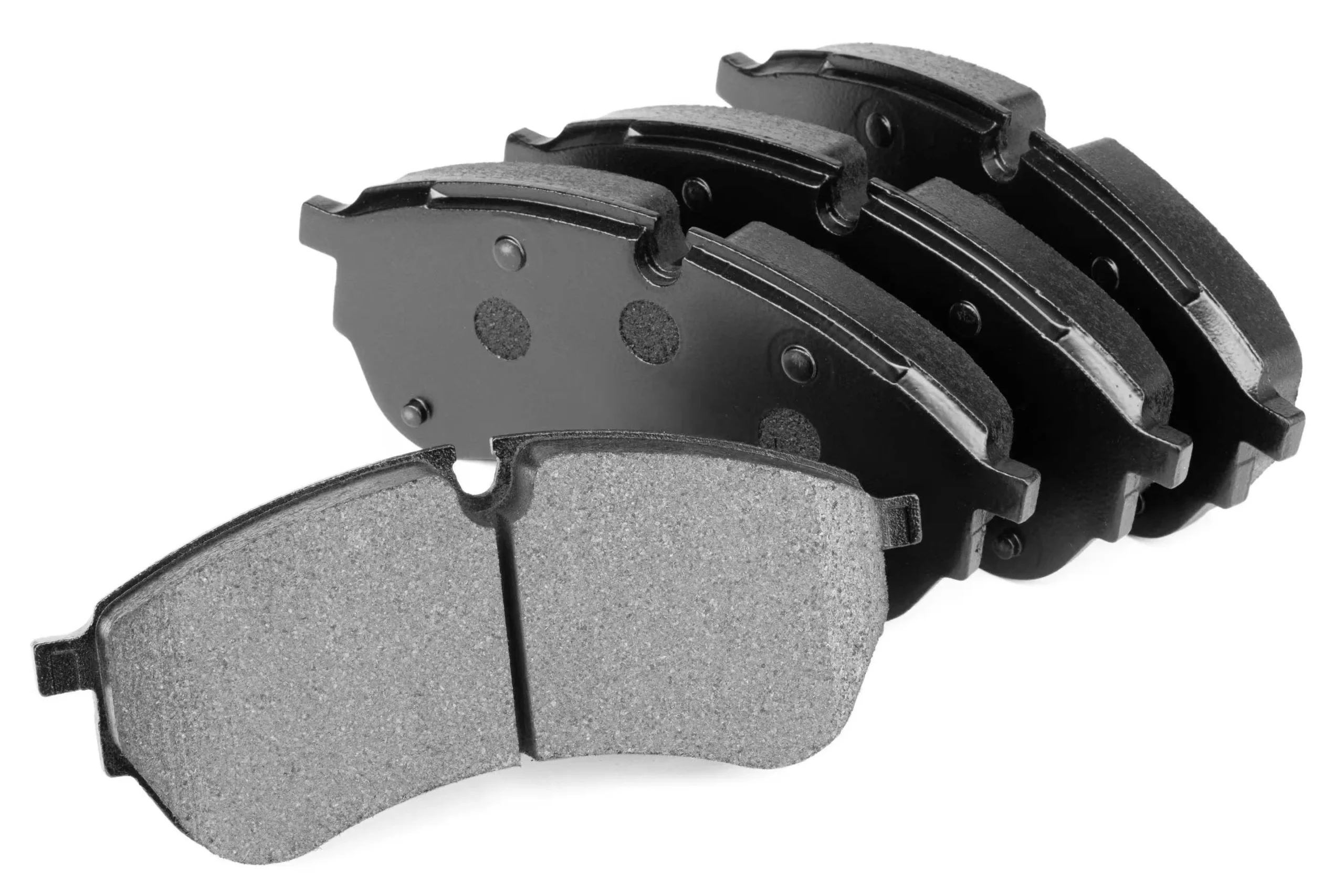
Internal shoe brakes are built to withstand constant wear and tear. The shoe materials — often composite or semi-metallic compounds — ensure longevity while maintaining effective friction. Engineers often focus on balancing durability with heat resistance to avoid brake fade during extended use.
Compared with other brake types, internal shoe brakes offer a more affordable maintenance cycle. Replacement parts like brake shoes wear gradually, meaning they can be changed without swapping the entire braking unit. This translates to lower downtime and operating costs—which, frankly, every plant manager appreciates.
The internal mechanism keeps the system enclosed, saving valuable space. This compactness is a big selling point for machines where space constraints and protection from contaminants are priorities.
No surprise, but consistent stopping power is king. Internal shoe brakes are less sensitive to environmental fluctuations, which means machines—and frankly, people—can rely on them in critical moments.
Since these brakes are somewhat modular, skilled technicians can quickly inspect and replace worn components. This avoids the need for extensive machine dismantling.
| Specification | Typical Range | Notes |
|---|---|---|
| Brake Shoe Material | Composite or Semi-Metallic | Balance between friction & durability |
| Drum Diameter | 150mm to 600mm+ | Depends on application size |
| Operating Temperature | -40°C to 250°C | Designed for heat dissipation |
| Torque Capacity | Up to 3000 Nm | Varies by brake size & design |
Internal shoe brakes have a surprisingly wide footprint, stretching well beyond what you’d imagine. For instance:
Regions like Europe, North America, and parts of Asia are incorporating newer brake designs to boost energy efficiency and reduce emissions in heavy-duty vehicles. Meanwhile, remote areas depend on the robust build of internal shoe brakes where maintenance facilities might be far away.
Aside from clear-cut technical benefits, the internal shoe brake carries a sort of intangible value as well. It offers operations a kind of peace of mind—safe, tested reliability when it counts. From a cost standpoint, these brakes typically last longer and avoid frequent replacement, saving operators both money and downtime.
Environmentally, improving braking efficiency can reduce energy loss and wear, aligning with broader sustainability goals. On the social side, safer machinery translates to safer jobs, preserving workers’ dignity and well-being — something not always highlighted but critically important.
Looking forward, there’s exciting progress in materials science. For example, brake shoes infused with advanced ceramics or graphene promise higher heat tolerance and longer lifespans. Automation is also pushing smart brakes, capable of self-diagnosis and predictive maintenance alerts, reducing unexpected failures.
Moreover, digital monitoring integrates with Industry 4.0 frameworks, offering precise control over braking force in real-time. This helps industries hit those ambitious sustainability targets framed by international agreements like the Paris Accord [2].
Every technology has its limits. For internal shoe brakes, issues often arise from heat buildup or inconsistent friction when contaminants penetrate the drum. Some engineers note that improper installation or maintenance shortcuts can hugely degrade performance.
Industry experts recommend incorporating sealed systems and monitoring sensors to mitigate these problems. When paired with routine inspection protocols and quality components, the internal shoe brake’s drawbacks become manageable.
| Vendor | Product Range | Key Features | Typical Industries |
|---|---|---|---|
| ACME Brakes Co. | 150mm–500mm dimension range | High-temp composite shoes, quick install | Rail, Manufacturing |
| BrakeTech Solutions | Custom sizes, ceramic-infused shoe linings | Smart wear sensors, sealed housing | Mining, Construction |
| Global Brake Industries | Wide-spectrum with retrofit options | Eco-friendly materials, IoT compatible | Logistics, Rail Transport |
Internal shoe brakes are enclosed within the drum, providing better protection from environmental contaminants and often allowing a more compact design. This enclosure reduces wear from dust or moisture, meaning they typically require less maintenance and can deliver consistent performance in harsh industrial environments.
The lifespan varies depending on usage and maintenance but typically ranges between 5 to 10 years. Using high-quality materials and regular inspections can extend this. In intense applications like mining or railways, cooler operating conditions and proper lubrication also help prevent premature wear.
Yes, recent developments include brake shoes made from eco-conscious materials like bio-composites and ceramic blends, which reduce toxic dust and increase durability. Some vendors also offer remanufactured or recyclable components, aligning with sustainable industry practices.
Most manufacturers provide documentation compliant with international standards (e.g., ISO, CE marking). Shipping is typically handled by logistics partners experienced in heavy machinery. It’s always wise to confirm import duties and certifications beforehand to avoid delays or compliance issues.
Absolutely. Many vendors offer tailored solutions based on drum size, operating temperature, and load requirements. This customization ensures optimal fit, performance, and longevity in unique applications. Discussing your specific needs early with suppliers helps achieve the best results.
Long-term, the internal shoe brake stands out as a tried-and-true solution blending safety, efficiency, and cost-effectiveness. Its compact design and protected mechanism suit a variety of industries needing reliable braking without fuss. As industries push towards smarter, greener tech, internal shoe brakes continue evolving with better materials and smart diagnostics.
If you want to explore trustworthy internal shoe brake solutions, visit our website for comprehensive options tailored to industrial needs.
Reflecting on this, I guess the humble internal shoe brake often goes unnoticed, but its impact is unmistakable — a quiet guardian of safety behind complex machinery everywhere.