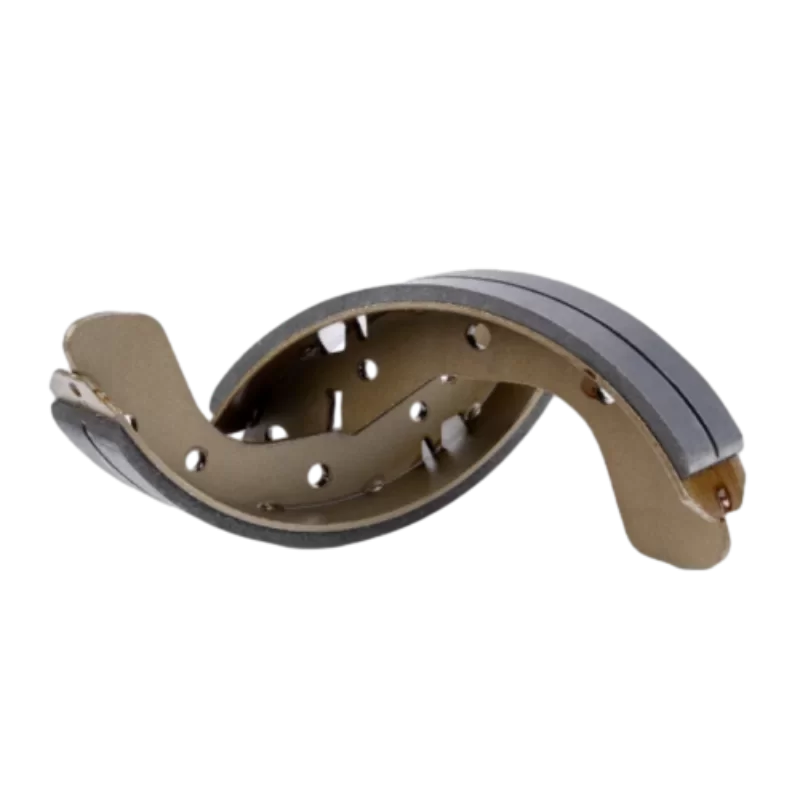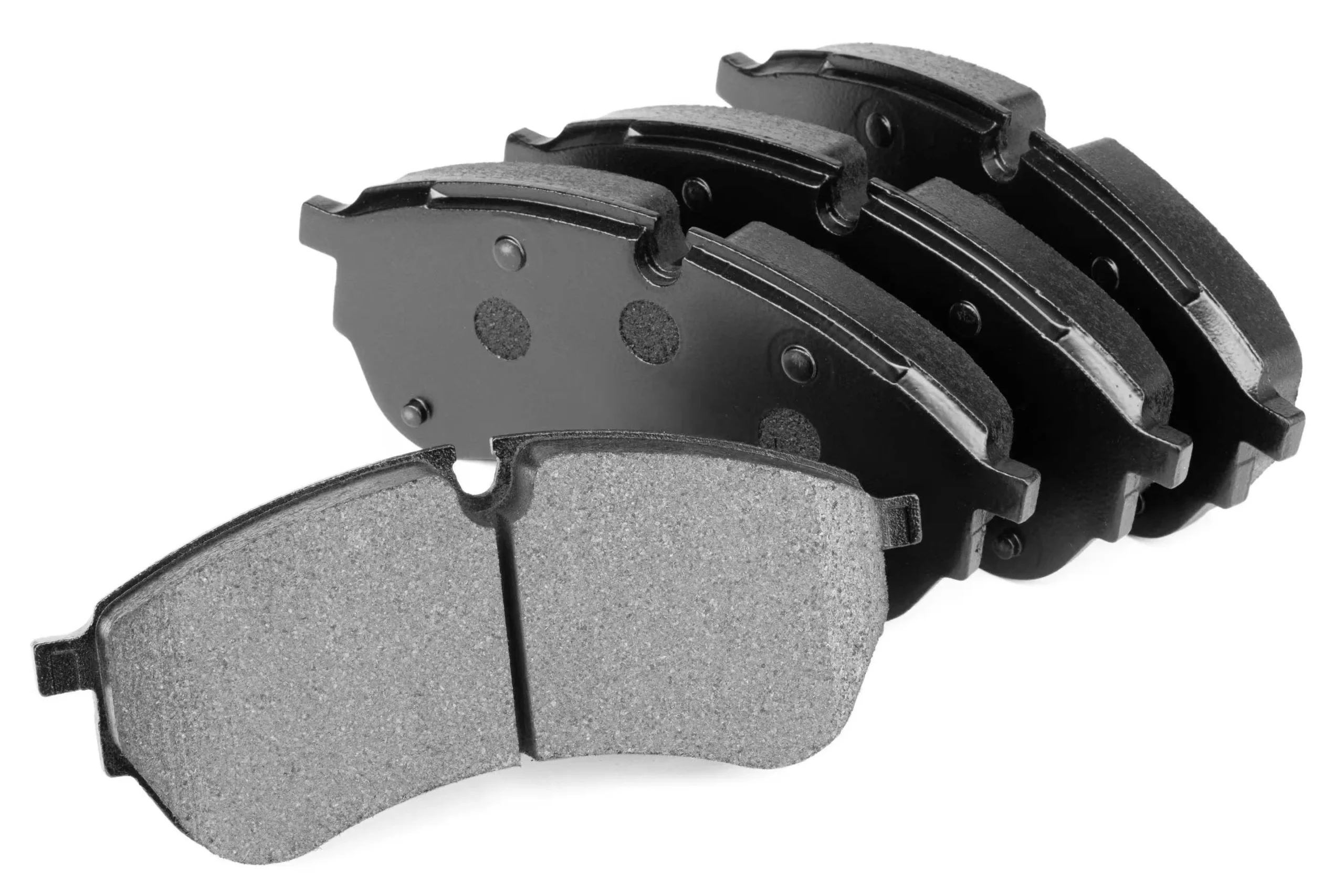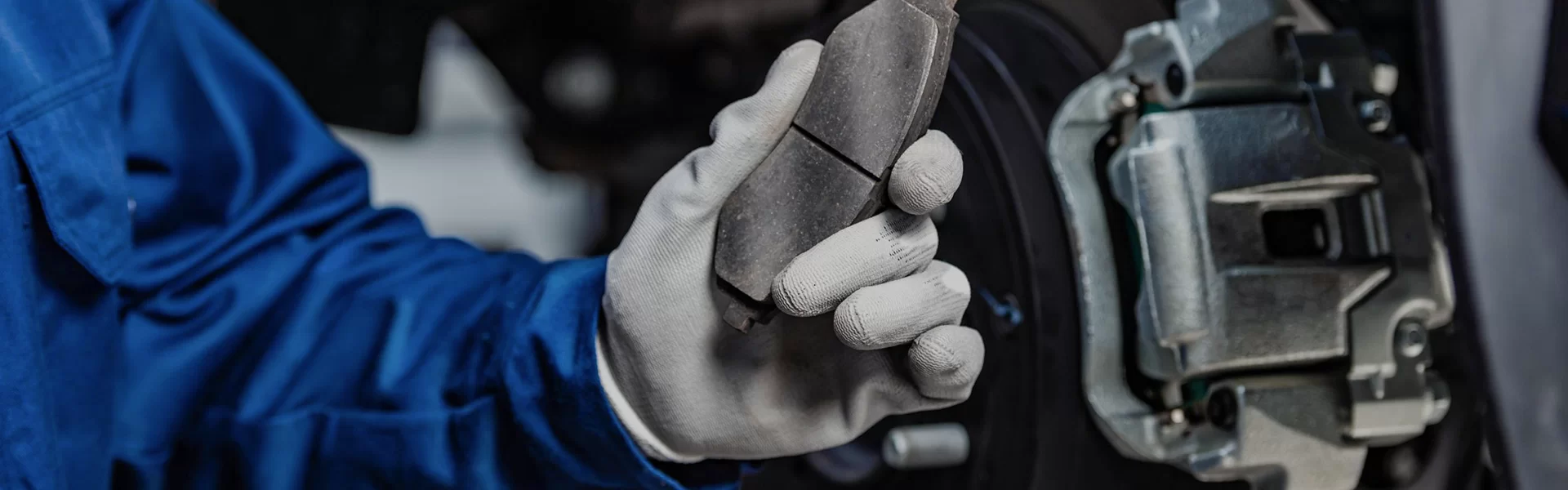
If you’ve ever been curious about what keeps your vehicle’s braking system smooth and safe, “new brake shoes grinding” might ring a bell. This subtle yet crucial process touches not only the auto repair industry but also the entire transportation safety ecosystem. Globally, as vehicle numbers surge and safety regulations tighten, understanding the nuances of brake shoe grinding ensures we keep roads safer and maintenance costs manageable.
In essence, new brake shoes grinding is about honing the surface of freshly installed brake shoes so they “bed in” properly with the drum — a fine balance of efficiency and longevity. The topic tends to get overlooked by many, but frankly, it plays a big role in reducing brake noise, improving stopping power, and extending component life.
In this article, we’ll explore why grinding new brake shoes is a small step with large global benefits, especially where reliability and safety are top priorities.
With over 1.4 billion motor vehicles worldwide, brake system maintenance is a universal concern. The ISO standards governing brake performance also continually evolve, demanding consistent quality in brake shoe fabrication and finishing.
Brake failures cause thousands of accidents annually, underscoring the importance of every detail — including how new brake shoes are prepped. Cutting corners on processes like grinding could mean unpredictable brake bite or premature wear, costly and dangerous problems.
Massive transport fleets, especially in developing countries, often seek cost-effective ways to improve brake reliability while complying with tighter emissions and safety regulations. Here, mastering the technique of new brake shoe grinding not only improves vehicle lifespan but also reduces environmental waste from frequent replacements.
Simply put, new brake shoes grinding refers to the process of lightly abrading the surface of brake shoes when they are first installed. This ensures an even surface that can properly contact the brake drum, optimizing friction and braking efficiency.
The process compensates for any microscopic surface irregularities from manufacturing. Without this crucial step, initial braking can cause uneven wear — leading to noise, vibration, or reduced stopping power. New brake shoes grinding helps integrate a mechanical component neatly into a high-stress, safety-critical system.
Oddly enough, this simple step also aligns with a broader industrial principle: precision finishing improves performance significantly, whether in aerospace or humanitarian vehicle aid — where dependable brakes save lives.
A uniform brake shoe surface ensures consistent friction force. Uneven spots can cause pulsation or brake judder.
Brake shoe compounds vary greatly: semi-metallic, organic, ceramic blends. Grinding must accommodate these materials without degrading their integrity.
Whether manual or automated, the grinding process demands control over pressure and speed. Too aggressive, and you risk thinning the material; too light, and the surface irregularities persist.
Humidity, dust, and temperature during grinding influence outcomes. For example, in dusty regions, post-grinding cleaning is vital to avoid contamination.
Checking the finished shoe’s surface roughness and thickness ensures the grind meets exacting specifications. Some workshops employ profilometers or contact test rigs.
Grinding new brake shoes isn’t just a quick buff; it’s a precision task that balances multiple variables to ensure safety, efficiency, and longevity.
The practice of new brake shoes grinding spans diverse settings:
For example, a transit authority in Japan reported a 20% increase in brake shoe lifespan after implementing standardized new brake shoe grinding procedures — a huge win for cost and safety.
It’s easy to overlook such a small process step, but the emotional relief of a vehicle that stops as expected — that’s priceless.
| Specification | Details |
|---|---|
| Grinding Method | Wet abrasive belt sanding / Manual wheel grinding |
| Motor Power | 0.75–1.5 kW |
| Speed Control | Variable (500–1500 RPM) |
| Safety Features | Emergency stop, dust scoop, noise reduction casing |
| Unit Weight | ~18 kg |
| Vendor | Grinding Accuracy | Price Per Shoe | Turnaround Time | Additional Services |
|---|---|---|---|---|
| BrakePro Solutions | ±0.02 mm | $8.50 | 24 hours | Full brake system inspection |
| AutoGrind Experts | ±0.01 mm | $12.00 | 48 hours | On-site mobile grinding |
| EcoBrake Services | ±0.03 mm | $7.25 | 36 hours | Eco-friendly dust management |
The future looks exciting and frankly, a bit promising — not only are grinding machines becoming smarter with AI-driven precision; new coating materials mean brake shoes will require less abrasive prepping.
Green initiatives, such as ISO 14001 environmental standards, push manufacturers toward dust-free grinding environments and recyclable brake shoe compounds.
Automation in grinding processes reduces human error and makes quality more replicable at scale. Plus, digital sensors installed in workshops today can measure grinding thickness and uniformity in real time. It feels like we’re heading toward a future where brake maintenance is as much about data as it is about muscle.
One big challenge remains: controlling heat build-up during grinding, which can alter material properties and reduce brake efficiency. Experts suggest intermittent grinding plus coolant sprays to avoid overheating.
Also, access to proper grinding equipment in rural or less developed regions delays best practices. Portable grinding kits and online training modules are innovative approaches to bridge these gaps.
Q1: Why is grinding new brake shoes necessary?
A1: Grinding smooths the shoe surface, ensuring proper contact with the drum. This prevents uneven wear, vibrations, and noise during braking, enhancing both safety and longevity.
Q2: How often should new brake shoes be ground?
A2: It’s a one-time preparatory process done upon installation of new shoes. Re-grinding is uncommon unless the shoe surface gets damaged during use.
Q3: Can DIY enthusiasts grind brake shoes at home?
A3: With the right tools and safety precautions, yes, but it’s recommended to have professional oversight since improper grinding can reduce effectiveness or damage components.
Q4: Does grinding affect the warranty of brake shoes?
A4: Usually no, provided grinding follows manufacturer guidelines. Unauthorized modifications can void warranties, so always check first.
In real terms, new brake shoes grinding is one of those behind-the-scenes heroes in vehicle safety and maintenance. It directly improves brake performance, cost efficiency, and sustainability — values that resonate worldwide.
Oddly enough, it feels like this detail could be overlooked, but it is foundational knowledge for fleets, mechanics, and safety-conscious drivers. If you want to dive deeper or explore professional-grade grinding equipment and services, visit our website: new brake shoes grinding.
Stay curious, and remember—the smoothest stops start with the tiniest finishes.
Brake system safety hinges on details we often take for granted. Grinding new brake shoes may seem minor, but it impacts reliability universally. For further reading, industry-standard references like ISO brake specifications or transport safety statistics from organizations such as the International Organization for Standardization and UNECE offer comprehensive insights.