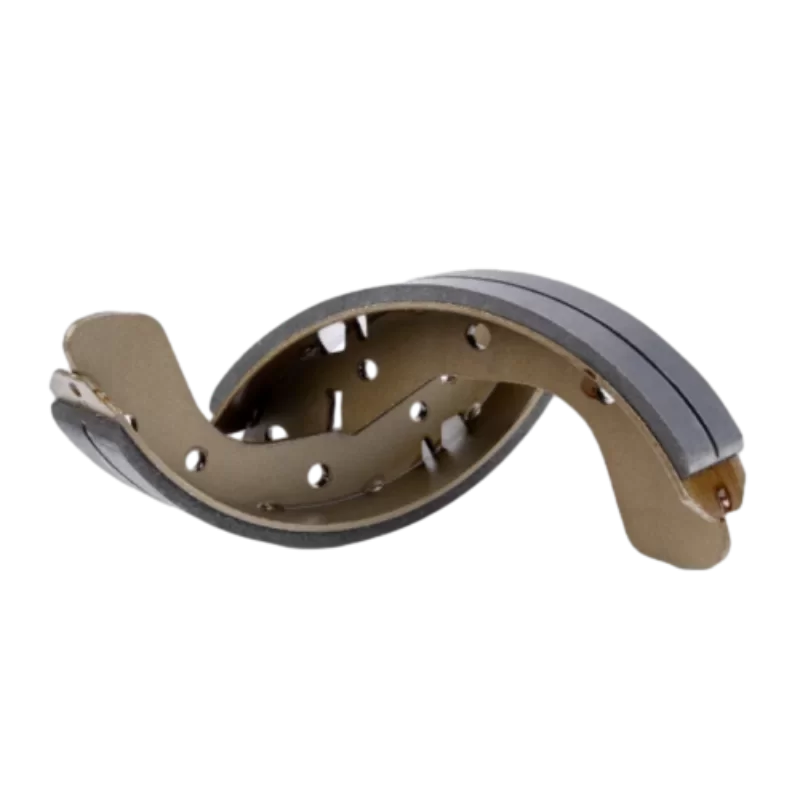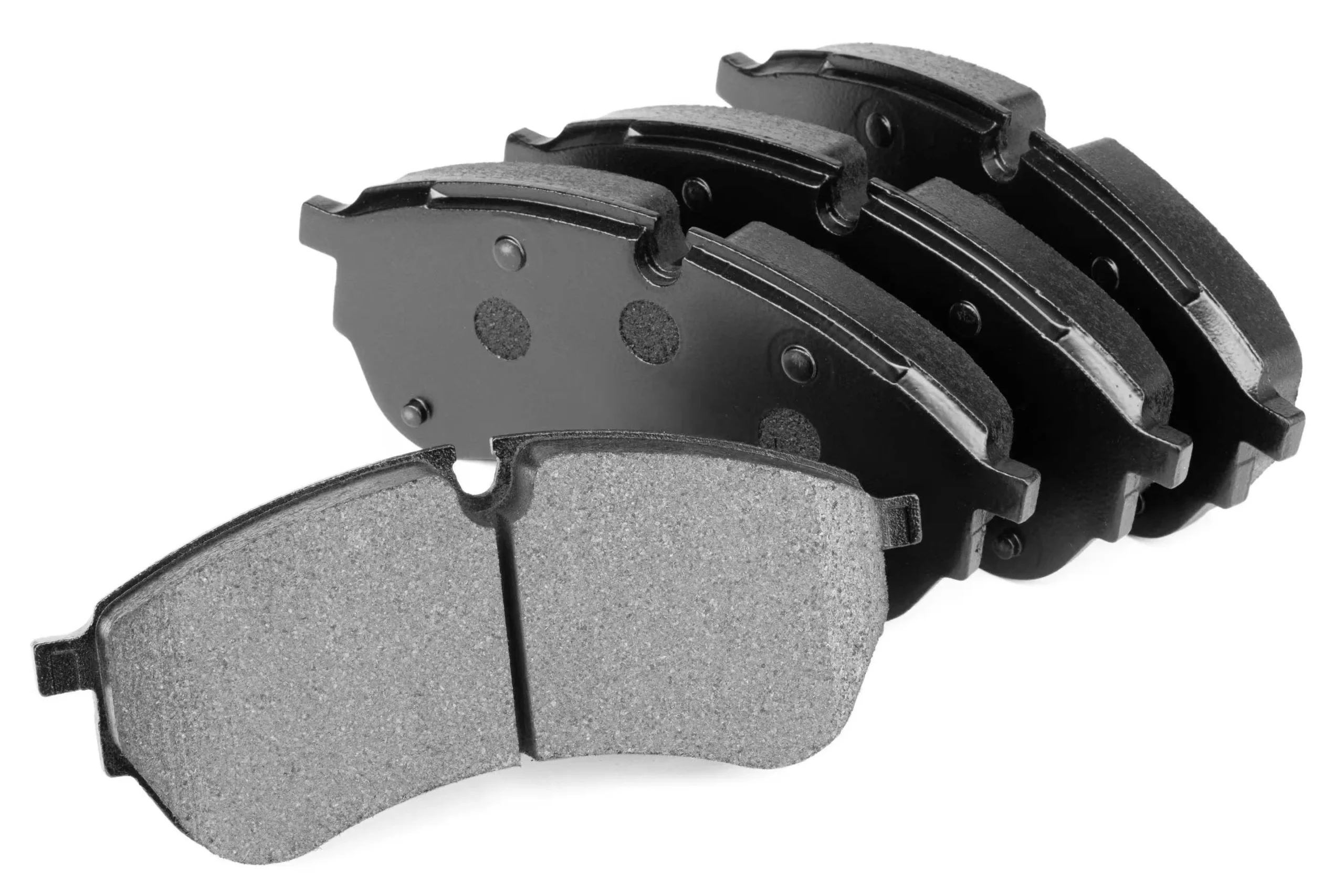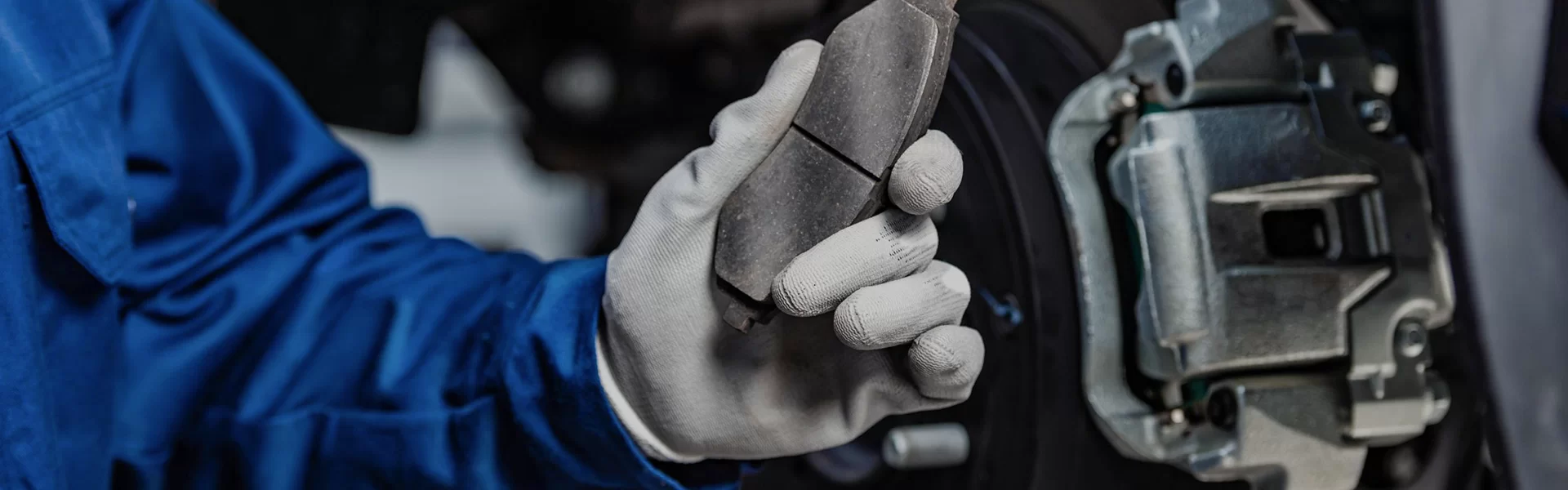
Brake shoes might not be the flashiest part of a vehicle, yet they’re absolutely vital for safety and efficiency on the road. When talking about organic brake shoes, we’re referring to a type of brake component that’s becoming increasingly significant for both passenger cars and commercial vehicles globally. But why the buzz around organic brake shoes? Simply put, they offer a balance of effective braking, environmental friendliness, and cost efficiency that the automotive—and even industrial—sectors can’t overlook. As climate goals tighten worldwide and material science advances, understanding what makes these brake shoes tick is, frankly, quite useful.
The global brake system market is booming, expected to grow at a compound annual growth rate (CAGR) of about 6.5% through 2030, according to reliable industry forecasts. The shift towards greener, less toxic materials is driving vehicle manufacturers and aftermarket suppliers to seek replacements for semi-metallic or asbestos-based brake linings, which have health and environmental drawbacks. The United Nations Environment Programme has highlighted the importance of reducing hazardous automotive waste, and organic brake shoes fit nicely into this transition.
However, challenges remain. Organic brake linings must still match the durability and performance of older materials—no compromises on safety, obviously. This is the puzzle many engineers and companies are trying to solve, blending material innovation with pragmatic cost models.
So, what exactly are organic brake shoes? Simply put, they are brake shoes that use friction materials made primarily from organic compounds—like natural fibers, resin binders, rubber, and fillers—rather than metals or asbestos. The term “organic” here refers to the source materials being carbon-based, often from plant or synthetic origins, making them less toxic and lighter.
This design connects directly to modern industry needs for lower emissions, reduced noise, and lower environmental impact during both the manufacturing and disposal phases. Plus, they tie into humanitarian needs indirectly—by enabling safer, quieter transport in busy urban and underserved rural areas alike.
While organic linings typically wear faster than metallic ones, ongoing formula tweaks have dramatically improved their lifespan. Newer versions resist heat and wear better, albeit often still last slightly less than some harder materials.
Generally, organic brake shoes are more affordable to produce. This cost benefit trickles down to consumers and fleet operators, making them attractive where budgets are tight but safety is a must.
One standout advantage of organic materials is their quieter operation. They generate less brake squeal and vibration, improving driver comfort notably.
As many organic brake shoes avoid harsh chemicals and heavy metals, their environmental footprint is smaller across production, use, and disposal stages.
Organic materials can struggle with very high temperatures generated during intense braking, potentially leading to fade or faster wear—but manufacturers address this via composite formulations.
For example, in post-disaster relief logistics, vehicles equipped with organic brake shoes benefit from reliable stopping power without high maintenance needs—critical when time and resources are tight.
Choosing organic brake shoes is not just a technical decision—it’s a reflection of broader values. On the practical side, lower manufacturing and replacement costs benefit fleets. The quieter ride and reduced dust emissions, a known issue with some brake materials, enhance community life especially in densely populated areas.
Emotionally, safer, cleaner brakes build trust between drivers, passengers, and regulators. There’s a real dignity in knowing your vehicle’s components align with sustainability goals yet remain relentlessly safe.
Looking ahead, the brake lining industry is innovating: bio-based resins will replace petroleum-derived binders, increasing renewability. Nano-materials promise strength boosts without weight penalties. Automation in manufacturing processes leads to greater consistency and customization.
Furthermore, as electric and hybrid vehicles proliferate, demand for brake shoes optimized for regenerative braking systems—where mechanical brakes complement electrical systems—will reshape specifications, and organic materials could play a leading part thanks to their adaptability.
Despite these advances, some hurdles linger: higher wear rates under extreme conditions, temperature sensitivity, and performance variability across brands. To tackle these issues, companies are blending organic compounds with small amounts of metallic fibers or ceramics—striking a carefully balanced composition. Testing protocols under ISO and SAE standards ensure safety thresholds are met regardless.
| Specification | Typical Organic Brake Shoe |
|---|---|
| Material Composition | Natural fibers, rubber, resins, fillers |
| Coefficient of Friction | 0.35 - 0.45 |
| Temperature Range | -40°C to 350°C (max) |
| Wear Resistance | Moderate; improved with composites |
| Noise Level | Low |
| Vendor | Typical Applications | Price Range | Lead Time |
|---|---|---|---|
| KyBrakePad Inc. | Passenger vehicles, light trucks | Medium | 2-4 weeks |
| EcoStop Components | Urban buses, delivery vans | Medium-High | 3-5 weeks |
| GreenBrake Solutions | Agricultural and industrial vehicles | Low-Medium | 1-3 weeks |
To sum up, organic brake shoes are an essential component in the quest for safer, greener, and more economically sustainable braking solutions. They balance performance with environmental responsibility—qualities the transportation industry urgently needs. If you want to explore reliable options that fit these criteria, visit our website to learn more about innovative organic brake shoes designed with the future in mind.
Oddly enough, while brake shoes might seem mundane, it’s these small innovations that quietly keep millions safe, helping society roll forward with less harm to the planet and the wallet.