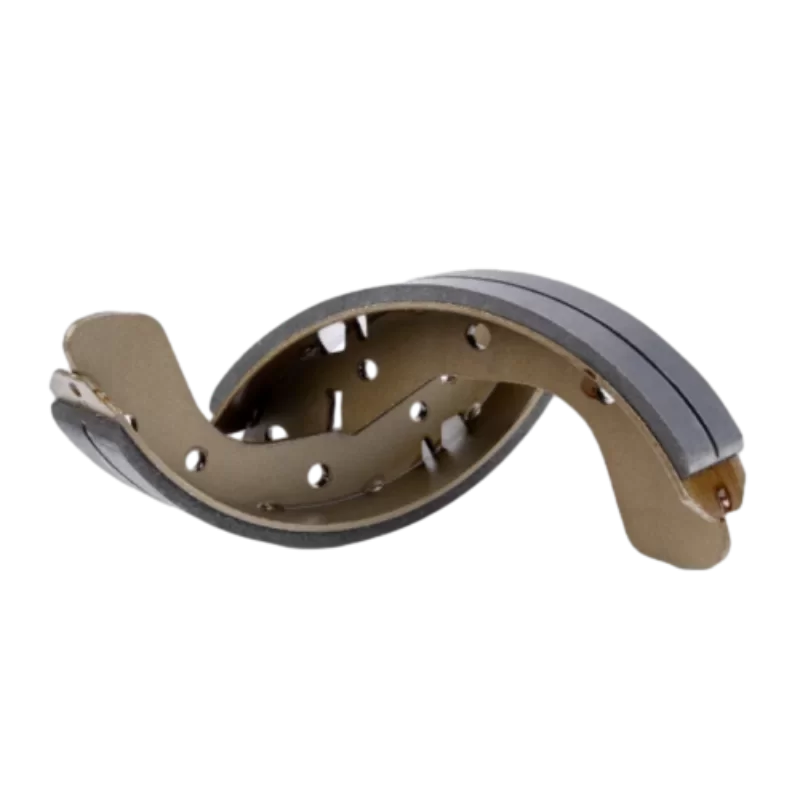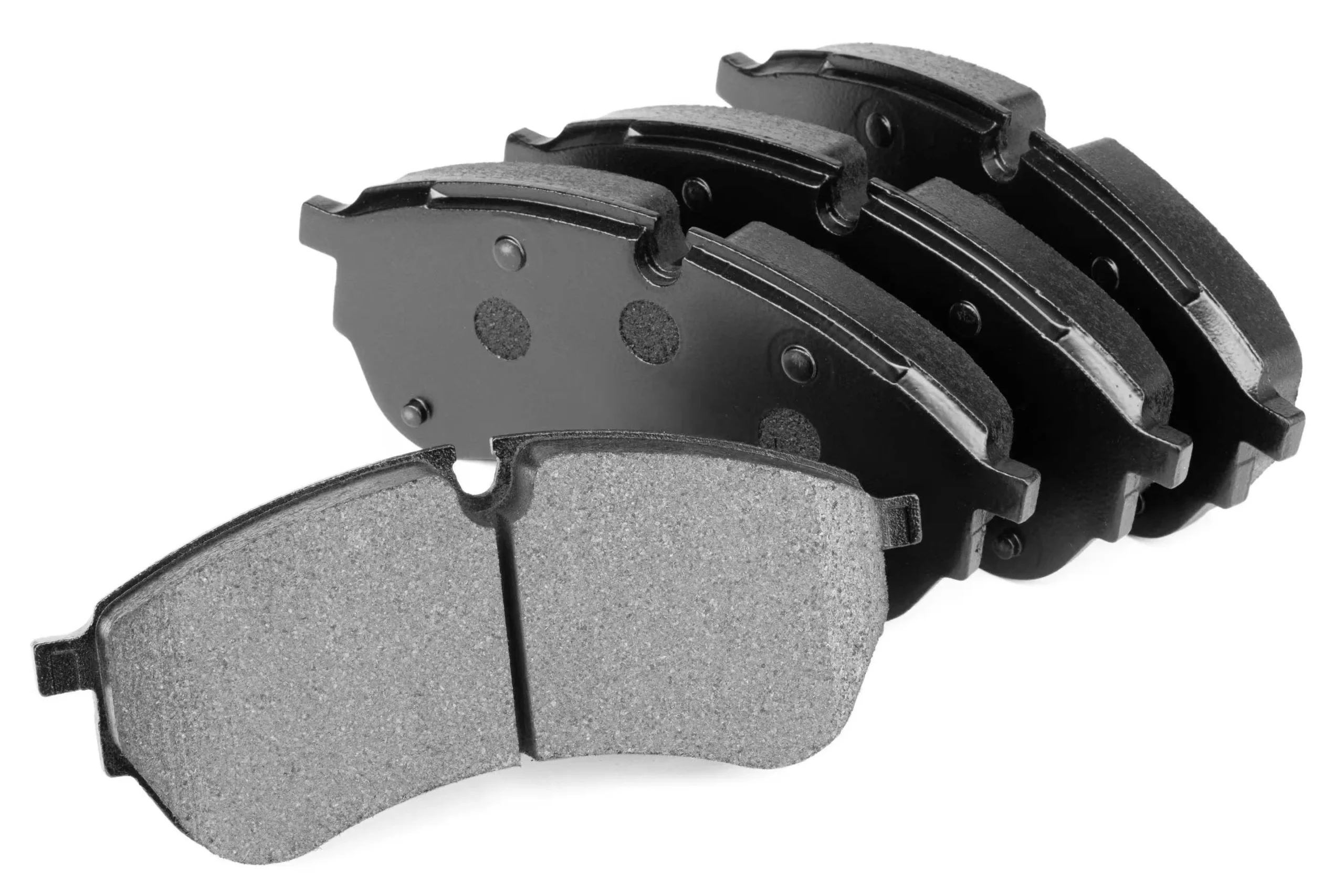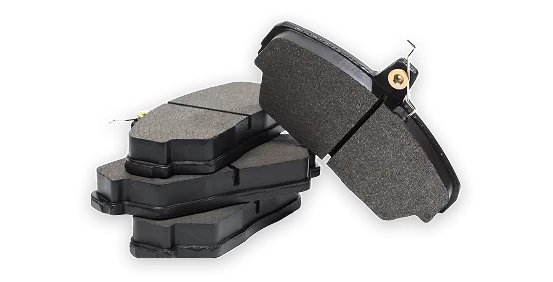
Having spent quite a few years in the industrial equipment sector, I’ve come to appreciate that trailer brake pads aren’t just a small, replaceable part — they actually play a massive role in safety and vehicle longevity. Trailer brake pads might sound straightforward, but frankly, there’s more to them than meets the eye.
When I started in the business two decades ago, brake pads were mostly about a quick friction fit. Nowadays, manufacturers put a lot of effort into materials, testing, and customization—mostly because trailer demands can vary widely. It feels like brake pads have evolved into something more sophisticated, marrying durability with performance and cost-efficiency.
Let’s talk materials first. You’ll see organic, semi-metallic, and ceramic compounds popular in the industry. Organic pads tend to be quieter and friendlier on rotors but wear faster. Semi-metallic options are tough and offer excellent heat dissipation but can be a bit noisier. Ceramic pads? They have this smooth stopping feel — many engineers say they produce less dust too, which makes maintenance easier. Oddly enough, choosing the “best” pad often comes down to your specific trailer usage — heavy loads versus light loads — and road conditions.
The testing process surprised me on my last site visit to a major brake pad manufacturer. They simulate miles of braking in just hours on big rigs using a temperature-controlled dynamometer. It’s impressive how closely they replicate real-world wear and tear. Plus, they consider fade resistance — which you absolutely want if you’re tackling long downhill grades or frequent stops. Nothing worse than a brake fade when your trailer is packed to the brim.
Here’s a quick spec comparison for common trailer brake pads I’ve worked with or specified over the years — it’s always helped me when selecting or comparing options:
| Specification | Organic | Semi-Metallic | Ceramic |
|---|---|---|---|
| Noise Level | Low | High | Very Low |
| Wear on Rotor | Low | High | Low |
| Heat Dissipation | Moderate | High | Moderate |
| Lifespan | Shorter | Longer | Longest |
| Cost | Low | Moderate | High |
Now, when picking a vendor, I’ve noticed something else — it’s not just specs that matter but how the supplier supports you in getting the right pad fit and documentation. In my experience, some vendors are more hands-on, which is crucial for fleet managers juggling numerous trailer models and brands. Here's a simple comparison that might help:
| Vendor | Product Range | Technical Support | Custom Solutions | Lead Time |
|---|---|---|---|---|
| KY Brake Pad | Wide | Excellent | Available | 2-3 weeks |
| Generic Supplier A | Moderate | Limited | No | 1-2 weeks |
| Industry Brand B | Wide | Good | Limited | 3-4 weeks |
Years ago, I worked with a logistics company that constantly dealt with brake issues during seasonal hauls — you know, that frantic autumn harvest rush. We switched them over to semi-metallic pads from a trusted vendor, their downtime dropped noticeably. I guess that's the proof in the pudding: right pads for the right job can save you headaches and money.
On a final note, I like how some vendors like KY Brake Pad continually innovate their formulations and maintain stringent testing methods. It’s reassuring for the industrial sector where reliability isn’t just nice to have — it’s essential. Choosing the right trailer brake pads isn’t just about stopping power; it’s about longevity, safety, and peace of mind.
So, next time you’re looking at trailer brake pads, remember: tune into the specs, consider your use case, and don’t underestimate the value of a supportive vendor relationship. It makes all the difference in real terms.
Thanks for reading — I hope this insider perspective helps you make smarter decisions on the road.
References:
1. Industry Brake Materials Guide, Tech Brake Corp, 2023
2. KY Brake Pad Official Testing Data, 2024
3. “Trailer Brake Maintenance Best Practices,” Journal of Fleet Management, 2022