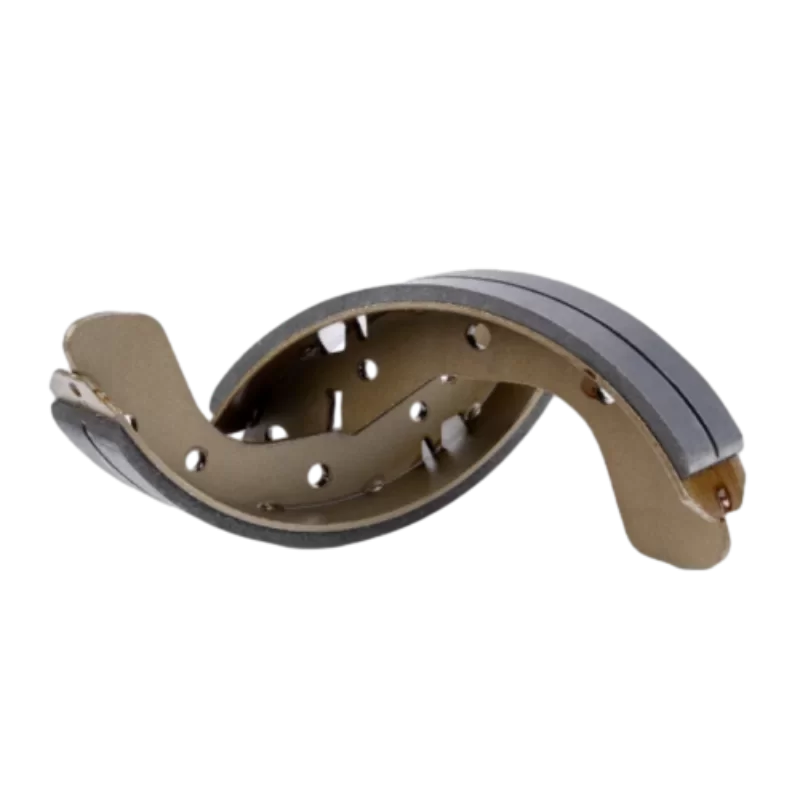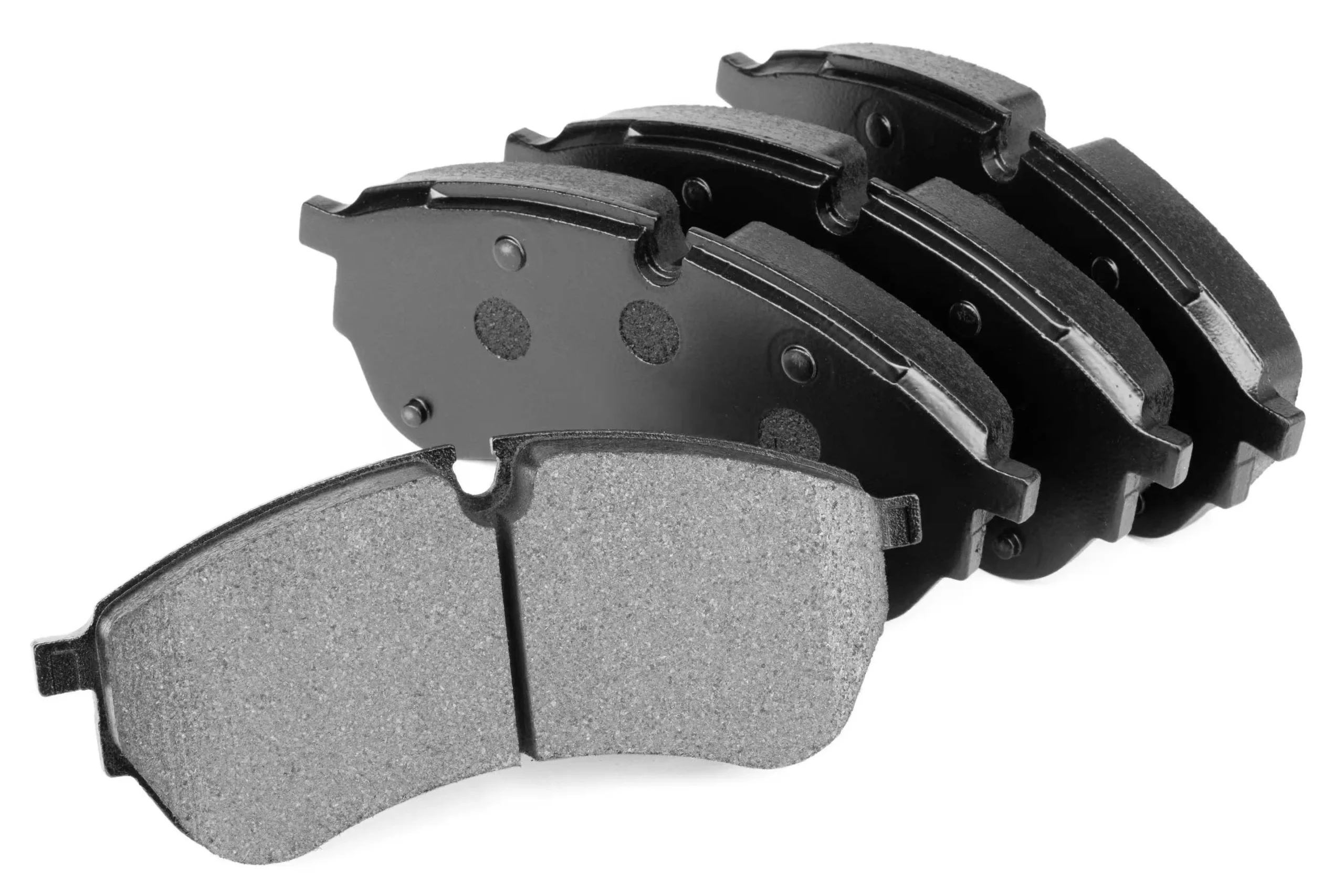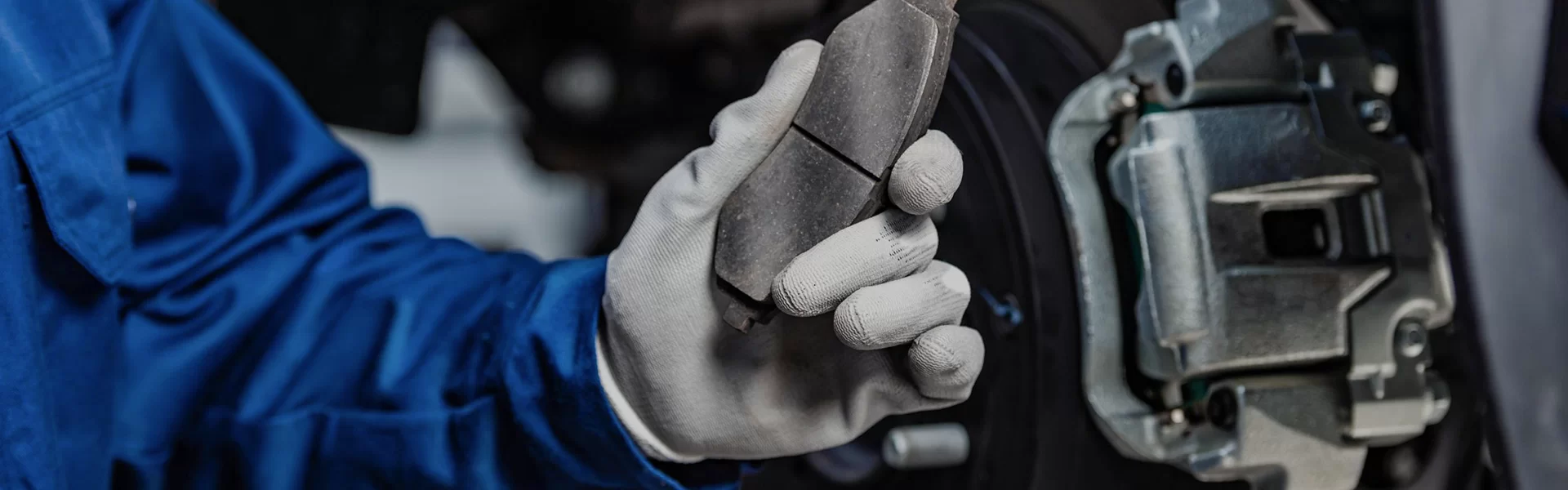
Having spent over a decade in the industrial equipment sector, I’ve come to appreciate how crucial reliable brake components truly are. When you’re dealing with heavy machinery or vehicles working around the clock, the last thing you want is a brake failure or frequent replacements. That’s partly why I took an interest in SBK brake pads. They’ve quietly carved a niche as sturdy, dependable parts that many engineers and maintenance teams swear by.
SBK's range of brake pads is particularly notable for the high-quality friction materials they employ. In an environment where heat resistance and durability separate the weak from the reliable, SBK uses semi-metallic and ceramic-infused compounds that strike a good balance between stopping power and longevity. In fact, I remember a client in the mining sector telling me his equipment’s downtime was cut almost in half after switching to these pads.
Industries today increasingly demand brake pads that not only endure stress but also perform consistently under varying conditions. SBK doesn’t skimp on testing — their pads go through rigorous bench testing as well as field trials. They’re designed to resist wear even when subjected to elevated temperatures and heavy loads, which is pretty essential when you’re talking about industrial fleets or construction machines.
One thing I find useful is how SBK provides customizable options to fit various machines and operational needs. Not every brake system is created equal, and being able to tailor composition or thickness can make a meaningful difference for maintenance engineers trying to maximize uptime.
| Parameter | Details |
|---|---|
| Material Type | Semi-metallic / Ceramic composites |
| Operating Temperature | -40°C to 450°C |
| Coefficient of Friction (µ) | 0.35 to 0.45 |
| Noise Level | Low |
| Typical Applications | Heavy trucks, construction equipment, mining vehicles |
Oddly enough, not everyone focuses on the noise factor in brake pads, but if you’re managing a fleet working near urban areas or enclosed facilities, quieter operation is a serious bonus. SBK brake pads manage to keep sound levels acceptably low without sacrificing stopping power. In real terms, that’s a subtle relief for operators and operators’ eardrums.
Now, if you’re wondering how SBK stacks up against other industry players, here’s a quick comparison I often use to guide clients. It’s not a silver bullet, but it highlights how SBK balances price, quality, and availability:
| Brand | Durability | Cost | Noise Level | Customization |
|---|---|---|---|---|
| SBK | High | Moderate | Low | Yes |
| Brand X | Medium | Low | Medium | Limited |
| Brand Y | High | High | Low | Yes |
In my experience, SBK brake pads hit a sweet spot for companies that want consistent, rugged performance without paying a steep premium. It’s sort of like finding that reliable workhorse that doesn’t ask for overtime but always gets the job done – quietly, safely, and without fuss.
Reflecting on this, I suppose the takeaway is clear: when your operations depend on robust braking systems, turning to well-tested pads like SBK’s is a sensible choice. Naturally, individual needs vary — and I always recommend working closely with suppliers to ensure compatibility and specs match precisely. But with SBK’s reputation and clear-cut specs, you’re starting from a solid foundation.
Feel free to explore their range and get a closer look at what’s available; the difference could be more significant than it seems at first glance.
References: