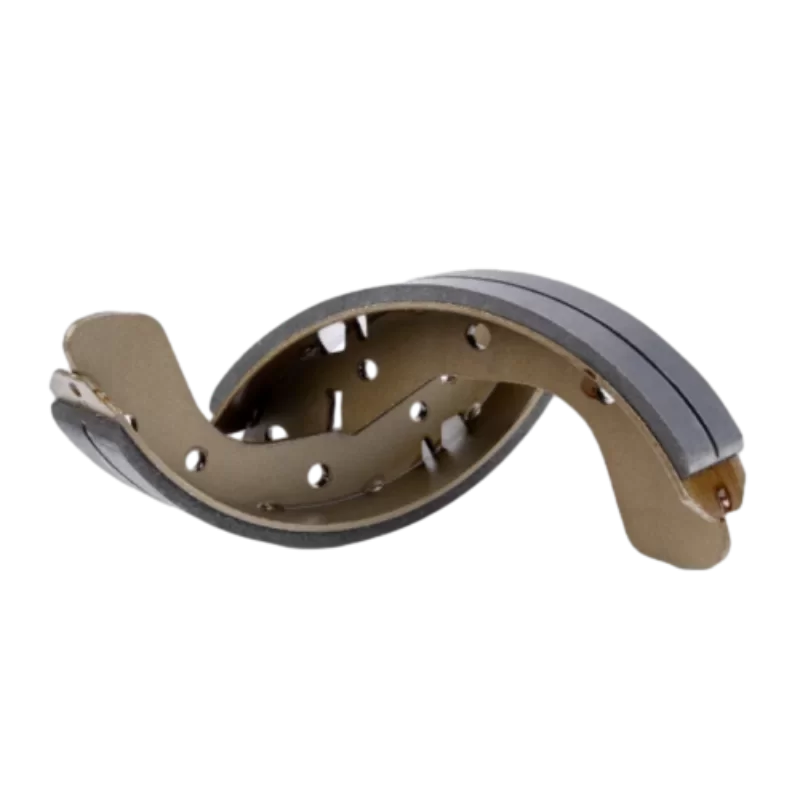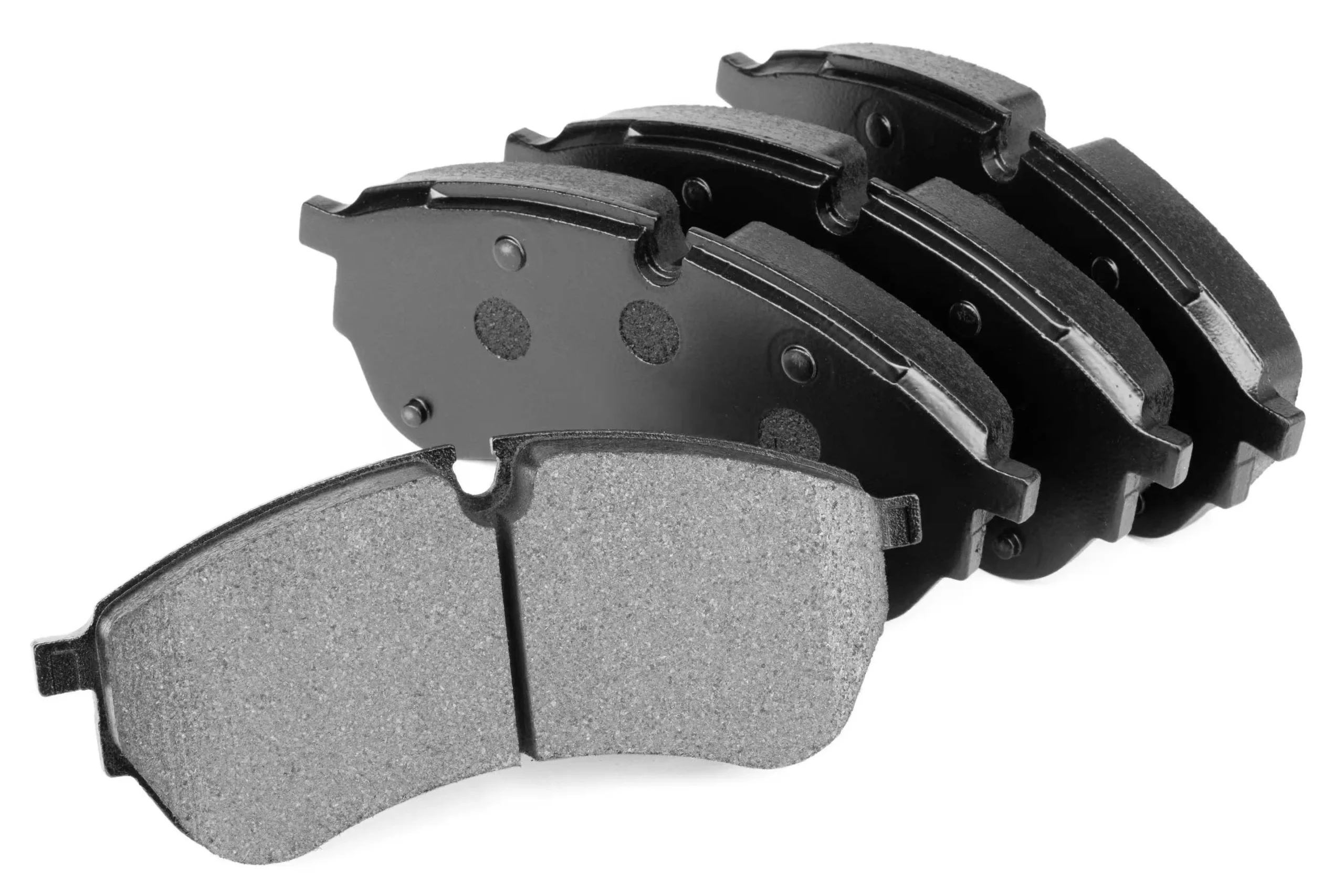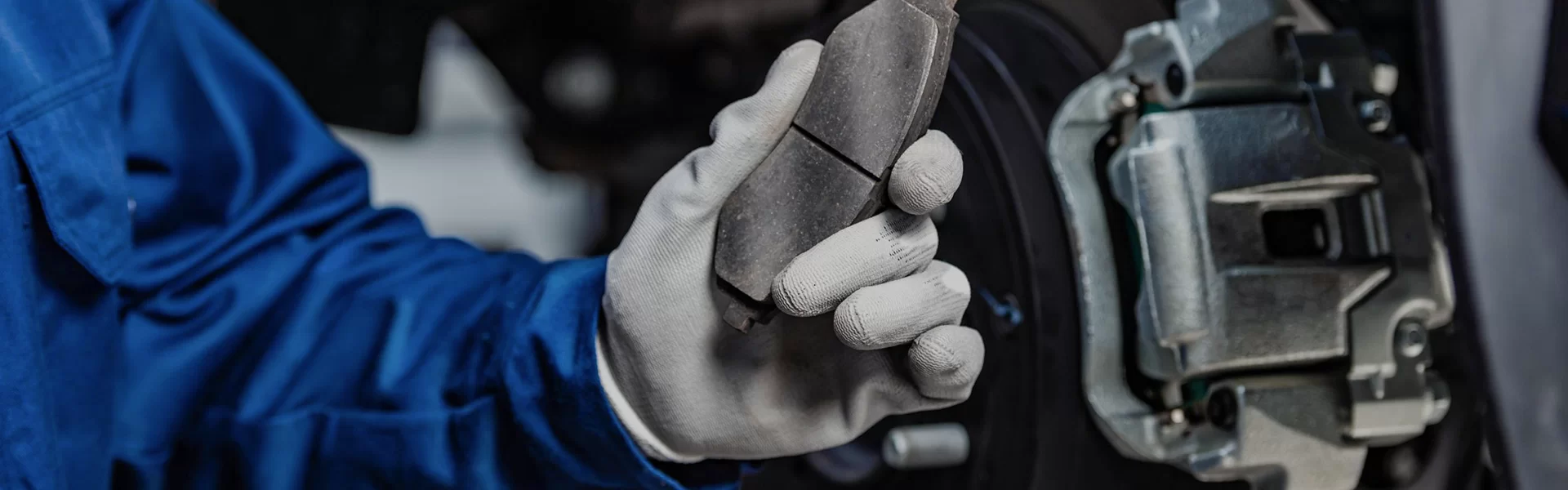
Having spent over a decade navigating the ins and outs of the industrial equipment sector, I've learned to appreciate the subtle but vital role that quality components play. Brake pads, while often overlooked, are undeniably one of those unsung heroes. They bear the brunt of stopping power and safety, and frankly, nothing beats the feeling of relying on top quality brake pads that deliver consistently, even under the harshest conditions.
Now, when we talk about brake pads, the conversation often drifts to materials and design. Manufacturers usually lean on three main types: semi-metallic, ceramic, and organic. Each has its own merits and ideal applications. I remember one project where a client insisted on semi-metallic pads due to their heat resistance – a smart choice for industrial lifts running continuous shifts. But what caught my attention was how these pads still maintained a low noise profile, which is not always the case. It’s kind of amazing how far engineering has come.
In real terms, the key attributes that make certain brake pads superior aren't just raw materials, but also the craftsmanship and testing behind them. A brake pad could have the best compounds, but without thorough wear and performance testing, it’s just guesswork. Many engineers I know emphasize the importance of demand-testing pads across multiple environments—things like temperature swings, dust exposure, and load variations. That’s why I always recommend vendors who provide detailed specifications and have transparent testing protocols.
| Specification | Typical Range | Why It Matters |
|---|---|---|
| Coefficient of Friction | 0.35 – 0.42 | Consistent stopping power |
| Operating Temperature | -40°C to 450°C | Heat resistance for durability |
| Pad Thickness | 10 mm standard | Longevity and wear tolerance |
| Noise Level | Quiet operation in sensitive areas |
One thing I've observed over the years is how different suppliers stack up when you dig into the details. Oddly enough, a higher price tag doesn't always promise better performance. Some of the smaller, less flashy vendors punch way above their weight because they specialize in customized solutions rather than mass production. For industrial equipment, where unique conditions may apply, customization can be a game-changer.
| Vendor | Material Options | Customization | Certification | Typical Industries Served |
|---|---|---|---|---|
| KY Brake Pad | Semi-metallic, Ceramic, Organic | Full custom formulation available | ISO 9001, ISO 14001 | Industrial, Automotive, Heavy-Duty |
| Vendor B | Mostly Semi-metallic | Limited sizing options | ISO 9001 | Industrial, Agricultural |
| Vendor C | Ceramic only | Standard shapes only | Not certified | Automotive |
And if you ask me, it’s that level of transparency and adaptability which really sets top quality brake pad suppliers apart. I recall a client from a mining operation who switched to a supplier offering tailored friction materials—besides extending pad life by nearly 20%, it reduced maintenance downtime more than they anticipated. It feels like sometimes, as engineers, we overlook how custom solutions can yield remarkable operational savings.
In summary, whether you’re replacing brake pads on heavy forklifts or high-performance industrial vehicles, it pays to choose with your eyes wide open. Look beyond marketing gloss to the specs, testing, and customer feedback. And if you want a great starting point, I'd recommend checking out top quality brake pads that are designed specifically to meet demanding industrial standards.
Ultimately, in the brake pad world, it’s the details—and sometimes the quieter vendors—that win the race.