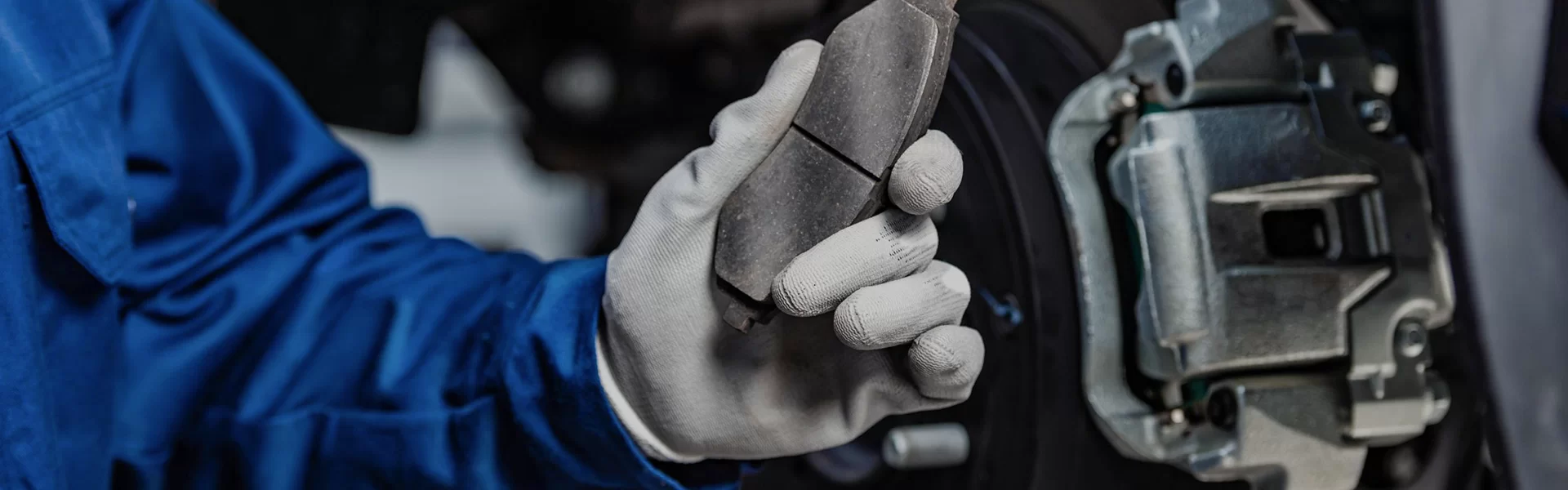
Parking brake shoes might not be the flashiest component in vehicle engineering, but when it comes to heavy-duty trucks—especially something like the international 4700 parking brake shoes—their role is undeniably crucial. They're the unsung heroes in ensuring trucks stay put when parked, maintain safety during loading or unloading, and prevent costly accidents. Globally, as commercial transportation scales up, understanding these parking brake shoes becomes essential for operators, mechanics, and fleet managers alike.
Truck fleets around the world are growing rapidly. According to the World Bank, global freight transport is projected to double by 2050, and with it, the reliance on safe, dependable braking systems swells. The International 4700—a versatile medium-duty truck—is a staple in industries from construction to deliveries worldwide. But what turns an average truck into a safe workhorse? One subtle yet vital piece is the parking brake shoes designed specifically for international 4700 chassis.
Improper or worn parking brake shoes may lead to vehicle rollaways or uncontrolled movement, leading to accidents or downtime. The problem of brake failure isn't trivial; ISO standards stress the importance of stringent safety components in heavy vehicles. So, when you think about the international 4700 parking brake shoes, you're really touching on a linchpin of transport safety globally.
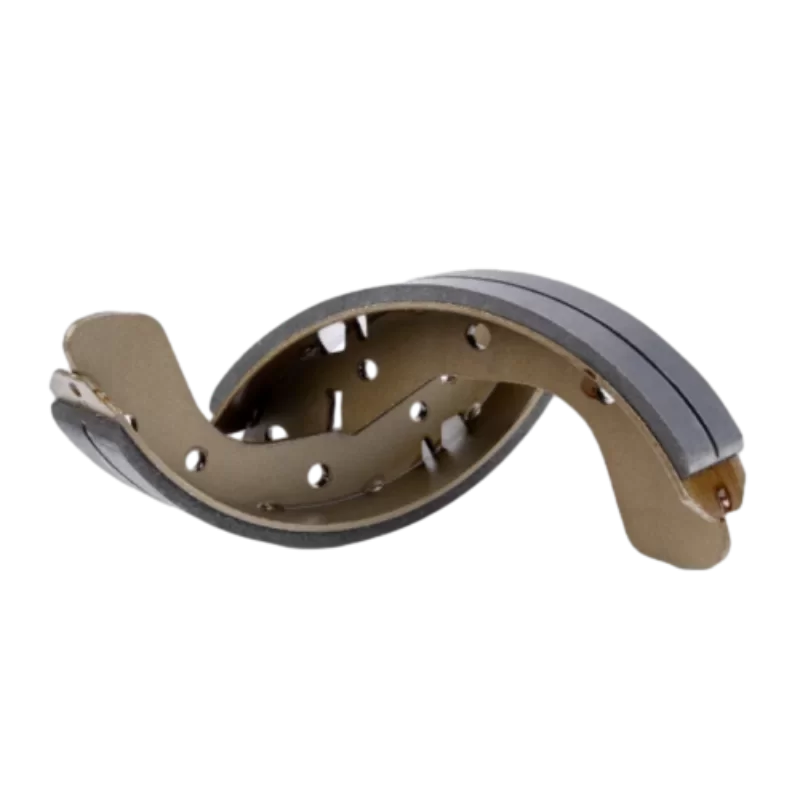
In simple terms, parking brake shoes are the curved friction components that press against a drum inside the wheel assembly when the parking brake is engaged. For International 4700 trucks, these shoes are engineered to exact specifications to fit the vehicle's brake drums, ensuring correct engagement force and durability.
They are not just random brake parts; these shoes must handle heavy weight loads, resist wear in demanding environments, and maintain consistent braking force. This makes them integral in industries reliant on medium-duty vehicles for moving goods and equipment safely.
Given these trucks often work in rough environments—construction sites, industrial parks, or inclement weather—the brake shoes must be made from high-quality materials that resist heat, corrosion, and wear. Most use composite friction materials that balance stopping power with longevity.
Not all brake shoes fit all drums—precision is key. The international 4700 parking brake shoes are tailored to the truck's specific drum dimensions and mechanisms, avoiding common fitment errors that lead to uneven wear or brake grabbing.
During use—especially when trucks are parked on slopes—parking brakes bear immense stress. Materials used in these shoes optimize heat dissipation to prevent glazing or loss of friction.
While OEM (Original Equipment Manufacturer) parts tend to cost more upfront, their life-cycle advantages often pay off. Some friction materials, for instance, resist glazing longer, lowering replacement frequency.
Many manufacturers are moving toward eco-friendly friction materials, avoiding asbestos or heavy metals that were common decades ago. This shift aligns with international environmental norms and promotes safer working conditions.
| Specification | Details |
|---|---|
| Material | Composite friction material (asbestos-free) |
| Fitment | Designed specifically for International 4700 brake drums |
| Service Life | Up to 50,000 miles depending on use |
| Operating Temp | -30°C to 300°C (depending on load) |
| Compliance | Meets or exceeds SAE J1472 friction standards |
The International 4700 series sees use in literally hundreds of countries. It is a go-to medium-duty truck for urban delivery fleets, regional construction companies, and even government agencies. Areas like North America, South America, and parts of Asia rely heavily on these trucks, demanding dependable parking brake shoes.
Previously, I talked to a fleet manager in southern Brazil who shared how upgrading to premium international 4700 parking brake shoes reduced his downtime from unexpected brake maintenance by 30%. Stories like this underscore why choosing the right brake shoe isn’t trivial.
Beyond the obvious safety benefits, there’s a tangible financial upside. Reliable parking brakes reduce accident risks, thereby lowering insurance premiums and downtime costs. Durability translates into fewer replacements—a win in any maintenance budget.
Equally important is the environmental and social impact. Using eco-conscious friction materials and adhering to safety standards bolsters company reputation and worker confidence. After all, safety fosters trust, and trust drives business growth.
We’re entering an era where brake materials are getting smarter. Researchers explore nanotechnology-enhanced composites, improving strength and thermal resistance. Meanwhile, automation in brake testing and digital wear sensors promises proactive maintenance—fleets get alerted before shoes wear out.
Green manufacturing trends also push manufacturers toward regeneratively sourced materials and recycling brake shoe components. Digital transformation isn’t just about fancy dashboards; it’s creeping into basic maintenance parts too.
That said, challenges persist. Supply chain delays can stall part availability. Some aftermarket shoes skimp on quality, risking premature failure. Plus, incorrect installation remains a frequent culprit in reduced brake performance.
Solutions? Investing in trusted suppliers combined with technician training helps. Increasingly, companies adopt QR codes on parts for traceability and installation guidance. These practical steps reduce errors and increase reliability.
| Vendor | Material Quality | Warranty | Average Cost | Global Shipping |
|---|---|---|---|---|
| BrakeMaster Inc. | High-grade composite | 2 years | $120 per set | Yes |
| Global Brakes Ltd. | Mid-level composite | 1 year | $95 per set | Selective regions |
| EcoBrake Solutions | Eco-friendly composites | 2 years | $130 per set | Global |
It’s fascinating how such a modest component like the international 4700 parking brake shoes can carry so much weight in safety and performance. Investing in the right brake shoes not only protects assets and lives today but also future-proofs fleets for tomorrow’s demands. Whether you’re a fleet manager, mechanic, or an operator, understanding these components helps keep the wheels turning smoothly—and safely.
For more details, part specs, or expert advice, visit our website: https://www.kybrakepad.com.
Final takeaway? Brake shoes might be small, but their impact on your truck’s reliability is huge.