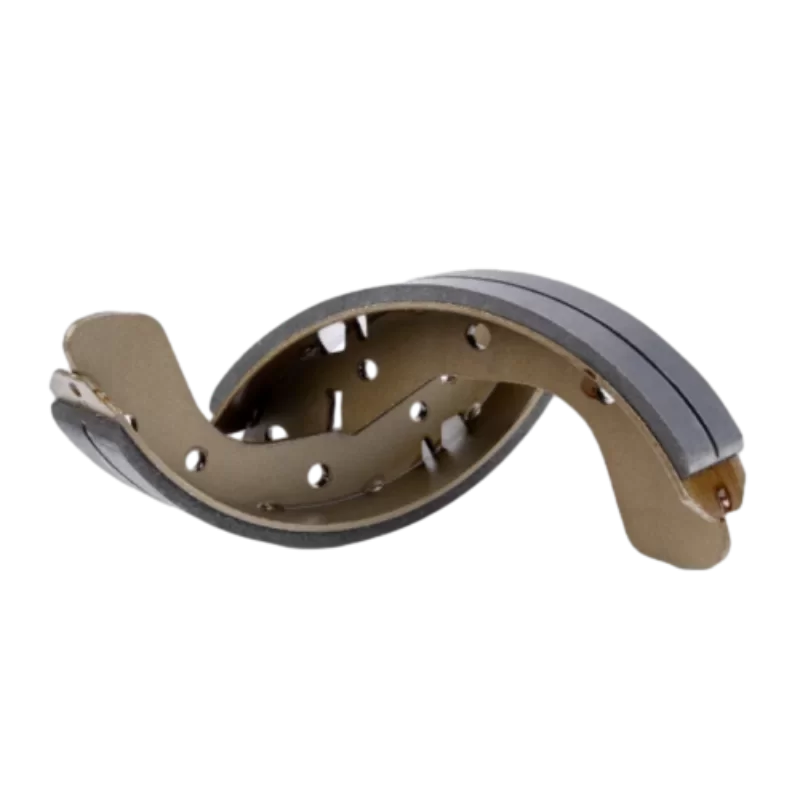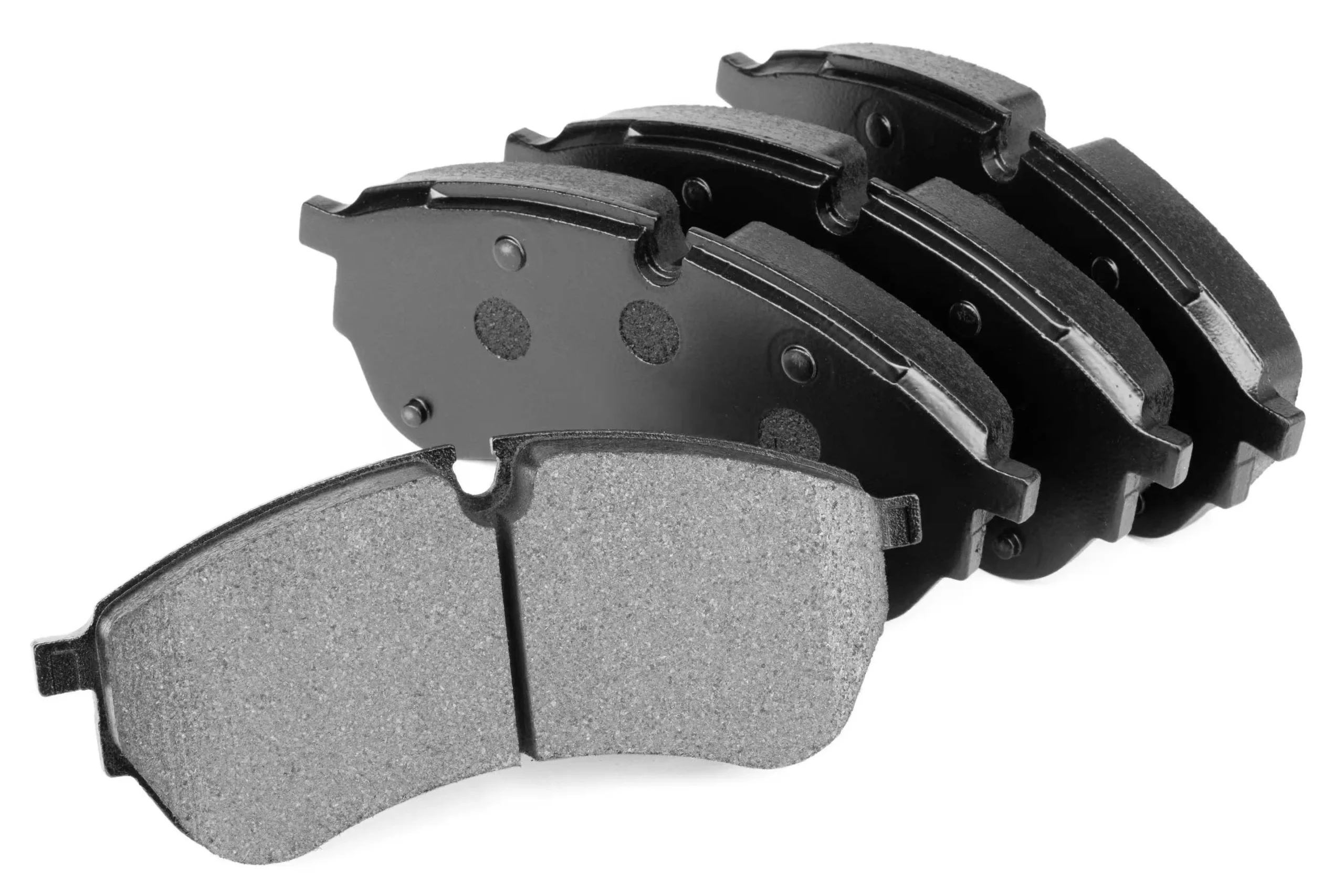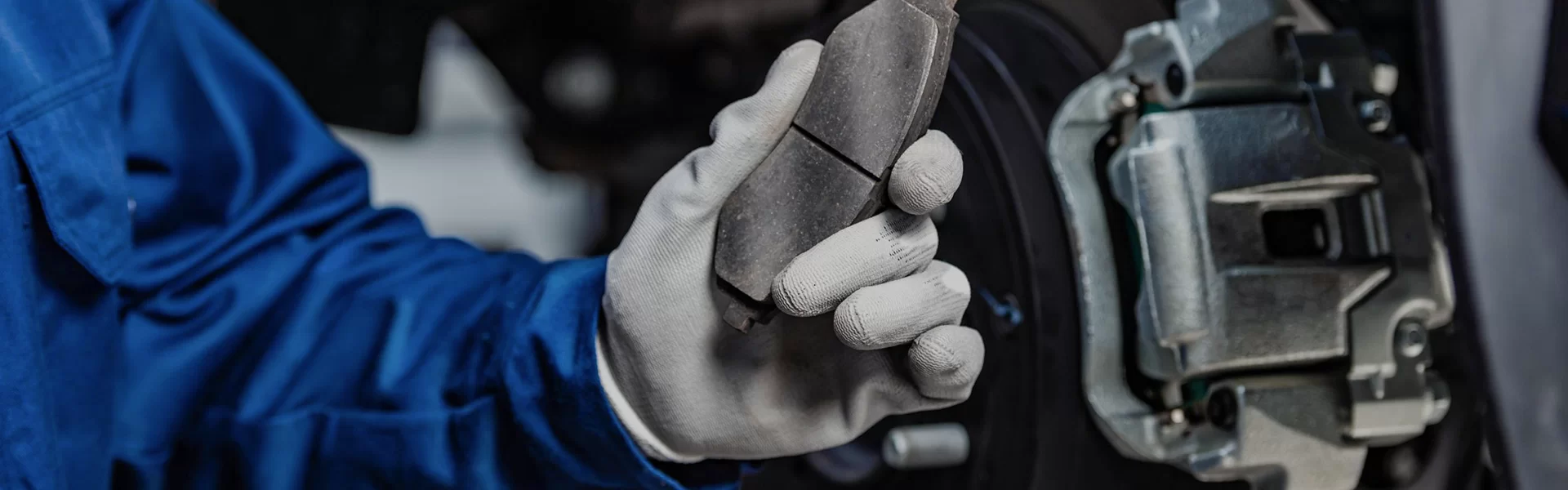
So, what exactly is this brake shoe beat everyone's talking about? At first glance, it sounds like a technical term you'd hear in a machine shop or on a racetrack, and you'd be half right. But the reality is, brake shoe beat is a subtle yet important phenomenon linked to the overall health and functionality of braking systems—particularly in industrial and commercial vehicles—which, frankly, affect millions of people worldwide. Grasping this concept helps engineers design safer, longer-lasting brake components, which reduces accidents and environmental waste. And who doesn’t want safer roads and less pollution?
Whether you’re a fleet manager worried about maintenance budgets or just someone curious about how the small stuff in mechanical systems adds up to big outcomes, understanding brake shoe beat isn’t just for the technicians anymore. It’s a global matter that ties into vehicle safety, cost efficiency, and sustainability.
The global transportation sector moves billions of passengers and tons of cargo annually. The International Organization for Standardization estimates that braking system reliability directly impacts about 30% of vehicle safety incidents worldwide. In heavy commercial vehicles—trucks, buses, and industrial machines—the subtle vibrations or "beats" in brake shoes can indicate uneven wear or impending failure, which may lead to accidents or costly downtime.
Oddly enough, these vibrations aren't just mechanical nuisances; they also contribute to noise pollution and add stress to vehicle components, creating a domino effect on maintenance schedules. Globally, companies are increasingly pressed to reduce operational costs and adhere to tighter safety standards. Tackling brake shoe beat, therefore, is more than a technical issue—it's a challenge with economic and humanitarian repercussions.
Put simply, brake shoe beat refers to a rhythmic vibration or pulsation felt during braking, caused by uneven contact or wear patterns between the brake shoe and the drum or disc. Think of it as a subtle “beat” that your foot can sometimes feel through the brake pedal, signaling something’s off-kilter.
This effect happens due to several causes: minor warping, material inconsistencies, or improper installation. Brake shoe beat is a key diagnostic symptom that maintenance teams use to predict when brake components need servicing before a failure occurs, making it critical in the lifecycle management of brakes.
Durability is king. Brake shoes made from superior friction materials—often composites or semi-metallic blends—wear evenly and reduce beat, enhancing ride comfort and safety.
Tiny manufacturing defects can translate into significant beat effects. Machining tolerances and surface finishes matter here, and consistently high standards prevent premature problems.
You can’t fix a beat caused by misalignment just by swapping shoes. Proper installation is crucial in avoiding irregular wear or vibrations.
Exposure to moisture, extreme temperatures, and dust affects brake shoe materials differently, changing friction coefficients and sometimes causing beat-like symptoms.
Companies with rigorous brake inspection programs spot brake shoe beat early, preventing accidents and lowering costs.
Mini takeaway: understanding these factors helps operators keep brakes in top shape and avoid the headaches of uneven wear and vibration.
In post-disaster relief operations, heavy vehicles must rely on dependable brakes to deliver aid safely through rough terrain. Brake shoe beat detection helps crews anticipate brake failure before it’s too late.
In industrial zones across Europe and Asia, fleets of buses and trucks now come equipped with sensors monitoring brake shoe beat in real-time, cutting downtime by up to 25% according to some fleet operators.
Even remote mining operations in Australia have employed brake shoe beat analysis to optimize maintenance—a big help given their harsh environmental conditions.
It isn’t just about saving money—it’s also about evolving toward safer roads and greener logistics.
Honestly, the future is quite exciting here. There’s a growing movement toward smart brake shoes embedded with sensors that can detect minute beat changes and communicate directly with vehicle management systems.
Advances in friction materials, including bio-based composites, are helping reduce environmental footprint while maintaining effectiveness. Plus, automated brake testing during routine maintenance is becoming standard practice in heavy-vehicle fleets.
But let's not pretend all is perfect. Brake shoe beat can be notoriously tricky to diagnose because it might mimic other issues like suspension faults or wheel imbalance.
Also, smaller operators sometimes lack access to the latest diagnostic tools, making proactive maintenance a challenge. That’s why educational outreach and affordable sensing technologies are crucial moving forward.
Many engineers suggest integrating standardized testing protocols and aftermarket solutions to combat these limitations.
| Specification | Details |
|---|---|
| Material | Semi-metallic composite with reinforced fibers |
| Surface Finish | Precision machined, honed to 1 µm tolerance |
| Max Operating Temperature | 450°C (optimized high-temp stability) |
| Sensor Compatibility | Built-in slots for vibration sensor embedment |
| Expected Lifespan | Up to 120,000 km in commercial vehicle use |
| Vendor | Material Technology | Sensor Integration | Warranty | Price Range |
|---|---|---|---|---|
| Alpha Brakes Inc. | Synthetic Fiber Composite | No | 3 Years / 100k km | $$ |
| B-Tech Automotive | Semi-Metallic Hybrid | Yes, optional | 5 Years / 120k km | $$$ |
| KyBrakePad Technologies | Eco-Friendly Bio-Composite | Integrated smart sensors | 7 Years / 140k km | $$$$ |
| Global Brake Solutions | Ceramic-Based | No | 4 Years / 110k km | $$$ |
If you feel a rhythmic pulsing or vibration specifically when applying the brakes—not during normal driving—it’s a strong sign of brake shoe beat. A professional brake inspection can confirm uneven wear on shoes or drums causing the issue.
Regularly inspect brake components for wear or warping, maintain proper installation and alignment, and use quality brake shoe materials. Avoid harsh braking when possible to extend component life.
For large fleets or mission-critical vehicles, yes. Sensor-equipped brake shoes provide early warnings that prevent breakdowns and costly repairs, improving overall safety and operational efficiency.
Absolutely. Persistent vibrations may stress suspension components, wheel bearings, and even vehicle frames over time, leading to secondary maintenance issues.
Excess moisture, dust, and temperature swings can degrade brake materials unevenly, making beat more likely. Using weather-appropriate materials and timely maintenance mitigates this.
In wrapping up, addressing brake shoe beat isn’t just a niche mechanic’s game but an essential piece in the global push for safer, more efficient transport solutions. The benefits ripple from improved safety to lower costs, better sustainability, and innovative tech that promises to make our roads quieter and vehicles more reliable.
Think of brake shoe beat management as a small gear in a much bigger machine, but without it, the whole system stutters. So, if you manage fleets or tech in transportation or heavy industry, take a step to learn more and implement solutions. And hey, you can start by visiting brake shoe beat specialists like KyBrakePad Technologies to see some cutting-edge options.
Here's to smoother rides and quieter brakes ahead.