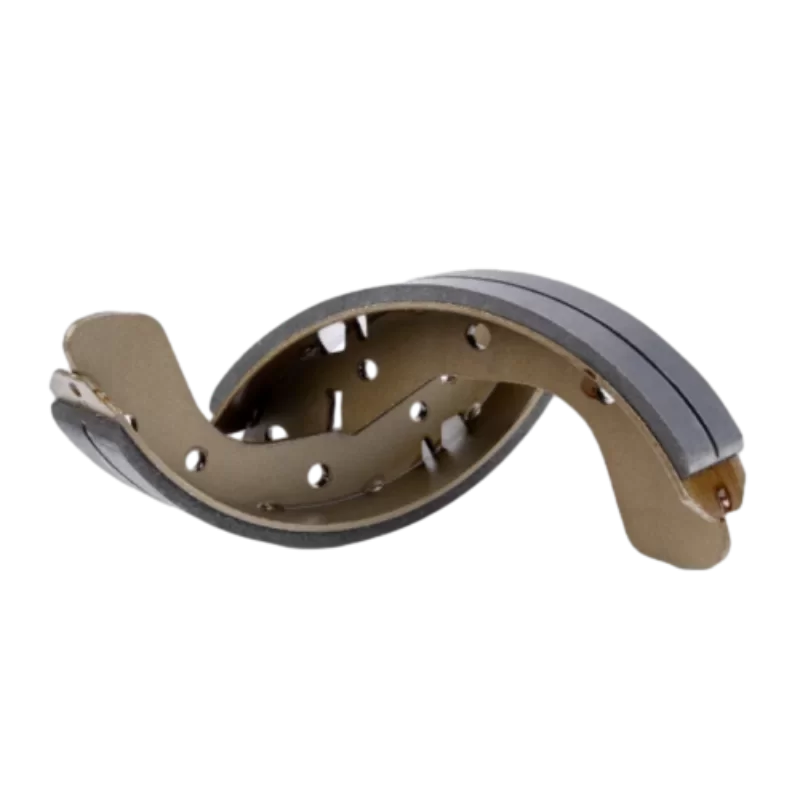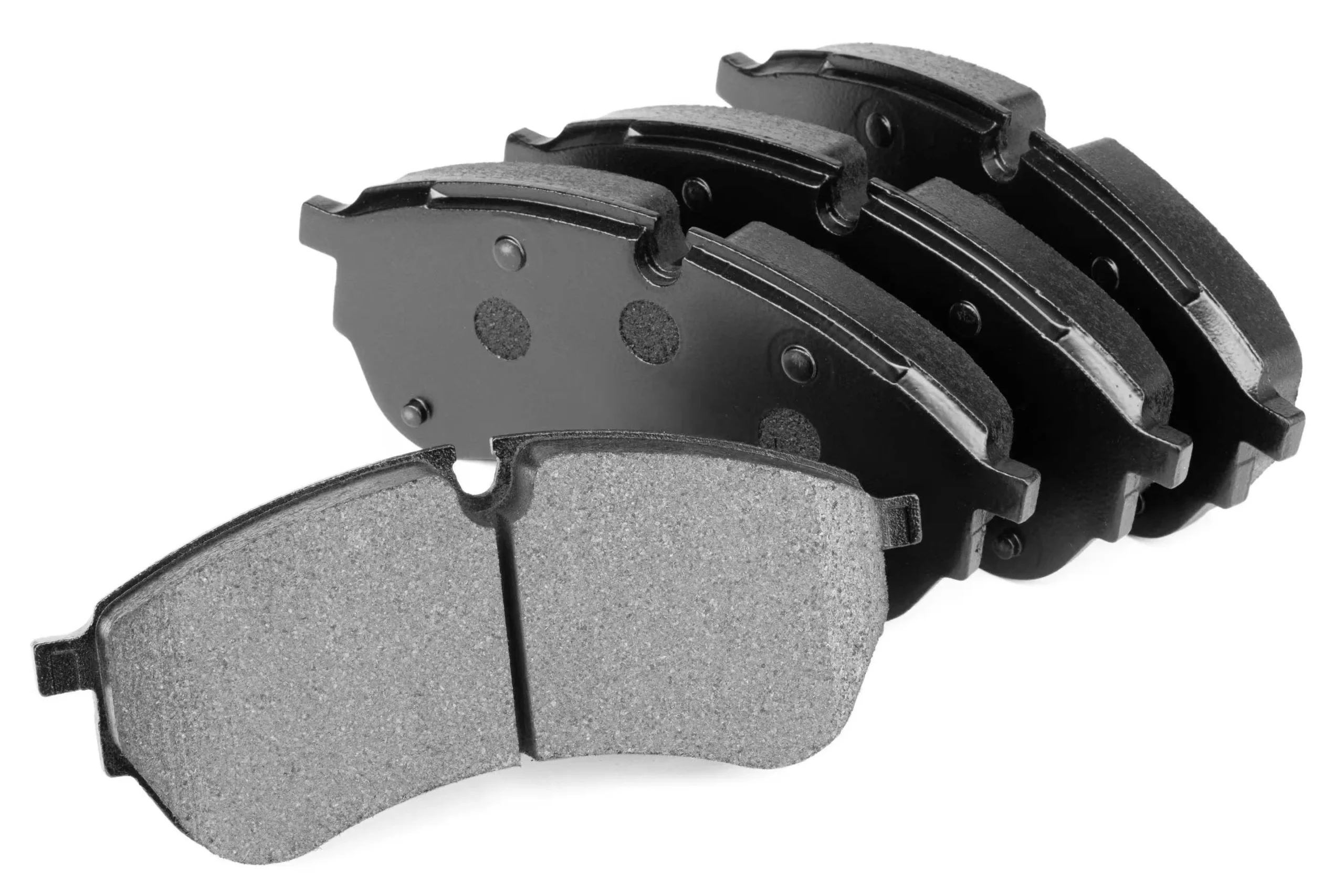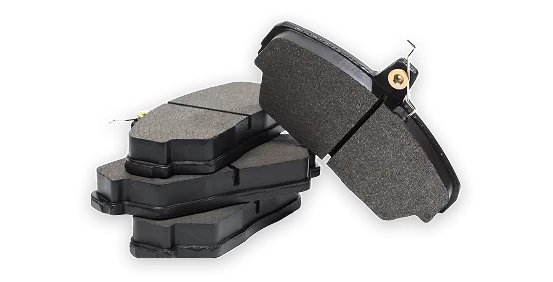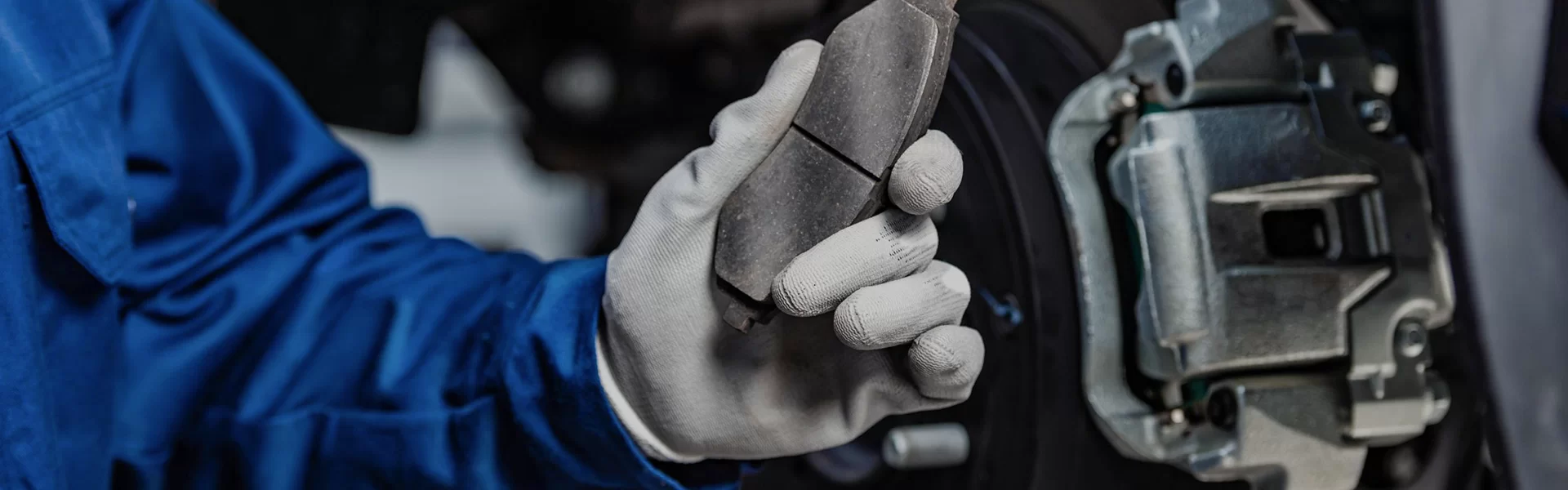
Original equipment brake pads, often abbreviated as OE brake pads, are those components installed by manufacturers when a vehicle is built or during certified inspections. You might think, “Brake pads, they’re just parts, right?” But they actually play a critical role in road safety and vehicle performance worldwide. With millions of cars on the roads globally, ensuring quality brake pads is more than just a manufacturing detail — it’s a matter of lives, efficiency, and even environmental responsibility.
Global road safety continues to be a pressing concern. According to the World Health Organization, approximately 1.35 million people die each year due to road traffic crashes — many involving brake failure or subpar braking performance. Within this context, the quality and reliability of original equipment brake pads directly influence stopping power and vehicle control, reducing accidents. Understanding these parts and their broader implications benefits consumers, manufacturers, and policymakers alike.
Original equipment brake pads refer to the exact parts that the vehicle manufacturer specifies and installs during production or authorized service. They are designed to meet stringent performance, durability, and safety standards set by automakers and often comply with international regulations like ISO/TS 16949 for quality management systems in automotive production.
Unlike aftermarket equivalents, which can vary widely in composition and quality, original equipment brake pads ensure compatibility and reliable performance within the braking system. This is crucial because brakes are the critical safety system your vehicle relies on every day.
OE brake pads are formulated to last through significant wear cycles without compromising braking power. The friction materials—often semi-metallic, ceramic, or organic composites—are tested to withstand heat, pressure, and environmental conditions.
Manufacturers must ensure brake pads pass rigorous safety testing, including fade resistance at high temperatures and performance under adverse weather. These protect both drivers and pedestrians globally.
Aside from braking efficiency, OE pads aim to minimize noise and vibration. This improves the driving experience, which many engineers find to be a significant, sometimes underestimated, design challenge.
Materials and manufacturing processes have started shifting toward eco-friendly options. For example, OE brake pads increasingly exclude heavy metals like copper, which affect water quality after wear.
While aftermarket parts may tempt buyers with lower costs, OE pads balance price with the assurance of longevity and system compatibility. This often translates to fewer repairs and replacements in the long run.
| Feature | Specification |
|---|---|
| Material Type | Ceramic / Semi-metallic |
| Coefficient of Friction | 0.35 - 0.45 (varies by model) |
| Operating Temperature Range | -40°C to 500°C |
| Approximate Lifespan | 40,000 – 70,000 miles |
| Noise Emission Level | Below 70 dB under normal conditions |
Mini takeaway: Original equipment brake pads aren’t just generic parts; their engineering hones in on a precise balance of safety, durability, and environmental considerations.
OE brake pads find use in a wide array of vehicles — from personal cars and trucks to commercial buses and industrial machinery. The automotive hubs of Asia (like Japan and South Korea), Europe (Germany, Italy), and North America lead in their development and production. Meanwhile, emerging markets in Latin America and Southeast Asia increasingly depend on OEM standards to boost road safety.
In humanitarian and disaster relief operations, reliable braking is crucial for transporting supplies safely across difficult terrains. Even in remote mining operations, heavy-duty vehicles rely on OE-grade pads to navigate steep descents without catastrophic brake failure.
| Vendor | Material Type | Certification | Global Presence |
|---|---|---|---|
| Vendor A | Ceramic | ISO/TS 16949 | North America, Europe, Asia |
| Vendor B | Semi-metallic | ISO 14001 (Environmental) | Europe, Latin America |
| Vendor C | Organic Composite | TS 16949 | Asia, Middle East |
Green energy trends are reshaping brake pad design — think materials adapted for electric and hybrid vehicles that recuperate energy through regenerative braking, meaning less wear on pads themselves. Digital transformation also plays a role. For example, “smart” brake pads with embedded sensors can alert drivers and mechanics about wear levels, a boon for safety and maintenance.
The most common challenge with OE brake pads lies in balancing material cost, performance, and environmental concerns. Some OEMs struggle with copper restrictions, as detailed by the U.S. EPA’s Brake Pad Partnership aiming to reduce copper content due to water pollution issues. Innovative composite materials and advanced manufacturing help resolve these issues, but adoption can be slow and expensive.
Original equipment brake pads are more than just parts – they’re engineered protections designed to keep millions safe on roads worldwide. From durability and safety to reducing environmental harm, their long-term value is immense. I suppose the next time you step on your brakes, you can appreciate the technology and standards quietly at work, helping stop you safely every time.
If you’re curious to learn more or need reliable sourcing, don’t hesitate to visit our website: https://www.kybrakepad.com.
Oddly enough, I often find people overlook the humble brake pad until something goes awry — but it really is one of those unsung heroes of automotive safety.