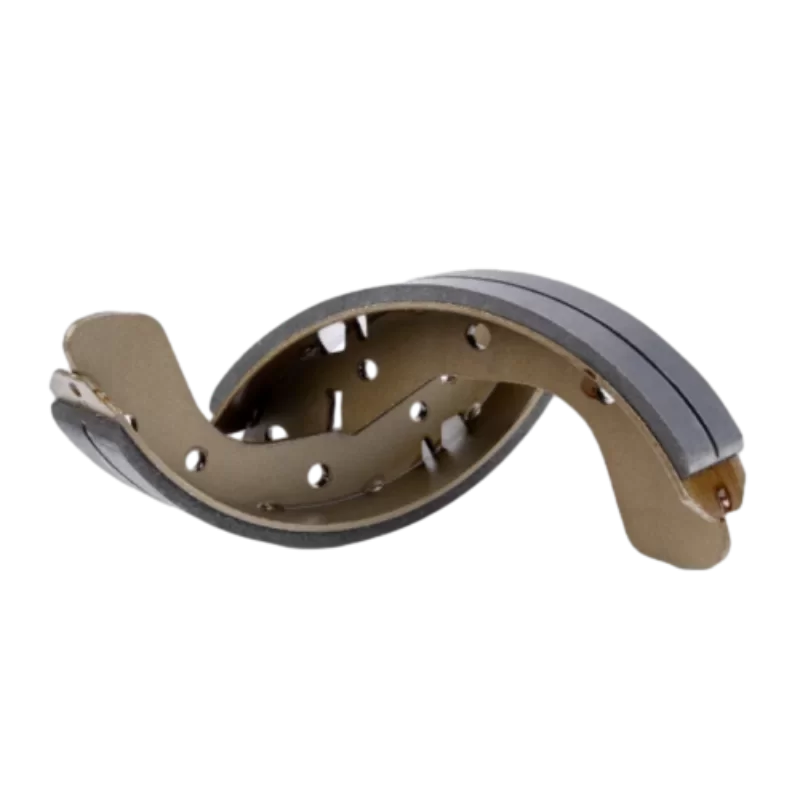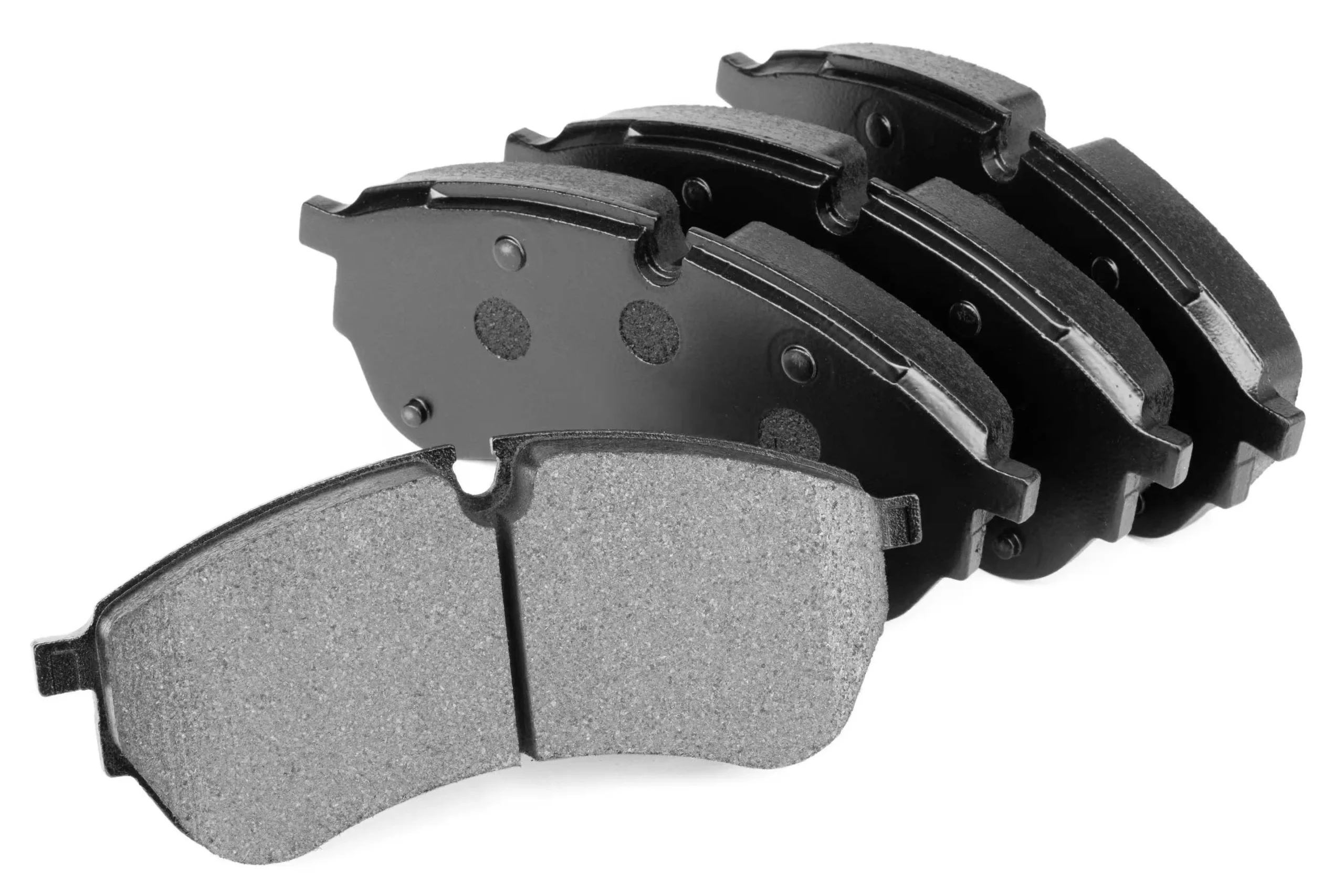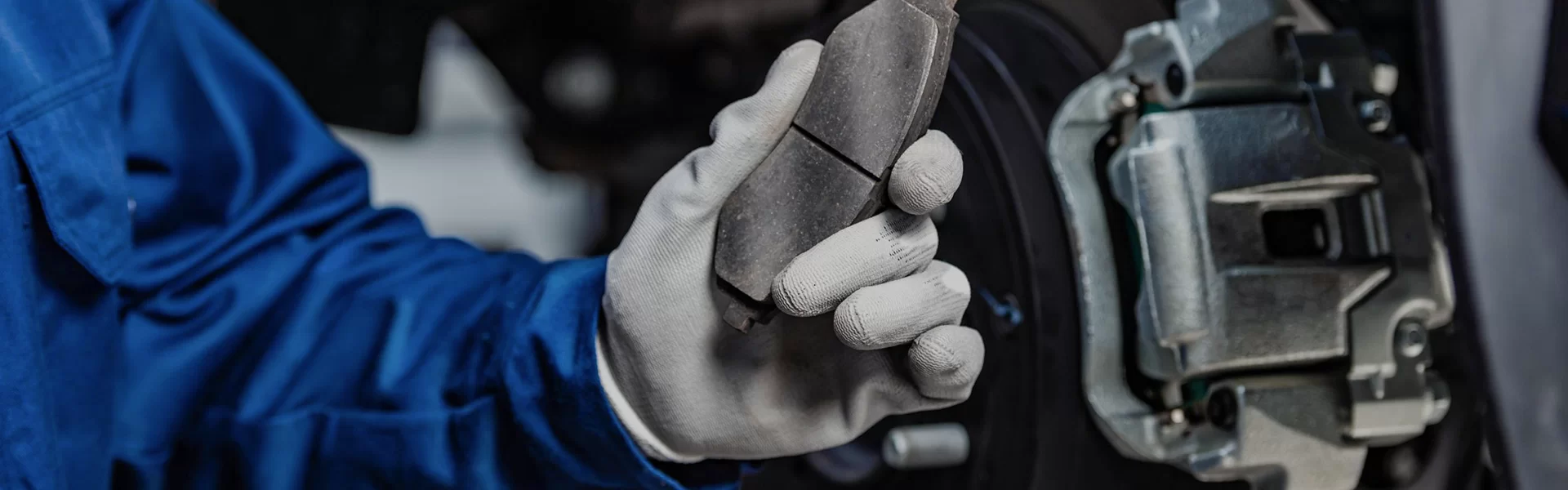
If you drive a car, ride a bike, or even walk by heavy machinery, you’ve likely heard of brake pads. But what exactly are original brake pads, and why do they matter so much in today’s fast-moving, safety-conscious world? Oddly enough, the difference between genuine parts and aftermarket alternatives isn’t just about marketing — it touches on safety, reliability, environmental impact, and even the trust between drivers and manufacturers.
Brake pads are a critical element for road safety worldwide. According to data from the World Health Organization (WHO), traffic accidents cause approximately 1.35 million deaths every year globally, often linked to vehicle maintenance failures. Whether in bustling cities or remote regions, reliable brake pads help prevent accidents and provide long-term safety. The International Organization for Standardization (ISO) even offers quality benchmarks ensuring the components meet rigorous testing standards worldwide.
One major challenge is balancing cost and quality. Many drivers opt for cheaper alternatives without realizing the long-term risks – from reduced braking performance to faster wear, which in some cases can cause catastrophic failures. Using original brake pads means adhering to manufacturer specifications and maintaining overall vehicle integrity.
Simply put, original brake pads are components made or approved by the vehicle manufacturer or an authorized supplier. They are designed to perfectly match the braking system installed on the vehicle, ensuring ideal fit, friction characteristics, and heat tolerance. Unlike aftermarket options, these pads undergo extensive testing to comply with safety and environmental regulations.
While it might seem like a small detail, original brake pads contribute to smoother, more predictable braking behavior. It’s sort of like the difference between a tailored suit and an off-the-rack one — the fit and finish can make all the difference in performance and comfort.
Original brake pads are typically made from composite materials — including semi-metallic, ceramic, or organic compounds — precisely engineered for each vehicle. This composition affects wear resistance, noise level, and heat dissipation.
Because these brake pads align with manufacturer standards, they tend to last longer and wear evenly, even under stressful conditions such as stop-and-go traffic or mountainous terrain.
Braking generates intense heat, which can degrade pads quickly. Original brake pads incorporate materials designed to withstand high temperatures without losing friction, preventing brake fade — a vital safety feature.
Many manufacturers now emphasize eco-friendly materials with reduced heavy metals and dust emissions. This shift aligns with global sustainability goals laid out by institutions like the United Nations.
Original pads often include shims and specialized backing plates to minimize noise and vibration — the kind of subtle comfort many drivers appreciate but seldom mention.
| Feature | Semi-metallic Pad | Ceramic Pad |
|---|---|---|
| Typical Lifespan | 30,000 - 45,000 miles | 40,000 - 60,000 miles |
| Noise Level | Moderate | Low |
| Heat Resistance | Good | Excellent |
| Dust Emission | Higher | Lower |
Mini takeaway: Original brake pads aren’t “one size fits all.” Their material choices significantly shape driving experience and safety.
The use of original brake pads spans from everyday passenger vehicles in North America and Europe (where regulatory standards are strict) to heavy commercial trucks in Asia and Africa. For instance:
Interestingly, NGOs and government fleets often insist on original parts to align with safety audits and legal requirements.
| Company | Global Presence | Innovation Focus | Price Range |
|---|---|---|---|
| Brembo | Worldwide | High-performance racing tech | Premium |
| Akebono | Global | Low dust, eco-friendly pads | Mid-High |
| Bosch | Worldwide | Cost-effective and reliable | Mid |
Mini takeaway: Choosing a vendor depends not only on price but also on whether innovation or sustainability is your priority.
When you think about braking, safety is the first emotional hook — it’s your life literally stopping. Original brake pads deliver predictable stopping power, which means fewer surprises. Logically, they also tend to save money in the long run through less frequent replacements, reduced rotor damage, and avoiding costly repairs or accidents.
From a sustainability perspective, they often comply with lower particulate and hazardous material emissions, contributing to cleaner air. This benefit is sometimes overlooked but increasingly important as global urban air quality concerns rise.
The world of original brake pads isn’t static. Green technology is taking root, with manufacturers developing bio-based friction materials and non-metallic options to reduce environmental impact. Digital transformation means sensors embedded in pads can now monitor wear in real time, supporting preventive maintenance programs. Automation in manufacturing also pushes quality control to new heights, ensuring only the best components leave the production line.
Though original brake pads offer many benefits, challenges include higher upfront costs and limited availability in some rural or developing regions. Still, manufacturers and distributors are addressing these through better supply chains and financing programs. Experts also recommend regular brake system inspections to maximize pad lifespan and safety.
Choosing original brake pads is more than a maintenance decision — it’s a commitment to safety, quality, and long-term value. If you want dependable braking and peace of mind, it’s worth leaning towards the genuine article. For more details or to explore the best original products tailored to your vehicle, visit our website at https://www.kybrakepad.com.
Final thought: When it comes to braking, cutting corners is one risk you really don’t want to take.